Obesity/Metabolic Syndrome (cont’d)
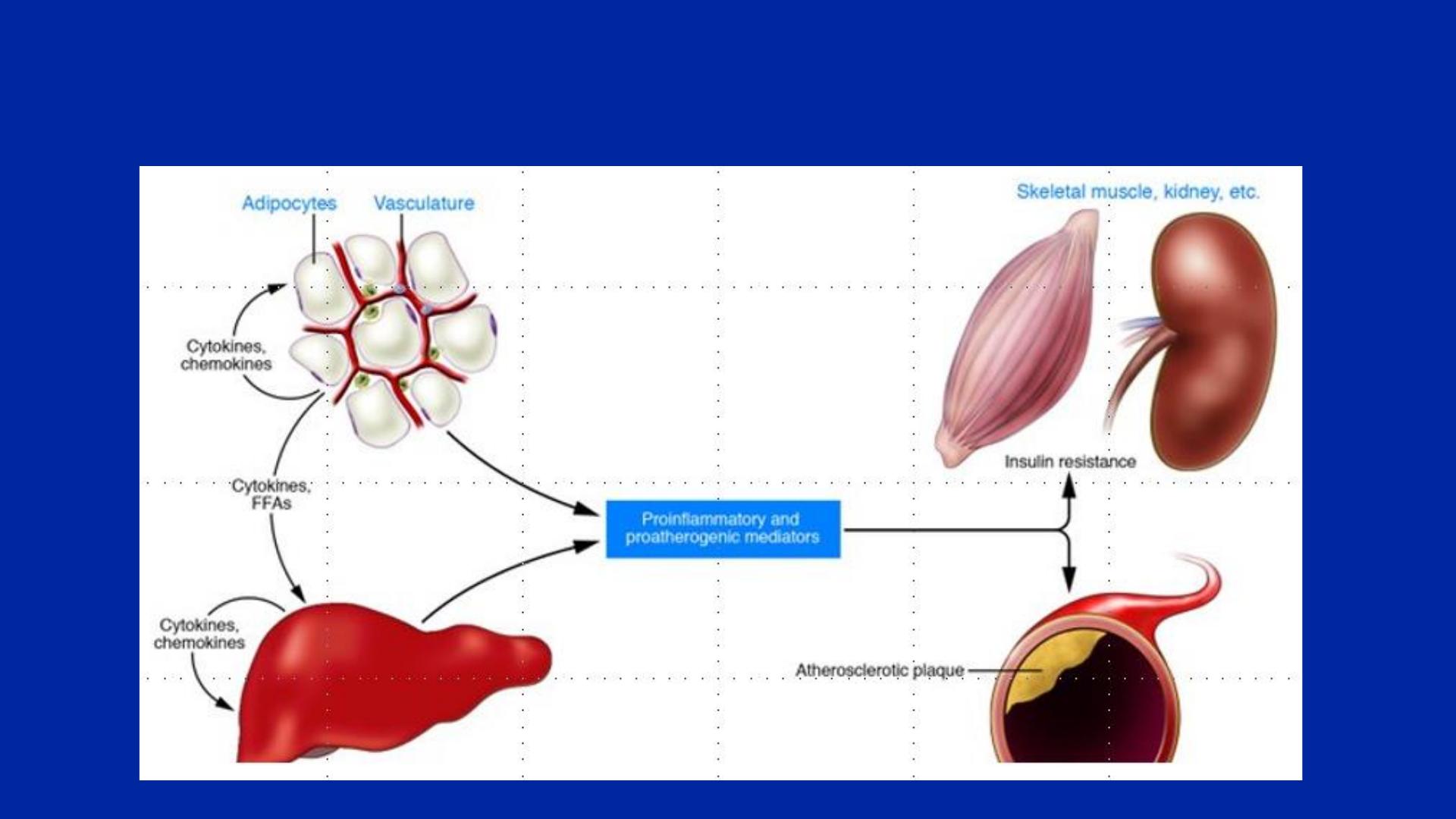
Obesity, Inflammation, and the Metabolic Syndrome
Shoelson et al, JCI 2006
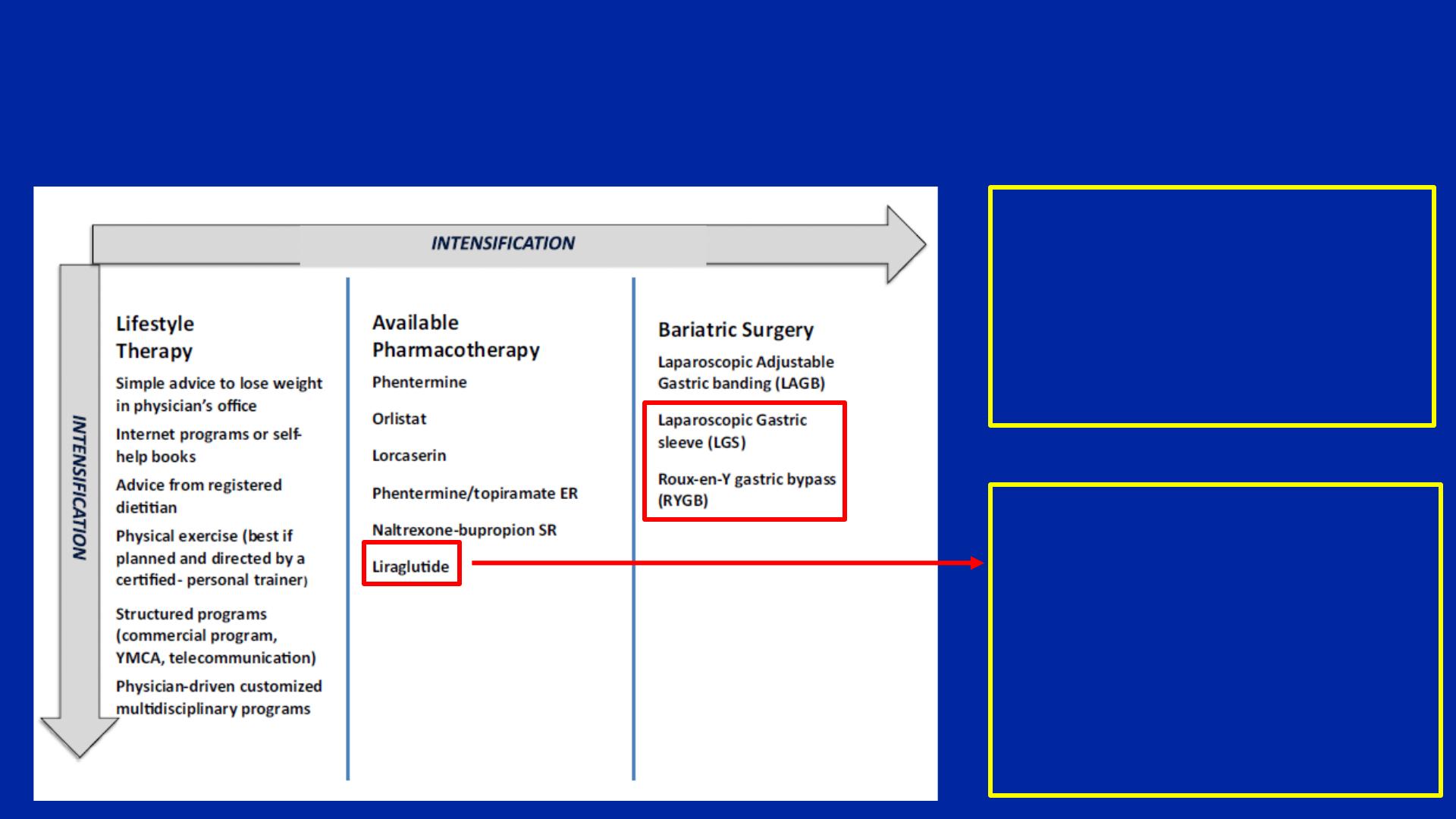
Stepped Approach for Obesity Treatment
Kushner et al, Prog Cardiovasc Dis 2018
Drug Targets
•satiety
•neurohormonal pathways
•nutrient absorption
•energy expenditure
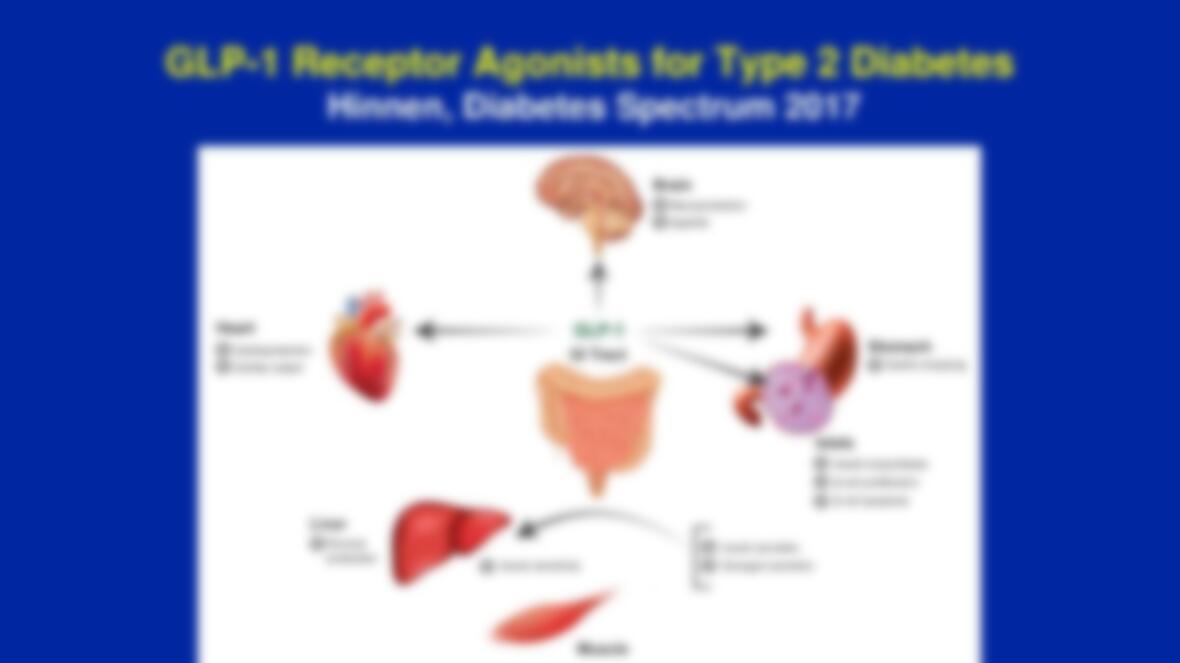
GLP-1 Receptor Agonists
•Originally approved for type
2 DM indication
• “Indication expansion” to
obesity with at least one
cardiovascular risk factor
(type 2 DM, HTN, etc)

Dietary Management of Obesity* (1)
•Various diet options: low-fat; low-carbohydrate (including
ketogenic); high-protein; formula; Mediterranean; intermittent
restriction
– Conventional “hypocaloric” diet: 1200-1500 kcal/d (women)/1500-1800
kcal/d (men); CHO:fat:protein50:30:20% (with specific characteristics
of each); high fiber
–Reduced caloric intake of 500-600 kcal/d →expected weight loss of
~2 kg in first month
–5-10% weight loss associated with decreased cardiometabolic risk
(even in short term)
–Important to be paired with some type of exercise regimen
*: adapted from Koliaki et al, Healthcare 2018

Dietary Management of Obesity*(2)
•Challenges in longer term
– Physiologic adaptations (especially increased “drive to eat”) that
make further weight loss more difficult
–Bland, unpalatable diets
–Recidivism: 50% of dieters regain most of their weight in first year
and more than 2/3 regain weight over a three-year period
*: adapted from Koliaki et al, Healthcare 2018
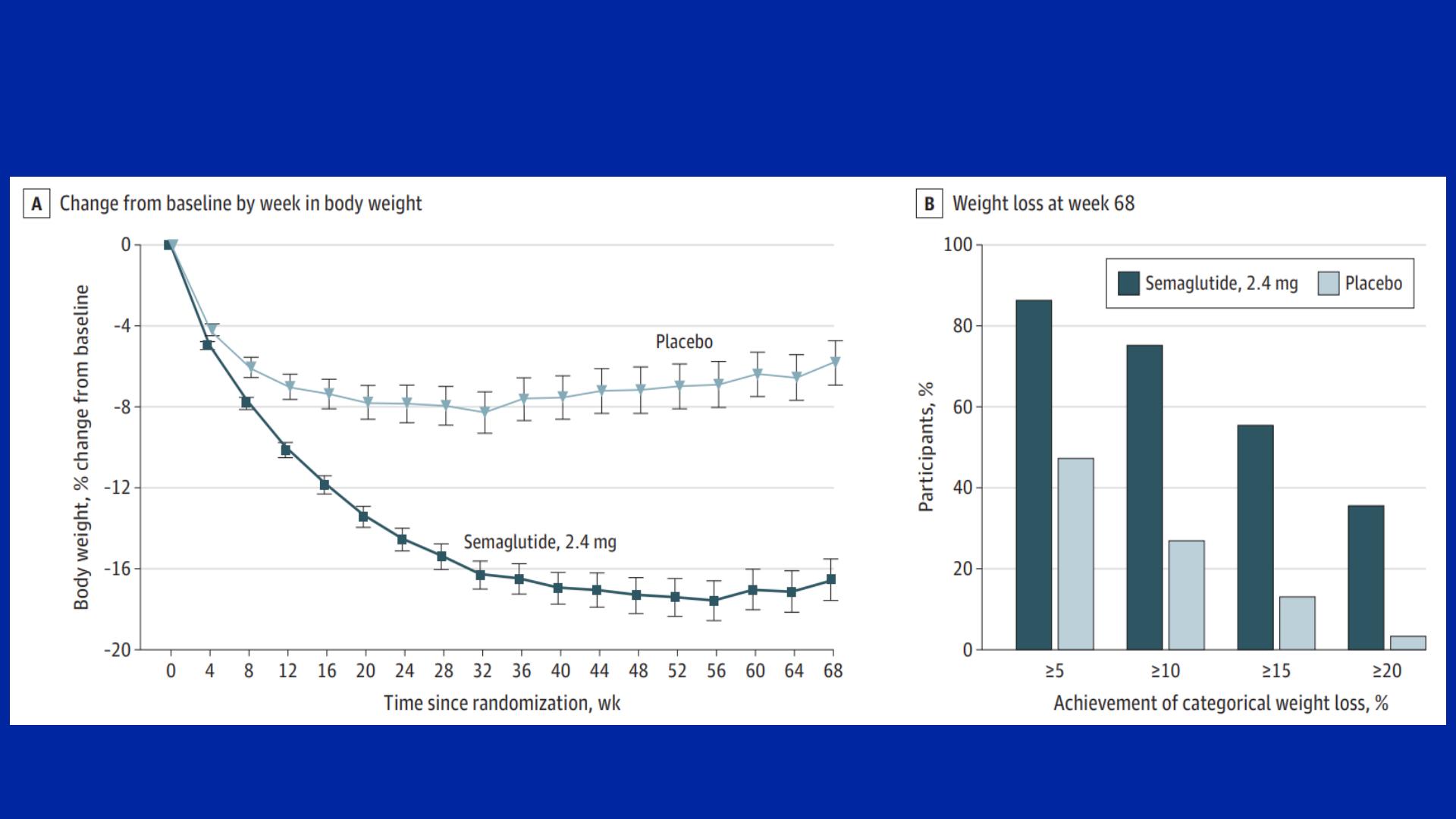
Semaglutide for Overweight and Obesity*
Wadden et al, JAMA 2021
*: high incidence of nausea, vomiting, abdominal pain, constipation, and diarrhea in treatment arm
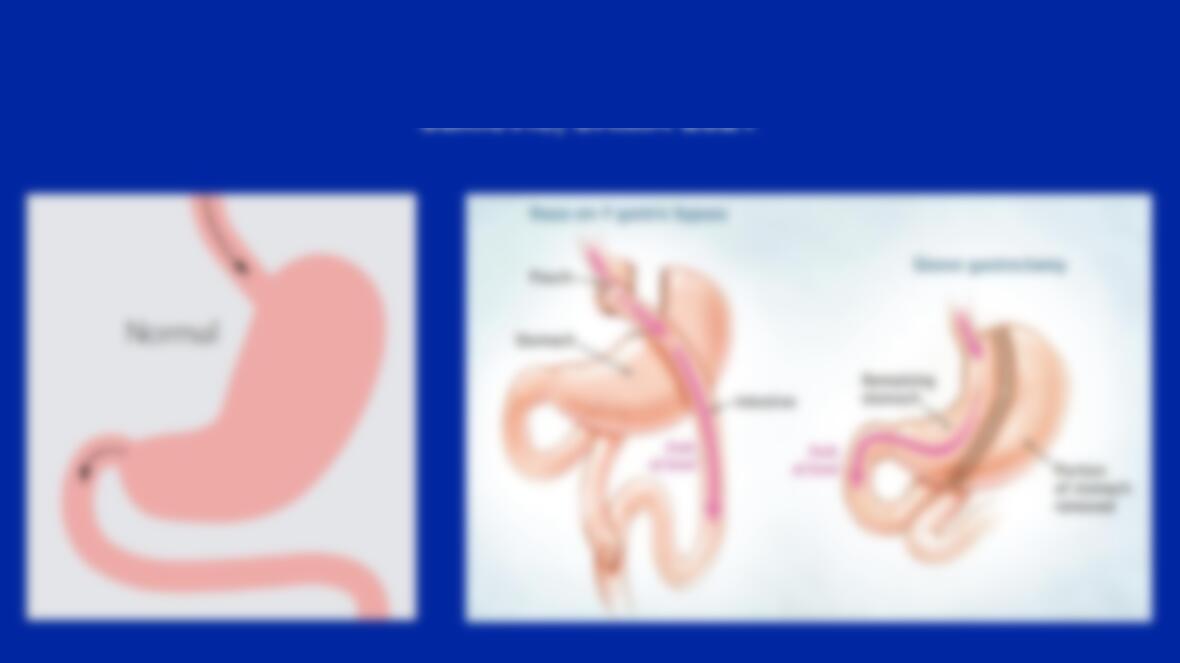
Surgical Options: Sleeve Gastrectomy and Gastric Bypass