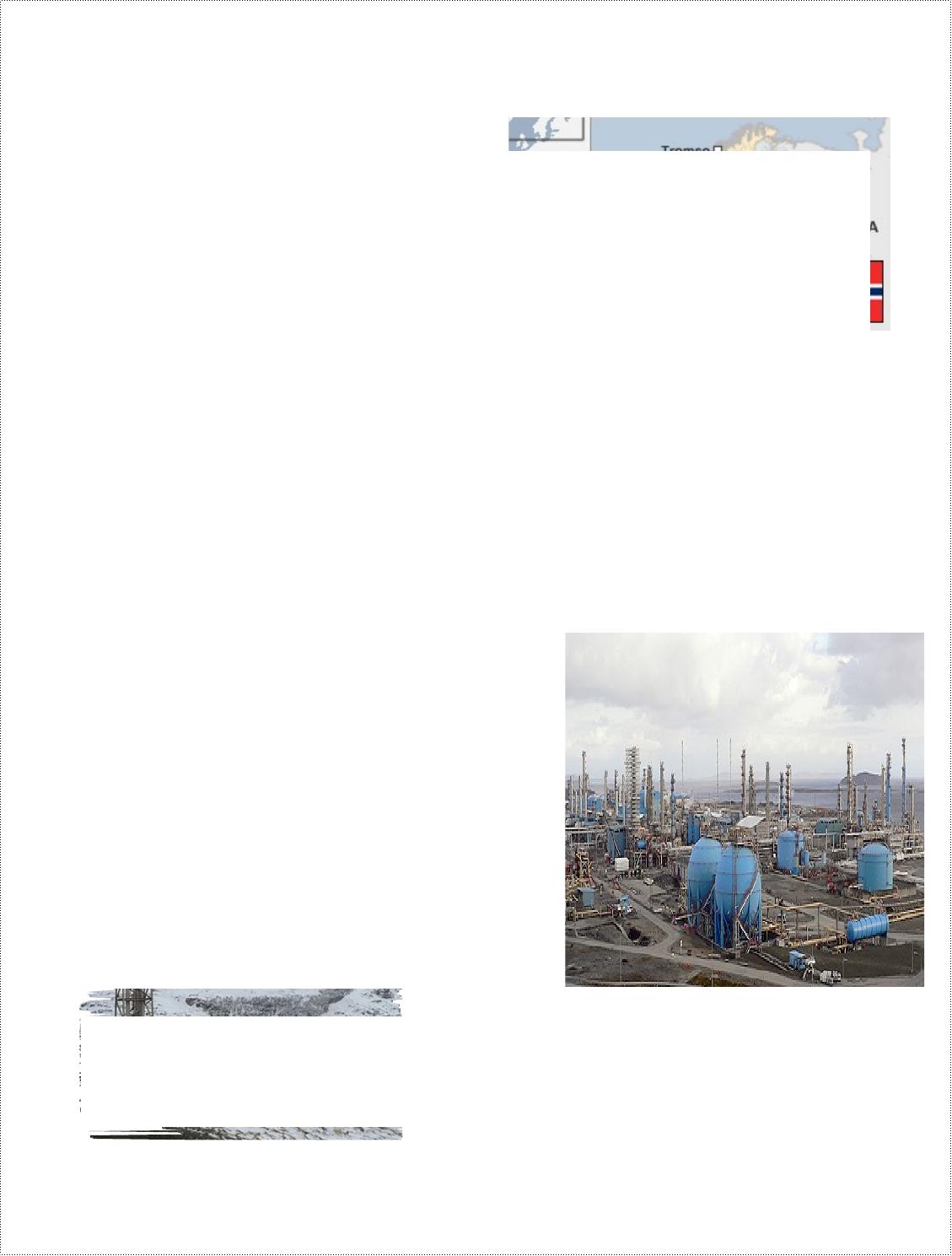
Full name: Kingdom of Norway
Population: 5 million (UN, 2012)
Capital: Oslo
Area: 323,759 sq km (125,004 sq
miles)
Major language: Norwegian
Major religion: Christianity
Life expectancy: 79 years (men), 83 years (women) (UN)
Monetary unit: 1 Norwegian krone = 100 ore
Main exports: Fuels and fuel products, machinery, metal products
GNI per capita: US $88,870 (World Bank, 2011)
Internet domain: .no
International dialling code: +47
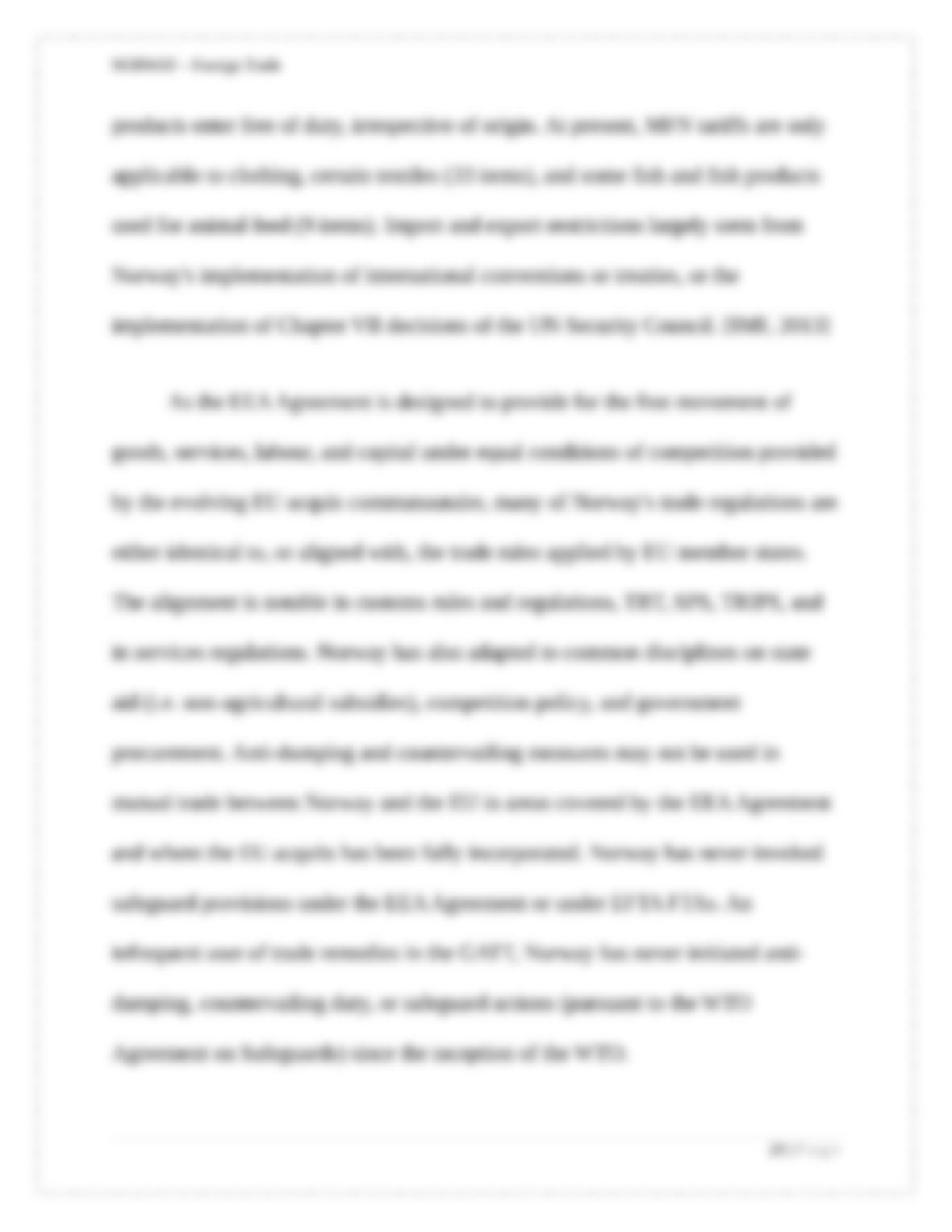
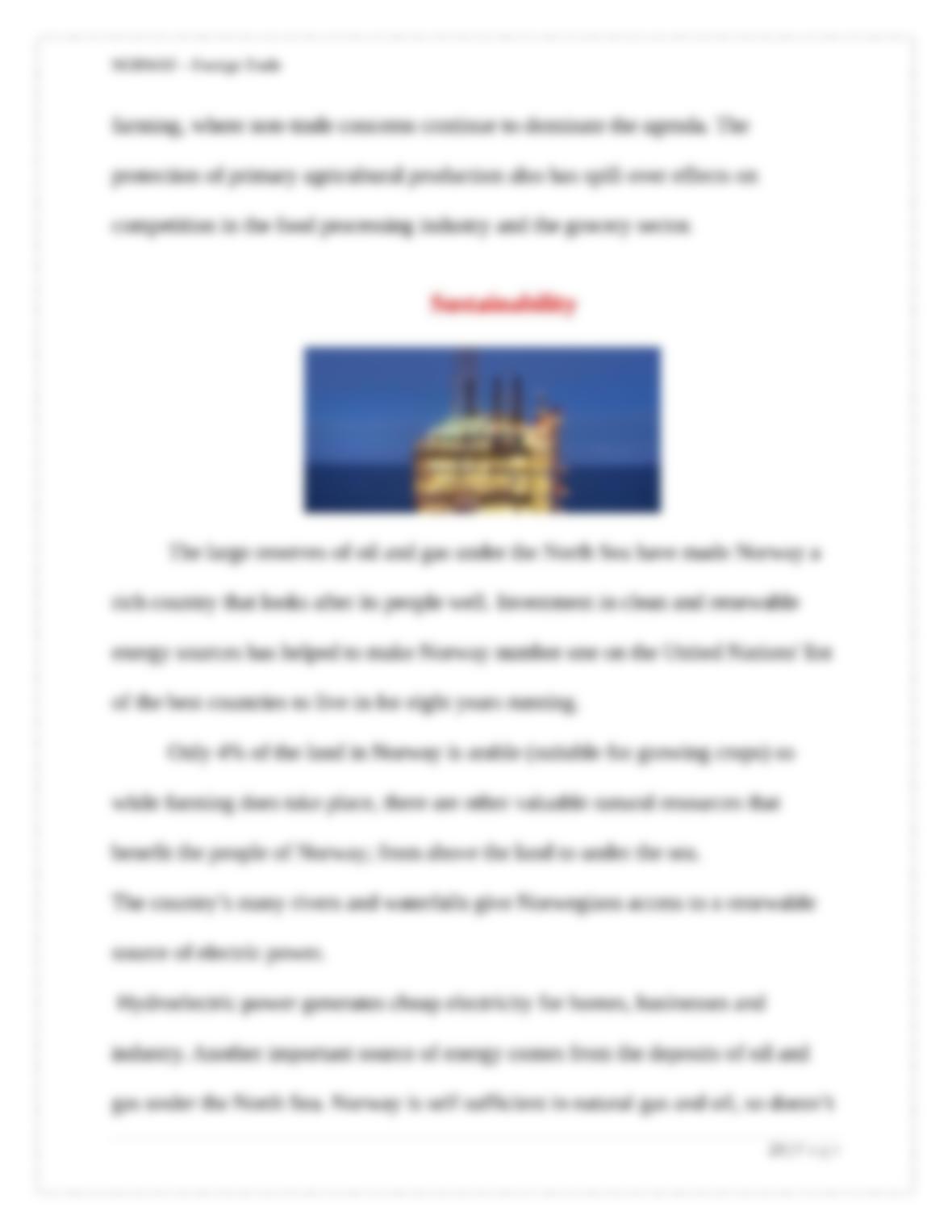
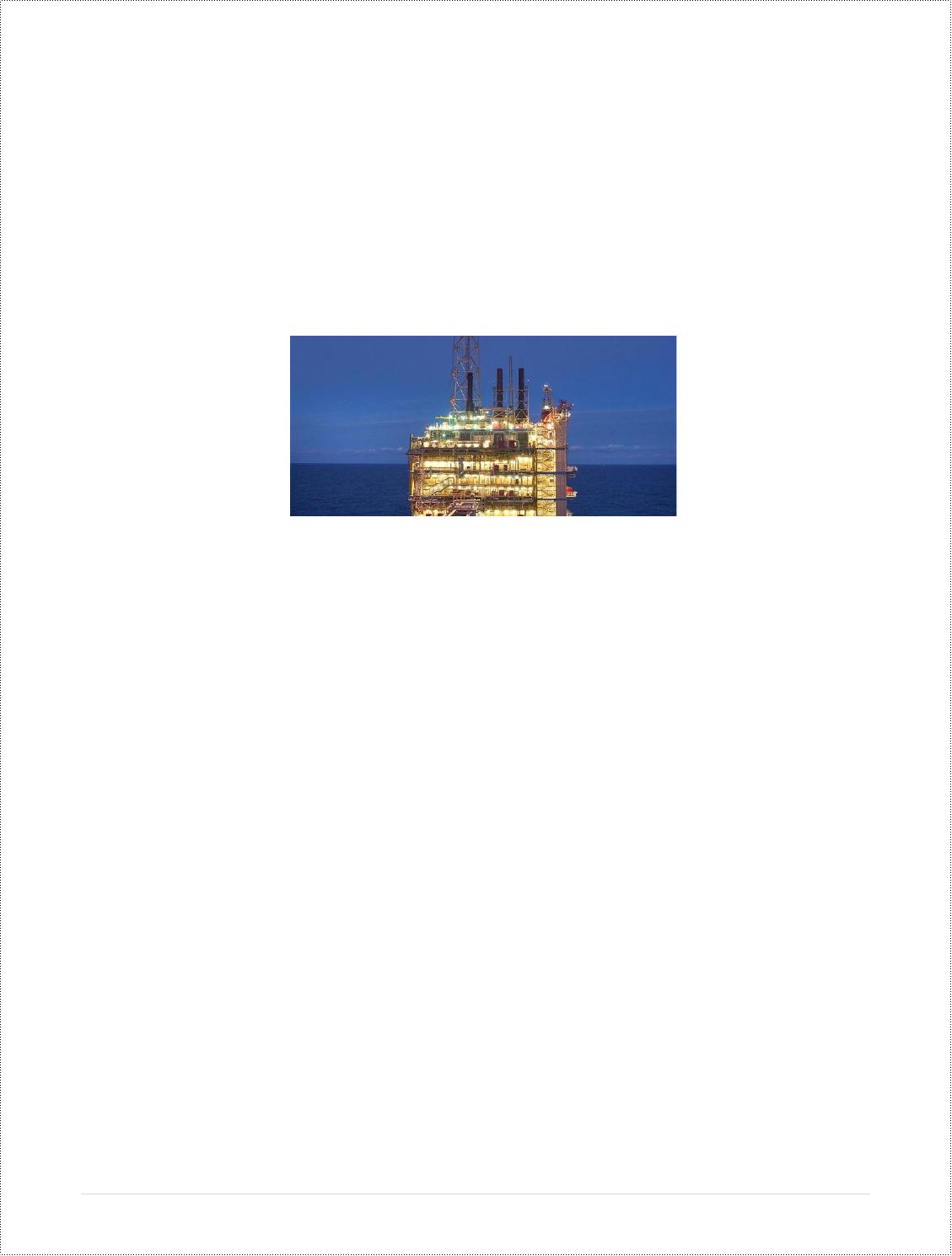
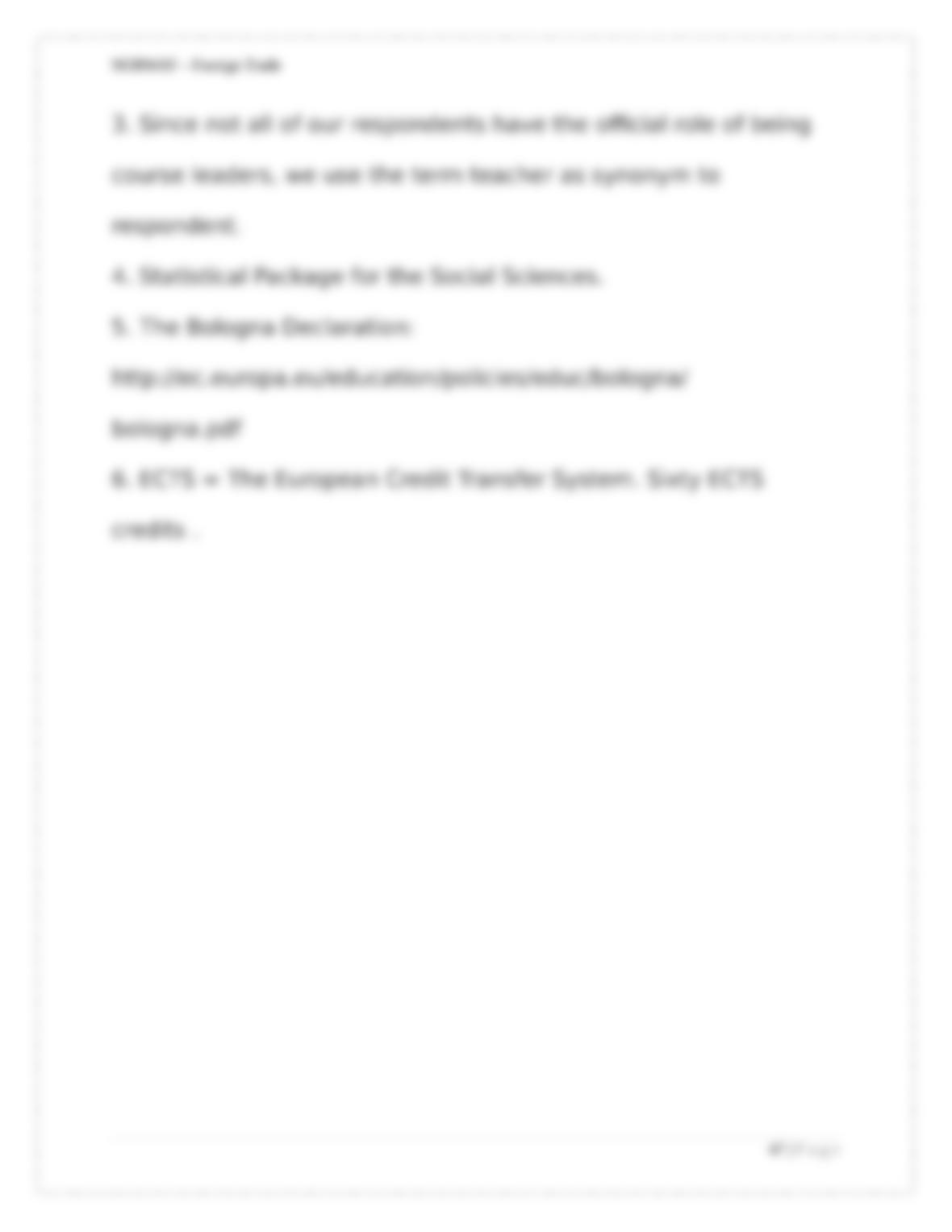
Image-2(Source:BBC): Norway began exploiting oil and gas reserves in the 1970s

NORWAY – Foreign Trade
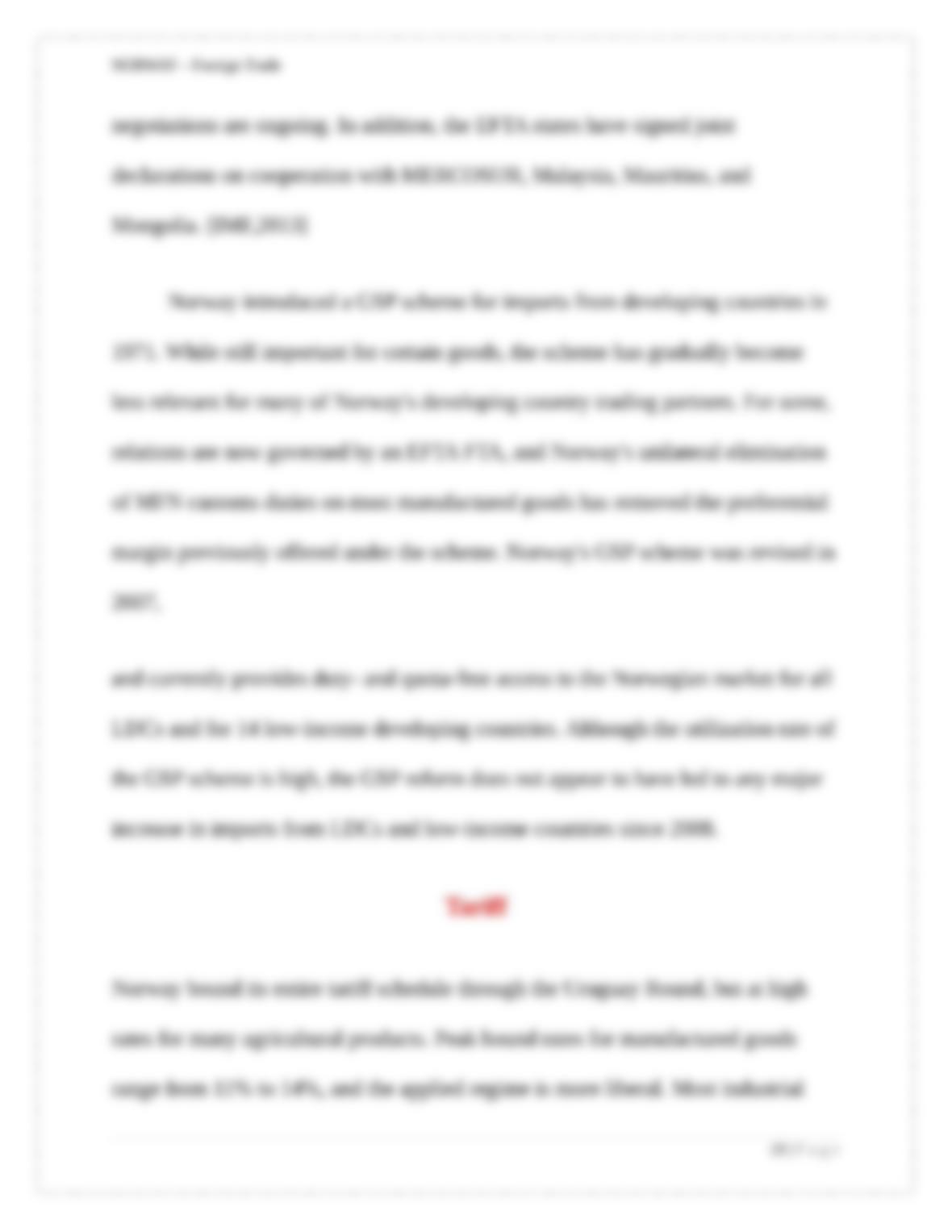
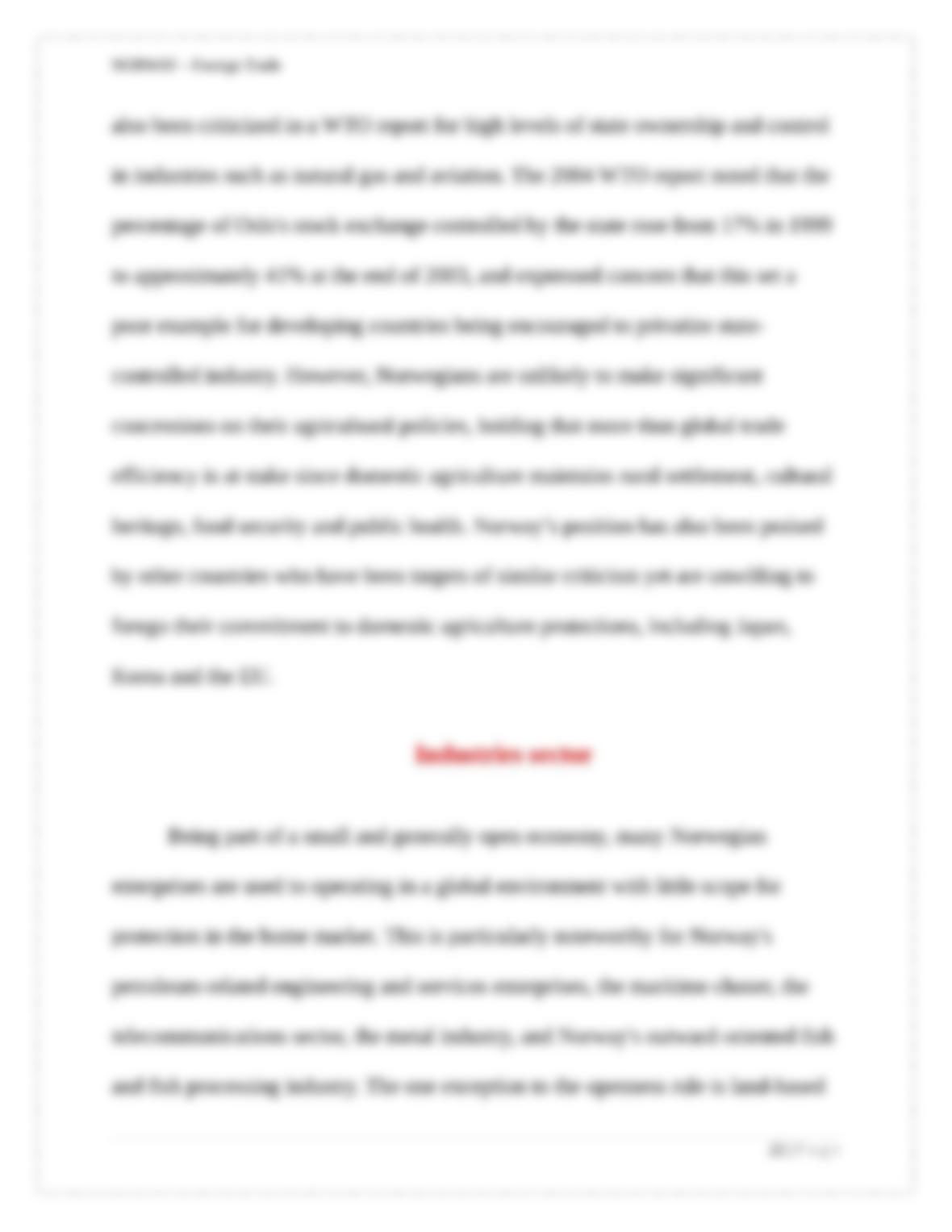
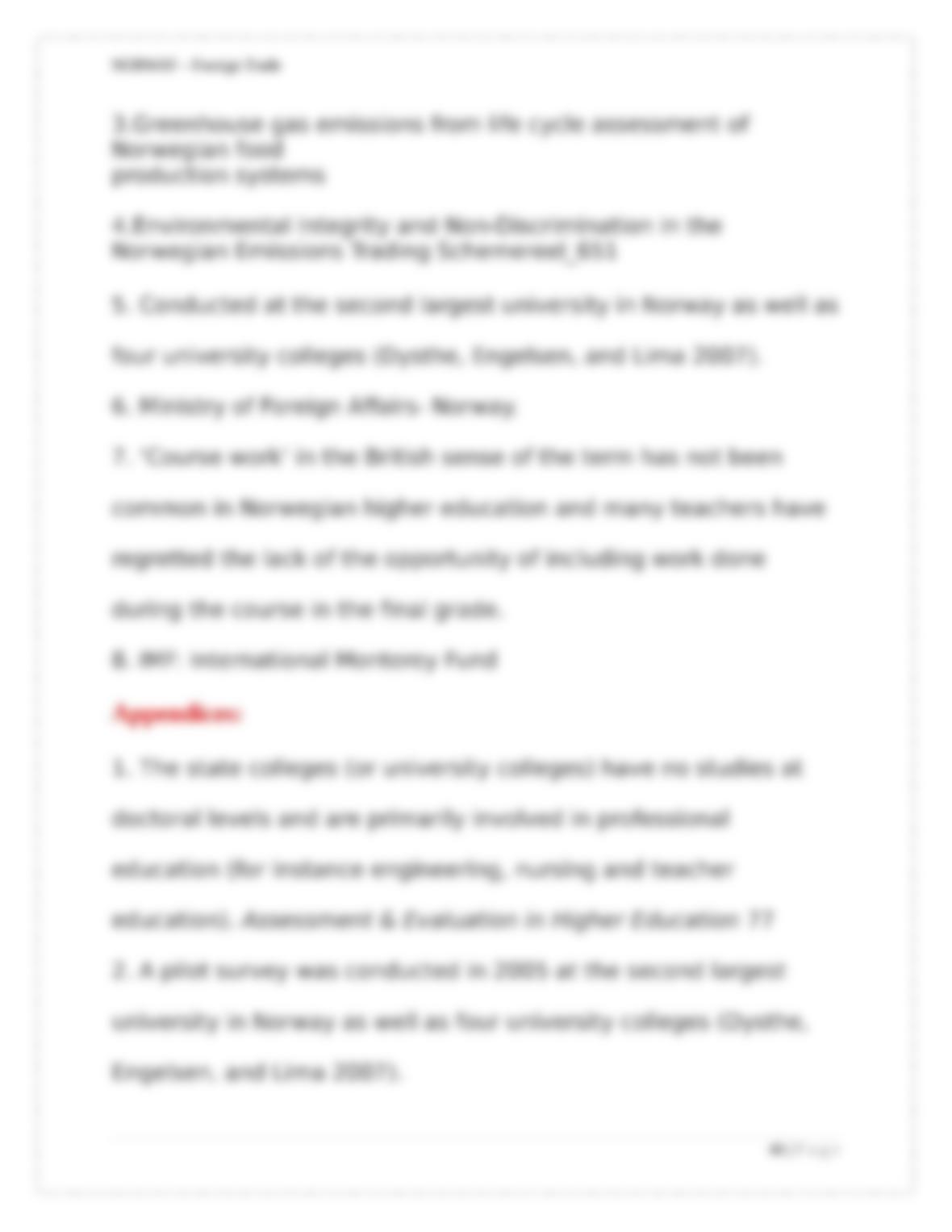
Image-1(Source BBC): Natural gas is a major source of Norway’s wealth
Table of content
1. Executive Summary ………………..…………………………………………………..4
2. introduction……………………………………………………………………………..5-10
3. Methodology…………………………………………………………………..………14
3.1 Gross domestic product……………………………………………………….……..14
3.2 Monetary policy………………………………………………………………………15
3.3 Fiscal Policy………………………………………………………………………….15
3.4 Natural recources…………………………………………..…………..………….16-19
3.5 Free TradeAgreement………..…………………………………..………….…….19-20
3.6 Tariff……………………………….……………………….………….………….20-21
3.7 Agricultural, industry & sustainability……………….………………..…………22-25
3.8 Globalization & MNC………………………………………………………….…26-27
3.9 Subsidiary strategy……………………………………………………….……..27-29
3.10 Education ……………………………………………………………………29-30
3.11 Foreign Trade policy…………………………………………………….…..31-39
4. Analysis………………………………………………………………………………39-42
5. Coclusion ……………………….…………………………………………………….42-43
6. Recommendations ………………..……………………………………………………44
7. References ……………………………………………………………………………45-46
8. Bibliography ………………………….…………………………………………….46-47
2 | P a g e

NORWAY – Foreign Trade
9. Appendices……………………………………………………………………………47
Executive Summary:
Europe’s northernmost country, the Kingdom of Norway is famed for its
mountains and spectacular fjord coastline, as well as its history as a seafaring
power. It also enjoys one of the highest standards of living in the world, in large
part due to the discovery in the late 1960s of offshore oil and gas deposits.
Norway’s annual oil revenue amounts to around $40bn (£21bn), and more
than half of its exports come from this sector. To counter inflation, spending of oil
revenue was restricted. The considerable surplus is invested in a sovereign wealth
fund, estimated in 2009 at $400bn.What to do with the money is one of the
country’s most contentious political issues. The centre-right want more of it to be
used to fund infrastructure improvements, while the centre-left wants to keep it
invested for future generations.
A country’s foreign trade policy can serve as an important instrument, affecting all
constituents of sustainable development: the dynamics and quality of economic
growth, human well-being, and environmental conditions, – in the country itself as
well as its partner states.[Dysthe, 2007]
3 | P a g e

NORWAY – Foreign Trade
The objectives of this assessment are :
To analyze basic trends in Norway’s foreign trade policy and to evaluate
their influence on sustainable development
Tariff and Non tariff barriers
Numerical export/import control
Subsidies
Free trade zones
Controlling unfair trade practices
Globalization
4 | P a g e

NORWAY – Foreign Trade
Introduction
Norway is a Scandinavian country that lies to the north of continental
Europe on the western seaboard. It has a border to the east with Sweden, but also
has a shorter border in the north with Finland and another in the far north with
Russia. Norway also has administrative responsibility for the territories of Svalbard
and Jan Mayen and asserts a territorial claim in Antarctica .there are three official
languages in Norway – Bokmål and Nynorsk are used throughout Norway and
Sami is found in the north. However, most Norwegians also speak some English
and many speak excellent English.
The country is generally rugged, with a high central plateau dissected by
deep, long, narrow fjords and fertile valleys. The south-west [Vestlandet] in
contrast, is generally of much lower elevation and much less rugged. This area is
very important agriculturally. As the percentage of arable land in the country is
only 3% of the total, the significance of the region to the agricultural output of the
country can be appreciated.
Norway is an hereditary constitutional monarchy with a democratically
elected government. The country gained its independence in 1905, celebrated on its
5 | P a g e

NORWAY – Foreign Trade
national day on May 17. The constitution is from 1814. The Head of State is King
Harald V. Although the monarch’s position is largely ceremonial, the Government –
Council of Ministers or Regering [Kings’ Council]- is selected from the members
of The Parliament [Storting.] The Storting has 165 members. The national
government operates through Departments of State – Defence, Foreign Affairs, etc.
Local government is organised into Counties [19 Fylke]and Local Authorities
[Kommune.] Elections are held every four years and selection is by a complicated
system of proportional representation; there is universal sufferage at 18.
Norway voted against EU membership in a 1994 referendum. However,
except for agriculture and fisheries, Norway enjoys free trade with the EU under
the EEA agreement. Many of the EU’s directives on goods, persons, services and
capital have been adopted by Norway. The country is not a member of the
Economic and Monetary Union and does not have a fixed exchange rate, although
government policy has been to align the Norwegian krone with European
currencies, now the Euro.
The unit of currency is the Norwegian Krone [NOK, Kr] of 100 øre.
However, as the smallest coin is the 50 øre piece, prices in shops are rounded up or
down to the nearest 50 øre. GDP in 2003 [est] was $171.6 billion with a growth
rate of 0.6%. Norway is one of the world’s richest countries in per capita terms. A
net exporter of oil and gas, the third largest exporter of oil after Saudi Arabia and
6 | P a g e

NORWAY – Foreign Trade
Russia. Norway has established a ‘Petroleum Fund’ [Oljefond] using the excess
revenues from its oil and gas resources. The Fund stood at $ 119 billion in 2004,
but Norway has still been able to expand its social welfare system.
Employment by sector: Services 74%; industry 22%; agriculture, forestry &
fishing 4%.
GDP by sector: Services 61.2%; industry 36.2%; agriculture 2.5%.
Natural resources: Oil, gas, fish, timber, hydroelectric power, mineral ores.
Agricultural Products: dairy, livestock, grain [barley, oats, wheat], potatoes and
other vegetables, fruits and berries, furs, wool.
Industry: Petroleum and gas, refinery products, food processing, shipbuilding,
pulp and paper products, hydro electric power, metals [zinc, aluminium, nickel],
fertilizers, timber, mining, textiles, electronics, fishing, fish farming.
The climate in Norway shows quite marked regional variations. Along the
coast, even in the far north-west, the maritime Gulf Stream influence produces a
somewhat milder climate than further inland with wet winters and warm summers.
Inland and to the east the climate is more extreme, with heavy winter snowfall over
the whole of the inner plateau and hot, dry summers. In the north, and on the high
7 | P a g e

NORWAY – Foreign Trade
ground, winter snows can last well into early summer months. Remember also that
much of Norway is the land of the midnight sun during the summer, so summer
days can be both hot and long. Conversely, in the winter the days are short – and
the land of the
Norway’s health system includes free hospital care, cash benefits during
illness and pregnancy, and other medical and dental plans. Emergency treatment is
available at hospitals and at the ‘legevakt’ – emergency treatment centre, staffed by
a doctor. However, these are not always open 24hrs and are sometimes difficult to
locate. For EU citizens, the relevant health care document should be carried [E111
or its equivalent.] Outside the major towns and cities there may be a considerable
distance between treatment centers. A charge is made for consultations, treatment
and prescriptions. Most medicine is only available from a chemist / pharmacy
[apotek], though there are limited supplies of some common pain relievers
[parcetamol, for example] at supermarkets.
The Norwegian legal system is headed by the special High Court of the
Realm that is the only court qualified to hear impeachment cases. The normal court
system includes the Supreme Court [17 permanent judges and a president], courts
of appeal, city and county courts, an industrial relations court, and conciliation /
arbitration councils. There is a great emphasis in the lower courts on seeking a
8 | P a g e

NORWAY – Foreign Trade
settlement agreeable to both parties, often involving the payment of compensation.
However, for many offences a prison sentence is possible, though punishment and
rehabilitation is a major theme.
Public transport is very good, with regular bus services covering all urban
areas, the wider countryside and linking all major centre. The railway system is
somewhat limited, but the trains are fast and the service efficient. The roads are
generally good, especially in or around urban areas. Remember, however, that
there are many toll roads in Norway [the tolls being used to finance road
improvements.] As journey times by road or rail can be excessive, most
Norwegians, and all business travellers, prefer to hop on a plane. Almost any place
in Norway can be reached via an internal flight. The service is frequent and
reliable, though some routes are not direct and involve a trip via Oslo or Stavanger,
leading to an increase in both cost and journey times.
9 | P a g e

NORWAY – Foreign Trade
Theoretical framework
My research perspective is social cultural. A basic premise in social cultural
theory is that learning and assessment practices are always deeply embedded in
social contexts and that different contexts afford certain practices and constrain
others.
This is relevant for the discussion of our survey findings. In order to
structure our discussion of what factors have influenced portfolio practices, I
have chosen to use the tripartite division of macro, macro and micro levels. By
‘macro level’ in this article we first of all mean the political policy level that gives
top-down signals and directions. This is particularly important in Norway because
higher education has always been under strong national regulation. But ‘macro’ is