Best Practices for Systems
Integration
November 2011
Presented by
Pete Houser
Manager for Engineering & Product Excellence
Northrop Grumman Corporation
Copyright © 2011 Northrop Grumman Systems Corporation. All rights reserved. Log #DSD–11–78

Systems Integration Definition
•Systems Integration (SI) is one aspect of the Systems Engineering, Integration, and Test
(SEIT) process. SI must be integrated within the overall SEIT structure.
•Systems Integration is the process of:
–Assembling the constituent parts of a system in a logical, cost-effective way,
comprehensively checking system execution (all nominal & exceptional paths),
and including a full functional check–out.
•Systems Test is the process of:
–Verifying that the system meets its requirements, and
–Validating that the system performs in accordance with the customer/user expectations
•Across Dod Programs, systems integration experiences have been erratic (at best). In many
cases:
–Programs do not define dedicated Integration Engineers.
–Immature system is passed to the Test organization for concurrent Integration and Test.
–Program budget is exceeded because Integration was not separately estimated.
Copyright © 2011 Northrop Grumman Systems Corporation. All rights reserved. Log #DSD–11–78
Systems Integration Issues
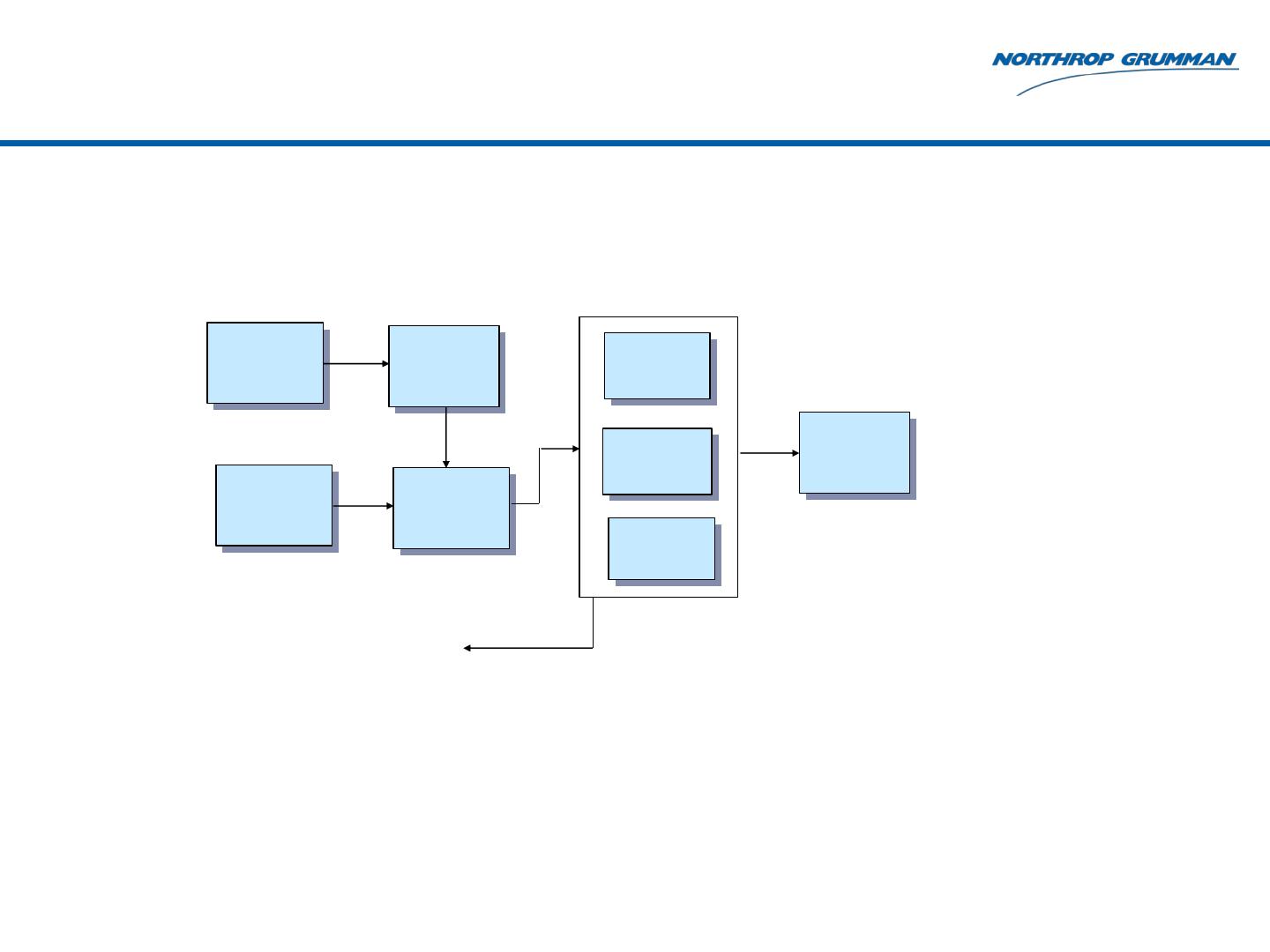
•When executed as a distinct process, Systems Integration has historically followed the “big bang” model shown
below.
–All of the components arrive more–or-less simultaneously (usually late) in the Integration Lab.
–The Integration engineers arrive more–or-less simultaneously then try to make each piece work.
–Test gets the system when everything is working, or delivery minus – 1 day, whichever comes first.
•Many symptoms illustrate that this process is flawed:
–Integration starts late because of late components, resulting in a flawed and immature delivery.
–Integration is expected to occur instantaneously, feeding an abbreviated and incomplete Test process, in order to
recover schedule and meet the delivery deadline.
–Focus is on components rather than system capabilities;
the Integration team rarely understands the overall system concepts.
–Integration starts when the hardware and software are ready,
so it uses the delivered hardware and software for all activities.
Collect required
hardware
Integrate
hardware
platform
Compile and
link software
sub-systems
Integrate
software on
target hardware
Interface
testing
System
testing
Stress
testing
System testing
Acceptance
testing
Problems require new
design and development
Copyright © 2011 Northrop Grumman Systems Corporation. All rights reserved. Log #DSD–11–78

Recommended Process Changes
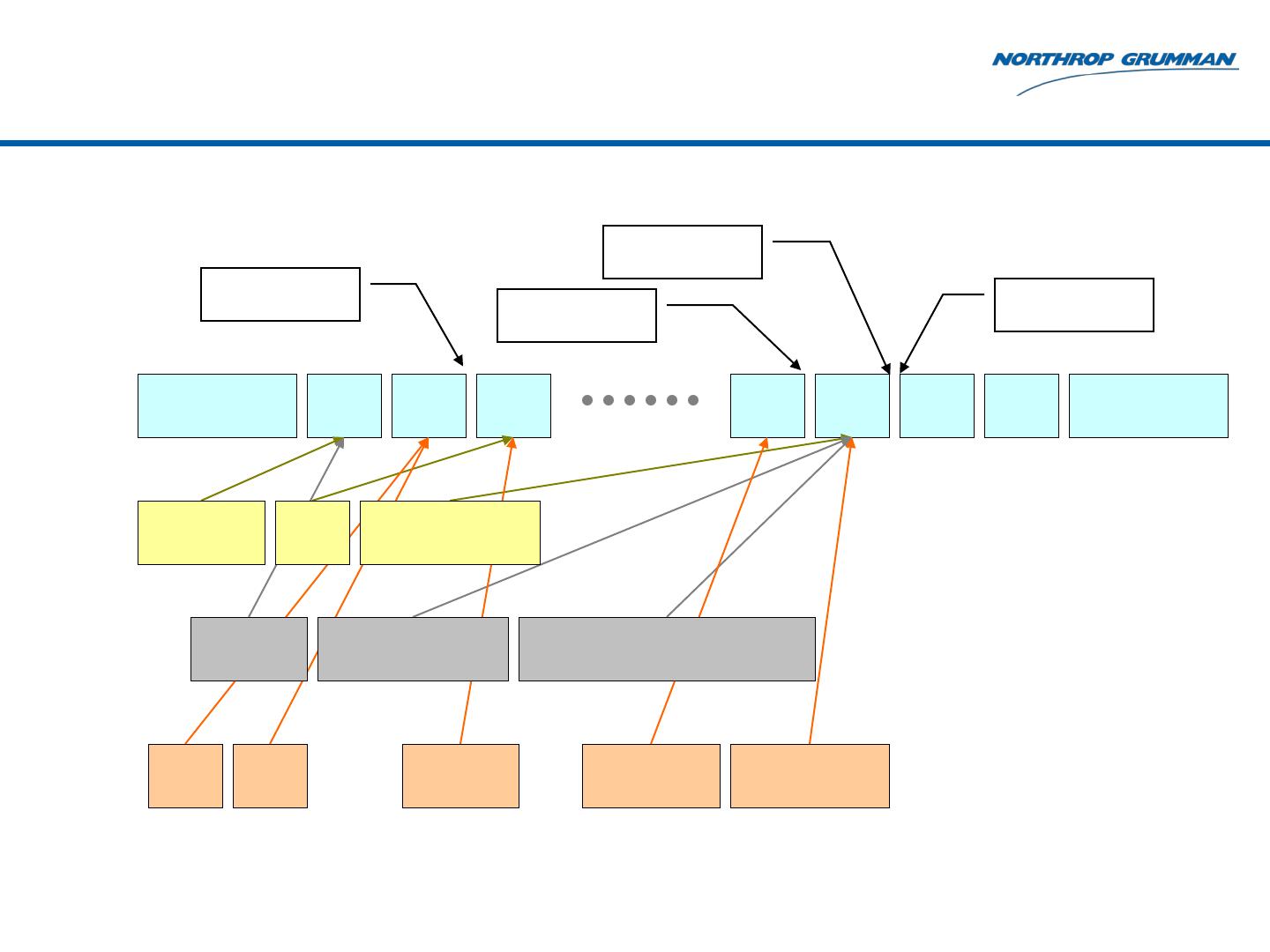
1. Adopt a Continuous Integration model rather than a Big Bang Integration model.
Establish an Integration rhythm that is essentially independent of the development team.
2. Manage system integration and system test based upon subsystems that can be end-to-end tested against system level
requirements; manage system design & development based upon components that can be independently developed and
checked.
3. Create a Systems Integration team of Responsible Engineers that knows the entire system and follows the program from
Requirements Definition through Acceptance Testing and Operations. Design and Test engineers provide required support
to REs during integration.
4. Create a System Architecture Skeleton (SAS) very early in the program and use it as the framework for Subsystem
Integration as components are added incrementally
5. Define a Configuration Management process such that the System Integration and Configuration Management Teams build
and control the hardware & software configurations.
6. Develop component and subsystem specifications to the extent that they are needed
in order to define component checkout & subsystem verification procedures.
7. Perform component-level checkout to satisfy Integration entry criteria.
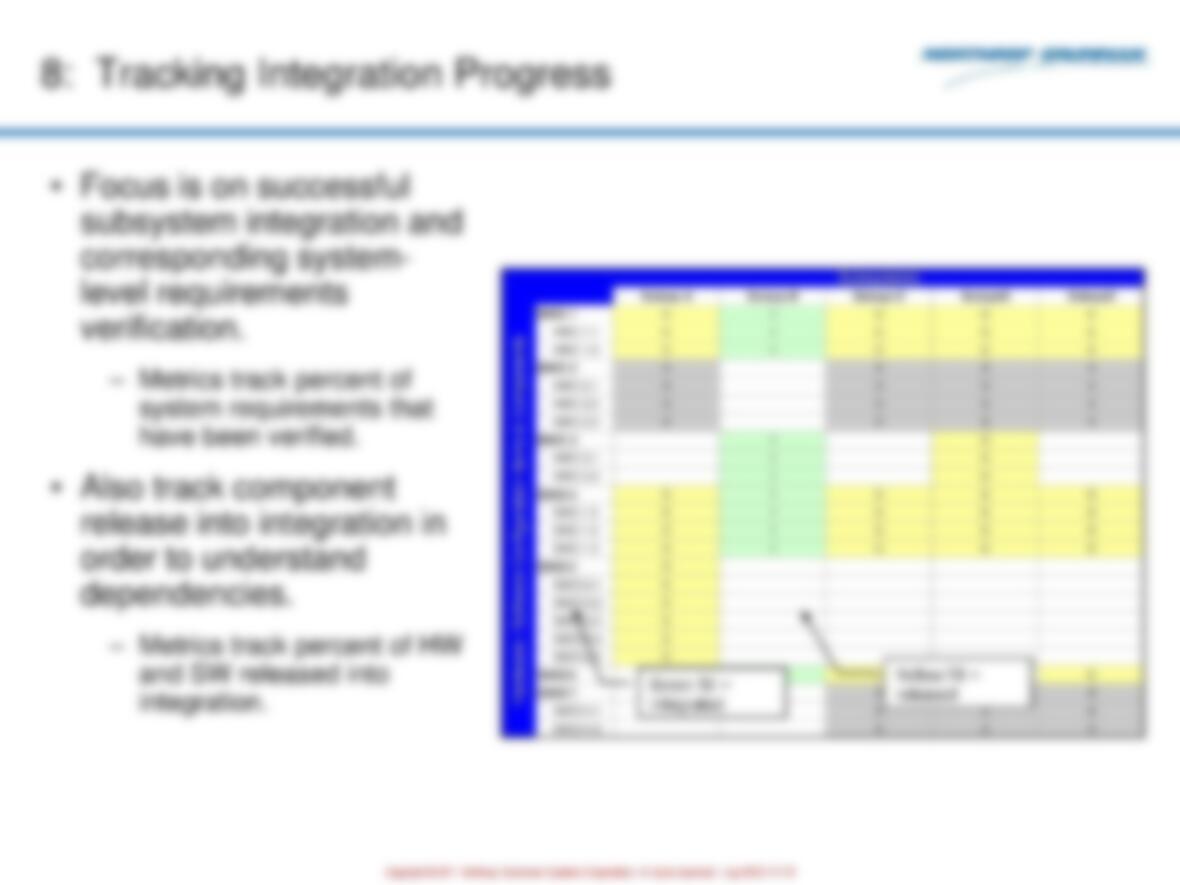
8. Track integration progress based upon completing subsystems that have been
verified end-to-end against system-level requirements.
9. Continuously perform regression testing; create internal and/or external automated test tools that greatly reduce the
emphasis on man-in-the-loop testing.
10. Augment requirements-driven testing with stress testing and long mission threads testing in order to promote a robust
system.
Copyright © 2011 Northrop Grumman Systems Corporation. All rights reserved. Log #DSD-11–78
1: Continuous Integration Model
Create SAS
Build
Integrate
Test
Build
Integrate
Test
Build
Integrate
Test
Build
Integrate
Test
Build
Integrate
Test
Build
Integrate
Test
Acceptance Test
Develop
& Fab
HW Item
Develop
& Fab
HW Item
Develop
& Fab
HW item
Develop
& Fab
HW Item
Develop
& Fab
HW Item
Develop
SW item
Develop
SW Item
Develop
SW Item
Purchase
Item
Purchase
Item
Purchase
Item
Subsystem #1
integrated Subsystem #2
integrated
Subsystem #3
integrated
Build
Integrate
Test
Full System
Integration
Copyright © 2011 Northrop Grumman Systems Corporation. All rights reserved. Log #DSD–11–78
2: Increased Subsystem Emphasis
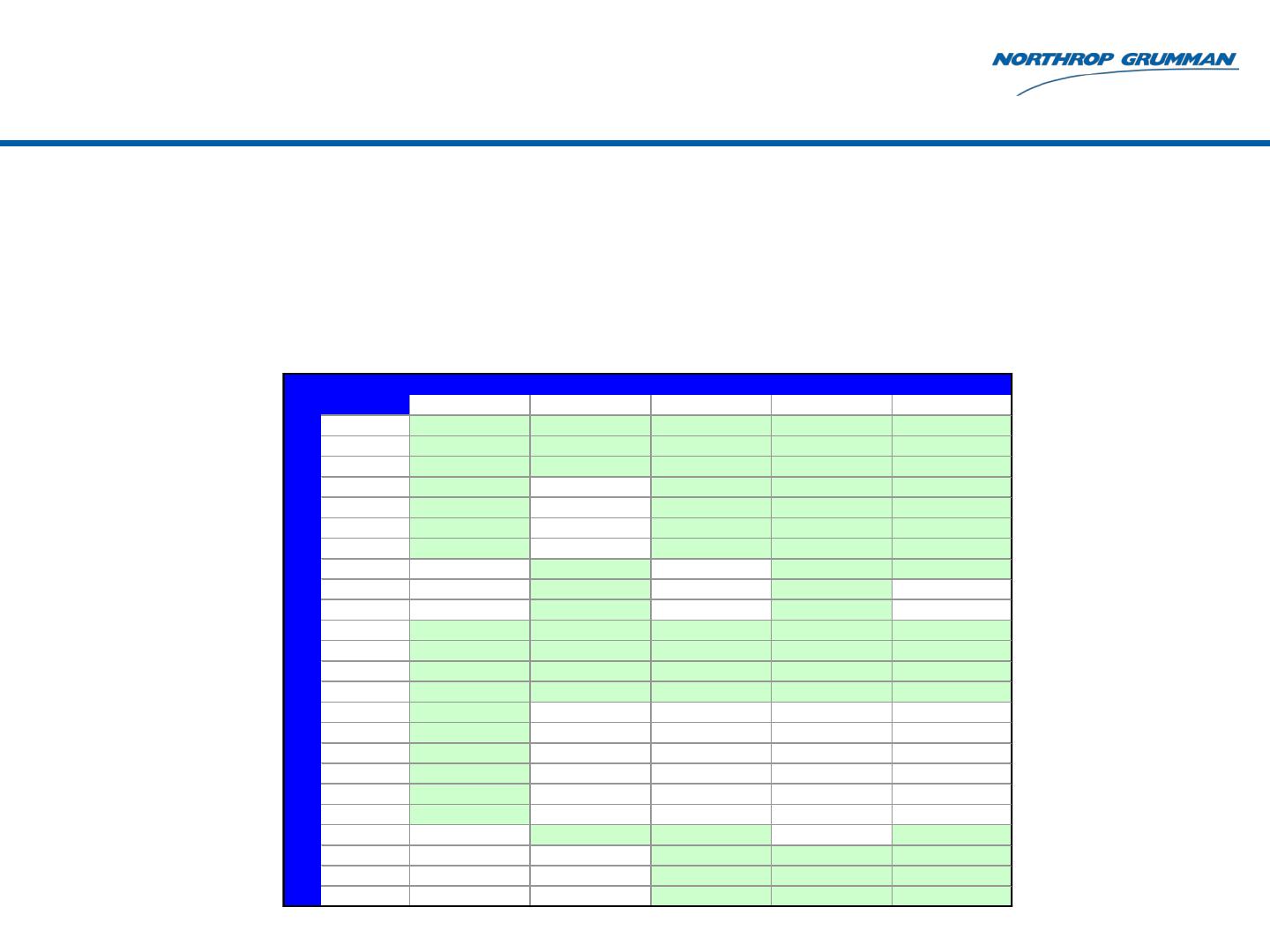
•A subsystem is an end-to-end functional thread through the system that
satisfies a set of system-level requirements for capabilities and performance.
•A subsystem corresponds to a subset of the overall system physical
implementation.
Subsys A Subsys B Subsys C SubsysD SubsysE
HWCI 1 X X X X X
HWC 1.1 X X X X X
HWC 1.2 X X X X X
HWCI 2 X X X X
HWC 2.1 X X X X
HWC 2.2 X X X X
HWC 2.3 X X X X
HWCI 3 X X X
HWC 3.1 X X
HWC 3.2 X X
SWCI 4 X X X X X
SWC 1.2 X X X X X
SWC 1.2 X X X X X
SWC 1.3 X X X X X
SWCI 5 X
SWCI 2.1 X
SWCI 2.2 X
SWCI 2.3 X
SWCI 2.4 X
SWCI 2.5 X
SWCI 6 X X X
SWCI 7 X X X
SWCI 4.1 X X X
SWCI 4.2 X X X
Hardware / Software Configuration Items & Components
Subsystems
Copyright © 2011 Northrop Grumman Systems Corporation. All rights reserved. Log #DSD–11–78
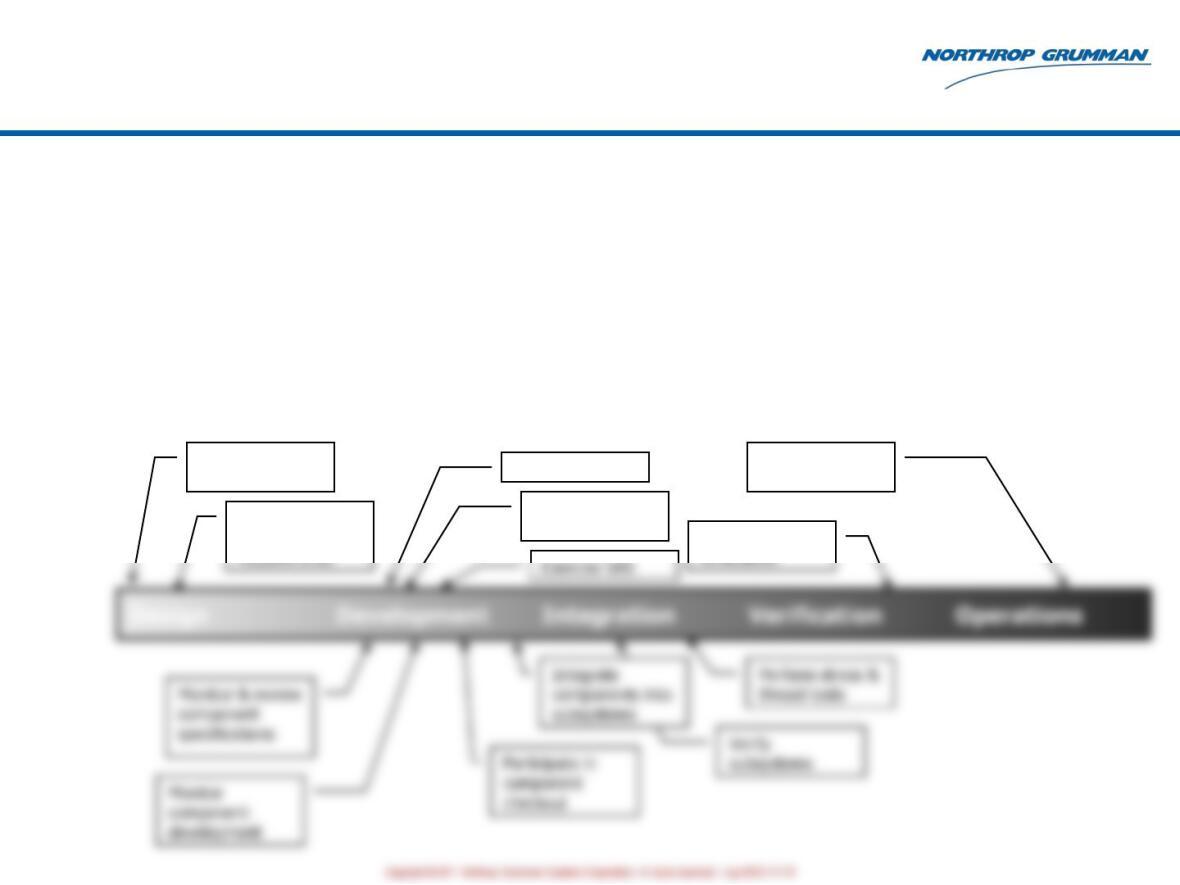
3: System Integration Team Composition
•Sys Integ Team should be composed of Responsible Engineers (REs), each of whom owns one or more subsystems.
• Each RE is responsible for successfully fielding their subsystem’s capabilities.
•RE responsibilities encompass entire program, from System Specification through fielding, including all HW and SW
components and all suppliers.
•System Integration team uses internal Team funding for integration activities, and uses other program funding when
supporting other activities. System Integration also funds engineers who support the System Integration process.
Validate system
requirements
Identify
subsystem
Establish SAS
Establish Build
process
Participate in
Participate in
operations