MNGT 416: Organizational Behavior
Study Guide for Midterm Exam
Chapter 5: Motivation at Work
1. Define Motivation is a process that starts with physiological or psychological
deficiency or need that activates a behavior or a drive that is aimed at a goal or
incentive
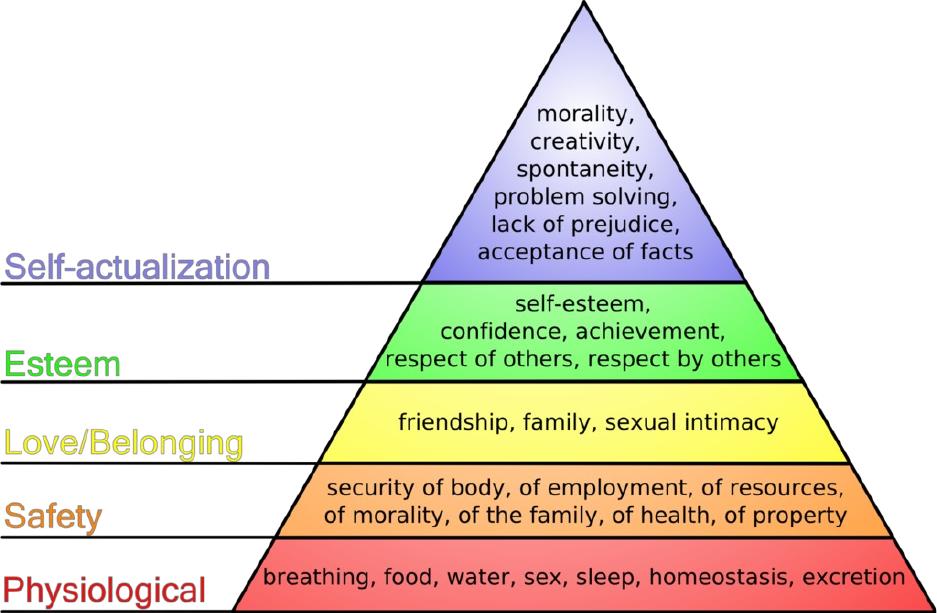
2. Maslow’s Need Hierarchy
1. McClelland’s Need Theory
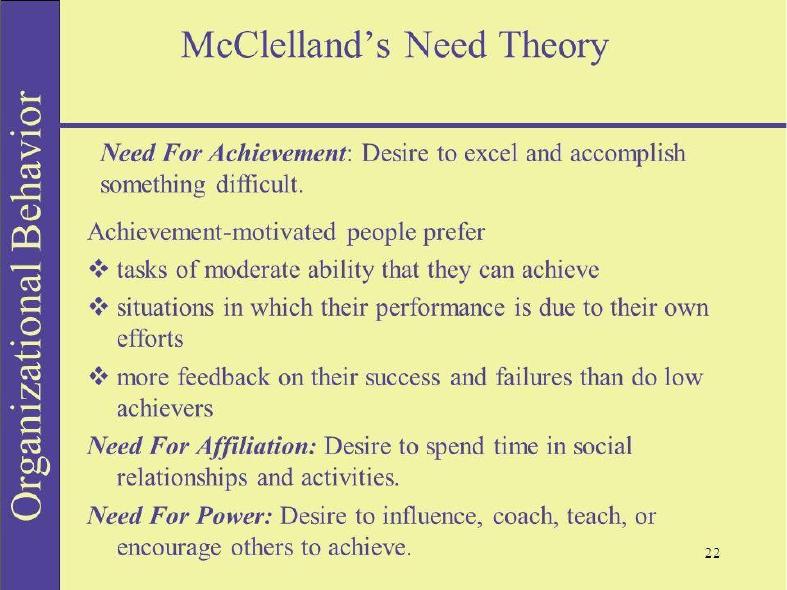
Three categories of needs
Achievement
Power
Affiliation
* McClelland’s three needs mainly correspond to the higher levels in Maslow’s hierarchy
and that people differ across these needs, while the lower level needs are shared by
everyone.
Critique of the Two-Factor Theory
Pro’s
•The theory is supported with considerable empirical data and is included in other
research that is supportive of the original hypothesis.
•Recognizes the fact that motivation comes from within the individual as opposed to
any external factors.
•The Two Factor Theory Provides practical solutions for organizations.
Con’s
•Research methodology is criticized.
•Doesn’t consider individual personalities with regards to motivating or hygiene
factors.
•Doesn’t provide a motivational value for each motivator
4. Two New Ideas in Motivation (Eustress)
5. Adam’s Theory of Inequity
7. Expectancy Theory of Motivation (Instrumentality)
8. Expectancy Theory of Motivation (Valence)
Chapter 8: Communication
1. Interpersonal Communication
2. Perceptual Screen
3. Reflective Listening
4. Barriers to communication
5. Define Incivility
6. Nonverbal communications
7. Nonverbal communications
8. Polyphasic activity
Chapter 9: Work Teams and Groups
1. Groups and Work Teams
2. Social Loafing
3. Group Formation and Development
4. Stages of Group Development
5. Stages of Group Development
6. Two sets of social benefits available to team or group members
7. Self-managed Teams
8. Upper Echelons Theory
9. Explain the “Wild Turkey” Concept