Mergers & Acquisitions Overview
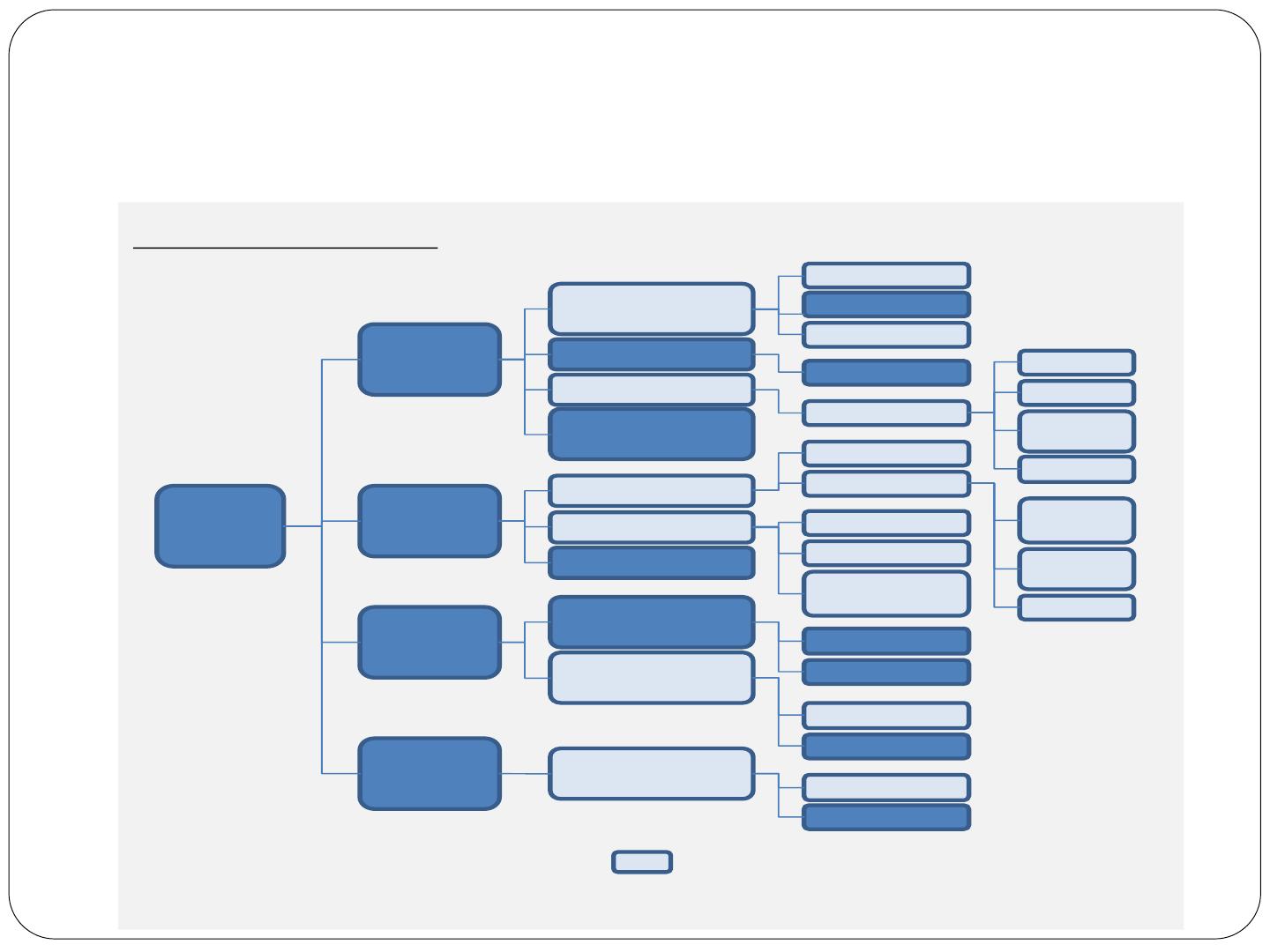
Investment Banker’s Template
Investment Banker’s Template1
Note 1: Some firms co-invest with corporate clients to facilitate M&A transactions.
Maximize
shareholder
value
Enhance
operating
performance
Optimize
capital
structure
Improve
investor
understanding
Implement
appropriate
takeover
protection
Undertake strategic
acquisition / expansion
Invest in core business
Clarify core business mix
Improve efficiency /
organize personnel
Strengthen dialogue with
analysts/investors;
Manage expectations
Change dividend policy
Repurchase shares
Raise Capital
Highlight segment
results
Adopt / update
structural defenses
Acquisition
Joint venture
Divestiture
LBO / recap
Partial
Debt securities
Equity securities
Convertible or
preferred securities
Partial sale
Structural
Start–up
Capital projects
Special dividend
Adjust over time
Increased disclosure
Legal
Sale
Spin-off
100% IPO /
carve-out
Tracking stock
Fixed-price
tender
Dutch
auction
Open market
Designates activities in which an investment bank plays a
role and may receive fees for its involvement

Strategic Rationale, Control
Premium and Synergies
Before undertaking an acquisition or merger, a strategic rationale should be
determined that results in an immediate or near-term increase in shareholder
value
This is accomplished if the transaction projects an increase in EPS, ROE,
and/or ROIC, while potentially reducing cost of capital and expanding trading
multiples
A key component in determining if a transaction is strategically justifiable is the
analysis of synergies
Synergies include cost synergies (most reliable) and revenue synergies
In an acquisition, control premium is the percentage difference between the
price an acquirer will pay to purchase control of a target company compared to
the price for owning a minority share (non control) position
The purchase price premium (to the target’s current share price) in an
acquisition is determined based on consideration of synergies and control
premium

M&A Objectives and Considerations
•One of the key objectives in an acquisition or merger is to achieve cost savings
through economies of scale (sharing central services such as legal, accounting,
finance, and executive management) and reduction of redundant assets (real
estate, corporate jets, etc.)
•Before entering into a transaction, companies typically compare the costs, risks
and benefits of an acquisition or merger with their organic opportunity (a
“Greenfield analysis”)
•This buy versus build analysis is an important departure point for a company as
it begins to think about a transaction. Is it better to build a brand, geographic
coverage, distribution network, installed base of products or services, and
relationships, or is it better to acquire them?
•The inverse decision –whether to sell –is an analysis that asks whether the
benefits of continuing to operate an asset is a better risk-adjusted option than
monetizing the asset (for cash or stock of the acquirer)

Key Parameters for Evaluating M&A Opportunities
Strategic fit with business strategy
Management team and asset quality
Synergy potential
Ease of integration
Margins, earnings, ROIC and credit ratings impact, and other
financial attributes
Price/valuation
Regulatory risk

Principal Constituents in an M&A Transaction
•Shareholders: concerned about valuation, control, risk and tax issues
•Employees: focus on compensation, termination risk and employee benefits
•Regulators: must be persuaded that anti-trust, tax and securities laws are
adhered to
•Union leaders: worry about job retention and seniority issues
•Credit rating agencies: focus on credit quality issues
•Politicians: they get involved if constituent jobs and tax base are at risk
•Equity research analysts: focus principally on growth, margins, market share
and EPS
•Debt holders: consider whether debt will be increased, retired, or if there is
potential for changing debt values
Break-up Fee
A break-up fee is paid if a transaction is not completed because a
target company walks away from the transaction after a merger
agreement or stock purchase agreement is signed
This fee is designed to discourage other companies from making