1.0 Introduction
In recent years, global agricultural trade and its impact on developing countries have received
increasing attention. Agricultural trade plays an important role in the sustainability of global
and regional food systems. Trade between countries shifts food from surplus areas to shortage
areas. It helps increase the variety of products offered. Without trade, the pressure on local
and national food systems to provide citizens with food security will be greater, and will
impose a heavy burden on natural resources and government budgets. (Ken and Jared, 2014).
This essay will critically evaluate on the statement of internal and external challenges faced
by developing countries in importing and exporting the agricultural products.
2.0 Internal Challenges in Developing Countries
2.1 Poor infrastructure
Poor roads condition cause the increase of logistic cost and are accountable for 32% of total
export costs of soybean which completely flattened the advantage of Mato Grosso’s lowest-
cost production in Brazil. By comparing with United States, Soybean transport costs in Brazil
are estimated to be seven times larger (Arias et al. 2017), as a result, when transportation cost
increase, the price of soybean products increase and it will lead to less attractive to buyers.
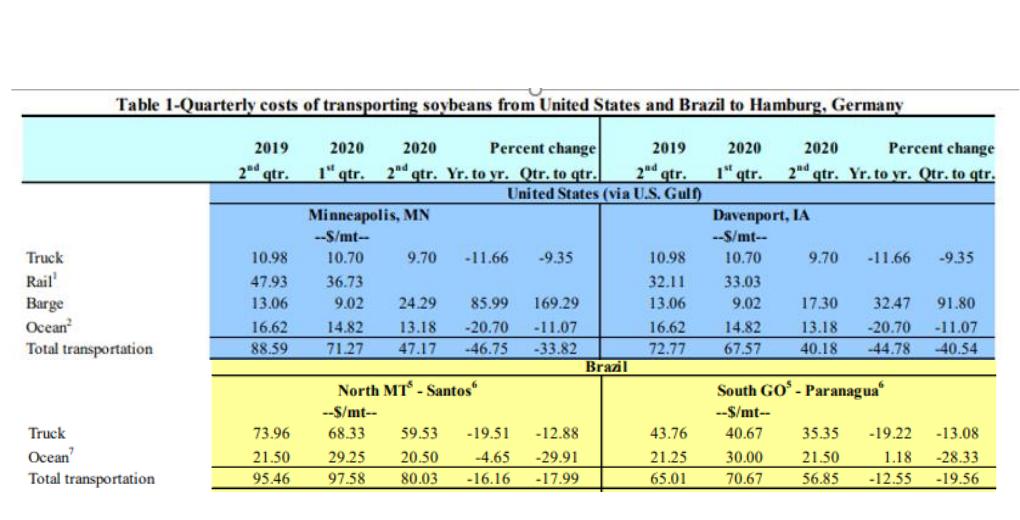
Figure 2, and 3 shows the transportation cost to Germany and China in 2020.
Figure 2: Transportation Cost of US and Brazil to Germany (USDA, 2020)
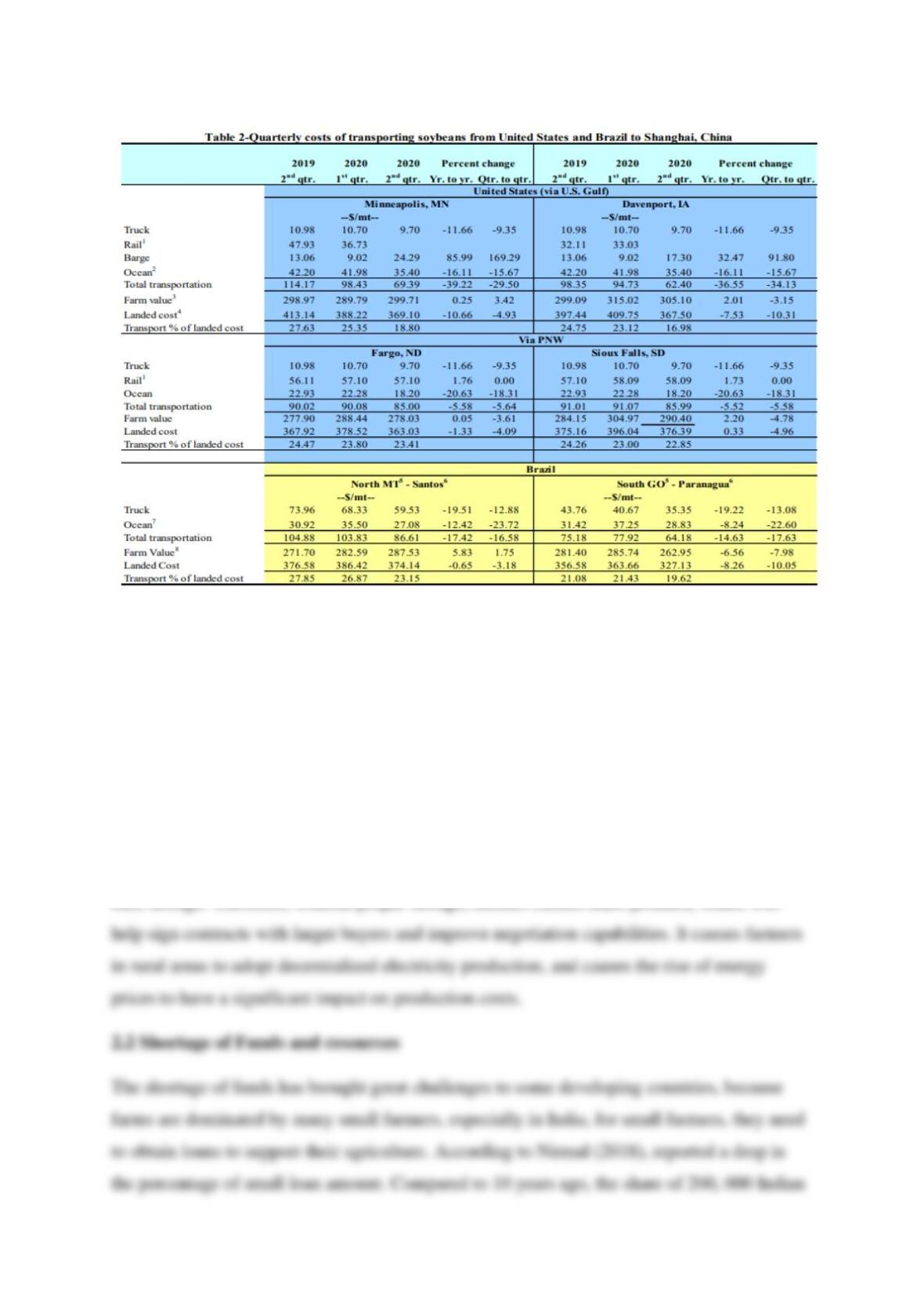
Figure 3: Transportation Cost of US and Brazil to China (USDA, 2020)
The shortage of cold and dry storage facilities appears to be the main challenge facing
developing countries in global trade, partly due to high post-harvest losses related to
corruption, as well as low-quality packaging and inefficient handling and transportation.
USAID (2011) estimates that post-harvest losses related to poor storage represent
approximately 20% of market logistics costs and more than 85% of avoidable market costs in
West Africa. (Moïsé, E. et al. 2013). In Bangladesh, it is also facing a similar challenge, that
is, the lack of high-quality warehouses to store grain in high-quality conditions, which limits