Page 1
A.P. Dr. Shahrul Kamaruddin
Manufacturing Technology II MDB 3073
May 2017
Manufacturing Technology II (MDB 3073)
A.P. Dr. Shahrul Kamaruddin Extension: 7169 Room 17.03.31
ASSESSMENT
•Course Work 50%
Quizzes: 5%
Individual Assignments: 5%
Group Project: 10%
Test 1 & 2: 30%
Final Examination : 50%
•Total : 100%
Page 2
A.P. Dr. Shahrul Kamaruddin
Manufacturing Technology II MDB 3073
May 2017
EXPECTATIONS
•Punctuality is expected. Attending lectures is compulsory. Exceptions are only for
those with valid and legitimate reasons (i.e. accept MC from UTP Clinic only) ; and
MUST be informed ahead of time. Students who are absent for more than 10%of
the total hours, without prior written permission, may be barred from sitting the
final examination.
•You are expected to purchase and READ the required textbook.
•Bring a calculator for class/tutorial activities.
•Late submission of work will not be graded.
•Academic dishonesty would be severely penalized.
Page 3
A.P. Dr. Shahrul Kamaruddin
Manufacturing Technology II MDB 3073
May 2017
REFERENCES
•Kalpakjian, Schmid and Sekar (2014), Manufacturing Engineering
and Technology: Seventh Edition, Pearson.
•Groover (2016), Automation, Production Systems and Computer
Integrated Manufacturing: Fourth Edition, Pearson
Page 4
A.P. Dr. Shahrul Kamaruddin
Manufacturing Technology II MDB 3073
May 2017
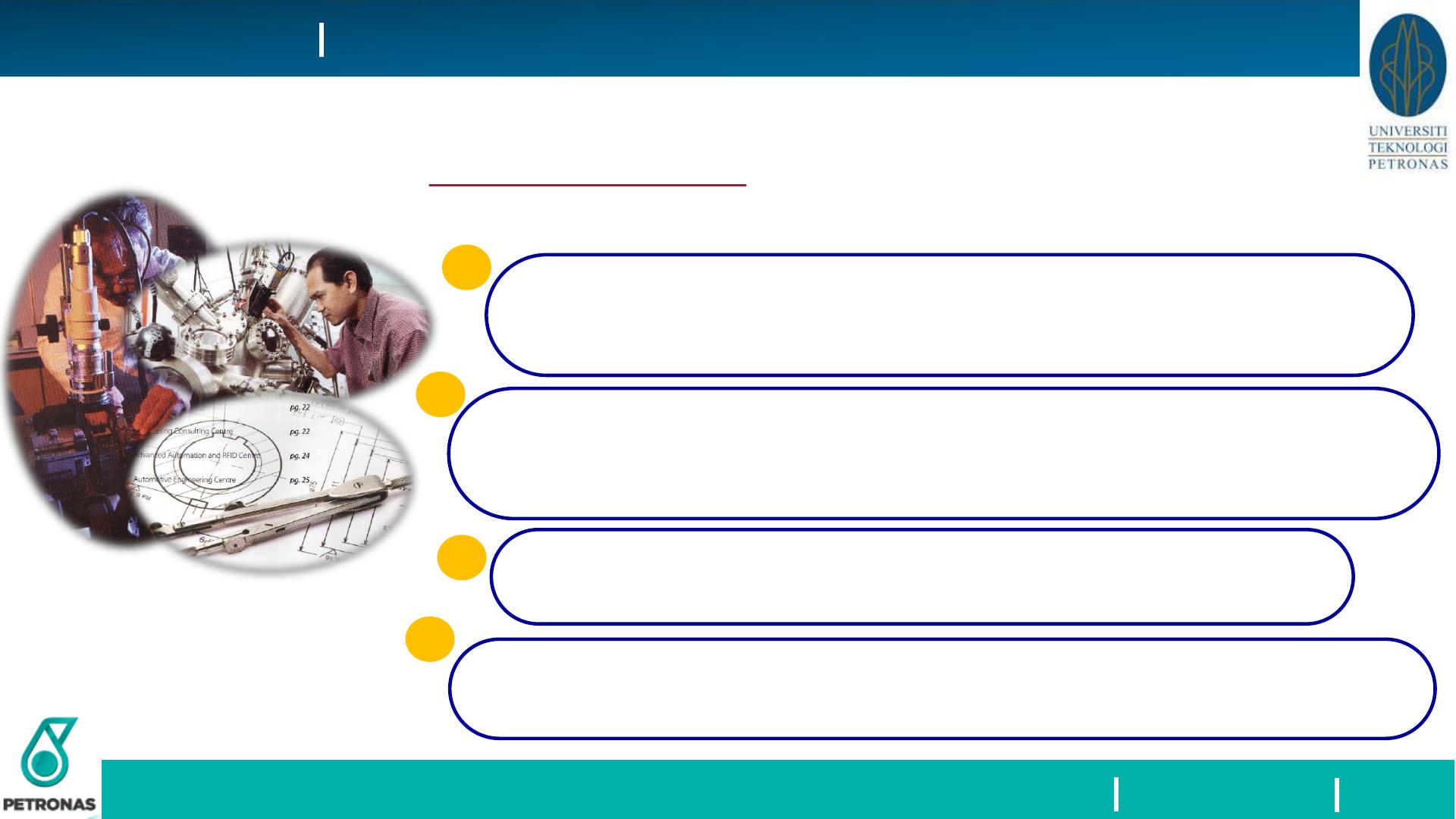
Course Outcomes
:
At the end of the course, the students should be able to:
Analyze performance of manufacturing processes using the
available analytical techniques.
Apply the quality control principles in manufacturing.
3
4
Differentiate various techniques used in the processing of
metals, polymers, glass, ceramics and composites.
1
Review various surface treatments and coatings that can be
performed for technical and aesthetic reasons subsequent to
manufacturing a part.
2
Students will be assessed using Bloom’s Taxonomy:
1. Cognitive/Knowledge
2. Affective/Attitude
3. Psychomotor/Skill
Manufacturing Technology II (MDB 3073)
Page 5
A.P. Dr. Shahrul Kamaruddin
Manufacturing Technology II MDB 3073
May 2017
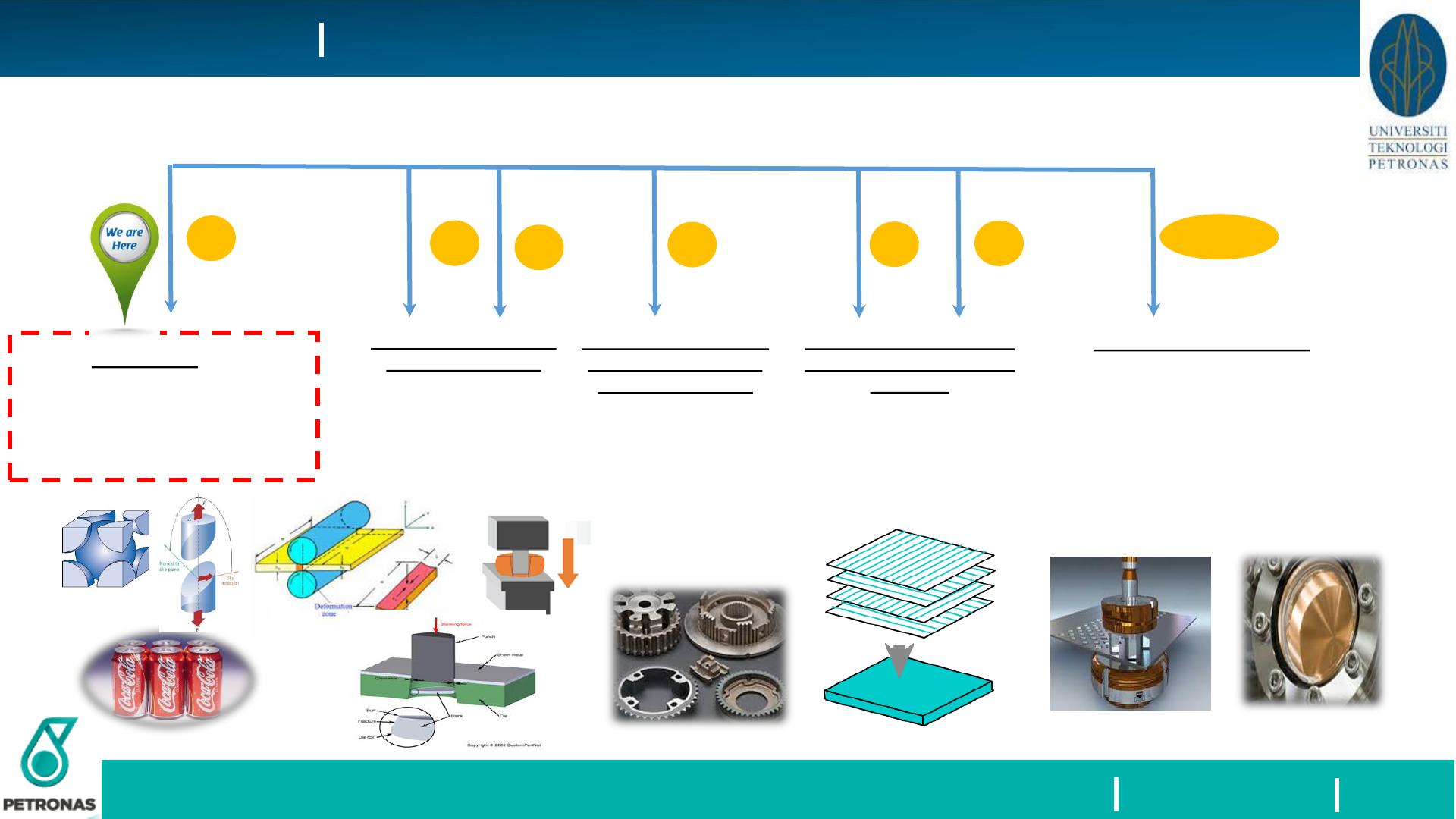
Manufacturing Technology II (Lesson Plan)
Introduction
Fundamental of materials:
Behaviour and manufacturing
properties
WEEK 1
12
Forming and Shaping
of Ceramic, Glasses
and Metal Powder
Shaping ceramics
Forming and shaping
of glasses
Strengthening and
annealing glasses
WEEK 4
4
Forming and Shaping of
Plastics and Composite
Materials
Injection molding
Extrusion
Processing of metal
matrix composites
WEEK 5 and 6
5
Forming and shaping
process of metals
Rolling of metals
Forging of metals
Shearing
Bending and drawing
WEEK 2 and 3
68 –14
3
Manufacturing Operation
Manufacturing industries and
products
Product / production relationships
Production concepts and
mathematical models
Cellular Manufacturing
WEEK 8 – 14
Page 6
A.P. Dr. Shahrul Kamaruddin
Manufacturing Technology II MDB 3073
May 2017
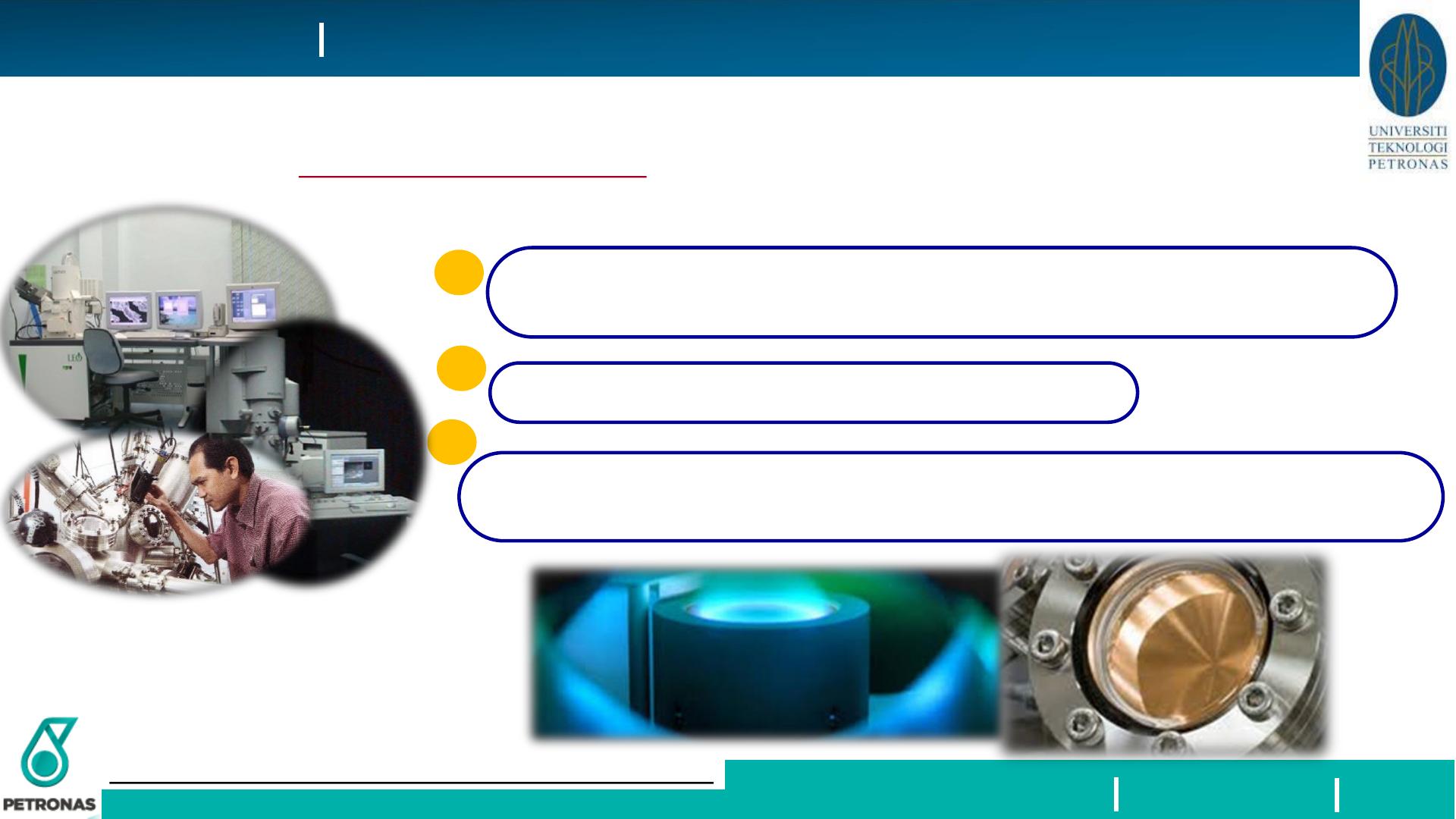
Learning Outcomes
:
At the end of the chapter, the students should be able to:
Determine the relationship of structure, property, process and
application of material
3
Describe the important characteristics of material
properties
1
Elaborate the classification of material
2
Students will be assessed using Bloom’s Taxonomy:
1. Cognitive/Knowledge
2. Affective/Attitude
3. Psychomotor/Skill
MATERIAL PROPERTIES, PROCESSING AND APPLICATION
1. Fundamental of materials: Behaviour and manufacturing properties
Page 7
A.P. Dr. Shahrul Kamaruddin
Manufacturing Technology II MDB 3073
May 2017
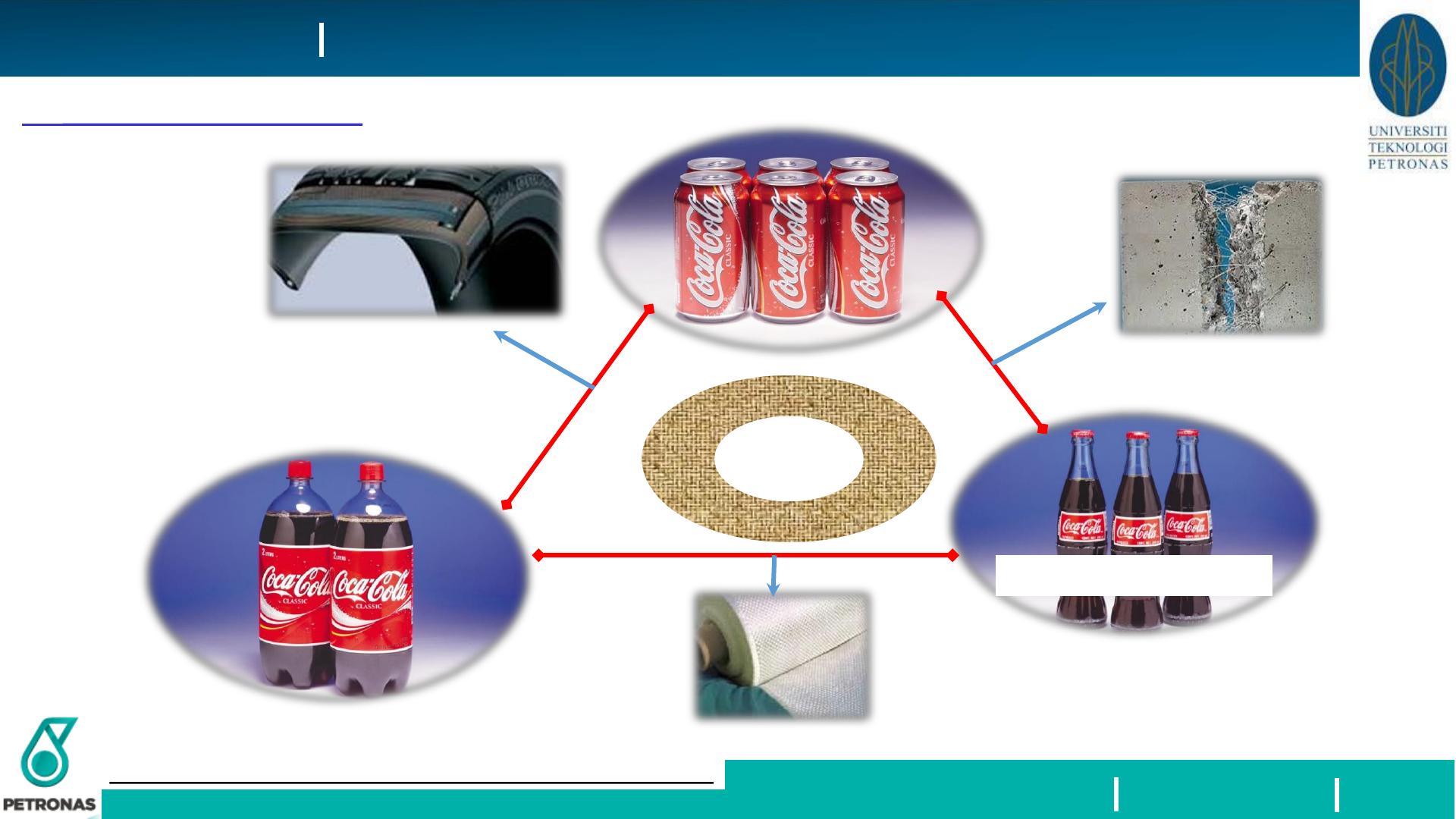
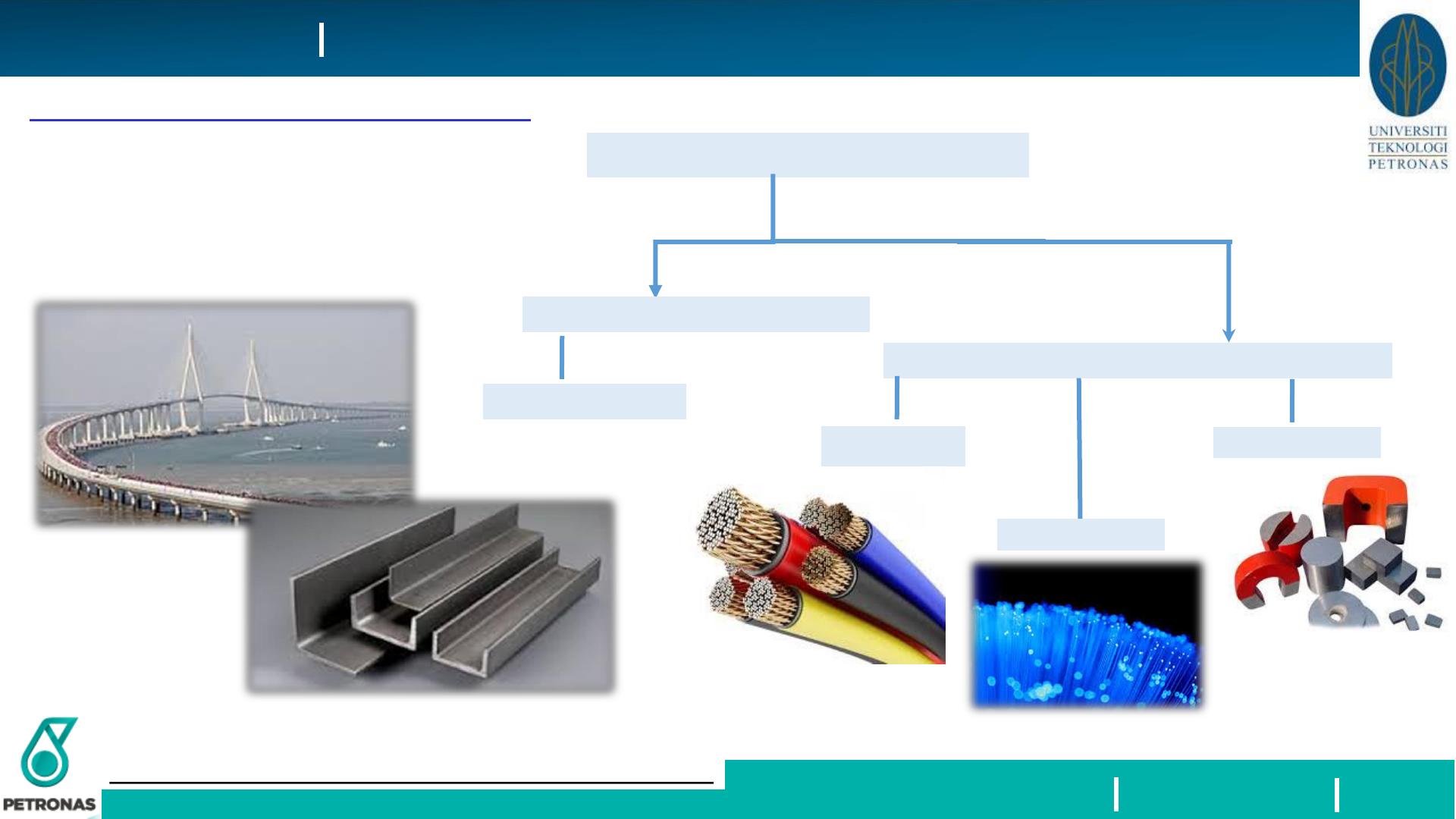
Metals and alloy
Polymer
Ceramic and glass
Hybrid
@Composites
Steel-cord tyres Wire-reinforced
cement
GFRP
1.1 Classification of Materials Metals:
Strong, ductile
High thermal & electrical conductivity
Opaque, reflective.
Polymers/plastics: Covalent bonding sharing of e’s
Soft, ductile, low strength, low density
Thermal & electrical insulators
Optically translucent or transparent.
Ceramics: ionic bonding
compounds of metallic & non-metallic elements
(oxides, carbides, nitrides, sulfides)
Brittle, glassy
Non-conducting (insulators)
1. Fundamental of materials: Behaviour and manufacturing properties
Page 8
A.P. Dr. Shahrul Kamaruddin
Manufacturing Technology II MDB 3073
May 2017
Material properties
Chemical Mechanical Physical Thermal
•Material
characteristics that
relates to the
structure of
materials, its
formation from the
elements, and its
reactivity with
chemicals, other
materials, and
environment.
•The
characteristics of
a material that
are displayed
when a force is
applied to the
material.
•Characteristics
of materials that
relate to the
interaction of
these materials
with various
forms of energy
and with human
senses.
•The properties
of a material
change with
temperature,
usually for worst.
Start to creep or
oxide/degrade.
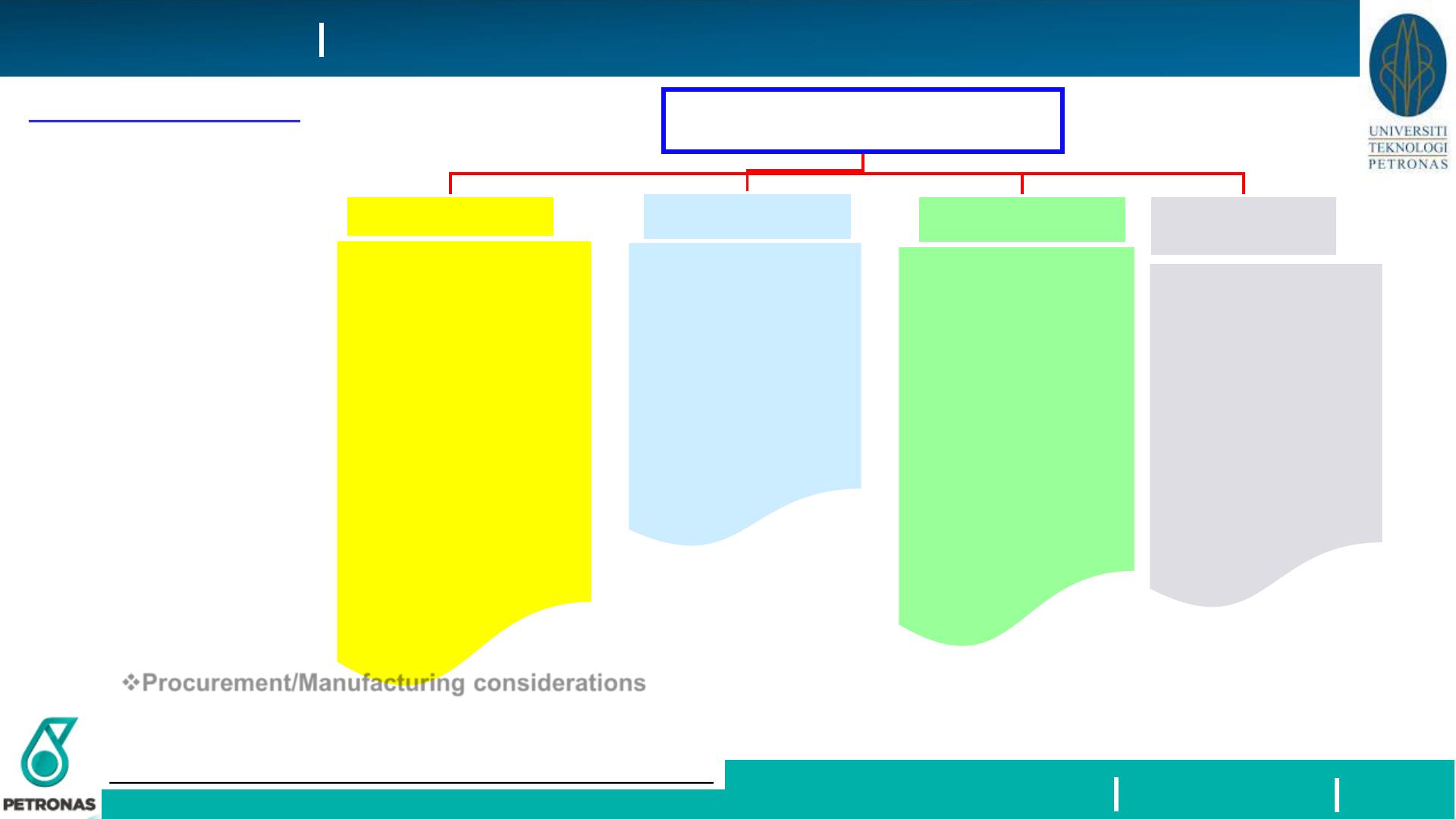
Procurement/Manufacturing considerations are not listed in property handbooks and not even legitimate category by
most standards. However the available shapes, sizes, surface texture, tolerances on materials are often the most important
selection factors.
1.2 Materials properties
1. Fundamental of materials: Behaviour and manufacturing properties
Page 9
A.P. Dr. Shahrul Kamaruddin
Manufacturing Technology II MDB 3073
May 2017
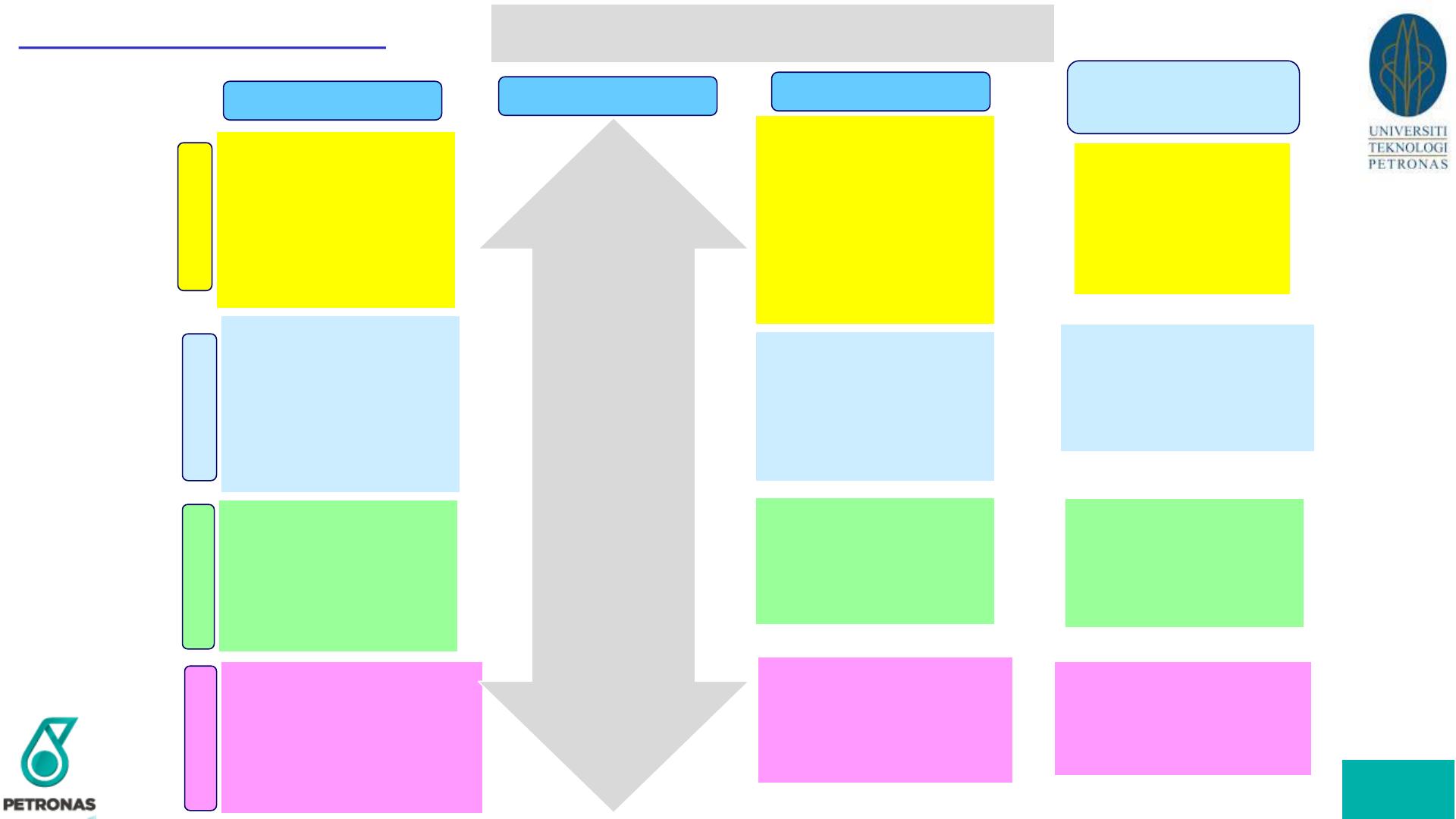
Composition
Microstructure
Phases
Grain Size
Corrosion Resistance
Inclusions
Tensile/compressive
Toughness
Ductility
Fatigue
Hardness
Creep resistance
Shear strength
Available Shapes,
Sizes, Surface
Texture
Manufacturing
Tolerances
Composition
Fillers, Crystallinity
Molecular weight
Flammability
Spatial configuration
Chemical resistance
Tensile/compressive
Heat distortion
Pressure-velocity limit
Toughness, Stress
Rupture, Creep
Manufacturing tolerances,
Stability, Available Sizes,
mold ability, surface
texture
Composition
Porosity
Grain size
Crystal Structure
Corrosion Resistance
Tensile/compressive
Fracture toughness
Transverse rupture
Hardness
Available Shapes,
Sizes, Surface Texture
Manufacturing
Tolerances, Stability
Composition
Matrix/reinforcement bond;
Volume fraction of
reinforcement;
Reinforcement nature
Tensile/compression
Fracture toughness
Creep resistance
Reinforcement orientation
Available shape and Sizes
Manufacturing tolerances
Stability
•Specific heat
•Coefficient of
Thermal
Expansion
•Thermal
conductivity
•Heat
distortion
temp
•Glass
transition
temp
•Magnetic
•Electrical
•Optical
•Acoustic
•Gravimetric
•Color
CHEMICAL PHYSICAL MECHANICAL Procurement/
Manufacturing
considerations
METALS
POLYMERS
CERAMICS
COMPOSITES
Materials Property Spectrum
1.3 Materials property spectrum
Page 10
A.P. Dr. Shahrul Kamaruddin
Manufacturing Technology II MDB 3073
May 2017
1. Fundamental of materials: Behaviour and manufacturing properties
Based on the specific role in an engineering application
Structural materials (mechanical)
Functional materials (electrical, optical, magnetic, …)
CLASSIFICATION
STRUCTURAL
Mechanical
FUNCTIONAL
Electrical
MATERIAL PROPERTIES APPLICATION
Optical
Magnetic
•Conductivity, dielectric constant
•transmission, reflection, refraction, …
•Magnetization
Page 11
A.P. Dr. Shahrul Kamaruddin
Manufacturing Technology II MDB 3073
May 2017
1. Fundamental of materials: Behaviour and manufacturing properties
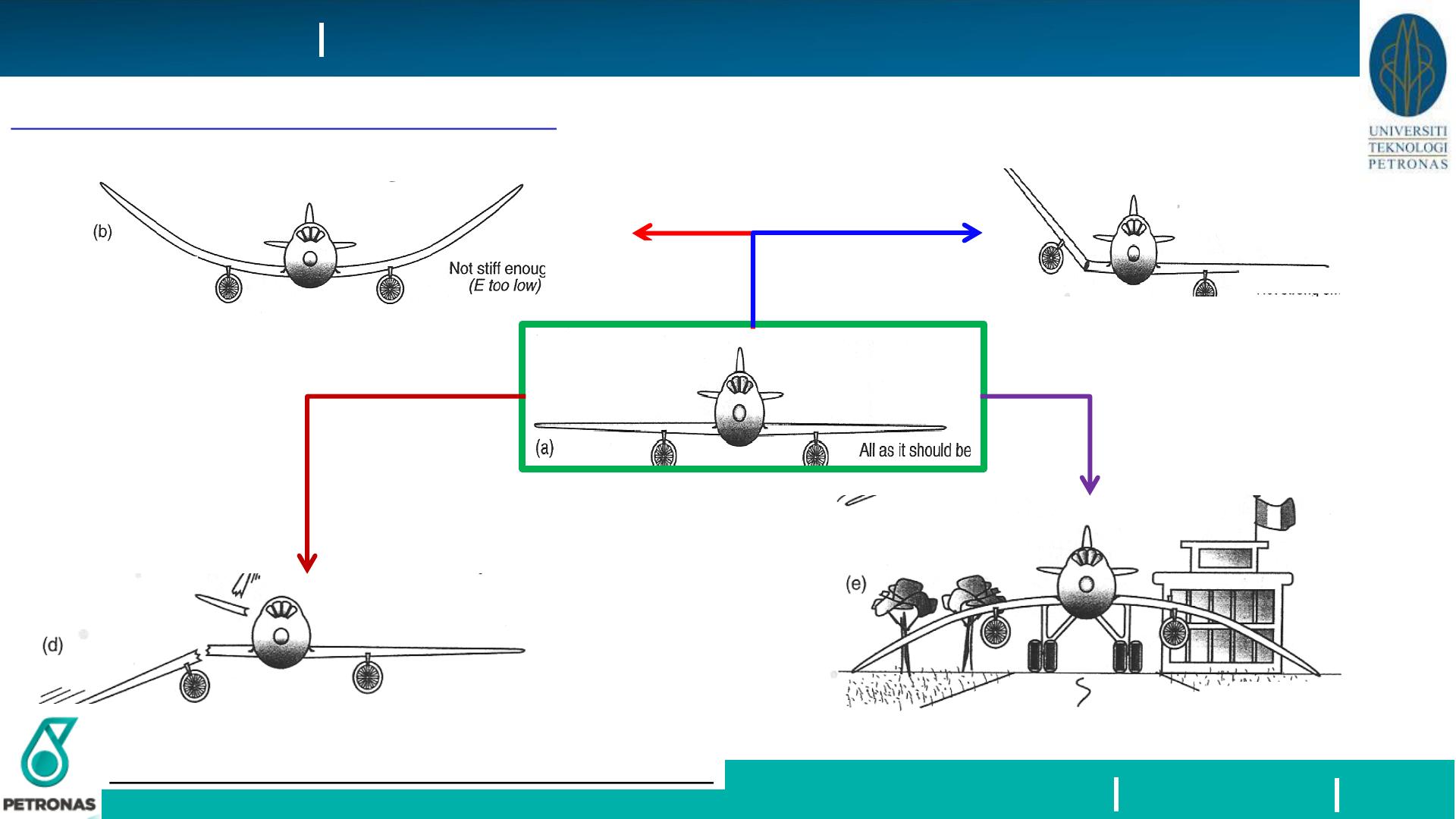
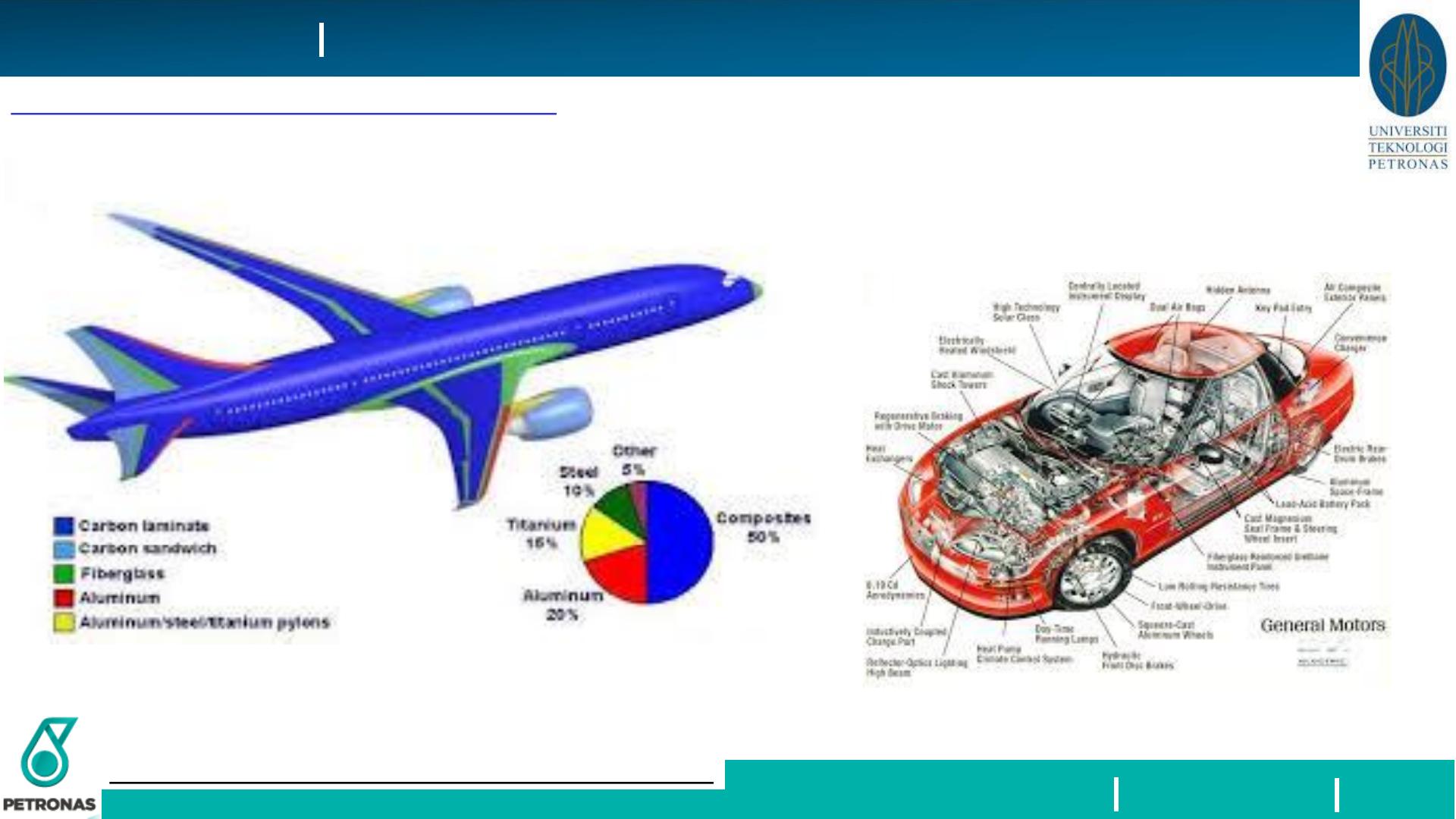
MECHANICAL PROPERTIES APPLICATION
Inadequate Stiffness
(E too low)
Inadequate
Strength (ylow)
Inadequate
Fracture &
Toughness
(K1c too low)
Density
(too high)
Required for engineering designs
aircrafts, cars, trains
bridges, buildings
chemical / oil & gas plants
Page 12
A.P. Dr. Shahrul Kamaruddin
Manufacturing Technology II MDB 3073
May 2017
1. Fundamental of materials: Behaviour and manufacturing properties
MECHANICAL PROPERTIES APPLICATION
Page 13
A.P. Dr. Shahrul Kamaruddin
Manufacturing Technology II MDB 3073
May 2017
Polymers
Ceramics
Metals
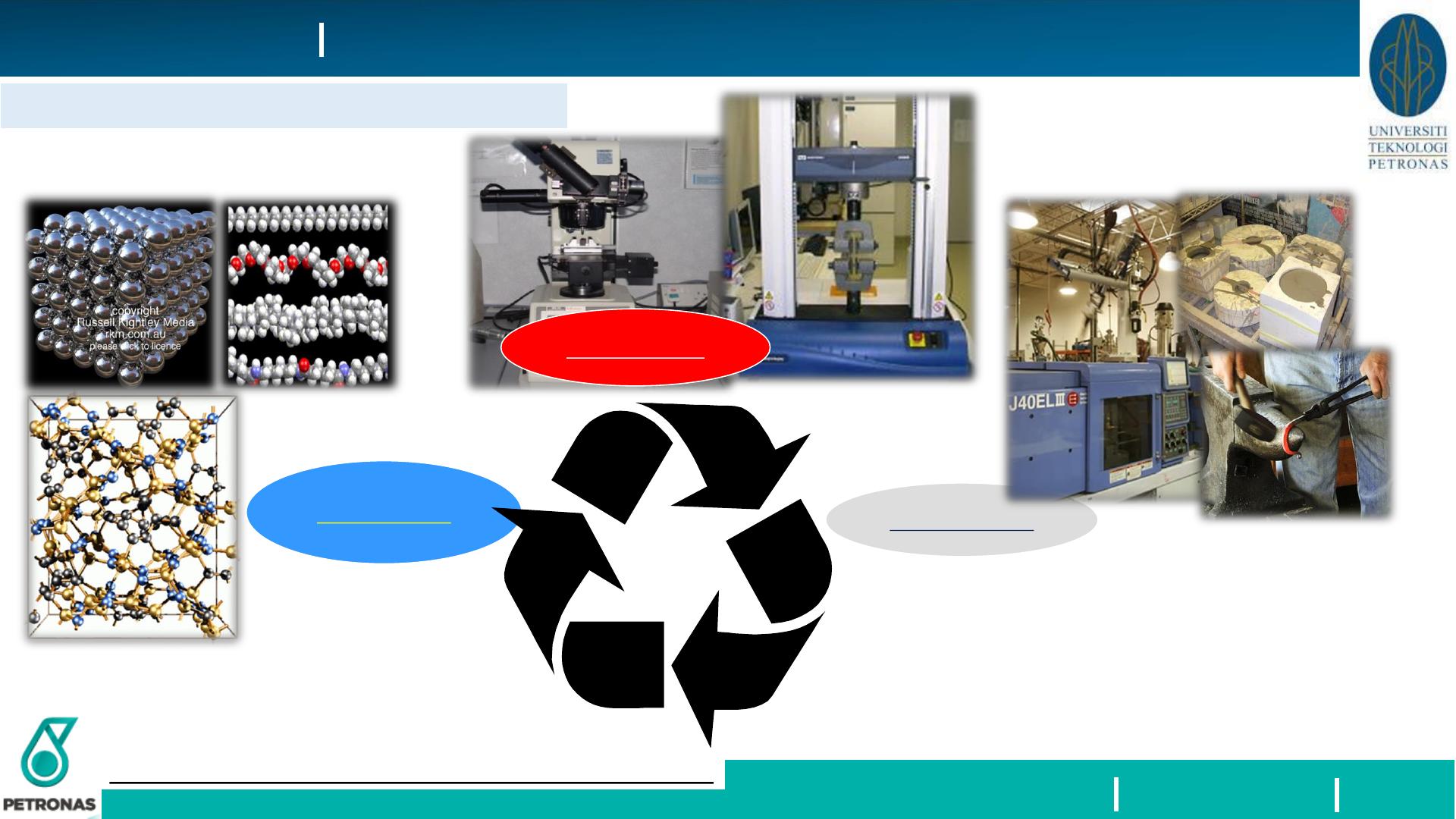
STRUCTURE
Different atomic arrangement results in different properties.
PROPERTIES
PROCESSING
STRUCTURE-PROPERTY RELATIONSHIP
Polymers Ceramics
Metals
1. Fundamental of materials: Behaviour and manufacturing properties
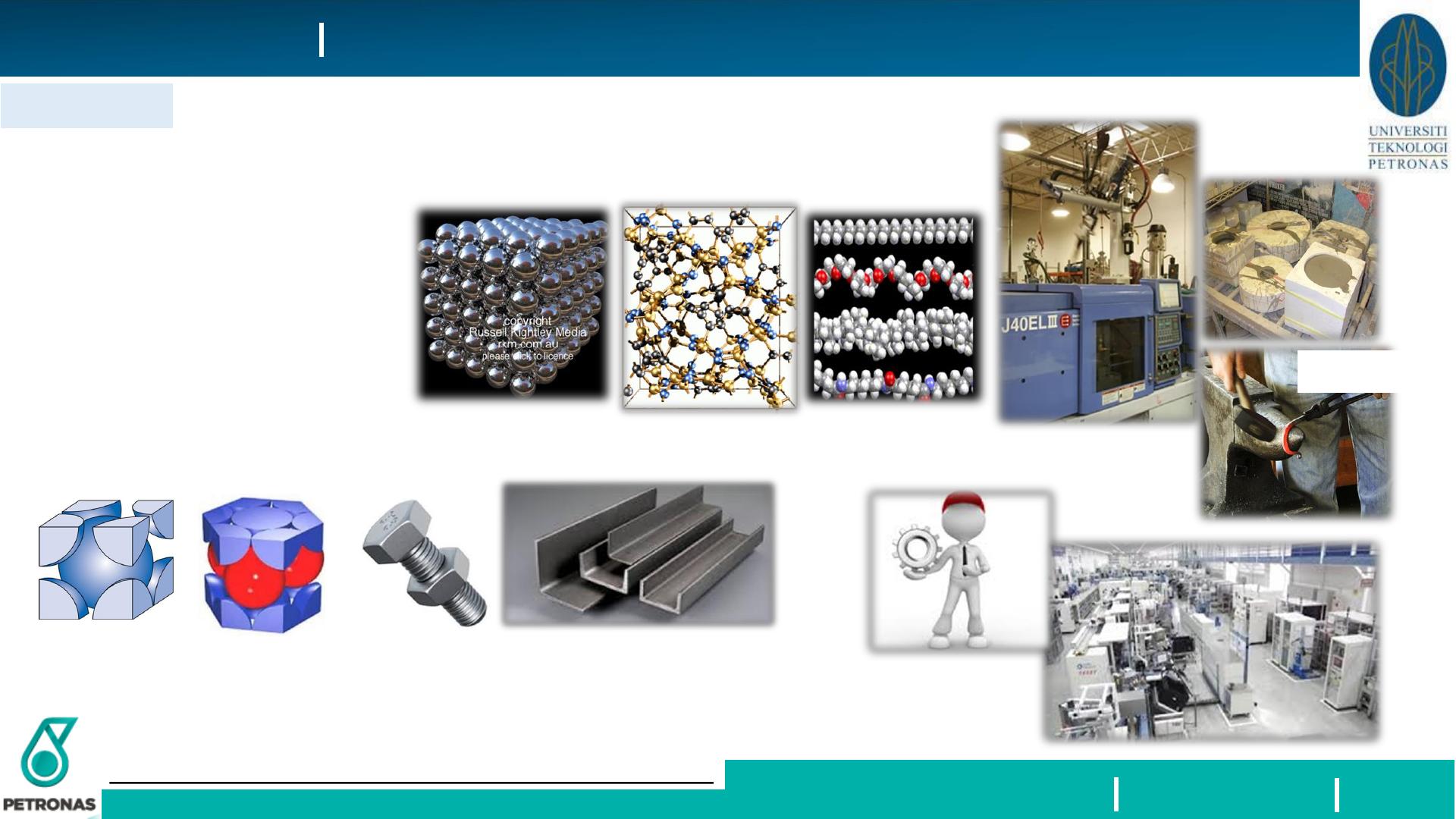
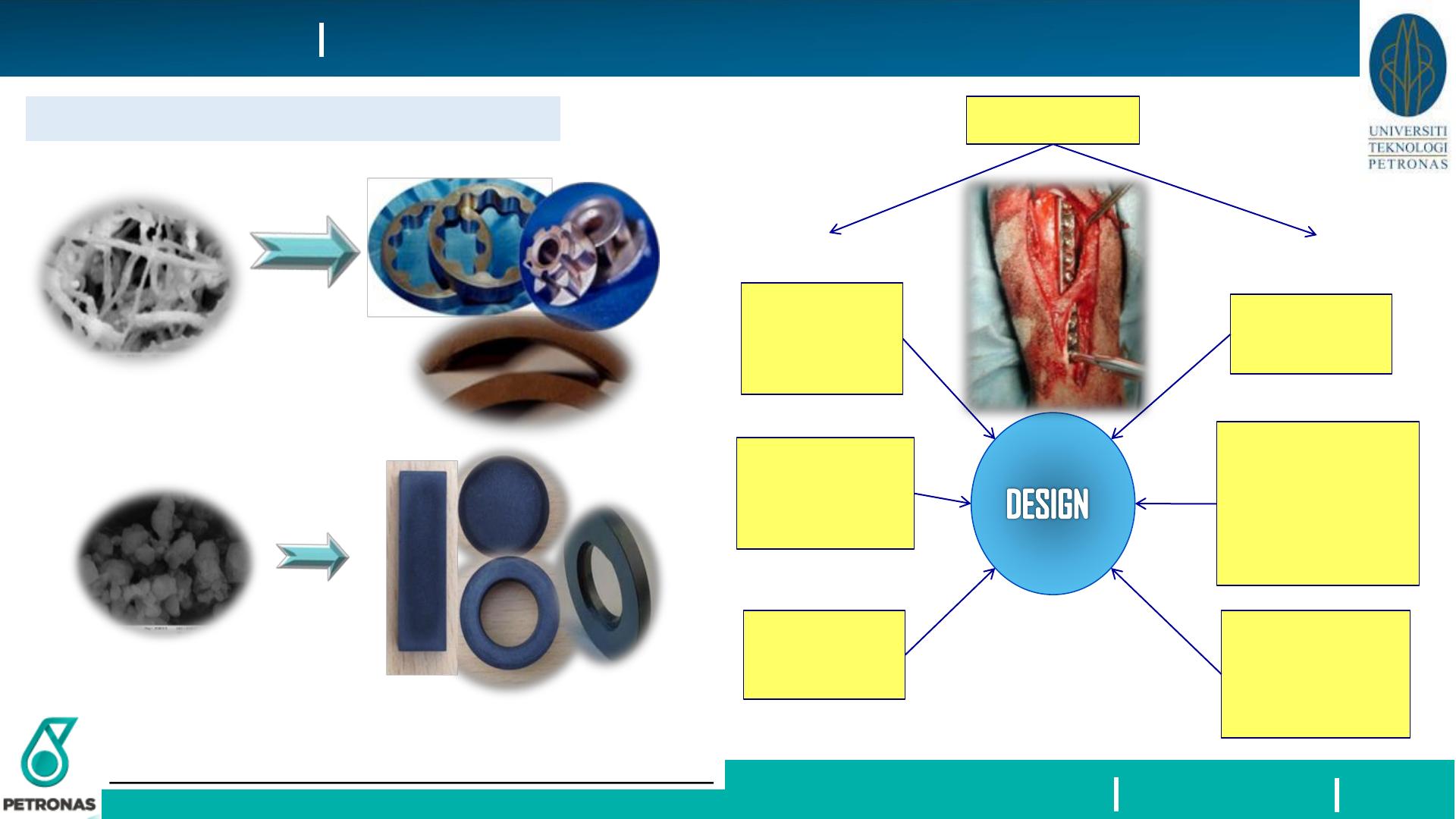
Different materials –should be processed differently;
Same material should be processed differently for different
geometries (rim or frame);
Apart from material properties and geometry, the number of
components and the specifics of use (where? under what
conditions? Under what constraints? how costly? determine the
processing routes chosen
Page 14
A.P. Dr. Shahrul Kamaruddin
Manufacturing Technology II MDB 3073
May 2017
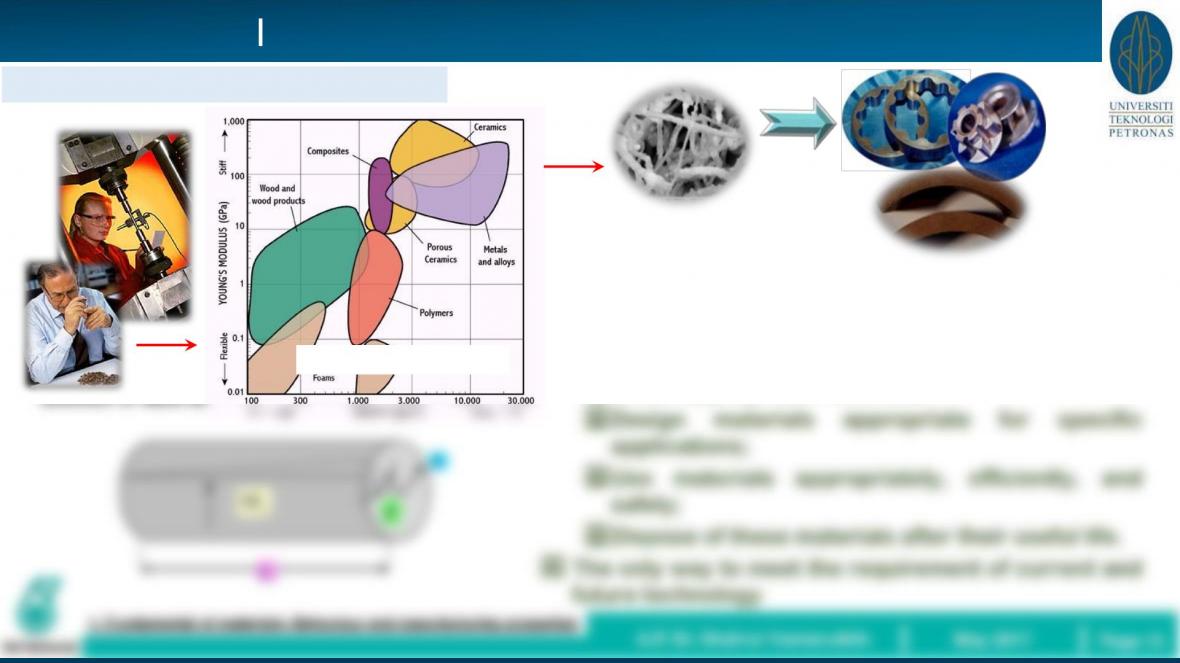
How the properties of engineering materials affect the way in which products are designed.
Properties
Bulk
mechanical
properties
“INTRINSIC”ATTRIBUTIVE
Bulk non-
mechanical
properties
Surface
properties
Price and
Availability
Production
properties: ease
of mfg,
fabrication,
joining, finishing
Aesthetic
properties:
appearance,
texture, feel
1. Fundamental of materials: Behaviour and manufacturing properties
PROPERTY-PRODUCT RELATIONSHIP
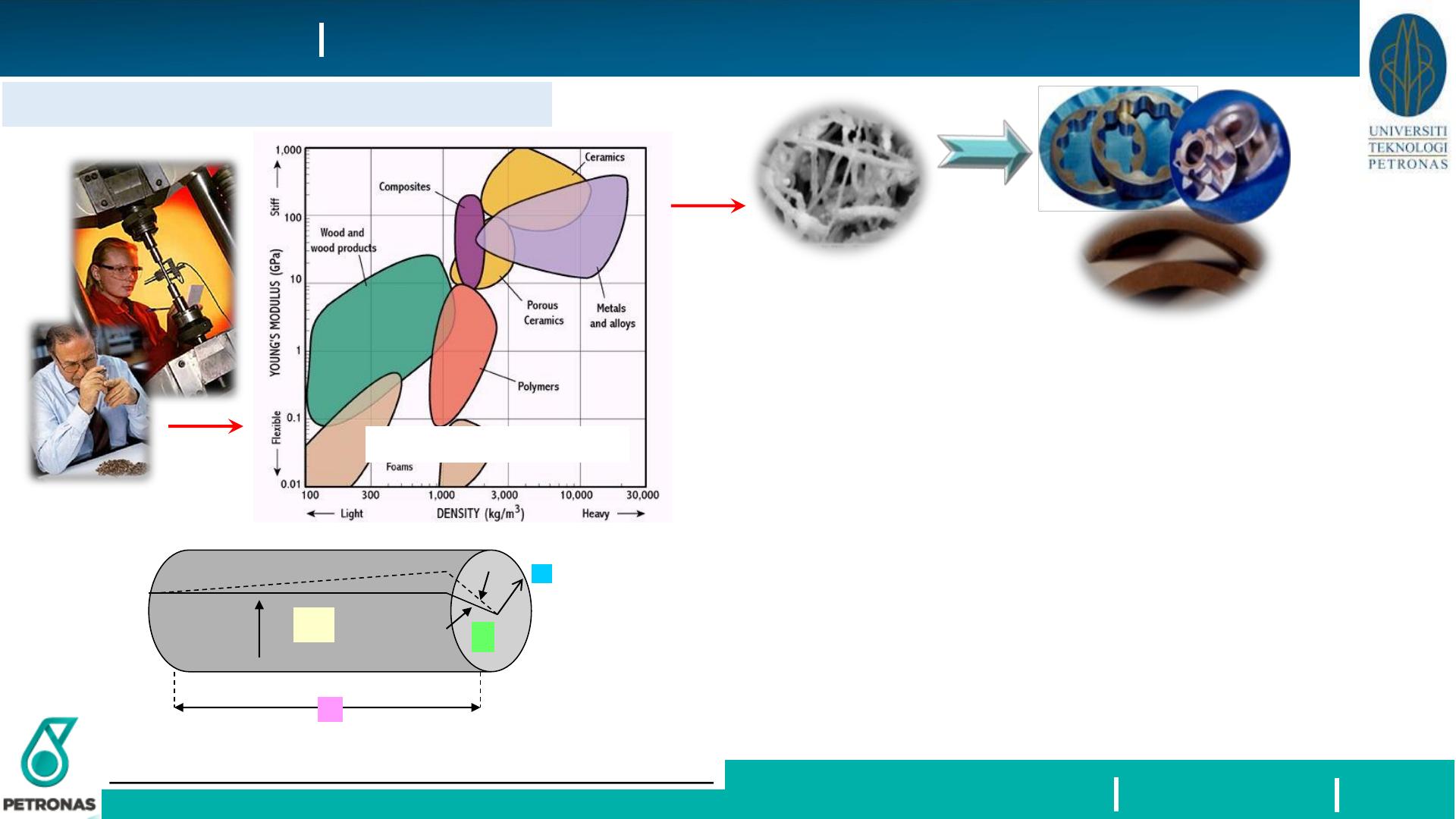
Manufacturing Technology II MDB 3073
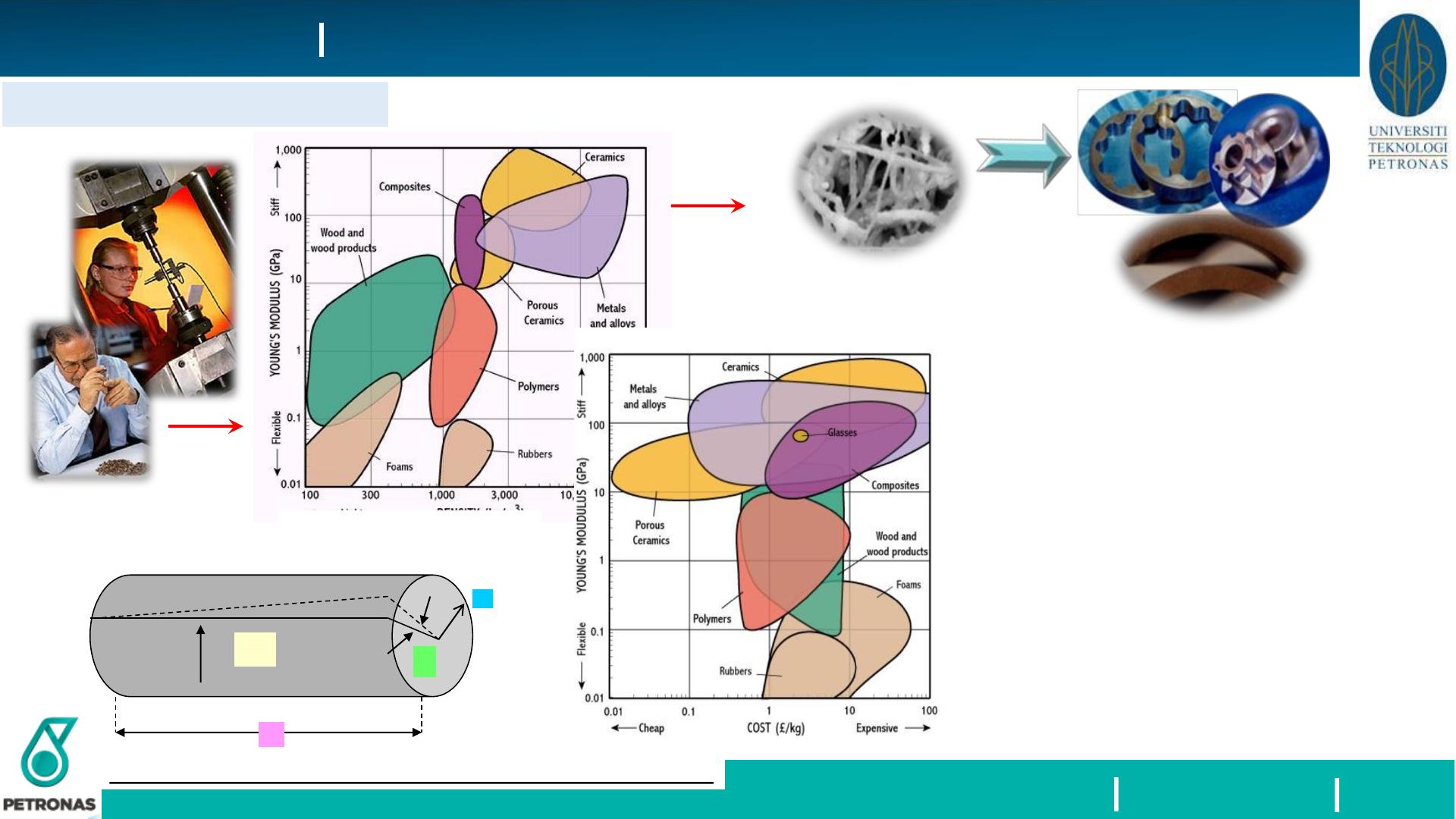
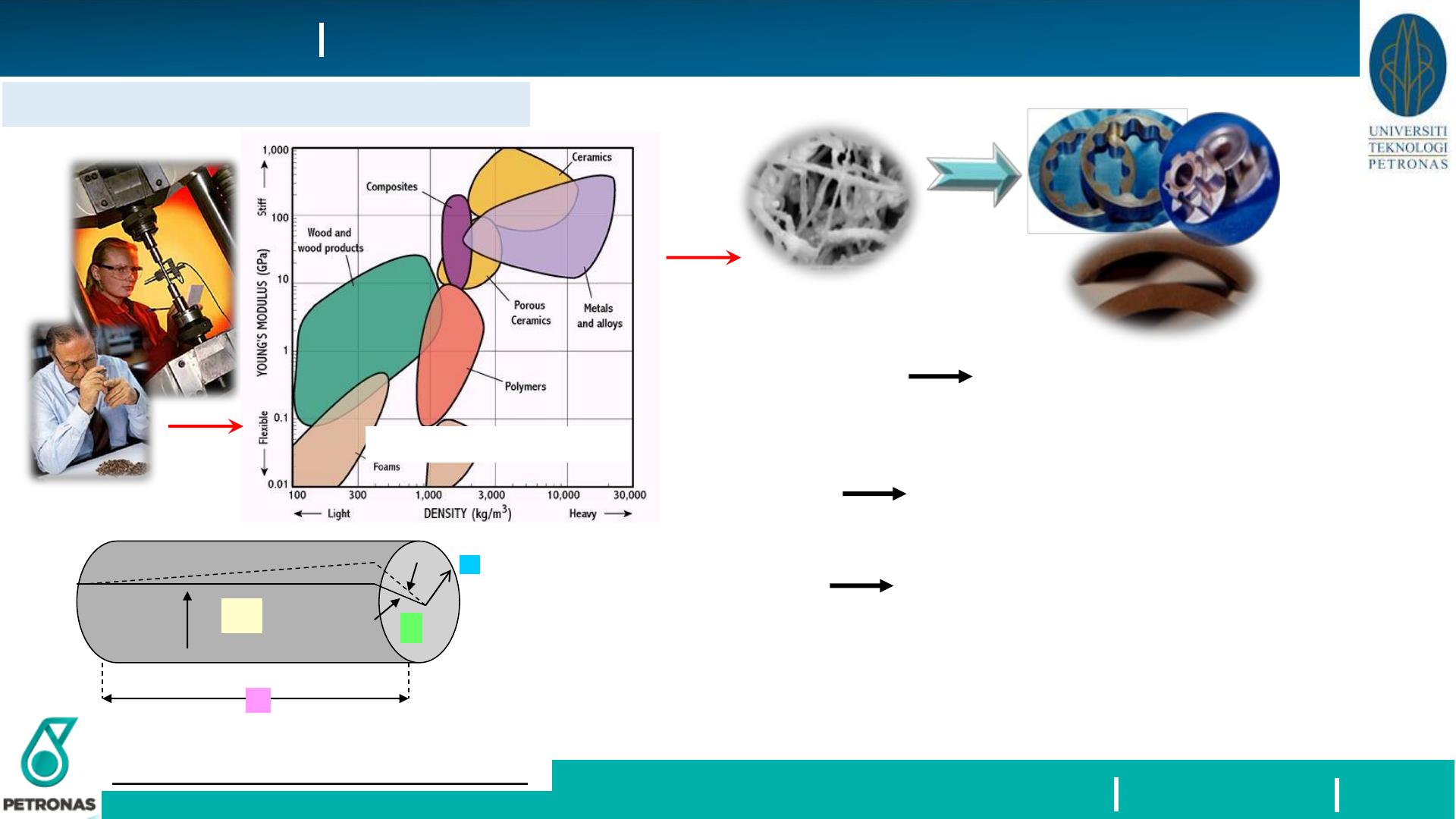
Properties of Material
Service requirement of the
component
WHY STUDY Manufacturing Technology?
Basic to understand the structure, properties and
processing of materials
Material science provides engineers and scientists
with the knowledge required to
Select appropriate materials;