CHAPTER 15
INTERPERSONAL &
ORGANIZATIONAL
COMMUNICATION
Mastering the Exchange of
Information
©Olivier Renck/ Getty Images
©McGraw-Hill Education. All rights reserved. Authorized only for instructor use in the classroom. No reproduction or further distribution permitted without the prior written consent of McGraw-Hill Education.

©McGraw-Hill Education.
LEARNING OBJECTIVES
15.1 Describe the communication process.
15.2 Compare communication channels and
appropriate ways for managers to use them.
15.3 Identify barriers to communication and ways
managers can overcome them.
15.4 Discuss how managers can successfully use social
media to communicate.
15.5 Identify ways for managers to improve their
listening, writing, and speaking skills.
15.6 Review the techniques for improving the career
readiness competency of networking.

©McGraw-Hill Education.
The COMMUNICATION PROCESS:
WHAT IT IS, HOW IT WORKS
Communication
•Communication is the transfer of information and
understanding from one person to another.
•You are an efficient communicator when you can
transmit your message accurately in the least time.
•You are an effective communicator when your intended
message is accurately understood by the other person.
©McGraw-Hill Education.
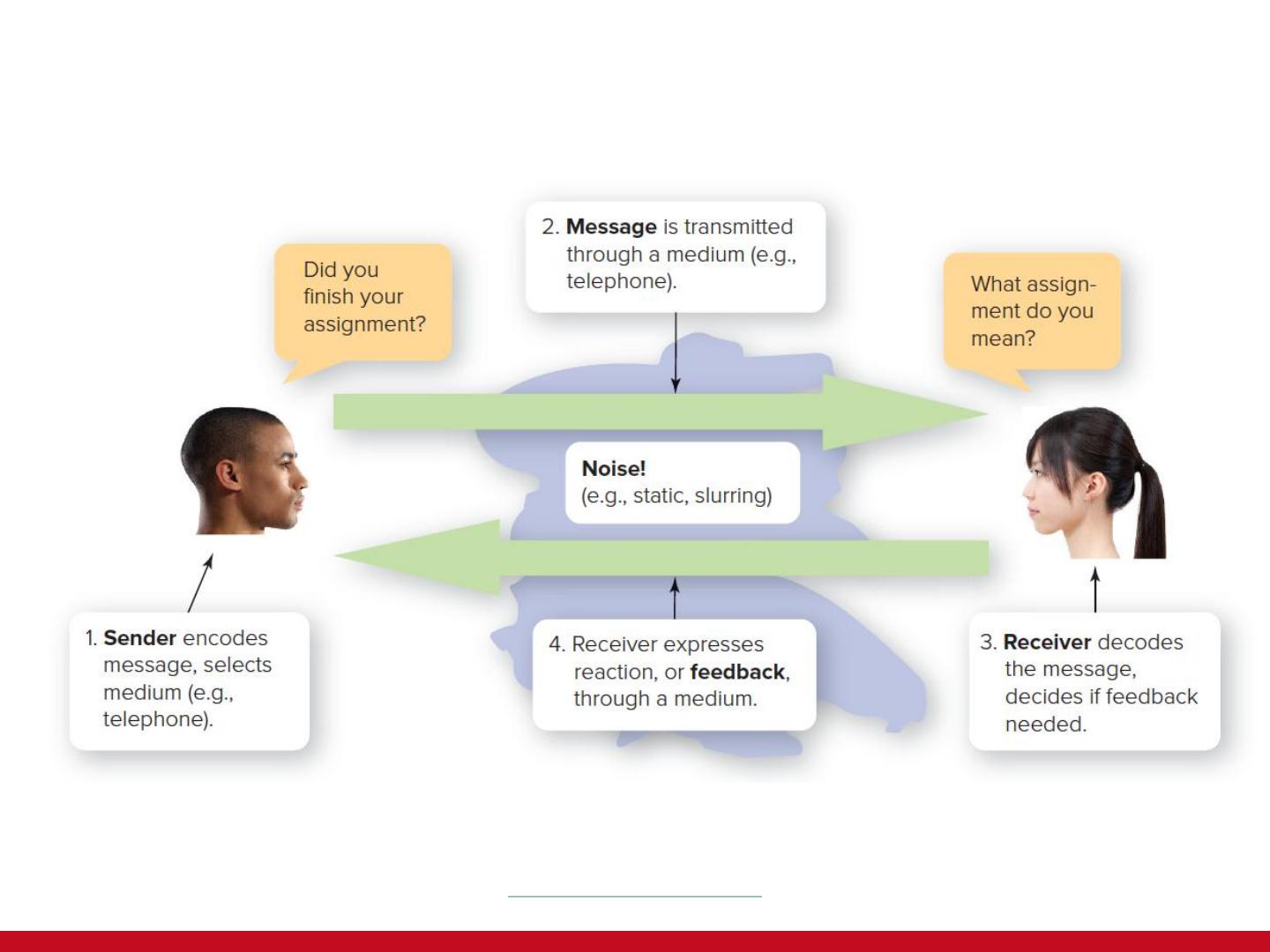
The COMMUNICATION PROCESS
Figure 15.1
Access the text alternative for these images.
(male): © Fuse/Getty Images; (female): ©Comstock Images/Alamy Stock Photo
©McGraw-Hill Education.
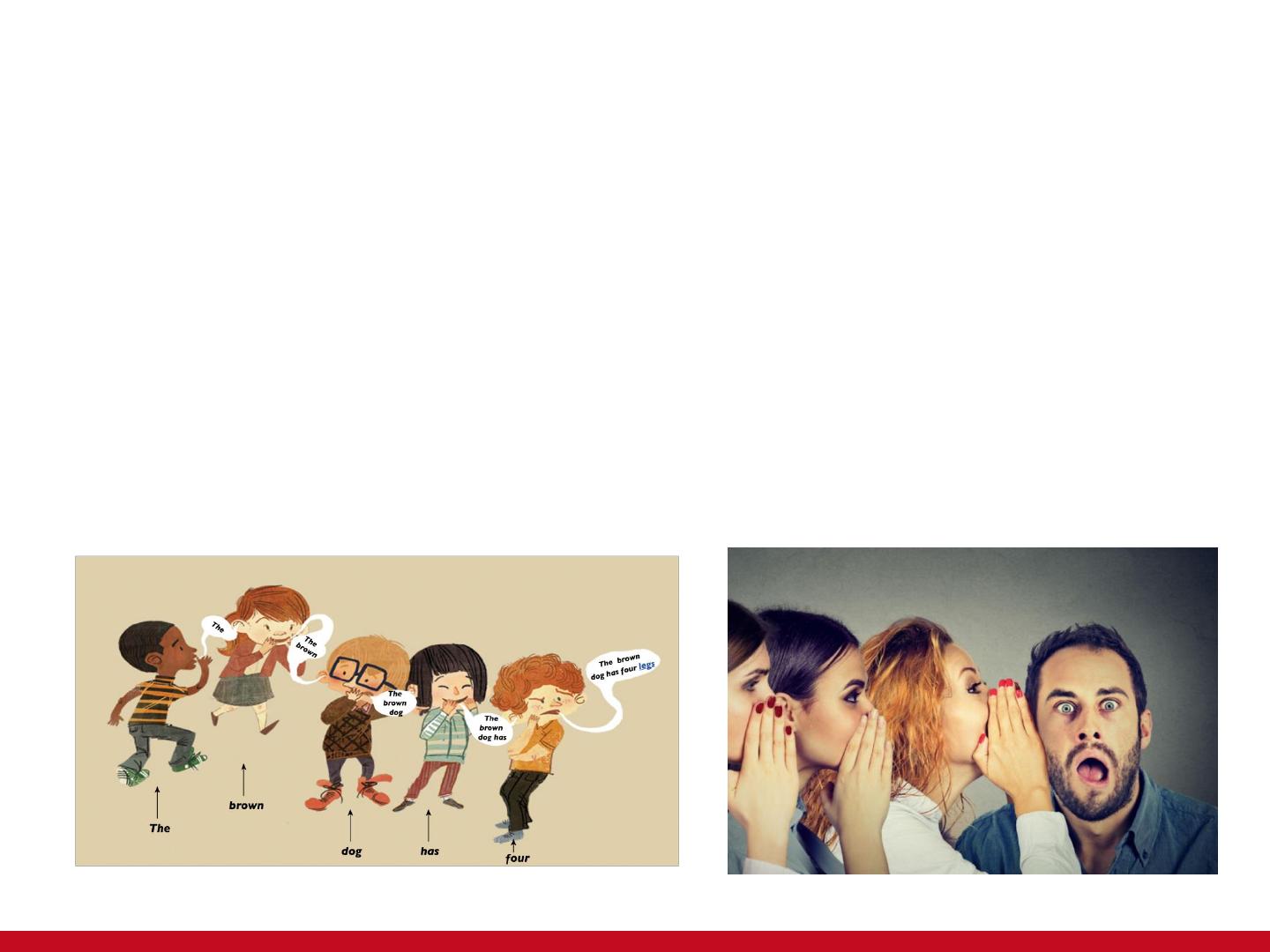
COMMUNICATION GAME:
Let’s see how effective you deliver a message?
“The Chinese Whispers”
•Form a group of 10 members
•Sit in one row
•Choose a representative

©McGraw-Hill Education.
NOISE DISRUPTS the
COMMUNICATION PROCESS
JARGON AND BUZZWORDS
NONVERBAL COMMUNICATION
NOISE
CHOSEN MEDIUM
LANGUAGE BARRIERS
SEMANTICS
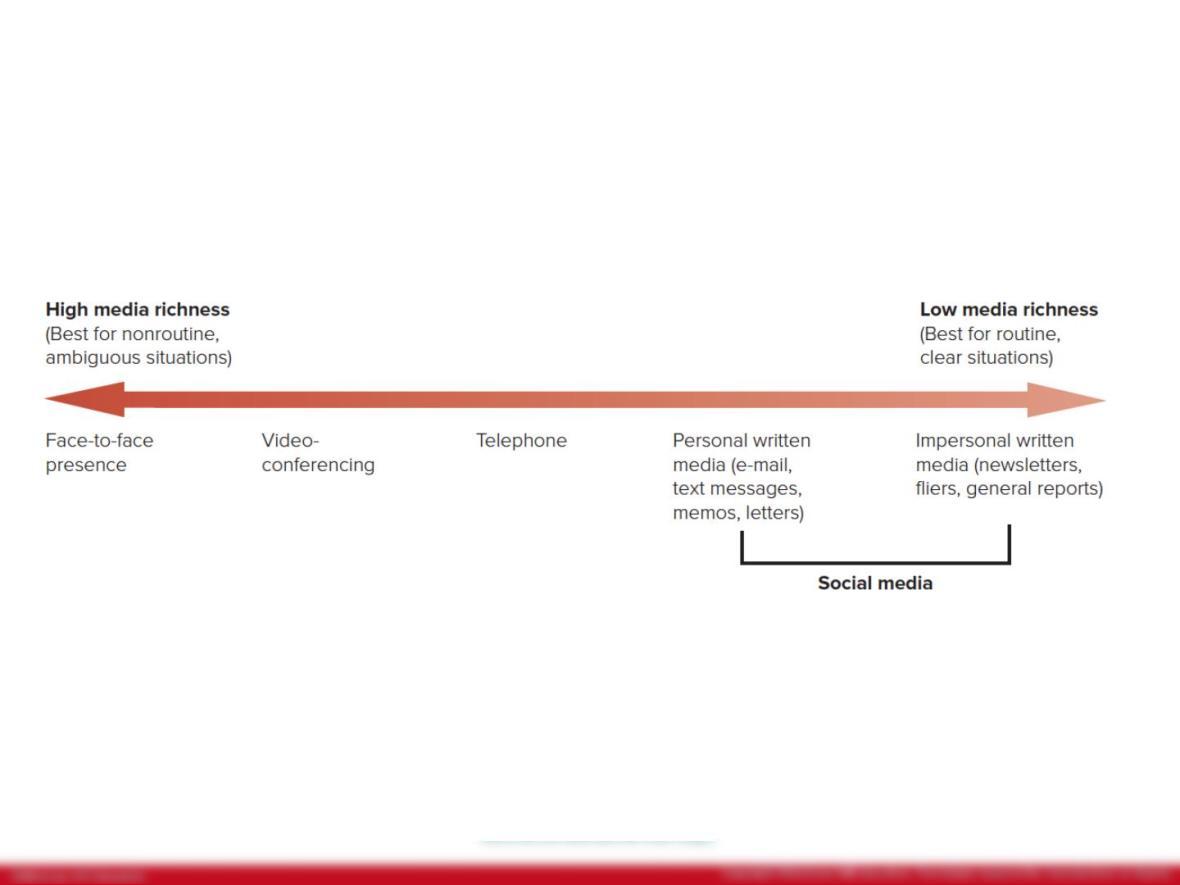
SELECTING the RIGHT MEDIUM
Figure 15.2
for reproduction or display.