padlet.com/shantiahdavis/Man2021_Davis
My creative wall of thinking
Made with the mind
SHANTIAH MACK JUN 16, 2018 03:54PM
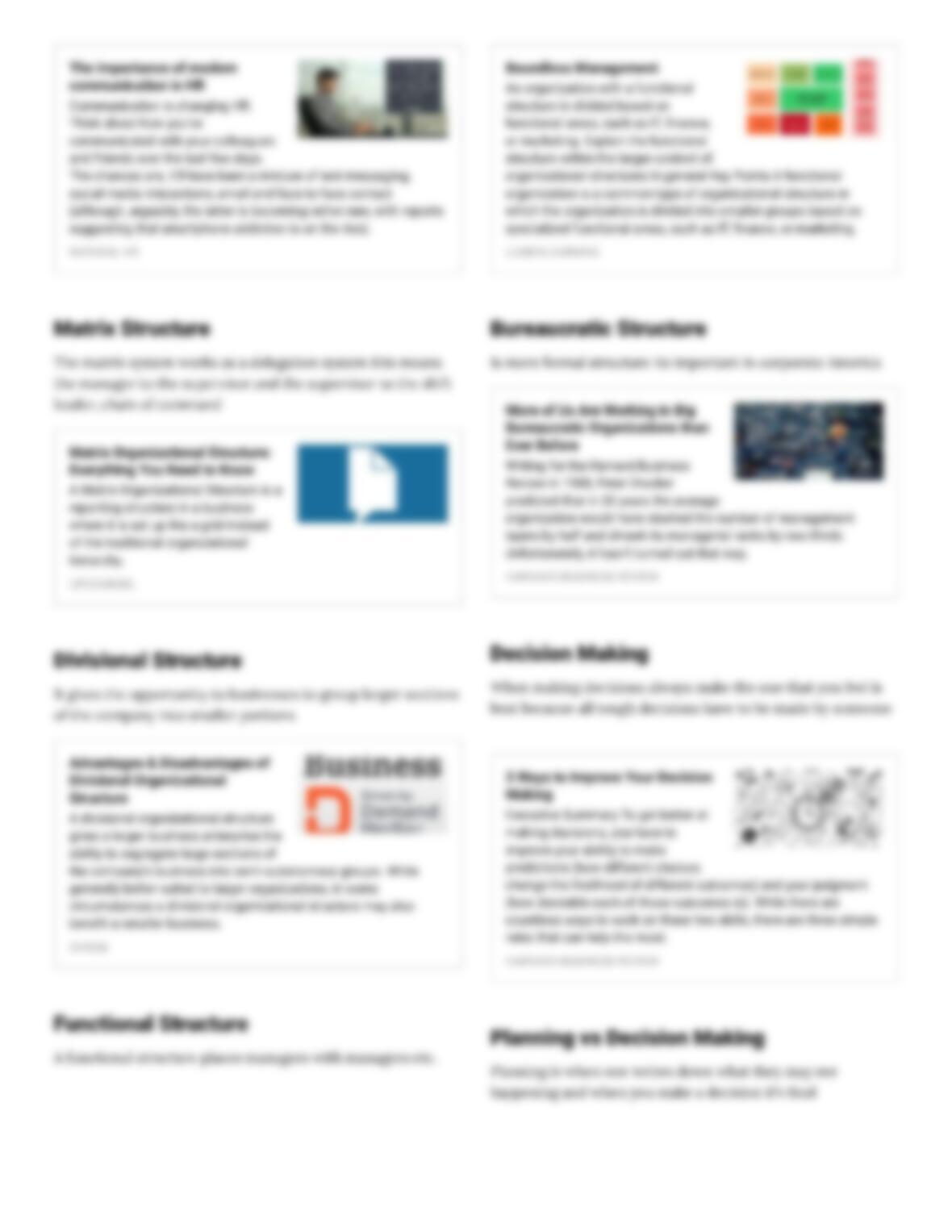
Different controls
There are many levels of control and different areas
The Control Function of
Management
References 1. See H. Koontz, C.
O’Donnell, and H. Weihrich.
Management, 7th ed. (New York:
McGraw-Hill, 1980). p. 722. 2. See W.
D. Brinckloe and M. T. Coughlin,
Managing Organizations (Encino, CA:
Glencoe Press. 1977). p. 298. 3. See
P. F. Drucker. Management: Tasks,
Responsibilities, Practices (New York: Harper & Row.
MIT SLOAN MANAGEMENT REVIEW
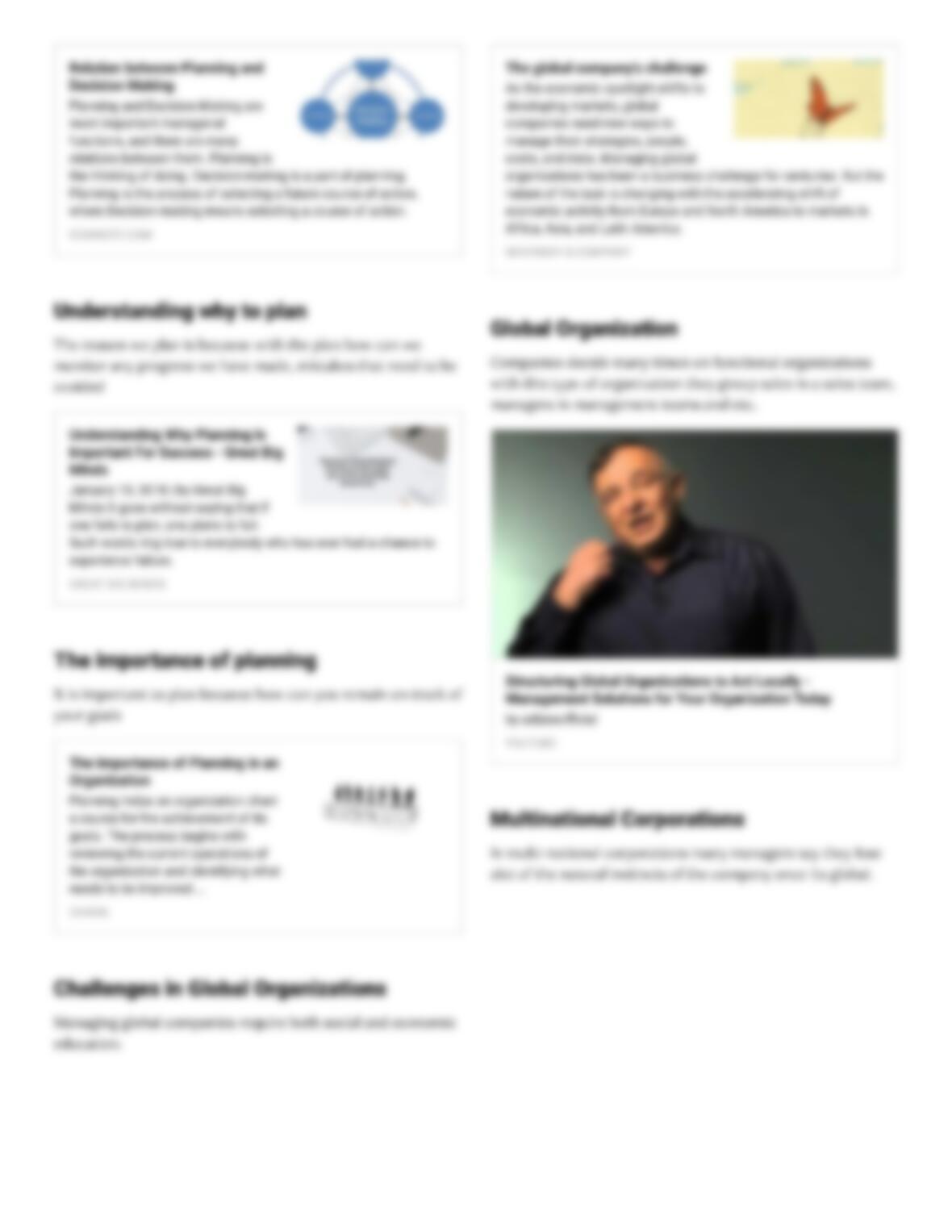
Function of control
Shows why control is needed
The Control Function of
Management
References 1. See H. Koontz, C.
O’Donnell, and H. Weihrich.
Management, 7th ed. (New York:
McGraw-Hill, 1980). p. 722. 2. See W.
D. Brinckloe and M. T. Coughlin,
Managing Organizations (Encino, CA:
Glencoe Press. 1977). p. 298. 3. See
P. F. Drucker. Management: Tasks,
Responsibilities, Practices (New York: Harper & Row.
MIT SLOAN MANAGEMENT REVIEW
Strategic and Operational Control
Different ways of control
Principles of Management
Know the difference between
strategic and operational controls.
Understand the different types of
controls. Be able to differentiate
between financial and nonfinancial
controls. Figure 15.4 Controls allow you to align the pieces with
the big picture.
UMN
Organizational Control
Shows the importance of control in a workplace
How Organizational Control Is
Important to Organizational
Performance
While you don‘t want to micromanage
your employees, you can‘t leave them
unsupervised if you want to
maximize organizational efficiency and productivity. Creating
effective management controls — including strategic objectives,
operational policies and employee guidelines — will help you direct,
rather than just …
CHRON
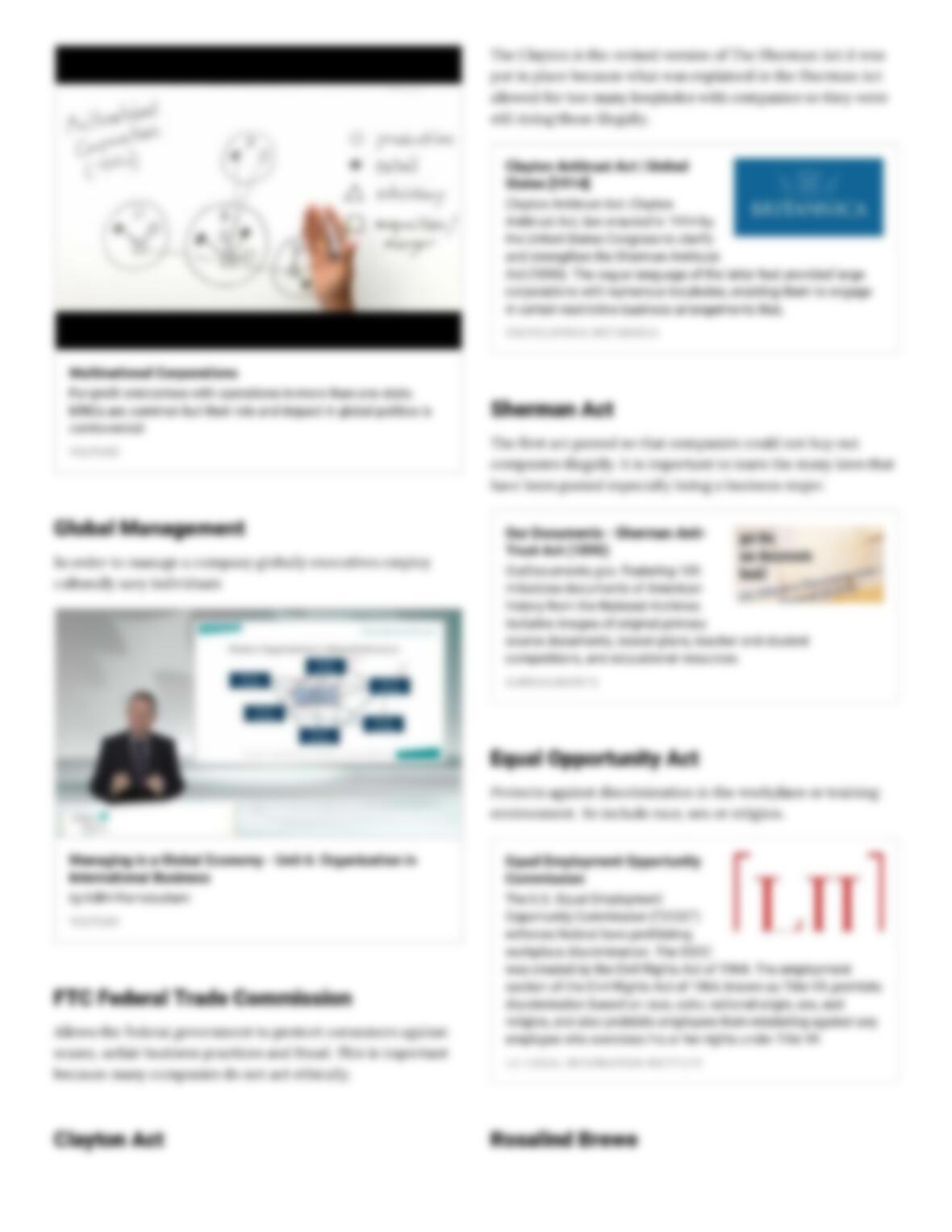
Daily Leadership
Its important to learn ways to motivate people on the team
Learn What Daily Leadership
Behaviors Inspire Employee
Motivation
Want to spend your time in
leadership activities that inspire
motivation, trust, and certainty while
dispelling employee fear, negativity, and skepticism? During times
of change, no actions are more powerful than when leaders make
the time to communicate and build relationships. When leadership
shares vision, optimism, and purpose driven goals, motivation and
commitment from employees is ensured.
THE BALANCE CAREERS
Motivate
Different ways to motivate
17 Ways Great Leaders Motivate
Their People
It’s not easy to get people moving
forward. A working team usually has
people with different levels of self-
motivation. Yet, somehow, a leader has to get everyone moving at
a similar pace in roughly the same direction. Then the leader has
to keep the team motivated through good and bad, thick and thin.
INC.COM
Leadership and Motivation
Motivation in a leadership role is important
Leadership and Motivation
An effective leader must understand
the basic needs of employees, peers
and his superiors. Learn in detail how
Leadership is used as a means of
motivating others.
Effective Communications and
HR: Making the Connection –
PeopleTalk Online
What was once considered a tool in
HR’s strategic leadership is now
almost universally recognized as a
strategic necessity: effective communications. At a time of high
expectations and unprecedented changes in the workplace and
workforce, communication is key to the success of all HR
functions.
PEOPLETALK ONLINE
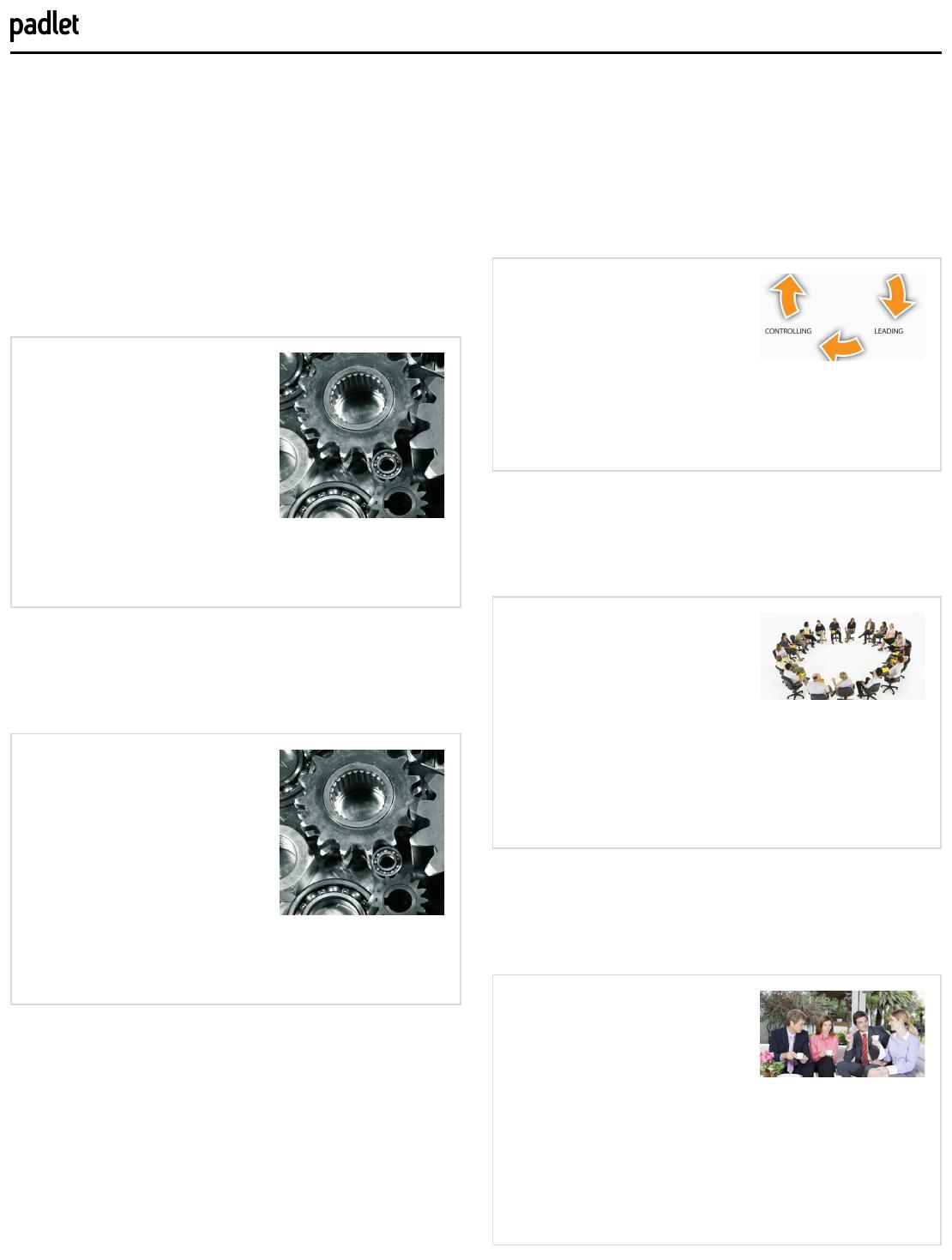
Communication
Ways to communicate in the workplace
Examples of Human Resource
Communications
Various forms of communication
from your human resources
department are essential for
workplace structure. Human
resources communications include guidelines, policies, notices
and procedures that help you manage your workforce.