Lecture 2: The Time Value of Money: An
Introduction (Part 1)
FINA2303
Financial Management
Yan Xiong
HKUST
Chapter 3: Time Value of Money (Part 1) FINA 2303, 1/22

Recap
Corporations
Separate legal entities, limited liability, diverse shareholders,
double taxation
Financial manager
Maximizes shareholder value
Agency problem: Compensation, threat of takeover, corporate
governance to align incentives of shareholders and the manager
Stock market
Types of stock markets (Primary/Secondary)
Bid-ask spreads
Financial institutions
Banks, pension funds, insurance companies, VC, PE
Chapter 3: Time Value of Money (Part 1) FINA 2303, 2/22

Plan for this Week
1Cost-benefit analysis/ Valuation principle
2Competitive markets, “law of one price,” and arbitrage
3Valuing cash flows at different points in time
4Future values and present values (next class)
Chapter 3: Time Value of Money (Part 1) FINA 2303, 3/22

Cost-Benefit Analysis

Cost-Benefit Analysis: An Example
Problem: Your company has the opportunity to purchase adjacent
land and build a larger warehouse.
Additional employees will need to be hired to work in the
warehouse. The warehouse will also involve additional
maintenance costs.
However, by building this warehouse, the company will
increase its sales and its profits. It will also be able to
purchase products and supplies at lower prices due to larger
discounts for buying more volume.
How should the managers decide whether to proceed with building
the warehouse?
Chapter 3: Time Value of Money (Part 1) FINA 2303, 4/22
Cost-Benefit Analysis: An Example
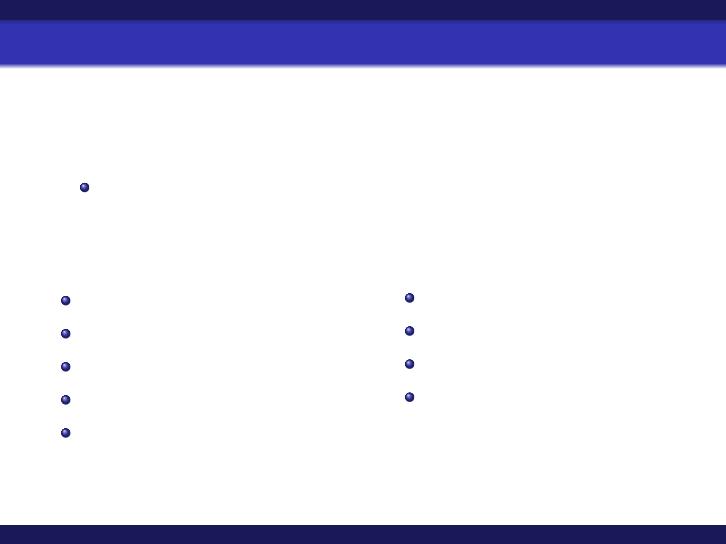
Step 1: Identify the costs and benefits managers must consider.
Determine which of the facts outlined in the problem refer to
costs and which refer to benefits.
Present Value Costs:
Construction
Increase in labor
Additional maintenance
Land purchase
…
Present Value Benefits:
Increased sales
Increased profit/margins
Greater volume discounts
…
Chapter 3: Time Value of Money (Part 1) FINA 2303, 5/22

Cost-Benefit Analysis: An Example
Step 2: Compare costs and benefits.
If benefits >costs, build the warehouse
Financial decisions must be made in cash-today terms.