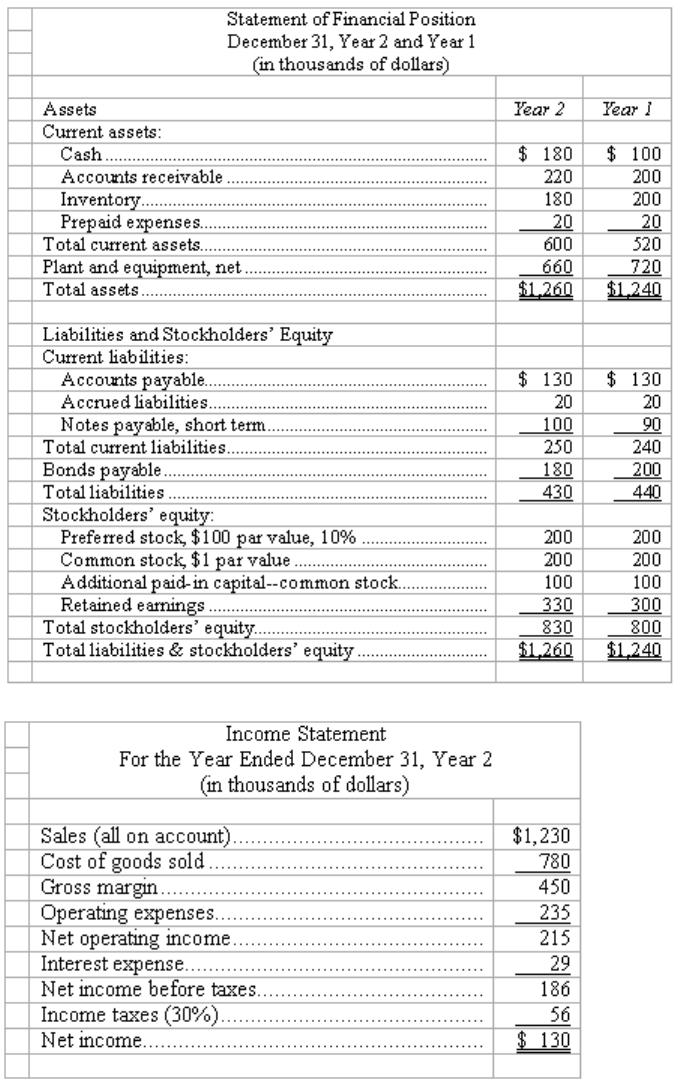
Chapter 14
“How Well Am I Doing?” Financial Statement Analysis
True/False
1. Vertical analysis of financial statements is accomplished through the preparation of common-size
statements.
Level: Easy LO: 1 Ans: T
2. The gross margin percentage is computed by dividing the gross margin by net income before interest
and taxes.
Level: Medium LO: 1 Ans: F
3. If a company’s return on assets is substantially higher than its cost of borrowing, then the common
stockholders would normally want the company to have a relatively high debt/equity ratio.
Level: Easy LO: 2,4 Ans: T
4. The dividend yield ratio is calculated by dividing dividends per share by earnings per share.
Level: Easy LO: 2 Ans: F
5. Financial leverage is positive if the interest rate on debt is lower than the return on total assets.
Level: Medium LO: 2 Ans: T
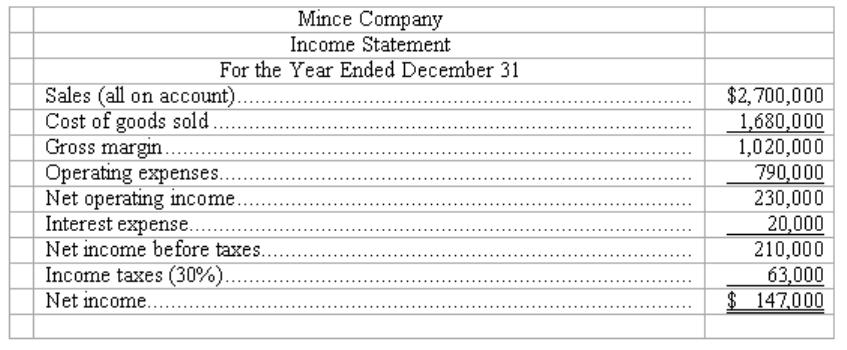
6. To compute the return on total assets, net income should be adjusted by adding after-tax interest
expense and preferred dividends.
Level: Medium LO: 2 Ans: F
7. When computing the return on common equity, the income available for common stockholders is
determined by deducting preferred dividends from net income.
Level: Easy LO: 2 Ans: T
8. Issuing common stock will increase a company’s financial leverage.
Level: Medium LO: 2 Ans: F
9. Book value per share is the key to predicting a company’s future income producing ability.
Level: Easy LO: 2 Ans: F
Brewer, Introduction to Managerial Accounting, 3/e214
10. The book value per share of common stock reflects the balance sheet carrying value of already
completed transactions.
Level: Medium LO: 2 Ans: T
11. A company’s acid-test ratio will always be less than or equal to its current ratio.
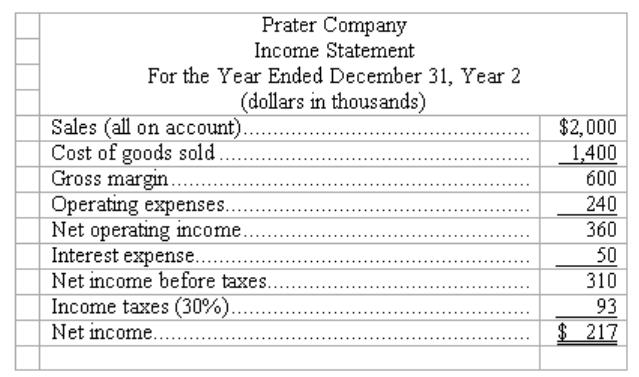
Level: Medium LO: 3 Ans: T
12. A company could improve its acid-test ratio by selling some equipment it no longer needs for cash.
Level: Medium LO: 3 Ans: T
13. As the accounts receivable turnover ratio decreases, the average collection period decreases.
Level: Medium LO: 3 Ans: F
14. Payment of interest owed would decrease the inventory turnover ratio.
Level: Easy LO: 3 Ans: F
15. When computing the times interest earned ratio, earnings before interest expense and income taxes is
used in the numerator.
Level: Easy LO: 4 Ans: T
Multiple Choice
16. The gross margin percentage is equal to:
A) (Net operating income + Operating expenses)/Sales
B) Net operating income/Sales
C) Cost of goods sold/Sales
D) Cost of goods sold/Net income
Level: Hard LO: 1 Ans: A
17. Earnings per share of common stock is computed by:
A) dividing net income by the average number of common and preferred shares outstanding.
B) dividing net income by the average number of common shares outstanding.
C) dividing net income minus preferred dividends by the average number of common and preferred
shares outstanding.
D) dividing net income minus preferred dividends by the average number of common shares outstanding.
Level: Medium LO: 2 Ans: D
Brewer, Introduction to Managerial Accounting, 3/e215
18. Which of the following is true regarding the calculation of return on total assets?
A) The numerator of the ratio consists only of net income.
B) The denominator of the ratio consists of the balance of total assets at the end of the period under
consideration.
C) The numerator of the ratio consists of net income plus interest expense times the tax rate.
D) The numerator of the ratio consists of net income plus interest expense times one minus the tax rate.
Level: Easy LO: 2 Ans: D
19. Which of the following is not a source of financial leverage?
A) Bonds payable.
B) Accounts payable.
C) Interest payable.
D) Prepaid rent.
Level: Medium LO: 2 Ans: D
20. The book value per share of common is usually significantly different from the market value of the
common stock because of:
A) the omission of total assets from the numerator in the calculation of the book value per share.
B) the use of the matching principle in preparing financial statements.
C) the omission of the number of preferred shares outstanding in the calculation of the book value per
share.
D) the use of historical costs in preparing financial statements .
Source: CMA, adapted
Level: Medium LO: 2 Ans: D
21. Sale of a piece of equipment at book value for cash will:
A) increase working capital.
B) decrease the acid-test ratio.
C) decrease the debt-to-equity ratio.
D) increase net income.
Level: Medium LO: 3,4 Ans: A
22. A company’s current ratio is greater than 1. Purchasing raw materials on credit would:
A) increase the current ratio.
B) decrease the current ratio.
C) increase net working capital.
D) decrease net working capital.
Source: CMA, adapted
Level: Hard LO: 3 Ans: B
Brewer, Introduction to Managerial Accounting, 3/e 216
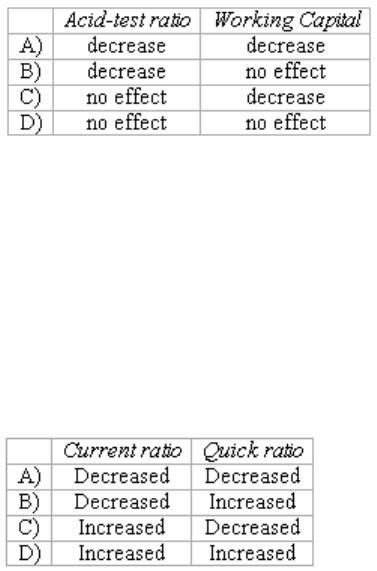
23. Zack Company has a current ratio of 2.5. What will be the effect of a purchase of inventory with cash
on the acid-test ratio and on working capital?
A) A above
B) B above
C) C above
D) D above
Level: Medium LO: 3 Ans: B
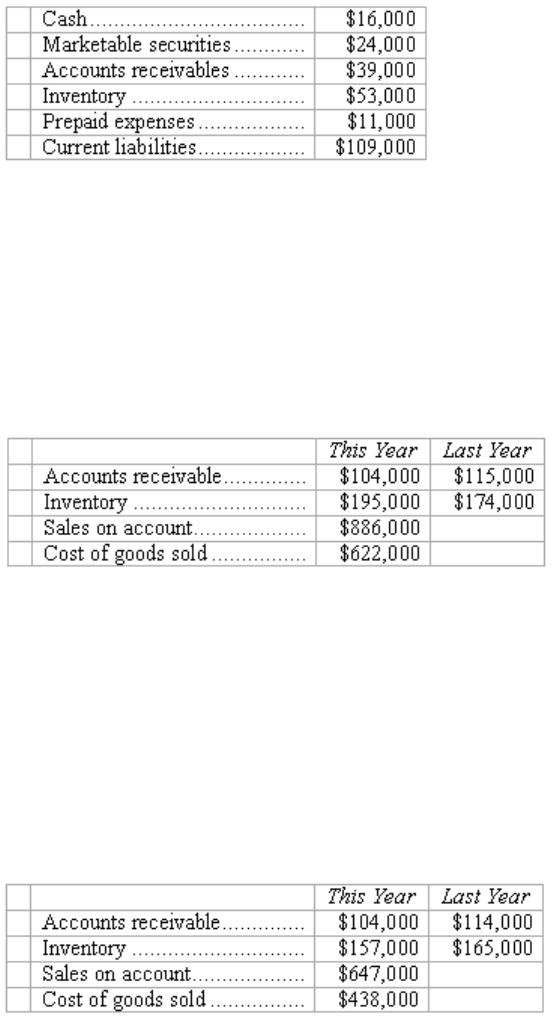
24. Solomon Company has a current ratio greater than 1 and an acid-test ratio less than 1. How would
cash payments to suppliers to reduce accounts payable affect these ratios?
A) A above
B) B above
C) C above
D) D above
Level: Hard LO: 3 Ans: C
25. Norton Inc. could improve its current ratio of 2 by:
A) paying a previously declared stock dividend.
B) writing off an uncollectible receivable.
C) selling merchandise on credit at a profit.
D) purchasing inventory on credit.
Source: CMA, adapted
Level: Hard LO: 3 Ans: C
Brewer, Introduction to Managerial Accounting, 3/e217
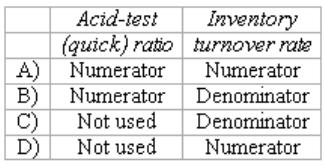
26. How is the average inventory used in the calculation of each of the following?
A) A above
B) B above
C) C above
D) D above
Level: Medium LO: 3 Ans: C
27. Bernadette Company has an acid-test (quick) ratio of 2.0. This ratio would decrease if:
A) previously declared common stock dividends were paid.
B) the company collected an account receivable.
C) the company sold merchandise on open account that earned a normal gross margin.
D) the company purchased inventory on open account.
Source: CMA, adapted
Level: Medium LO: 3 Ans: D
28. Sand Company has an acid-test ratio of 0.8. Which of the following actions would improve the
acid-test ratio?
A) Collect some accounts receivable.
B) Acquire some inventory on account.
C) Sell some equipment for cash.
D) Use cash to pay off some accounts payable.
Level: Medium LO: 3 Ans: C
29. Assuming stable business conditions, a decrease in the accounts receivable turnover ratio could be
explained by:
A) an easing of policies with respect to the granting of credit to customers.
B) stricter policies with respect to the granting of credit to customers.
C) a speedup in collection of accounts from customers.
D) none of these.
Level: Medium LO: 3 Ans: A
30. Accounts receivable turnover will normally decrease as a result of:
A) the write-off of an uncollectible account against the allowance for bad debts.
B) a significant sales volume decrease near the end of the accounting period.
C) an increase in cash sales in proportion to credit sales.
D) a change in credit policy to lengthen the period for cash discounts.
Brewer, Introduction to Managerial Accounting, 3/e 218
Level: Medium LO: 3 Ans: D
Brewer, Introduction to Managerial Accounting, 3/e219
31. Stern Company has 100,000 shares of common stock and 20,000 shares of preferred stock
outstanding. There was no change in the number of common or preferred shares outstanding during the
year. Preferred stockholders received dividends totaling $140,000 during the year. Common stockholders
received dividends totaling $210,000. If the dividend payout ratio was 70%, then the net income was:
A) $200,000
B) $300,000
C) $500,000
D) $440,000
Level: Hard LO: 2 Ans: D
32. The market price per share of Farren Co. stock at the beginning of the year was $60.00 and at the end
of the year was $72.00. Net income for the year was $48,000. Dividends to the preferred stockholders for
the year totaled $12,000, and dividends of $2.50 per share were paid on the 6,000 shares of common
stock outstanding during the year. The price-earnings ratio at year end was:
A) 10
B) 6
C) 11
D) 12
Level: Medium LO: 2 Ans: D
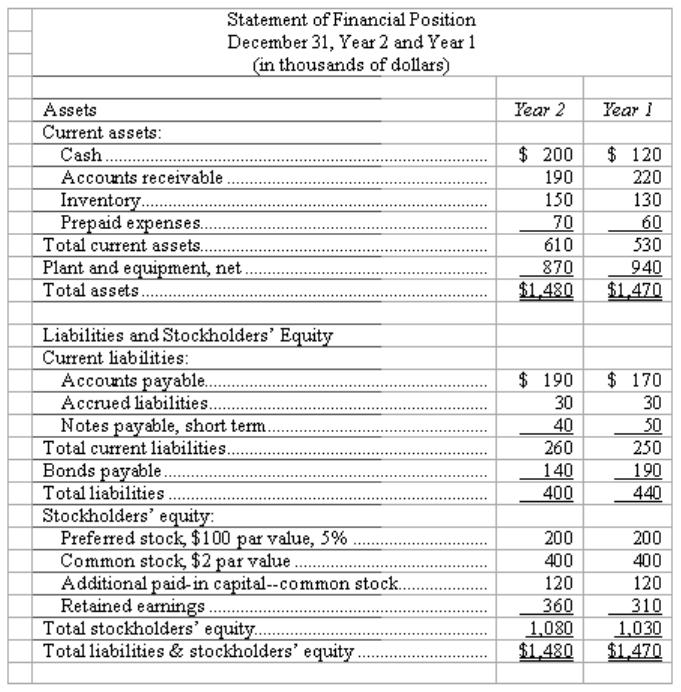
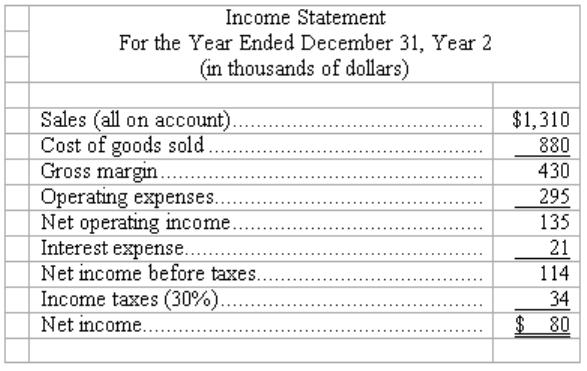
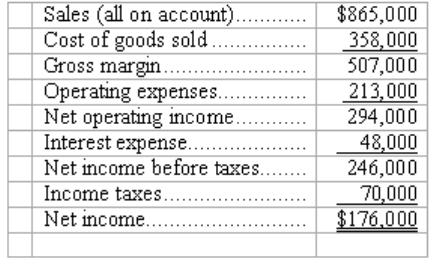
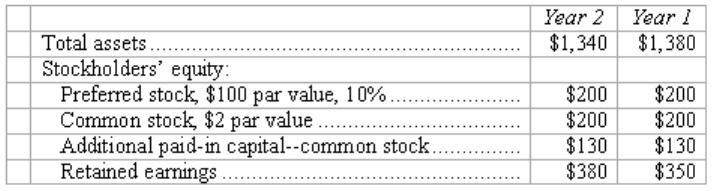
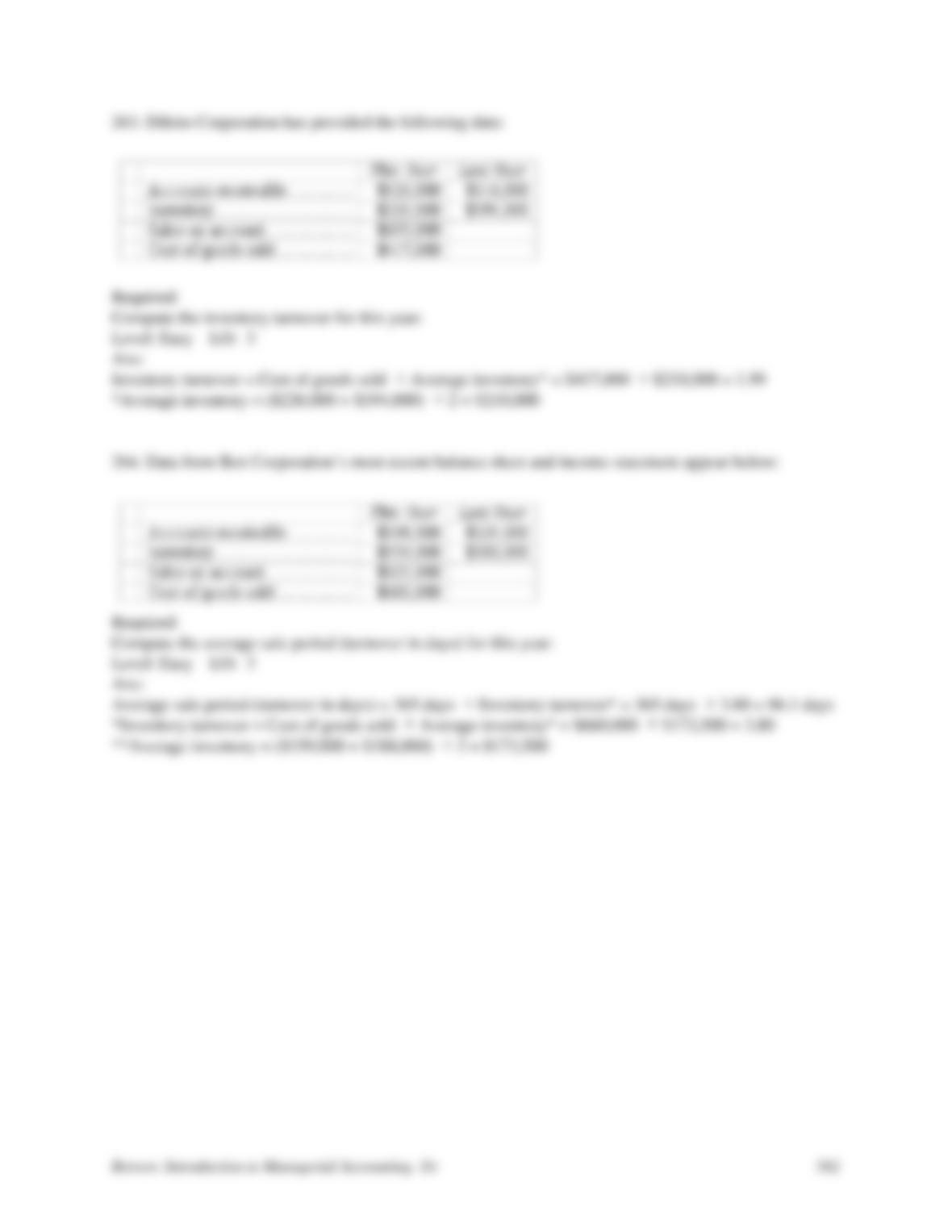
33. Fackrell Company has provided the following data:
The price-earnings ratio is closest to:
A) 1.50
B) 1.63
C) 2.50
D) 2.88
Level: Medium LO: 2 Ans: B
Brewer, Introduction to Managerial Accounting, 3/e 220
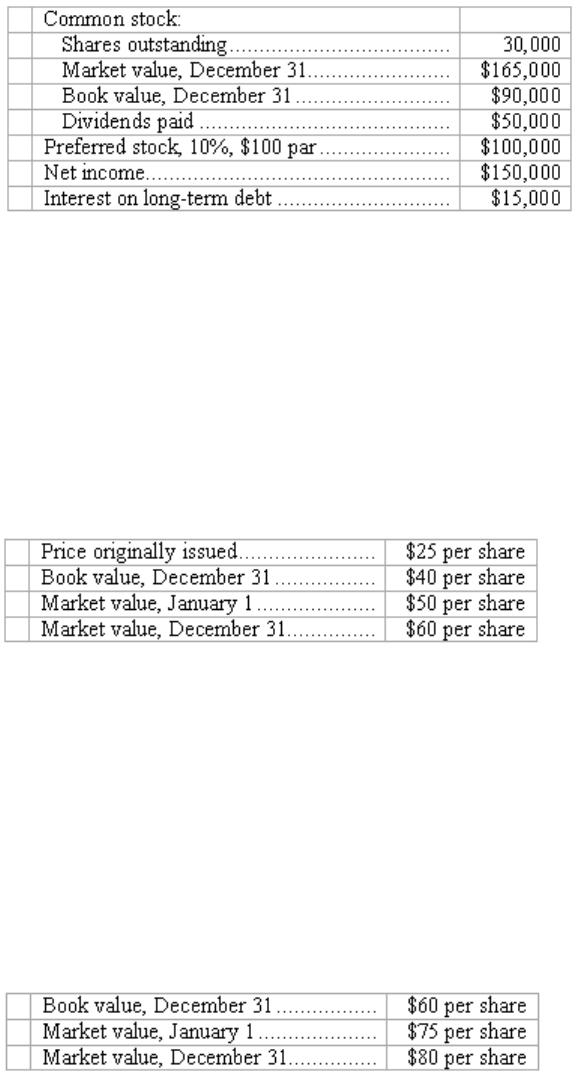
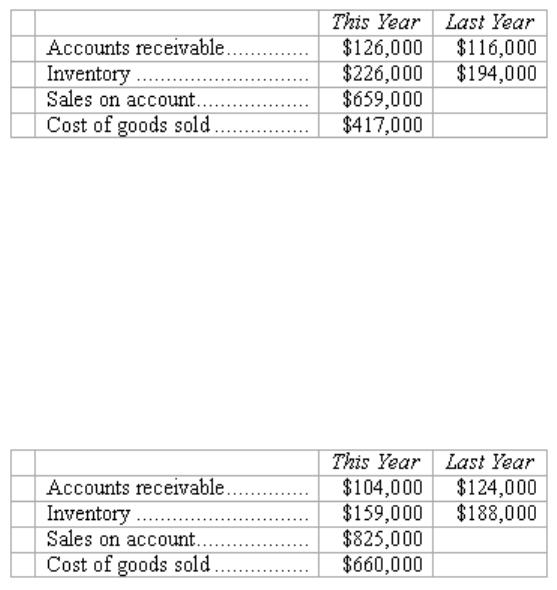
34. Farrell Company has provided the following data:
The price-earnings ratio is closest to:
A) 1.10
B) 1.18
C) 1.65
D) 1.83
Level: Medium LO: 2 Ans: B
35. Cammer Company has 40,000 shares of common stock outstanding. The following data pertain to
these shares for the most recent year:
The total dividend on common stock was $480,000. Cammer Company’s dividend yield ratio for the year
was:
A) 24%
B) 20%
C) 48%
D) 30%
Level: Medium LO: 2 Ans: B
36. Cameron Company has 40,000 shares of common stock outstanding that it originally issued for $30
per share. The following data pertains to these shares for the most recent year:
The total dividend on common stock was $360,000. The dividend yield ratio for the year was:
A) 11.25%
B) 12.00%
C) 15.00%
D) 30.00%
Brewer, Introduction to Managerial Accounting, 3/e221
Level: Medium LO: 2 Ans: A
Brewer, Introduction to Managerial Accounting, 3/e 222
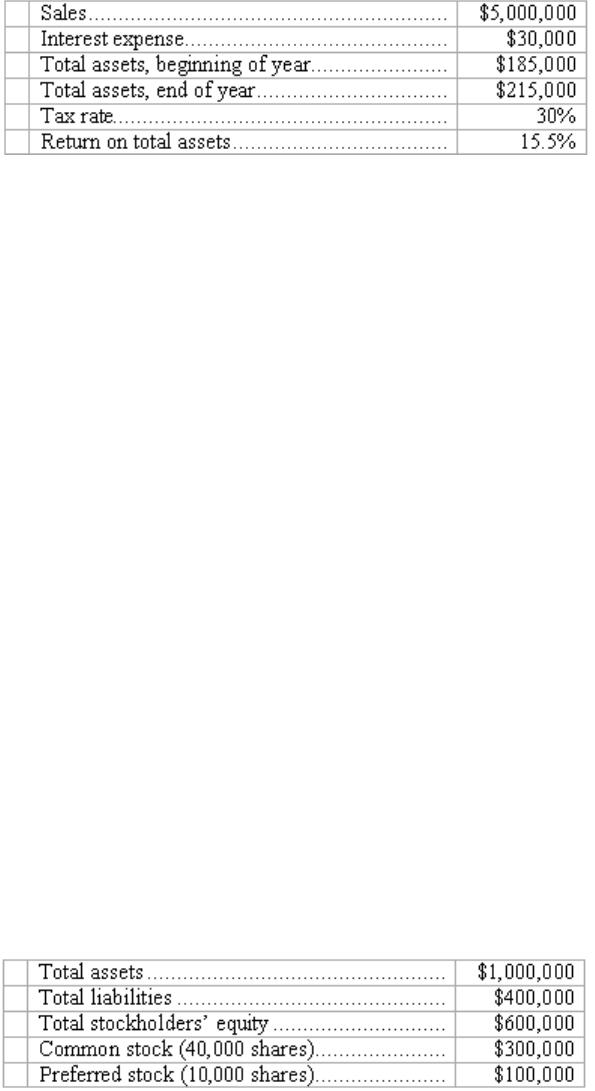
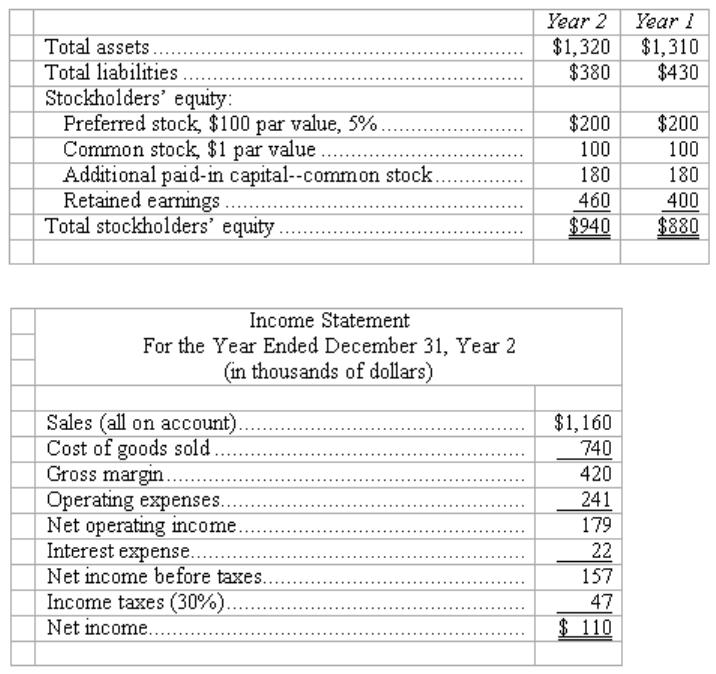
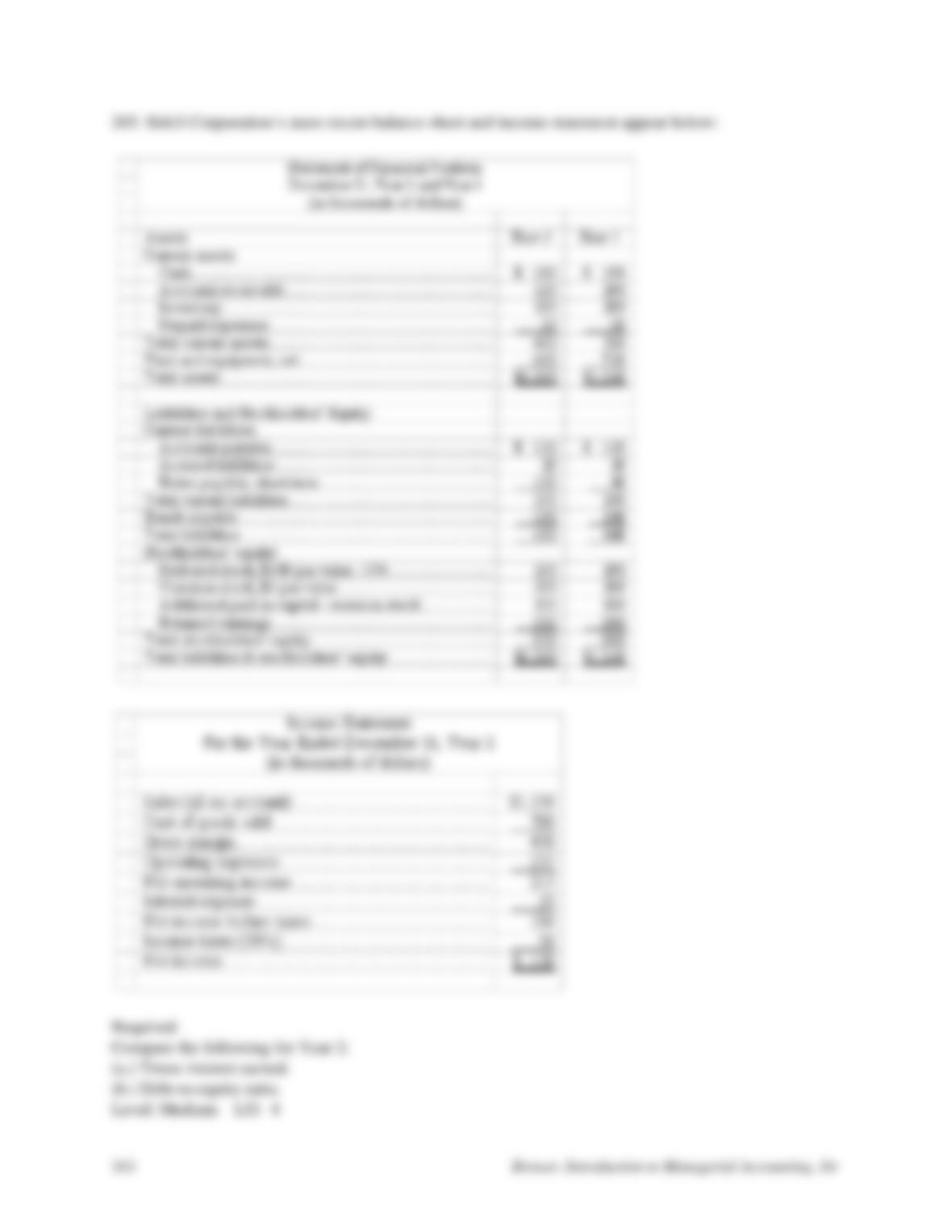
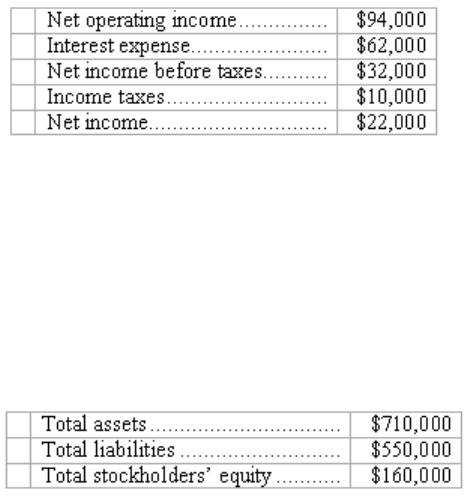
37. Tribble Company has provided the following data:
Tribble Company’s net income was:
A) $1,000
B) $10,000
C) $22,000
D) $31,000
Level: Hard LO: 2 Ans: B
38. Jense Company’s return on common stockholders’ equity is 16%. Midtown Bank has offered a
$100,000 loan at an annual interest rate of 14%. Jense currently has 50,000 shares of common stock and
10,000 shares of 8% preferred stock outstanding. The financial leverage of the loan would be:
A) positive.
B) negative.
C) neither positive nor negative.
D) cannot be determined with the data given.
Level: Easy LO: 2 Ans: A
39. If a company can borrow at an interest rate of 8%, the tax rate is 30%, and the company’s assets are
generating an after-tax return of 7%, then financial leverage is: