M11–1
1. D; the deductibility of interest makes debt more favorable than equity
2. E; the discretionary nature of dividends makes equity more favorable
3. D; the requirement that principal be repaid makes debt less favorable
4. E; to existing stockholders, the dilution of control from new stock issuances
makes equity less favorable (to them) than debt
M11–2
Issued shares include those that are outstanding (100) and held in treasury (50), so the
total issued is 150.
M11–3
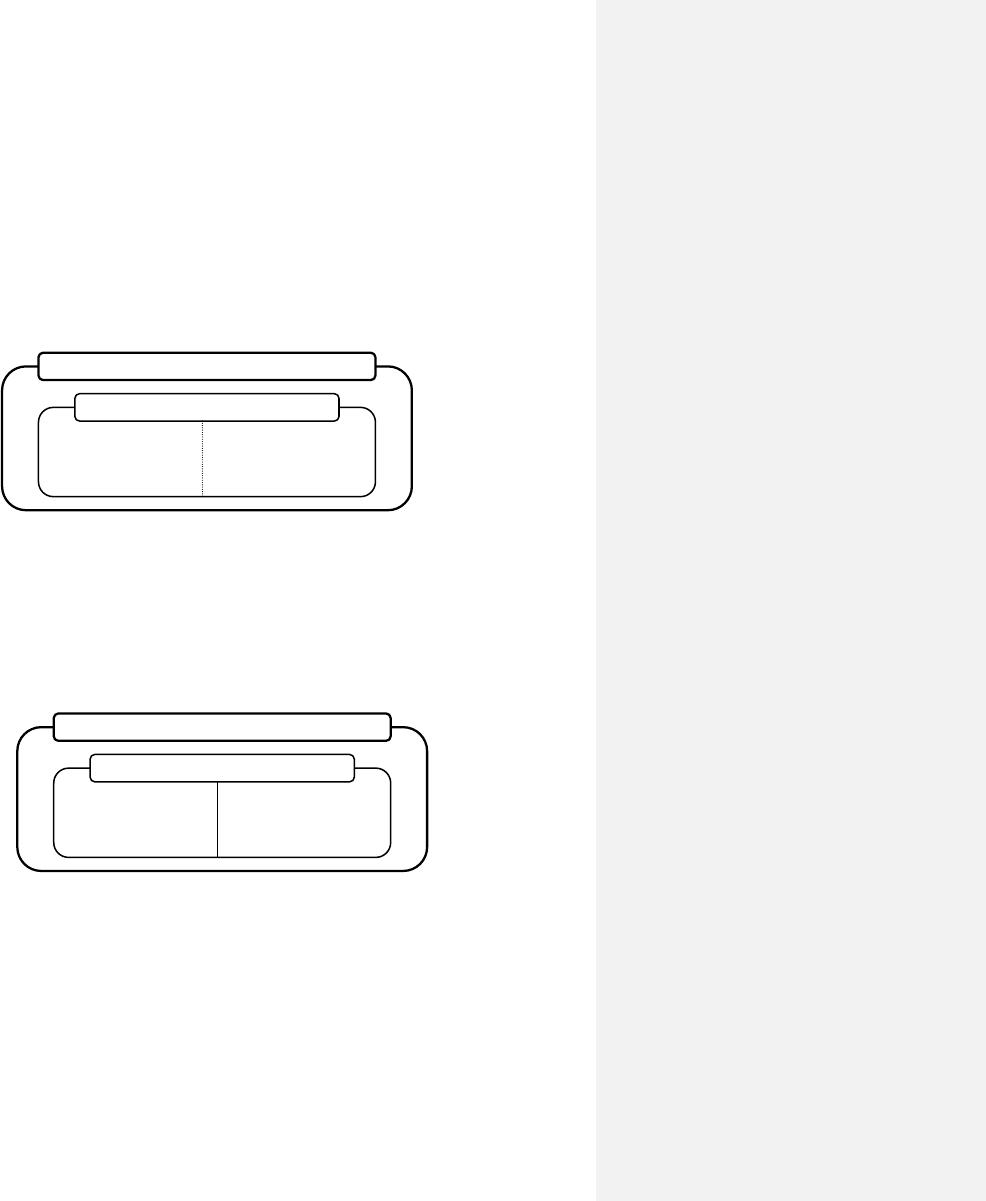
The number of issued shares cannot exceed the number authorized. The number
authorized is given in the exercise (300,000). Currently issued shares consist of those
outstanding with investors (200,000) and those in treasury (20,000). Thus, the number of
currently issued shares is 220,000 (= 200,000 + 20,000). This implies the company can
issue 80,000 additional shares (300,000 – 220,000) before it reaches the maximum
authorized of 300,000. Prior to the new issuance, the number of authorized, currently
issued, and treasury and outstanding shares can be illustrated as:
Treasury Stock
20,000 shares
Outstanding
200,000 shares
Authorized 300,000 shares
Currently Issued 220,000 shares
Treasury Stock
50 shares
Outstanding
100 shares
Authorized 500 shares
Currently Issued 150 shares
M11–4
Assets
Liabilities
Stockholders’ Equity
Cash +50,000
NE
Common Stock +1,000
Additional Paid-in Capital +49,000
Cash (1,000 $50)
……………………………………………………….……………..
50,000
Common Stock (1,000 $1)
……………………………………………………….……………..
1,000
Additional Paid-in Capital, Common Stock
……………………………………………………….……………..
49,000
The effects on total assets and total stockholders’ equity would not be different if the par
value were $2, but the amounts recorded within individual stockholders’ equity
accounts would differ as follows:
Assets
Liabilities
Stockholders’ Equity
Cash +50,000
NE
Common Stock +2,000
Additional Paid-in Capital-Common +48,000
Cash (1,000 $50)
……………………………………………………….……………..
50,000
Common Stock (1,000 $2)
……………………………………………………….……………..
2,000
Additional Paid-in Capital, Common Stock
……………………………………………………….……………..
48,000
M11–5
Assets
Liabilities
Stockholders’ Equity
Cash +50,000
NE
Common Stock +50,000
Cash (1,000 $50)
……………………………………………………….……………..
50,000
Common Stock (1,000 $50)
……………………………………………………….……………..
50,000
Assuming the no-par value stock is issued for the same price as the par value stock
($50 per share), the effects on total assets, total liabilities, and total stockholders’
equity do not differ between no-par and par value stock.
M11–6
M11–7
Dividend amount to be paid = Shares outstanding x dividend rate
Total
Assets
Total
Liabilities
Total
Stockholders’
Equity
Net
Income
1. Sold 5,000
shares
Cash: increase
by $250,000
No change
Increase by
$250,000
No change
2. Sold 10,000
shares
Cash: increase
by $370,000
No change
Increase by
$370,000
No change
3. Purchased
20,000 shares
of treasury
stock
Cash: decrease
by $900,000
No change
Decrease by
$900,000
No change