International Trade Issues
Lecture 3

Nature of International trade
•International Trade – is the exchange of goods and services among
nations.
•Imports – are goods and services purchased from other countries.
•Exports – are goods and services sold to other countries.

Government Involvement in International Trade
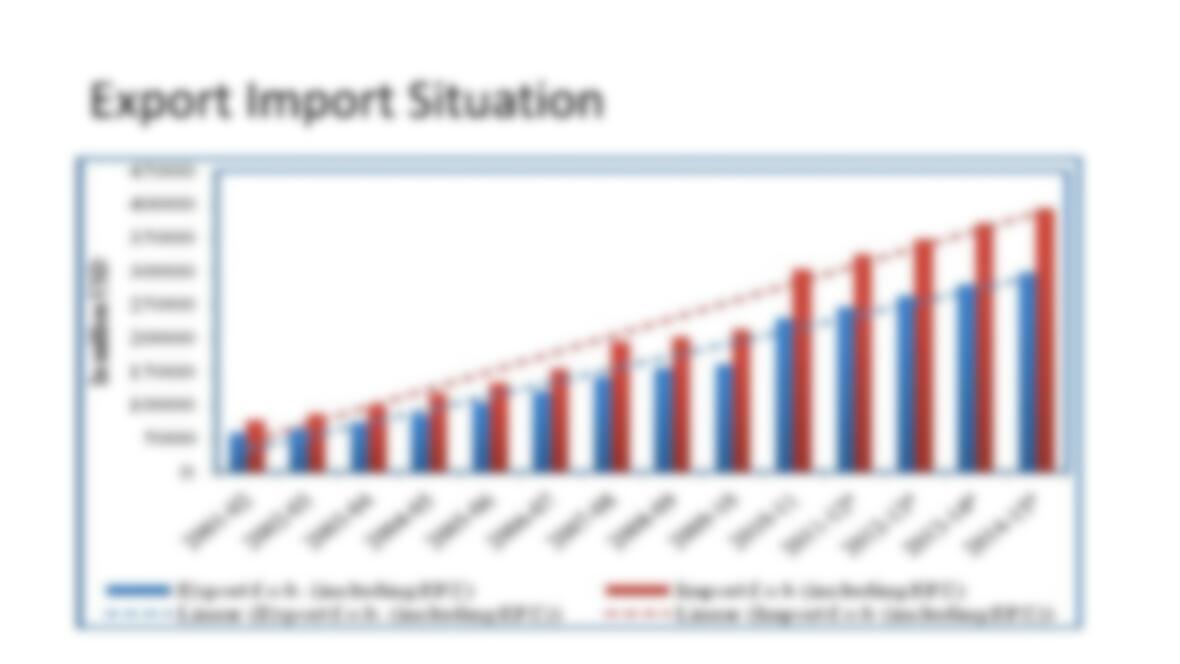
•Balance of Trade – the difference between exports and imports.
•Trade Surplus = nation exports more than imports.
•Trade Deficit = nation imports more than exports.
•Generally, government encourages more export than imports.

International Trade
The principle of economic
interdependence is fundamental to
marketing in a global environment.

Global production chains – Ins and outs
International consumer demand
Export processing zones
Development of infrastructure
and technological progress
Lower applied tariffs
and trade policy incentives
Outsourcing and offshoring strategies
and FDI
Emergence of “Trade in tasks”:
Need for new statistical
measures of international trade
Global production chains
and world trade
•Predominance of
trade in intermediate
goods
•Development of
intra-firm trade
•Increase of processing
trade

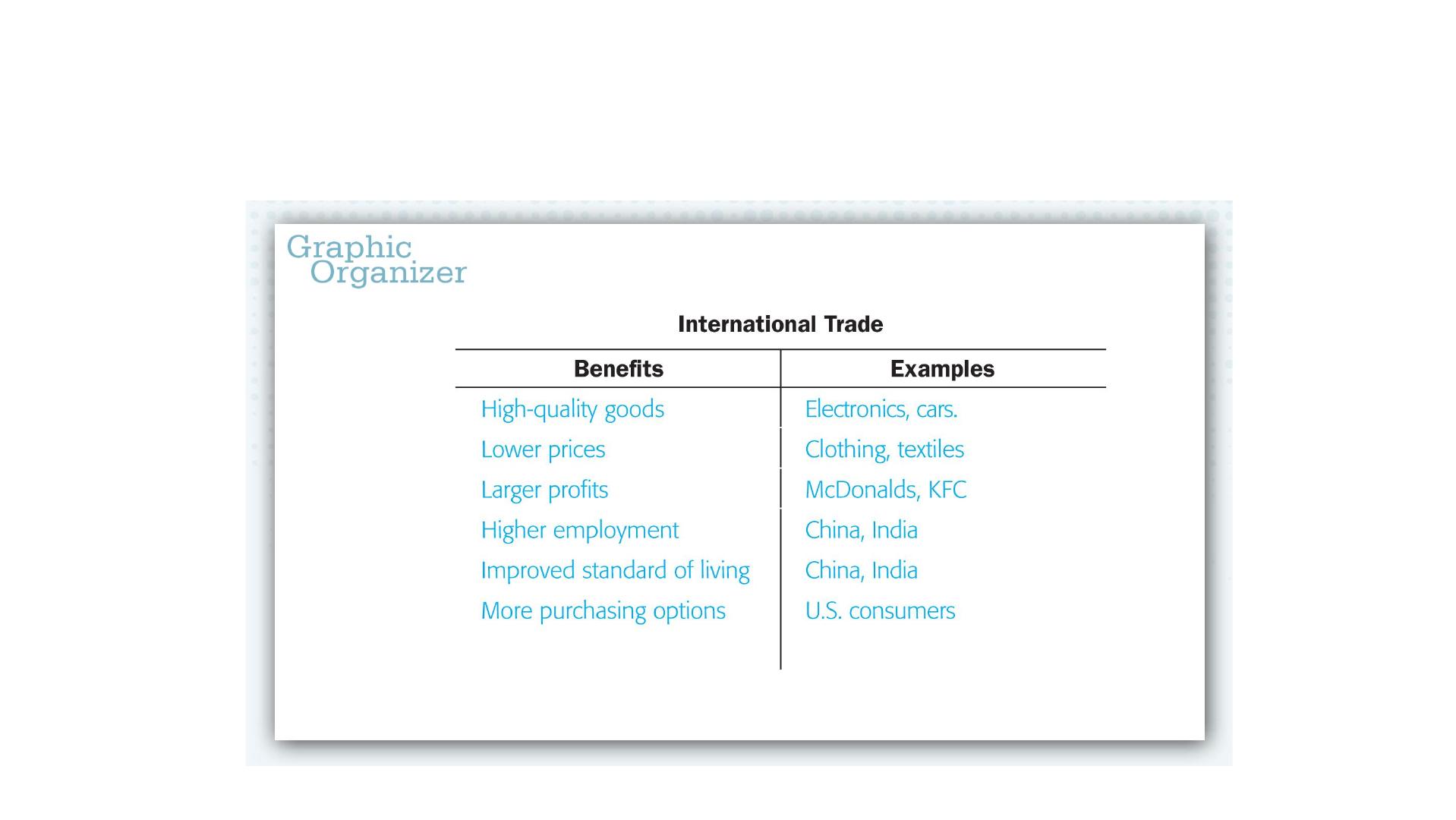
Benefits of International Trade
•Consumers, workers, producers, and nations benefit from international
trade in different ways.
•COMPETITION = lower prices, better products, variety of products.
•1/3 of USA profits comes from international trade and foreign
investments.
•Workers benefit from higher employment rates
International Trade
The Benefits of International Trade

Terms
•Absolute advantage
•Comparative advantage
•Opportunity cost
•Factor endowments
•Imports
•Exports
•Tariff and nontariff barriers

Learning Export
•Present Situations
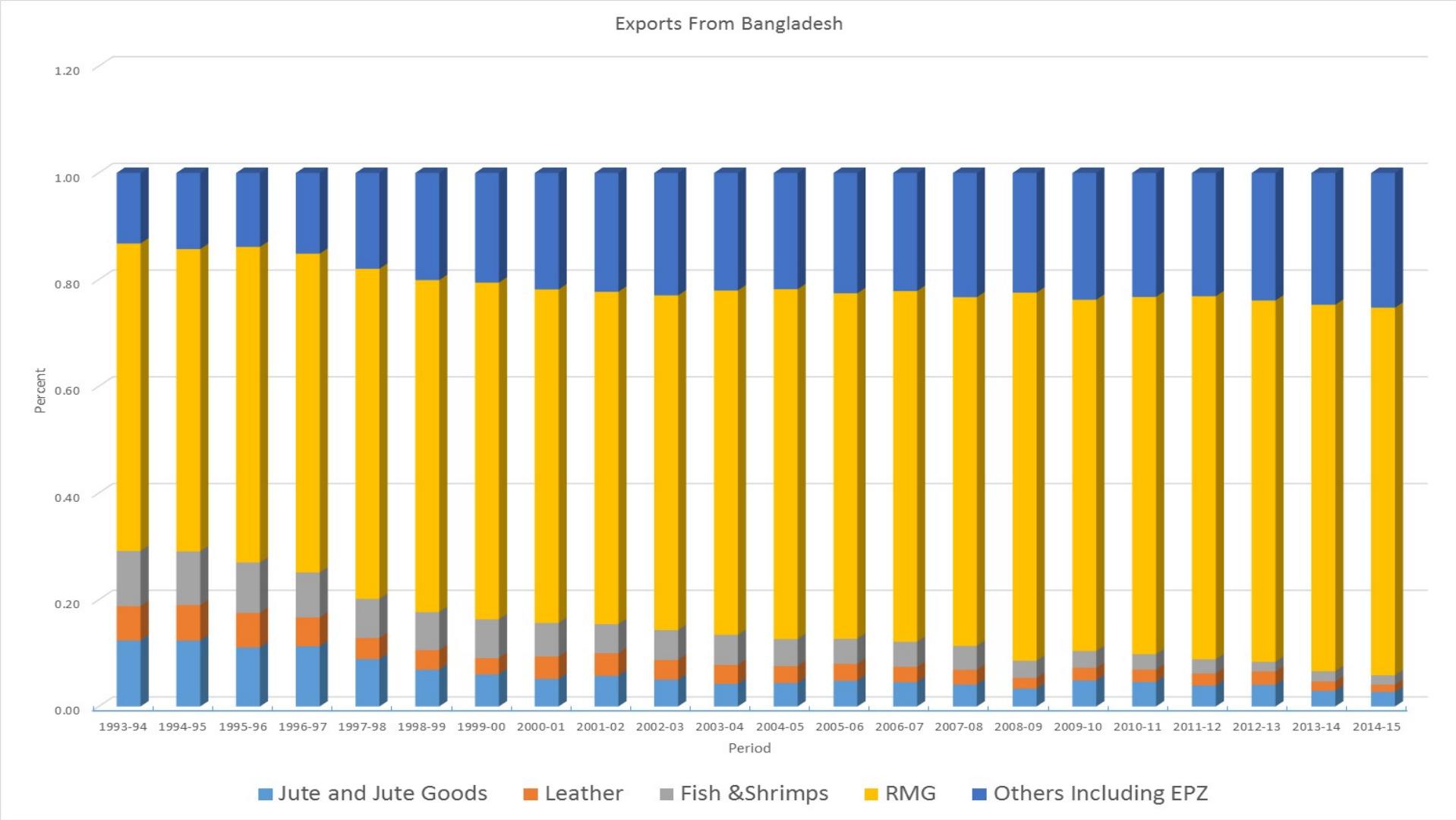
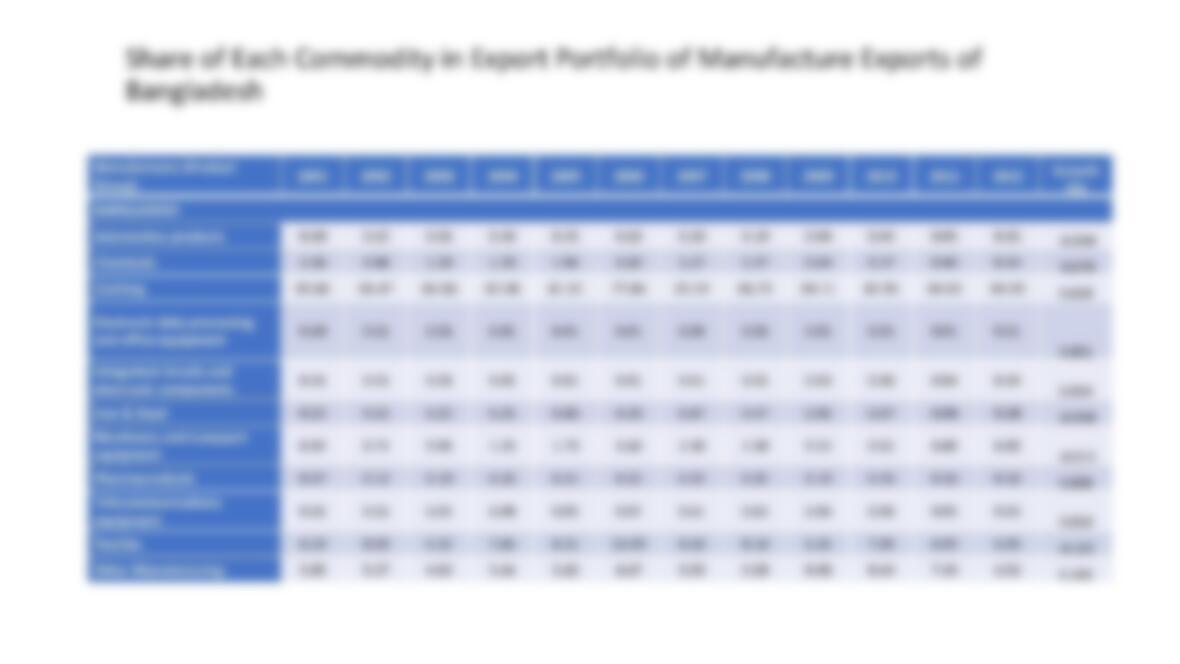
•Product lists (Top 10 products cover almost 96.4% of the overall value of its global
shipments)
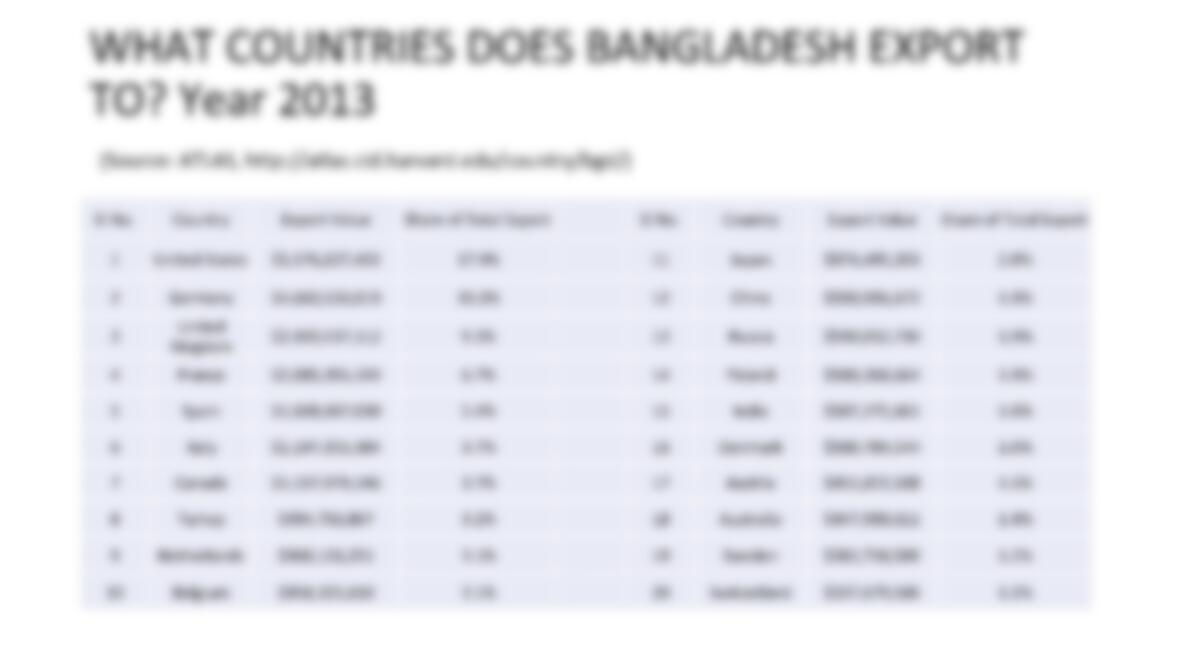
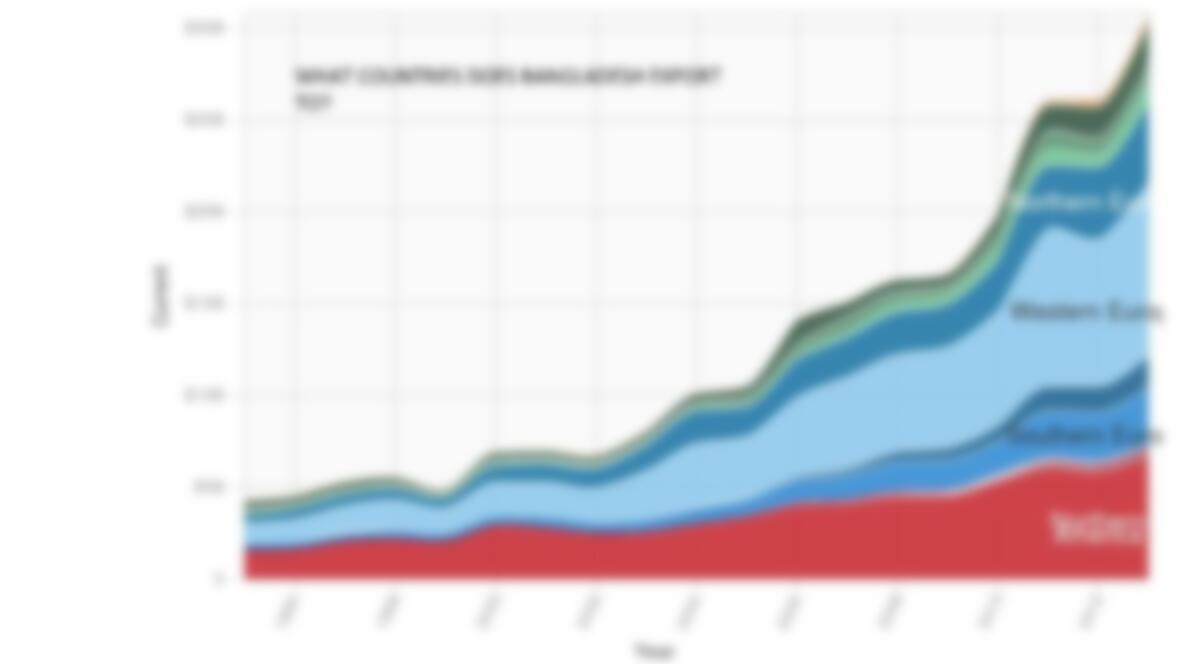
•Export Destinations (top exporting country, region, block)
•Performance evaluation of export (Production, Supply chain, Value chain, export
volume, price of the product, market share, trend analysis etc.)
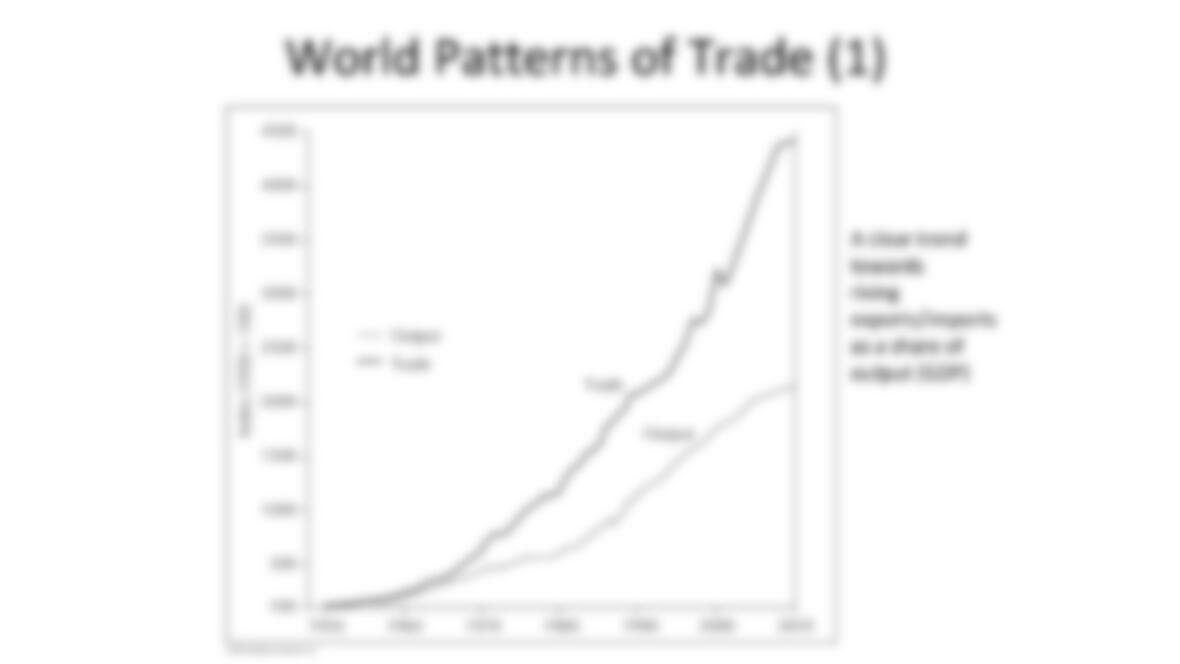
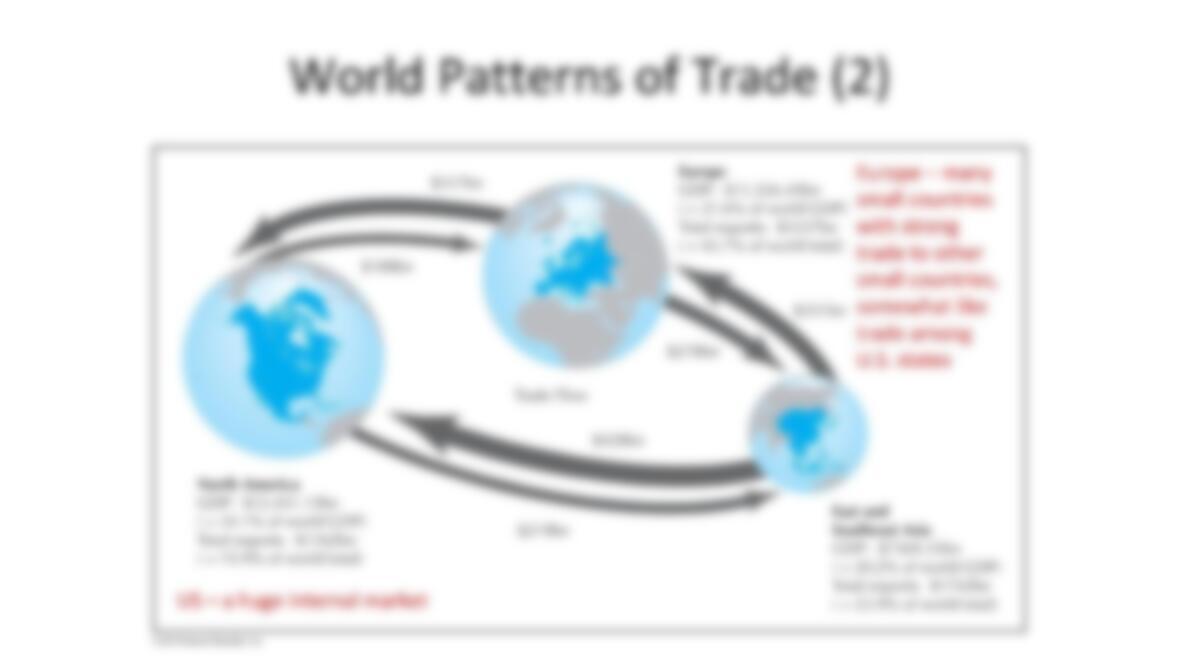
•Describing the evolving pattern of international commerce
•Success factors of each export item/Determinants of each export item
•Future Situations
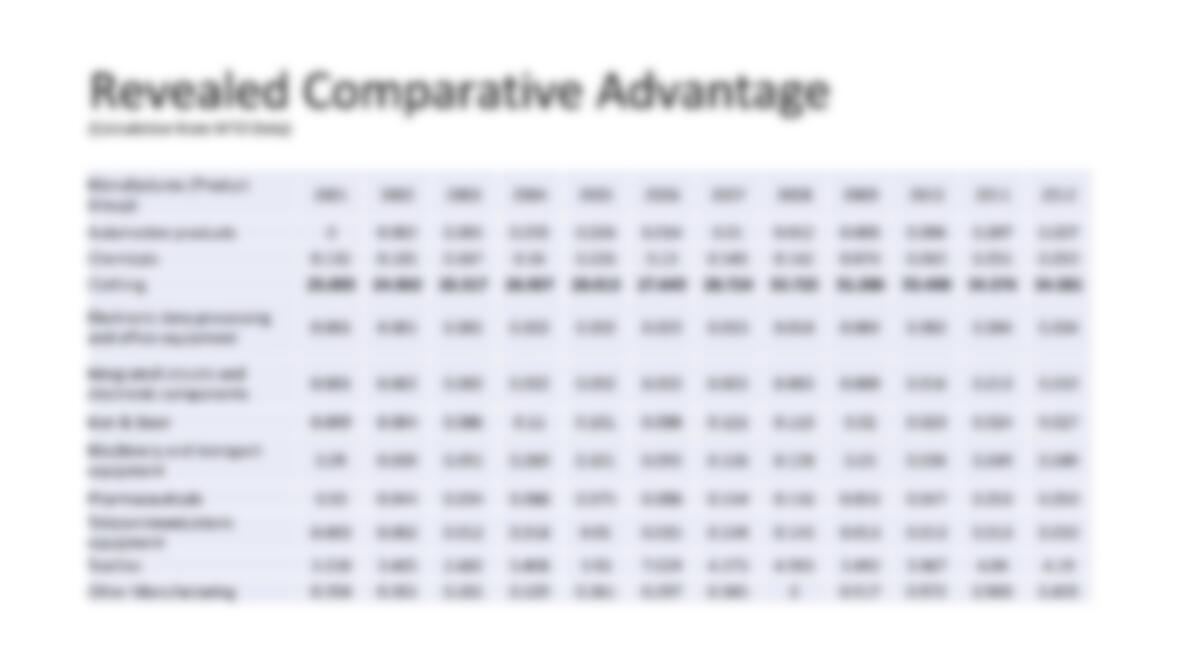
•Competitiveness of exporting each item (OCED measurement, Revealed
Comparative advantage etc.)
•Sustainability of each export item (problems and prospects)
•New product (Papad), New market, new technology, innovation, productivity,
opportunity costs, resource allocation
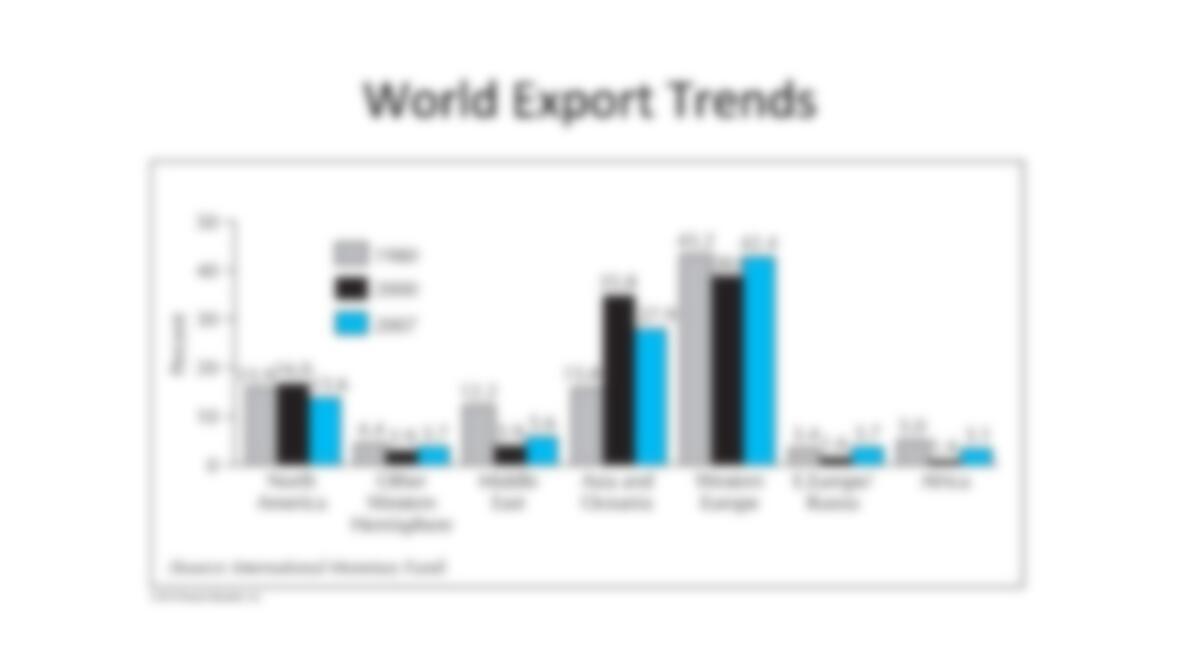
•Documenting the emerging markets for global exports
•Examination of global trade flows in six major commodity groups
https://oec.world/en/profile/country/bgd/

Learning Export from Different Perspective
•Individuals
•Understanding the tune of Export policy order
•Exploring business opportunities (gross exports to the GDP remains modest at
about 16 per cent. Countries with strong policies drive the exports up to 40-45 per
cent of GDP. If Bangladesh is to raise its growth rate up to the 8-10 per cent range,
then the export growth must be accelerated and diversified).
•Policy Makers
•Evaluate the future situations (Comparative Advantage, Revealed Comparative
advantage, Term of Trade etc.)
•Investment / Divestment (must focus on export market. There are no examples of
rapid growth based on domestic oriented production)
•Total Factor Productivity
•Conducive Environment creation (Report on Meat Export)
•Promoting Business in International market
•Strengthening economic diplomacy (inviting our importers to invest in the products
they import, RMG for China)

Learning Import
•Present Situations
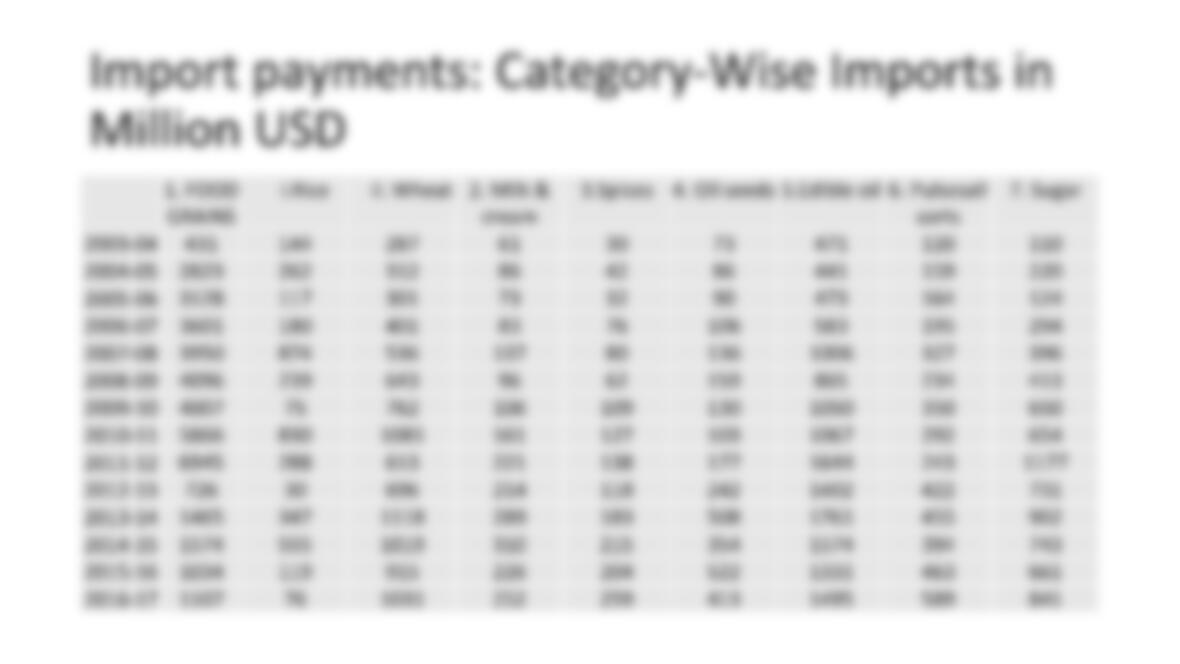
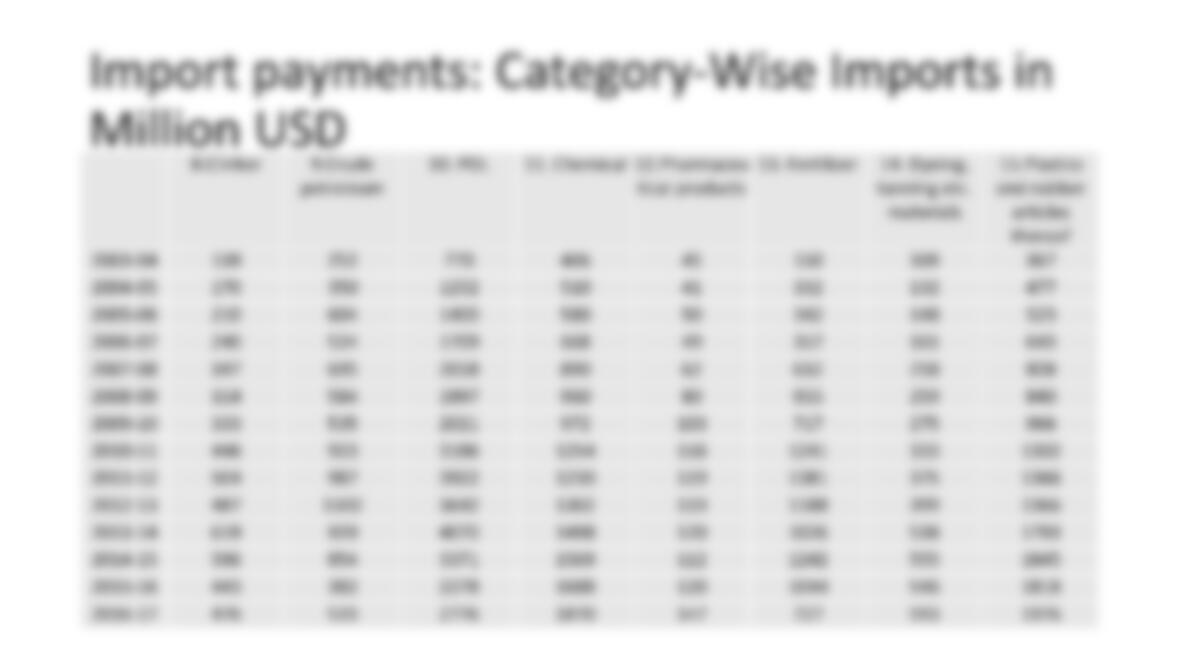
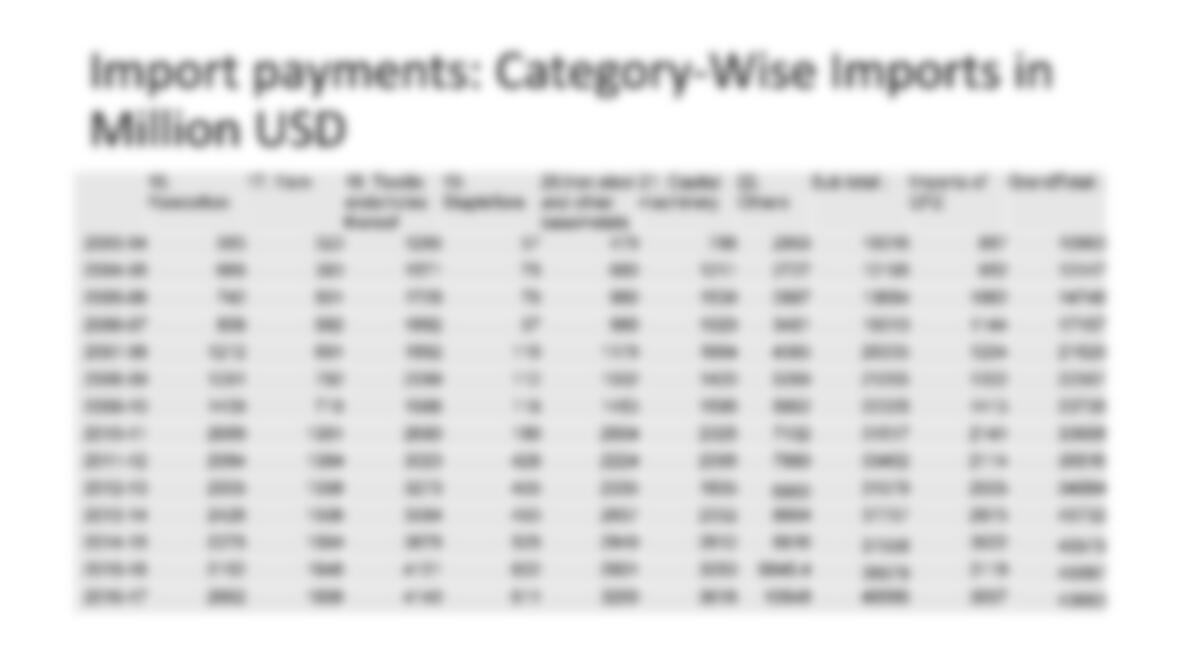
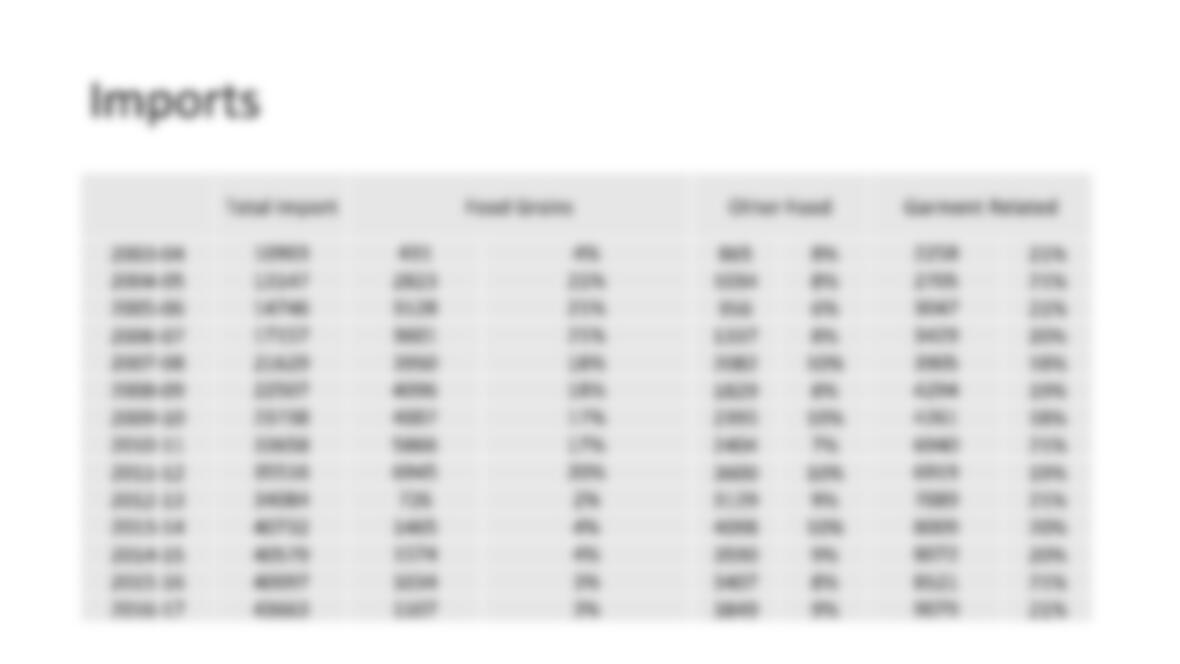
•Product lists (Bangladesh’s top 10 imports represent almost two-thirds
(63.5%) of the overall value of its product purchases from other countries)
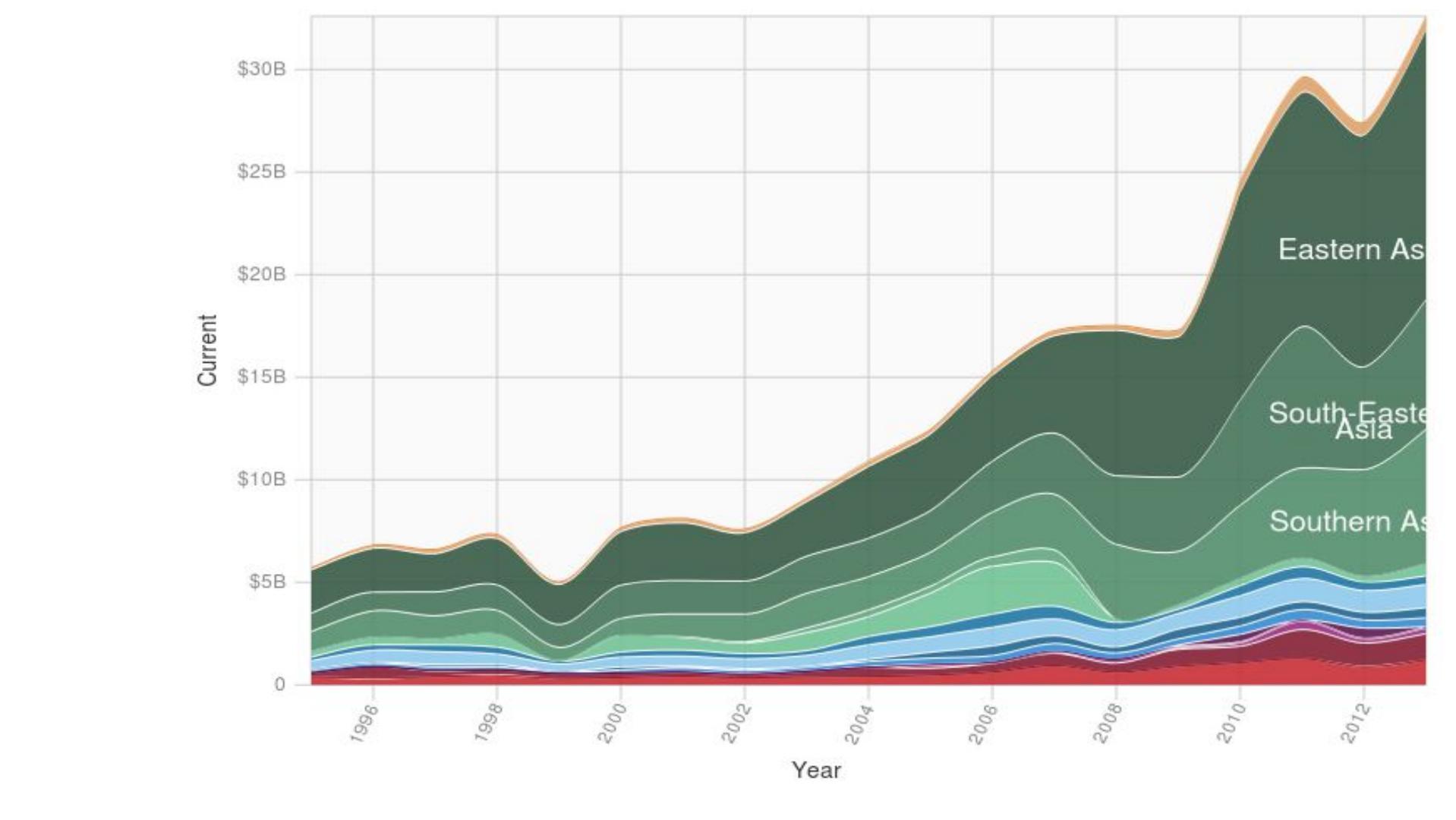
•Destinations of import (top importing country, region, block, trend analysis
etc.)
•Performance evaluation of import (Import volume, price of the product,
market share, trend analysis, Demand of the products etc.)
•Determinants of each import item
•Future Situations
•Competitiveness of each import item (Import substitution)
•Problems and prospects importing each item
•New market (we should find out alternative sources for onion export),
opportunity costs, resource allocation

Learning Import from Different Perspective
•Individuals