MAD PROJECT
Final Report
Improving Primary health care facilities in Veluk
village by exploring virtual consultation methods
Submitted by:
Nandita Raghunath – 1901029 – Section A
Neeraj Ranjan – 1901030 – Section A
Neha Agarwal – 1901031 – Section A
Sanjay Venkataraaman – 1901047 – Section A
Sharven Khator – 1901048 – Section A
Shivam Dubey – 1901049 – Section A

1
Table of Contents
PROPOSAL …………………………………………………………………………………………………………………………. 2
Background ……………………………………………………………………………………………………………………….. 2
Problem Statement ……………………………………………………………………………………………………………… 2
Timeline ……………………………………………………………………………………………………………………………. 2
INTRODUCTION TO THEME ……………………………………………………………………………………………. 3
Details about the village ………………………………………………………………………………………………………. 3
MACRO AND MICRO LEVEL PERSPECTIVE ON THE ISSUE ………………………………………… 4
GLOBAL PERSPECTIVE ………………………………………………………………………………………………….. 4
Key Highlights and Problems (who.int, 2019) ……………………………………………………………………….. 4
Current Initiatives by WHO: ………………………………………………………………………………………………… 5
Need for acceleration: ……………………………………………………………………………………………………… 6
NATIONAL PERSPECTIVE ………………………………………………………………………………………………. 7
CURRENT SCENARIO: …………………………………………………………………………………………………. 7
Government expenditure on healthcare: …………………………………………………………………………….. 7
Number of nurses in PHC: ……………………………………………………………………………………………….. 8
LOCAL PERSPECTIVE (State) …………………………………………………………………………………………… 9
Pre COVID-19 Healthcare Industry Perception in Gujarat & Surat ……………………………………….. 9
Post COVID-19 Healthcare Industry Perception in Gujarat & Surat …………………………………….. 10
PROBLEM DEFINITION ………………………………………………………………………………………………….. 12
DATA & ANALYSIS ………………………………………………………………………………………………………….. 12
RECOMMENDATIONS …………………………………………………………………………………………………….. 14
REFERENCES …………………………………………………………………………………………………………………… 16

2
PROPOSAL
Background
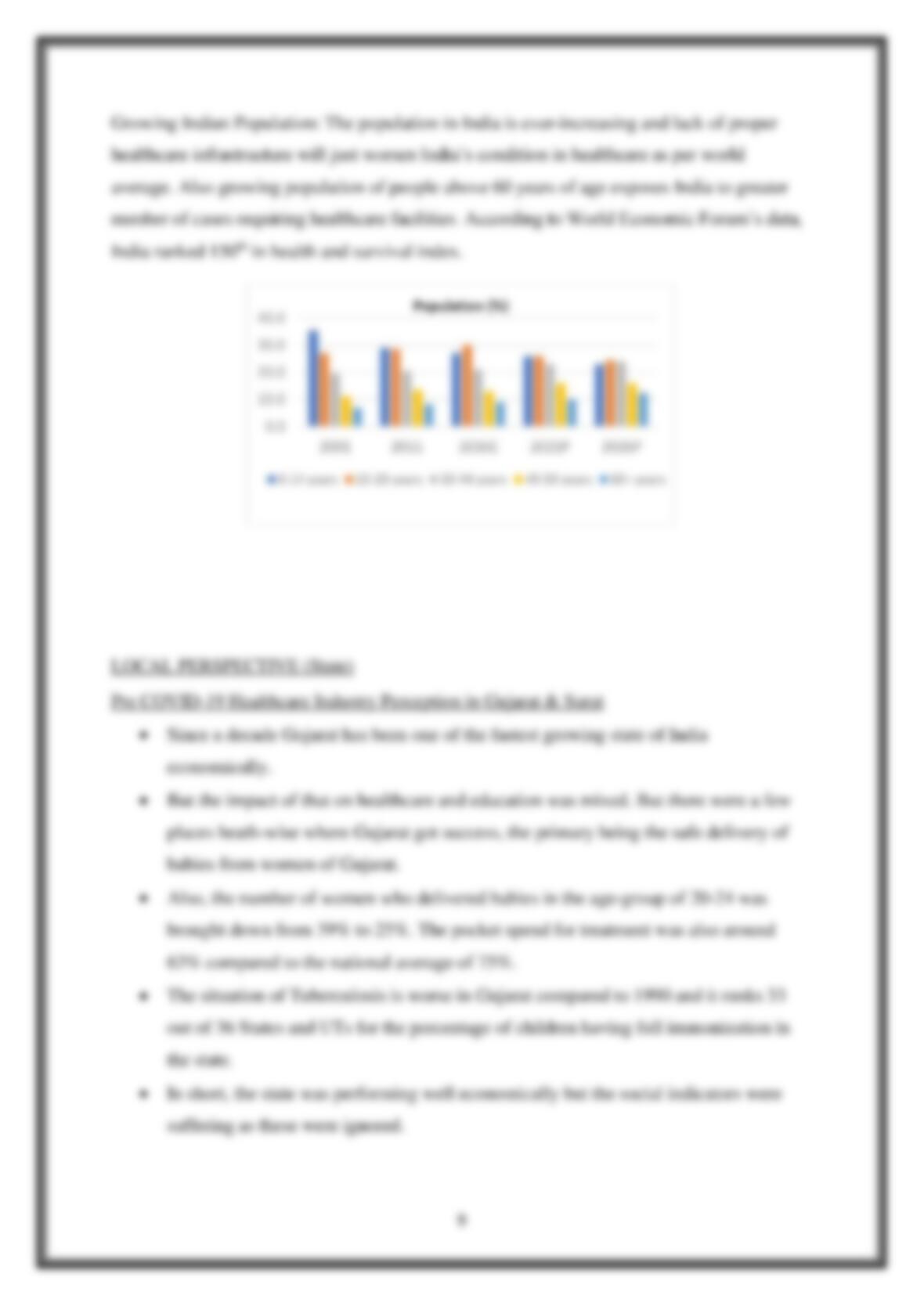
Primary healthcare is a major problem that is widespread across smaller villages and towns in
India. According to an article from gram vaani about 8% of PHCs do not have doctors, and
18% do not even have pharmacists. Veluk is one such village from the Olpad (Gramvaani.org,
n.d.) Taluka near Surat in Gujarat. With a population of just about 2000, the village has only
one primary health care centre with a Government doctor scheduled to come there on a regular
basis. The problem that the village is currently facing is the infrequent visitations made by the
Doctor. When a team member had gone to visit the village and speak to the people there, he
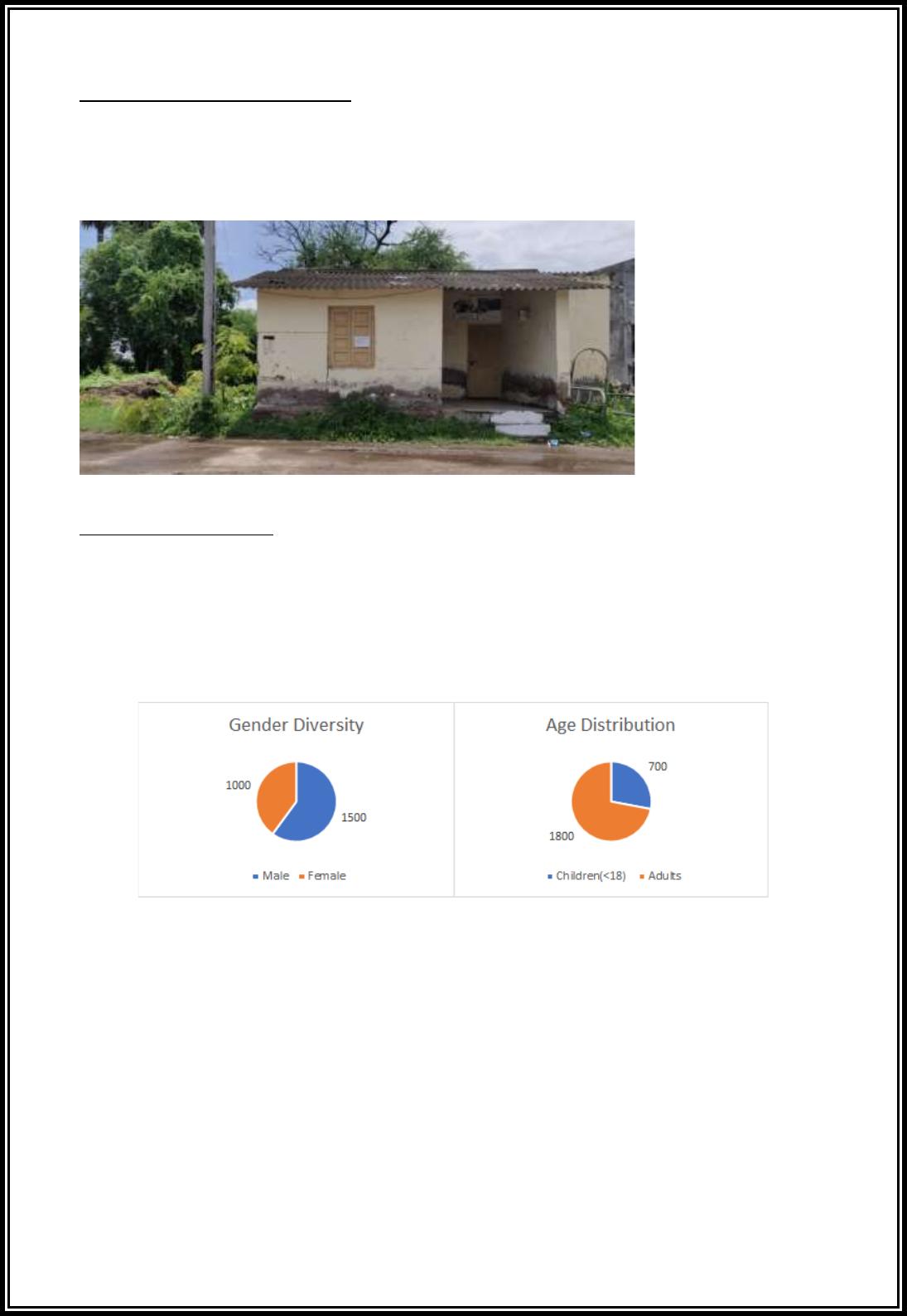
came to find out that the doctor had not visited in the last three to four days. The picture below
shows the closed PHC in the village on a weekday in the afternoon.
Problem Statement
The village does not have a pharmacy of its own, and relies on the Doctor who visits to provide
them with the medicines required for their treatment after check-ups. The infrequent visits
make it difficult for the villagers as some health issues that could be treated with primary care
worsen due to the infrequent visits of the doctor or the existence of a pharmacy.
In case of emergencies they are forced to go to a hospital that is almost 10 kms away, and no
first aid or immediate treatment can be given to the patient due to the lack of resources.
Timeline
1. Primary Research – August 25th, 2020
2. Analysis of data collected from Primary and Secondary Research – September 10th
2020
3. Interacting with the Village Sarpanch and other representatives to see the feasibility of
ideas – September 30th, 2020
4. Final Recommendations – October 10th, 2020
5. Final Report – October 20th, 2020x
3
INTRODUCTION TO THEME
The theme that the group has chosen is “HEALTH”. India is a country that is still finding it
difficult to meet basic health needs of a large part of its population, more so in the smaller
villages and districts. The below is a picture of the PHC from Veluk village.
Village: Veluk
State: Gujarat
Address: Primary
Health Centre, Selut
Veluk Road, Veluk,
Gujarat, 395005
Details about the village
The team carried out primary research by reaching out to a couple of people from Veluk village.
The team understood the demographics of the village in terms of population, their income
status, access to smartphones, etc.
1. Population diversity: The village has a total population of 2500.
2. There are a total of 1000 families, of which only 70% stay in the village, rest have
migrated.
3. Every household has access to at least one smartphone. Airtel has the best connectivity
in this area, and is used by most of the people.
MACRO AND MICRO LEVEL PERSPECTIVE ON THE ISSUE
GLOBAL PERSPECTIVE
Key Highlights and Problems (who.int, 2019)
• In low- and middle-income countries, more than half the 15.6 million excess deaths
are amenable to health care and 42% of them are due to not using health services.
• The health workforce deficiency in low- and middle-income countries was estimated
by WHO at 17.4 million workers in 2013 and is particularly high in fragile settings.
• In six African countries, 70%–90% of clinics offer antenatal care, but only 10%–80%
have at least one staff member who has received antenatal care training in the past
two years. In those same countries, roughly 10%–50% of facilities offer diabetes care,