PART 1: INTRODUCTION TO ORGANIZATIONAL BEHAVIOR
CHAPTER 1: An Overview of Organizational Behavior
“The success of any organization is often determined by how effectively managers can enhance the
performance behaviors of their employees, enhance their commitment to and engagement with the
organization, promote citizenship behaviors, and minimize dysfunctional behaviors.”
Organizational Behavior (OB) is the study of human behavior in organizational settings, of the interface
between human behavior and the organization, and of the organization itself.
The Nature of Organizational Behavior
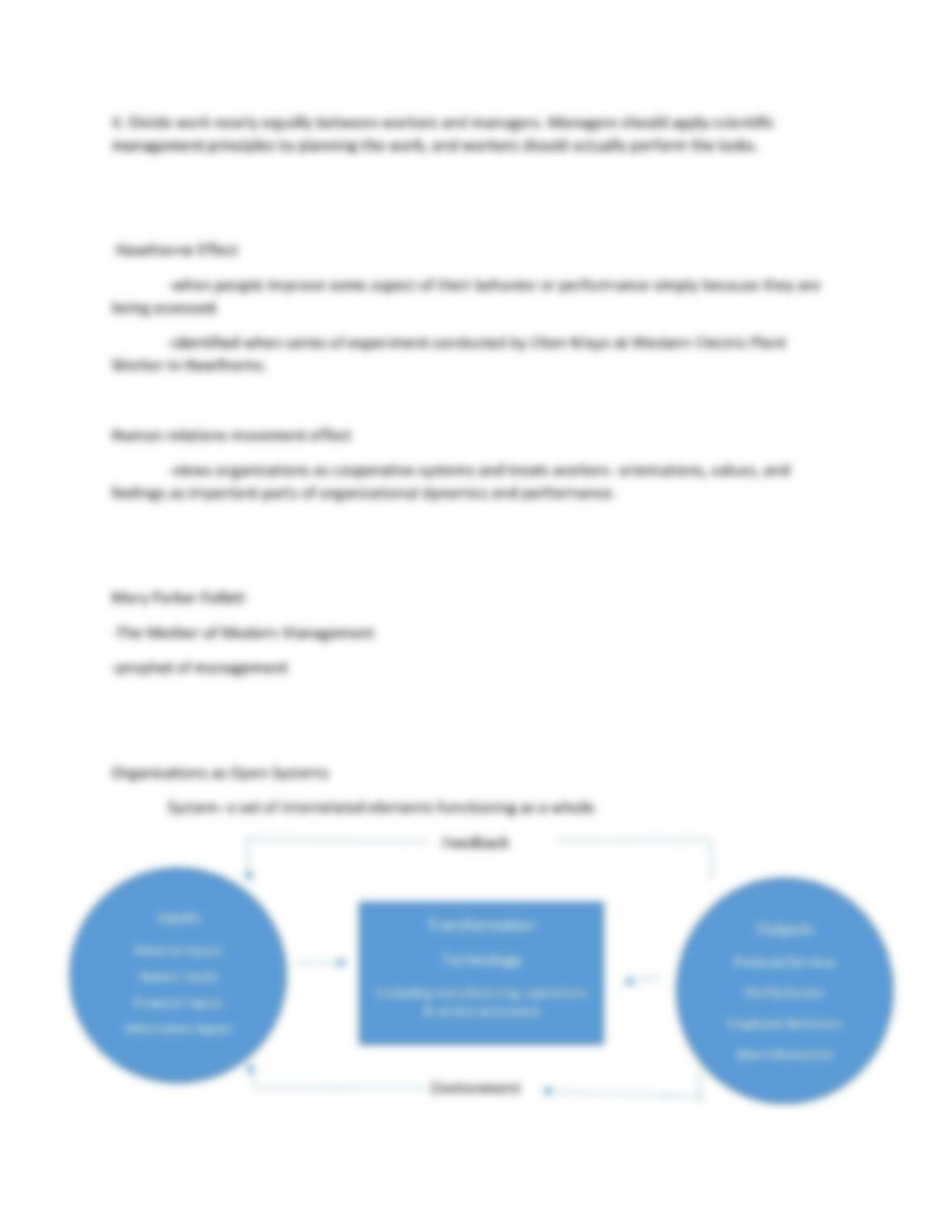
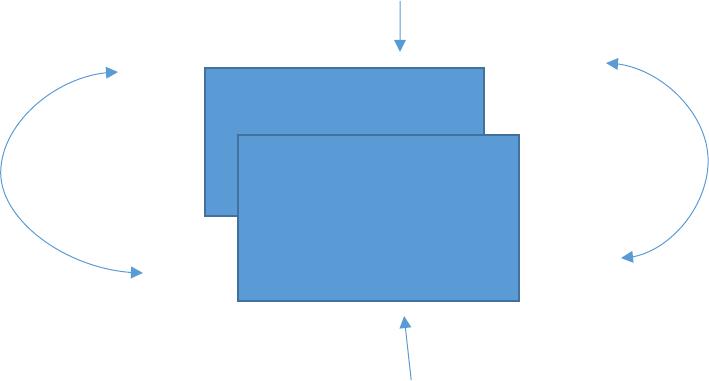
Figure 1.1
Environment
Environment
HOW ORGANIZATIONAL BEHAVIOR IMPACTS PERSONAL SUCCESS
The core of OB is being effective at work.
Human Behavior in
Organizational Settings
The Individual-
Organizational Interface
The Organization
HOW ORGANIZATIONAL BEHAVIOR IMPACTS ORGANIZATIONAL SUCCESS
By appropriately applying OB knowledge about individuals, groups, and the effect of
organizational structure on worker behavior, the conditions can be created that make organizations
most effective.
BASIC MANAGEMENT FUNCTIONS AND ORGANIZATIONAL BEHAVIOR
*Planning – determining an organization’s desired future position and the best means of getting there.
*Organizing – designing jobs, grouping jobs into units, and establishing patterns of authority between
jobs and units.
*Leading – getting the organization’s members to work together toward the organization’s goals.
*Controlling – monitoring and correcting the actions of the organization and its members to keep them
directed toward their goals.