Chapter 7 Public Opinion
Is the government always “of the people, for the people, by the people?” (what the
people want)
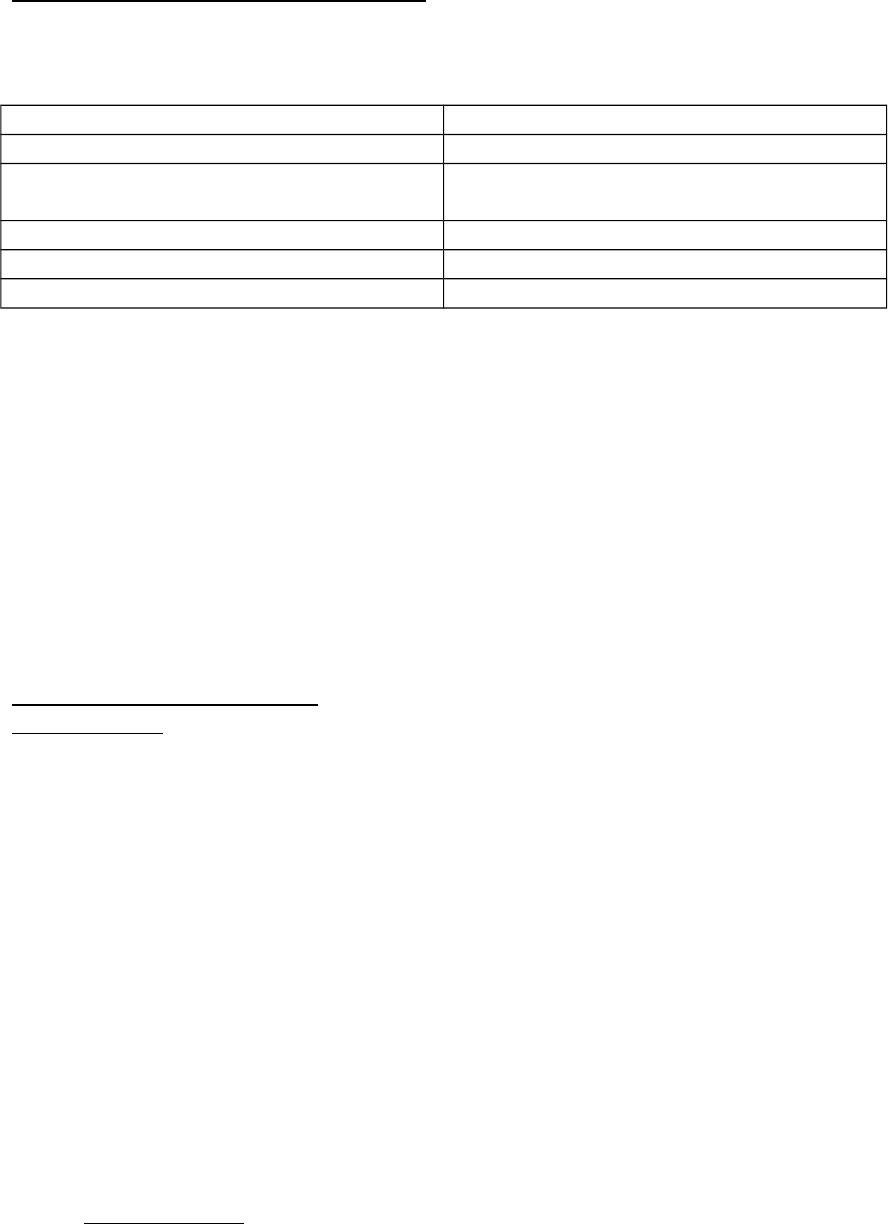
Gov does People want
Has large budget deficit Balanced budget
Order children to be bused to different
schools
Oppose bussing
Equal rights amendment wasn’t ratified Most people want it
HoR would impeach Clinton Most people opposed it
No limit to congress terms limit
–gov not supposed to be what the people want, supposed to achieve certain
goals
–checks on public opinion
orepresentative gov.
ofederalism
oseparation of powers
obill of rights
oan independent judiciary
olarge nation—many factions
–it is not easy as it seems to know what the public wants
What is Public Opinion?
Public Opinion: How people think or feel about particular thing
–monetary control bill: no such thing
–first research on public opinion shows vast majority doesn’t know anything
about government
–more recent studies: even though people know a limited amount about
government, they know enough about their values to find a preferred
political group
–current studies: when provided basic information citizens can decide their
stance on an issue
how polling works
–poll: survey of public opinion
–keys to good polling:
o comprehensible questions
owording questions fairly
–no poll can provide us with a reasonably accurate measure of how people
think or feel unless the persons polled is a random sample
–random sample: method of selecting from a population in which each person
had an equal probability of being selected
–stratified or multistage area sampling
–sampling error: the difference between the results of random sample taken at
the same time
–polls are hardly infallible
–exit polls: polls based on interviews conducted on election day with
randomly selected voters
However Opinions Differ
–opinion saliency: some people care more about certain issues than other
people do
–opinion stability: some opinion choices seem to be steadt, , while on others
they tend to be more volatile
–opinion policy congruence: some issues gov. seems in sync with popular
views, other issues it is very out of sync (hard to get)
–
–political socialization: process by which background traits influence one’s
political views
–mass and elite opinion differ
–elite: some people who have a disproportionate amount of some valued
resource
–not only do political elites know more about politics than the rest of us, they
think differently about
–gov. attends to elites opinion more on many matters
Political Socialization: The Family
–majority of young people identify with their parents political party
–some people branch out from parents opinions as they grow older, but most
stay the same
–decline in people defining themselves as democratic or republican; Incline in
people identifying themselves as independent
–young voters have a weaker sense of partisanship than older ones.
Religion
–religious difference make for political differences, but the differences are
generally more complicated than first meets the eye
–religious influences on public opinion is most pronounced to social issues
the gender gap
–gender gap: differences in political views between men and women
–men have been increasingly republican since the mid-1960s, while the
women remained democrats
–men tend to be more conservative than women on recent social issues
–gender gap less evident in midterm congressional elections than it has been
in presidential elections
Schooling and Information
–attending college had a big impact on the political attitudes of the WW2
generation making them more liberal
–increased schooling leads to significant increases in voting and other political
activity
–college students today are more conservative than students were two
decades away (but also complicated and hard to be categorized)
–students are taking more non liberal games
–over past generation-increased education doesn’t me increased political
activity
–college students: decreased political activity—more emphasis on
volunteering
–those who read newspapers and magazines can have more liberal beliefs,
because those who make create them are more liberal
Cleavages in Public Opinion
–way political opinions form helps explain cleavages in opinions
–crosscutting cleavages based race, ethnicity, religion, region, and
education, income, occupation
–if all these cleavages were the same, political views would still
differ???