KARACHI SCHOOL FOR BUSINESS AND LEADERSHIP
Financial Institutions (Banks) & Industrial
Development in Germany, Russia & India
Global and South Asian Business Development
Dr. Imran Ali
Salik Chaturbhai M2130024
Taimour Abdullah M2130017
Zeeshan Jessani M2130034
Contents
Introduction……………………………………………………………………………………………………………………………....2
Review of Literature…………………………………………………………………………………………………..……………....3
Looking at the Past: Industrialization and Financial Institutions..………….…………………….………....…......….8
Germany……………………………………………………………………………………………………………………….……....8
Deutsche Bank, Germany……………………………………………………………………………..………..…………..10
Russia…………………………………………………………………………………………………………………………………..13
Sberbank, Russia…………………………………………………………………………………………………………….....16
India…………………………………………………………………………………………………………………………………….17
The State Bank of India……………………………………………………………………………………………..………..18
Major Themes: Comparison & Contrast…………………………………………………………………….……..………….24
The debate between Capitalist and Communist Industrialization……..………….……..…....…....…......…..25
Fiscal and Industrialization policy…………………………………………………………………………….…..………….27
Mission Statement and goals……………………………………………………………………………………………….....30
The Banking Sector……………………………………………………………………………………………………...………..31
Target Markets………………………………………………………………………………………………………………..…….32
Colonized Industrialization or De-industrialization…………………………………………………………..…………34
Conclusion…………………………………………………………………………………………………………………..………..…37
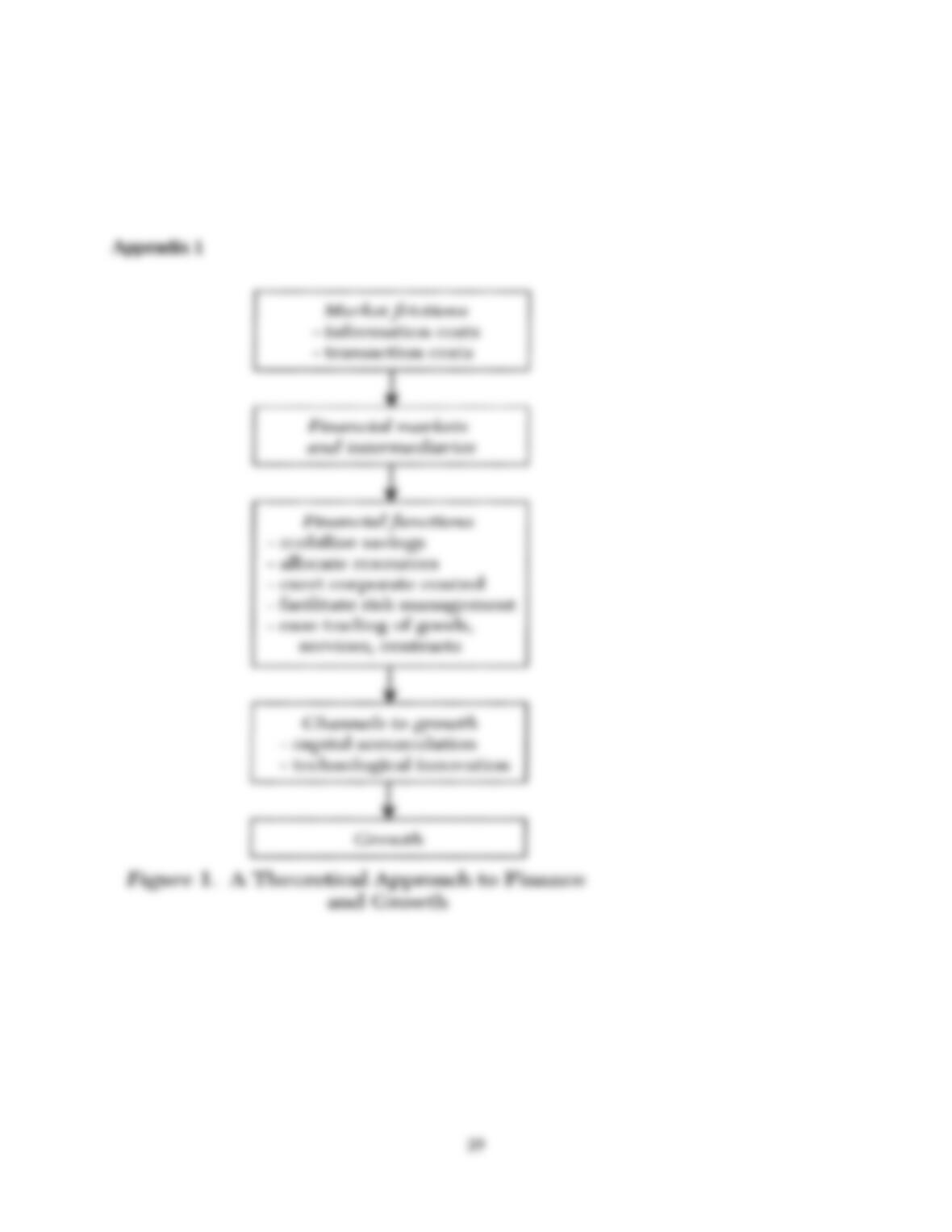
Appendix 1……………………………………………………………………………………………………………………………….39
Appendix 2……………………………………………………………………………………………………………………………….40
Work Cited……………………………………………………………………………………………………………………………….42
1
Introduction
Mankind as a whole and the world as has been observed in the past has undergone much change
in all aspects of human life. The concept of economic development in light of increasing
industrial growth, free labour, the growth of private property as an institution and the
development of the international trade as a concept have changed the way humans and hence
nations interact and intervene in the world economic system. These gradual yet drastic changes
in the structure of human interactions led to a wave of economic developments that initially
started in Western Europe, but then slowly but gradually spread to other parts of the world
including the rest of Europe, North America, the USSR and then eventually East Asia.
During these economic developments and shifts in the world economic structure, several
institutions interacted, reacted and evolved in ways unique to where the economic development
was taking place. Such institutions played a crucial part in determining the pace, or even the
success of such economic movements.
This paper seeks to discuss the said economic developments in the countries of Germany, Russia
and India and the role of their respective financial institutions in the industrial growth (or lack of
growth) of the country. Germany was chosen since it was the pioneer of all financial institutions,
from which the Deautsche Bank is discussed. Russia was chosen so that a comparison may be
drawn between state-led and private-led industrialization, for which the paper reviews the
Sberbank of Russia. India was selected so as to compare the effects of colonialism on industrial
growth, from which the State Bank of India is discussed.
The paper starts with a review of literation that shows a theoretical approach to the importance of
financial institutions in the economic and industrial development of a country. A brief history of
each of the three countries and their respective banks under study is then presented. The paper
then analyses and discusses the various similarities and differences that can be drawn from the
2
three countries along the lines of several themes including communism and capitalism,
colonialism, public and financial policy and target markets.
Review of Literature
The growth and sustainable nature of the banking sector in the process of industrialization has
always been a crucial turning point for many countries. The banking sector as we believe has
been if not the most important sector in developing and complimenting the emergence, growth
and sustainability of many, if not all the other sectors and industries of a country.
To produce a well-rounded and authentic report on the banking sector of countries which
experienced industrialization during the 19th and 20th century, several books and journal articles
have been used to provide facts and opinions resulting in the analysis presented. The sources for
the respective banks and countries have been mentioned when the analysis of the respective bank
and country takes place. On the other hand we have identified a few themes which we have used
to compare and contrast the three different countries with respect to the financial and banking
sector. These themes have been well researched and studied after the emergence of
‘industrialization’ as a popular theme. During this section of the report we will look at some of
the key articles and books quoting and discussing the respective themes, without specifying the
country or region. During our literature review we have ignored the mathematical models created
and solved by the respective authors in order to simplify our analysis. We have only used key
facts and opinions of the authors to complement our work.
As our primary focuses are the banking enterprises of the respective countries we will look how
different hypothesis have been established for this sector through the centuries. The article
written by Peter L. Rousseau and Paul Wachtel in the Journal of Money is named as “Financial
Intermediation and Economic Performance: Historical Evidence from Five Industrialized
3
Countries.’’ This research article goes on to state the long term relationship between the financial
and other sectors of an economy which experienced rapid industrialization, emphasizing the
period between 1870 and 1929. It has statistical evidence from five countries, namely, United
States of America, United Kingdom, Canada, Norway and Sweden.
Throughout their research the authors have gone on to quote many models which a financial
intermediary can be mapped on to. A financial intermediary, known as a bank today can have
different roles which directly and indirectly affect the wellbeing and growth of other real sectors.
The first model he quotes is that of ‘’debt accumulation.’’ Intermediaries reduce inefficiencies by
acquiring information about the quality of individual projects that is unavailable to private
investors and public markets. The informational advantage encourages the funding of under
developed firms that are likely to develop innovative products. A reduction in the cost of
productivity enhancement is shown to accelerate economic growth rates. Another class of models
focuses on the role of intermediaries in monitoring “loan recipients.” Inflows from a more
confident public may also encourage intermediaries to offer new products and to invest in
technologist hat expand the sector further.
The authors strongly believe that intermediaries are more likely to innovate, when new
technologies can generate shifts in the portfolio choices of savers that render the inflows.
Financial intermediaries that play these roles include the deposit banks and more sophisticated
ones such as insurance companies. The article goes on to state the concept of ‘’financial depth,’’
a ratio which states how the assets of the banks increases with the general increase in out of the
economy. The article also positively goes on to link and find a relation between banks and the
total factor of productivity.
4
It concludes that the role of financial markets in a broader context remains an important topic for
further investigation. The study offers new insights about the mechanism through which financial
intermediation affects economic performance, and suggests that real sector activity was a less
important determinant of intermediary development during the phase of rapid growth considered
here. The final conclusion by the authors stated that financial growth was a motivating,
contributing force behind the rapid industrial revolutions experienced by five leading economies
prior to the Great Depression.
To further strengthen evidence for our topic and arguments we quote here an article from Marco
Pagano, published in The European Economic Review. The article is named “Financial Markets
and Growth.” It does not only comment on the different research done by previous authors on the
financial markets and intermediaries, but also provides us with an opinion on the basis of his
research and findings.
He talks about how the importance of the link between financial sector and growth had emerged
after the great depression. Intermediaries from the financial sector can have level effects but also
substantial growth effects. Funneling saving to firms, capital allocation, saving rate, risk sharing,
household borrowing and interest rate affect are just few of the key roles and functions of a bank
which directly affect the growth of an economy and specifically the real industries.
Marco Pagano also provides us with a view point different from the rest. He goes on to discuss
the reasons for the growth of financial intermediaries. The two main reasons he identifies for the
growth of the financial sector is the size of the market and the public policy. Growth does not
have a casual relation with the expansion of financial markets. Both the articles mentioned above
state this fact. The author ends with a conclusion which is still very vague in terms of finding a
concrete correlation between growth and financial markets. Usually financial development has a
5
positive effect on growth, but there are exceptions: improvements in risk-sharing and in the
household credit market may decrease the saving rate, hence the growth rate. Thus ‘financial
development’ is too generic a term; to gauge the impact on growth, one must specify the
particular financial market concerned. To work on this thought we have picked three different
major banks of an economy which experienced a high level of industrialization.
From the Journal of Financial Intermediation the article “Bank as Catalyst for Industrialization”
by Marco Da Rin provides us with a close look at the research done on our topic and themes. The
research article goes on to formalize the relationship of how banks have acted as a supreme and
creative power in order to push the emerging markets and thus industrialization to greater
heights. He uses the word catalyst because he emphasizes the point that banks are not only a key
factor for industrialization but it is the major driving force for the emergence and sustainability
of industrialization.