Lecture 3
Duration

Learning outcomes
•By the end of this lecture you should:
–Understand the interest rate risk of bonds and
duration as the measure of interest rate risk
–Know how to calculate duration, and explain what
affects duration
–Be able to use duration to measure interest rate risk of
bond portfolios
–Be familiar with the concept of convexity and be able
to take convexity into account when considering
interest rate risk
–Be able to immunize a liability by constructing an
appropriate bond portfolio
2
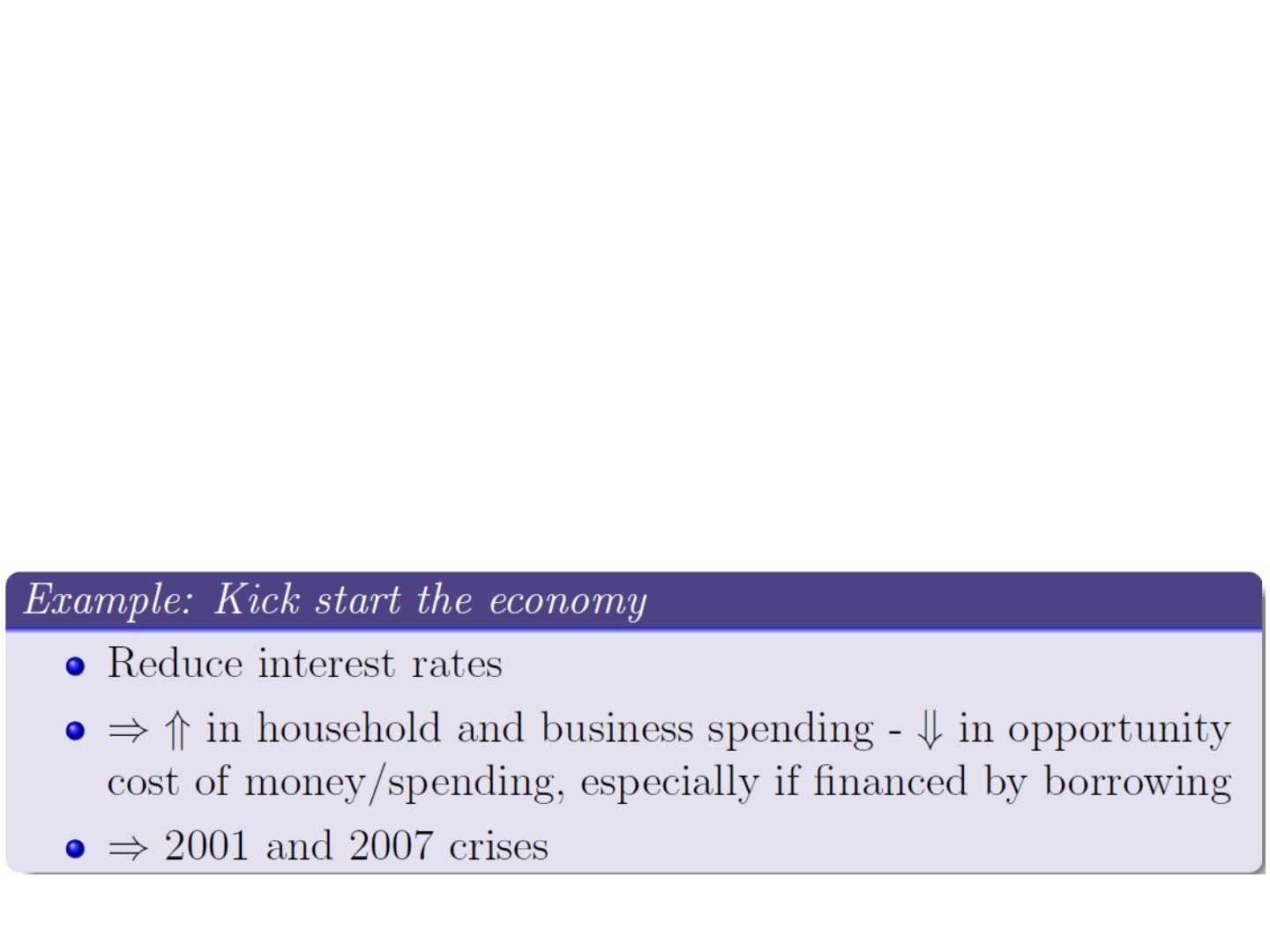
Central bank monetary policy
•Use open market operations to influence:
–Money supply
–Inflation
–Level of interest rates (particularly short-term)
•→Impact economic decisions: to save or to
spend, that is the question!
3Interest rate risk
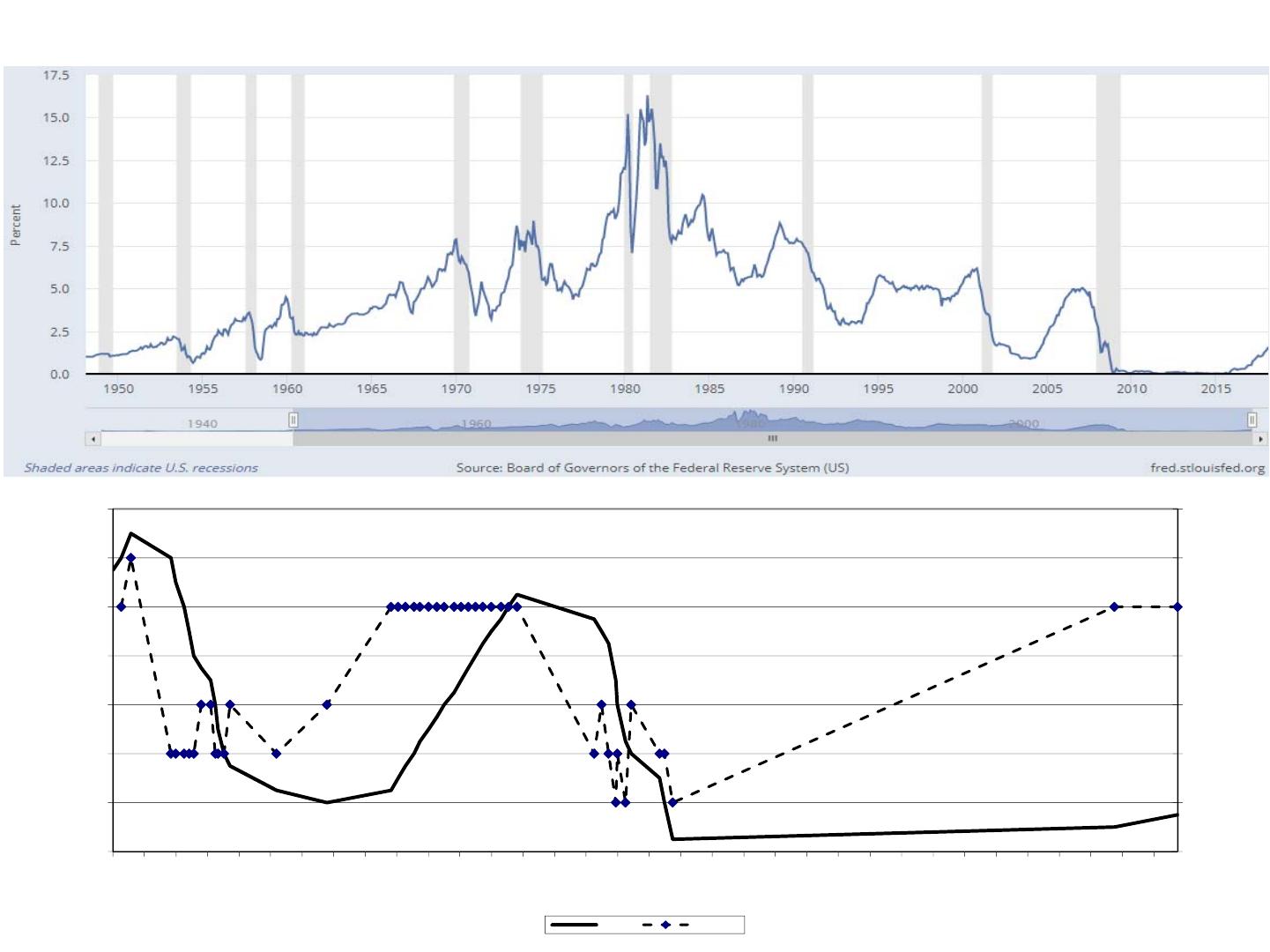
US Treasury Bill Rate
4
https://fred.stlouisfed.org/graph/?id=TB3MS,
-1
-0.75
-0.5
-0.25
0
0.25
0.5
0.75
0
1
2
3
4
5
6
7
2/2/2000
8/2/2000
2/2/2001
8/2/2001
2/2/2002
8/2/2002
2/2/2003
8/2/2003
2/2/2004
8/2/2004
2/2/2005
8/2/2005
2/2/2006
8/2/2006
2/2/2007
8/2/2007
2/2/2008
8/2/2008
2/2/2009
8/2/2009
2/2/2010
8/2/2010
2/2/2011
8/2/2011
2/2/2012
8/2/2012
2/2/2013
8/2/2013
2/2/2014
8/2/2014
2/2/2015
8/2/2015
2/2/2016
8/2/2016
in %
Fed Funds Rates and Changes
Level Change
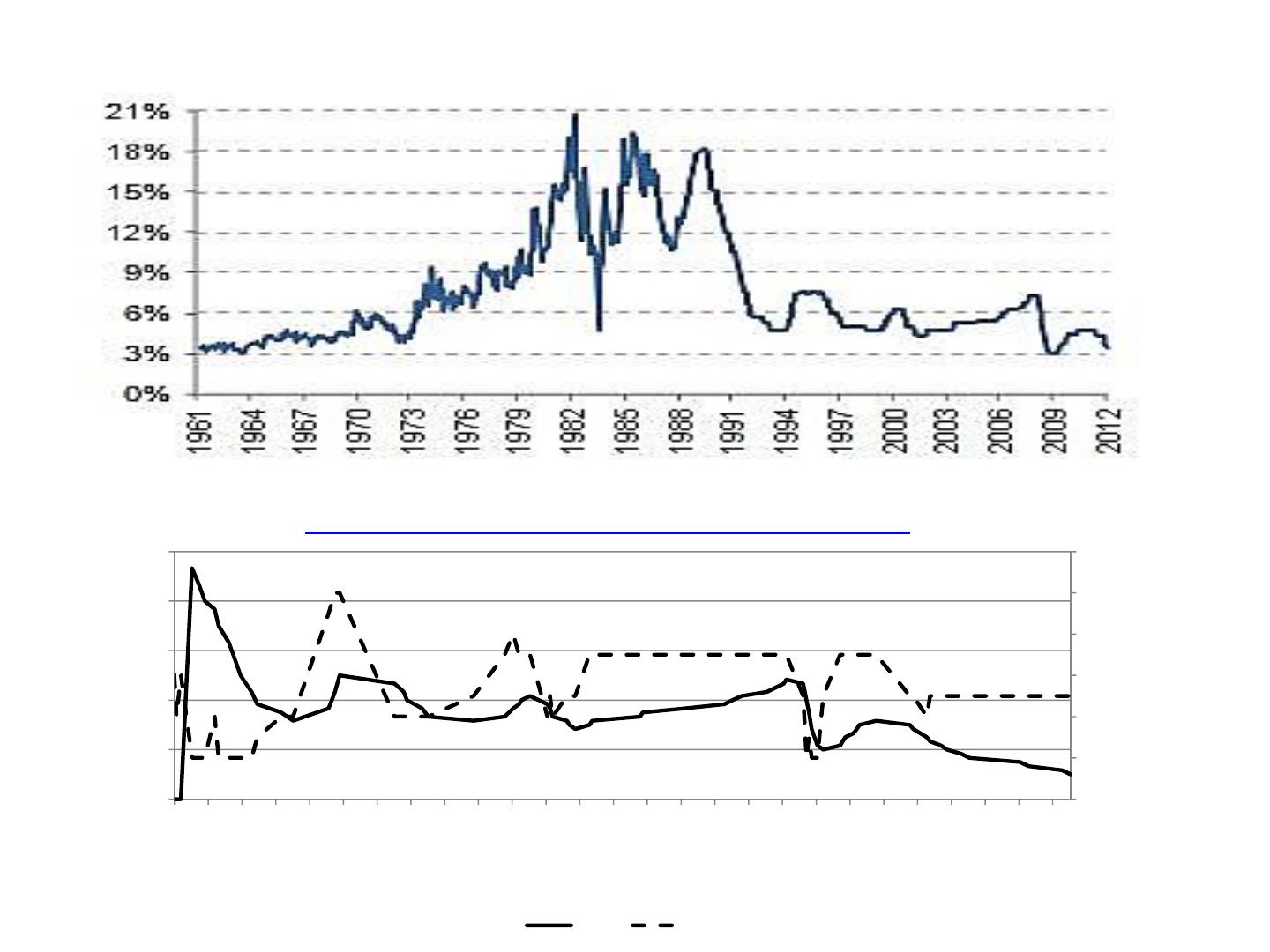
AustralianCashRate
http://www.rba.gov.au/statistics/historical‐data.html
‐1.5
‐1.0
‐0.5
0.0
0.5
1.0
1.5
0
3
6
9
12
15
23‐Jan‐1990
23‐Jan‐1991
23‐Jan‐1992
23‐Jan‐1993
23‐Jan‐1994
23‐Jan‐1995
23‐Jan‐1996
23‐Jan‐1997
23‐Jan‐1998
23‐Jan‐1999
23‐Jan‐2000
23‐Jan‐2001
23‐Jan‐2002
23‐Jan‐2003
23‐Jan‐2004
23‐Jan‐2005
23‐Jan‐2006
23‐Jan‐2007
23‐Jan‐2008
23‐Jan‐2009
23‐Jan‐2010
23‐Jan‐2011
23‐Jan‐2012
23‐Jan‐2013
23‐Jan‐2014
23‐Jan‐2015
23‐Jan‐2016
Level Change
http://www.rba.gov.au/statistics/cash‐rate/

Interest rate risk in bonds
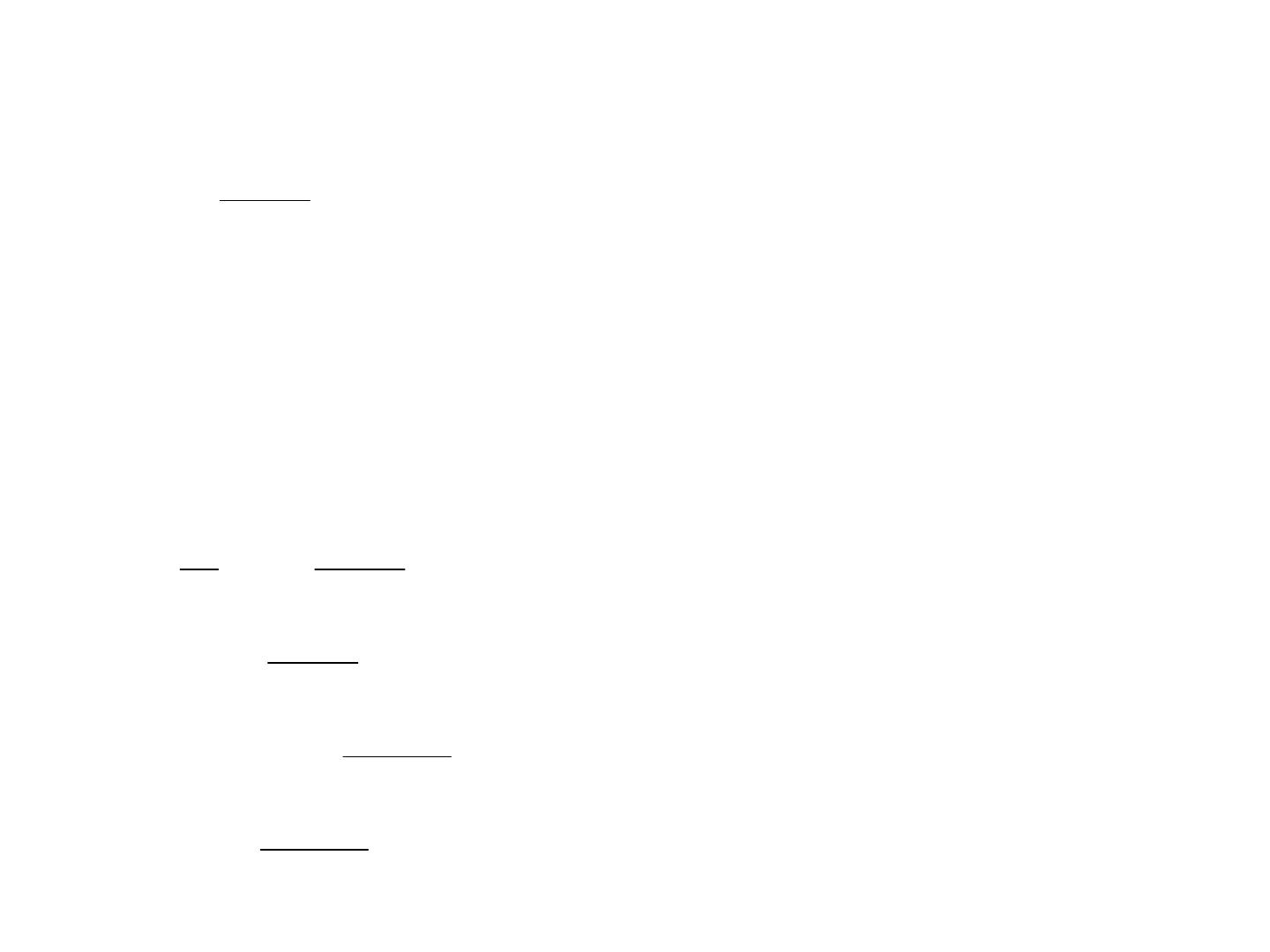
•Recall: the price of a bond could be determined
by discounting future cash flows:
–P = c1 /(1 + y1)1 + c2 /(1 + y2)2+ … + ct /(1 + yt)t+ … +
cT/(1 + yT)T+ FV/(1 + yT)T
•Interest rate and bond prices
–NORMALLY, the price of a bond decreases if interest
rate increases, and vice versa
–Hence bonds (and most other securities) are exposed
to the risk of interest rate changes
6Interest rate risk

Interest risk measurement
•Essential ideas
–Change in security values due to change in interest rates
–Any sensible risk measurement should measure the
sensitivity of market value to the change in interest rate
•Historical measure (rule of thumb)
–Maturity
–Take two zero-coupon bonds with different maturities
(e.g., 2 vs 20 years), and check the magnitude of bond
return due to change in interest rate – what will you find?
–How about 2-year zero-coupon bond vs 3-year coupon
paying bond? Can you see the problem of using maturity to
measure the sensitivity of bond price to interest rate
changes?
7Duration
Sensitivity of bond prices to interest rate changes
•Recall bond pricing formula
•For your curiosity only: Changes in bond prices
due to yield changes
–Let’s take the first derivative of bond price with
respect to the yield:
T
tt
t
y
CF
P
11
t
y
CF
y
tCF
y
y
CF
y
y
CF
y
P
T
tt
t
T
tt
t
T
tt
t
T
tt
t
11
11
1
1
1
1
1
/]
1
[
/]
1
[
8
Duration

Duration – definition
•Definition
–Given 1 percent relative change in the yield (change in
yield, ∂y or ∂(1+y), divided by the level of yield, 1+y),
how much is the relative change in the value (∂P/P,
return)?
–If you are not comfortable with differential calculus,
ignore the equation, but please understand the above
definition
–Also referred as Macaulay duration (in contrast with
modified duration to be introduced later)
9
)1/(
/
yy
PP
D
Duration


Duration – formulae
•Recall: Changes in bond prices due to yield changes
•Let’s re-arrange the equation
•How to interpret this formulae
–the weighted-average “time to cash flows” for a security
–weighting rules: using the relative (present) values of each cash
t
y
CF
y
PT
tt
t
11
1
]})(/[)({*
1
*
)1/(
/
11
1
T
ttt
T
t
T
tt
t
CFPVCFPVt
P
y
CF
t
yy
PP
D