FI 301 Final Exam Study Guide
Final Exam: Tuesday, December 8th @ 11:30-2:30
Modules 8&9
Chapter 17: Commercial Bank Operations
Background on Commercial Banks
• Bank Market Structure
o Interstate banking regulations (1994) – Banks can cross over state lines. So are
the number of banks increasing or decreasing over time?
▪ Decreasing
▪ Small number of banks with a lot of money
o Banks tend to be owned by holding companies that generally own 10% or more
of the bank and provide flexibility with the following:
▪ Short term debt
▪ Stock issuance
▪ Stock repurchases
▪ Acquisitions – mergers
Consolidation among Commercial Banks over Time:
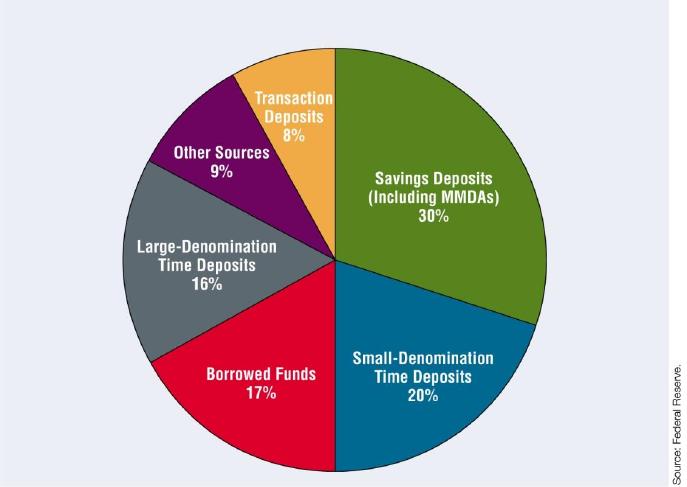
Bank Sources of Funds
• Transaction Deposits
o A demand deposit account – fancy word for checking account
▪ Conventional demand deposit
• Most people have this because many people live month to
month and cant keep a minimum balance in their checking
account
▪ Negotiable order of withdrawal (NOW) account
• You can earn interest on your checking account
• But they make you keep a minimum balance in your checking
account
• Made for individuals and small businesses
o Electronic Transactions – you can debt the account instead of having checking
• Savings Deposits
o Passbook savings account – savings account
▪ You can earn interest
▪ You are putting money in the bank that you cannot write checks from
• Time Deposits
o What is this?
▪ You put money in the bank for a certain period of time
o Certificates of Deposit
▪ You can’t withdraw for a certain amount of time
o Negotiable Certificates of Deposit
• Money Market Deposit Accounts
o Differ from conventional time deposits in that they do not specify a maturity.
What are the differences as compared to savings accounts?
▪ Typically allow 6 checks per month
▪ Limited to 6 transactions
• Federal Funds – they can borrow from other banks
o How long do banks borrow on this market or at this rate?
▪ Overnight
o Why do banks borrow here?
▪ To meet reserve requirement
o What is this rate now? And why does this number matter?
▪ Between 0 – .25%
▪ It’s the lowest lending rate – the floor for lending rates
▪ Federal funds rate is the lowest lending rate
▪ Banks will borrow from each other cheaper than what they loan to
anyone else
• Borrowing from the Federal Reserve Banks
o What is this rate called? What is the discount window?
▪ Discount rate – called this because banks borrow at the discount
window
▪ Discount window – When banks borrow from the federal reserve bank
in their region
o Why borrow from the Fed?
▪ You want to meet reserve requirements
▪ It is a lender of last resort – you would rather borrow from other banks
at a cheaper rate
▪ The Fed keeps this rate slightly higher because they would rather banks
borrow money that is already in the money supplu
• Eurodollar Borrowings
o May borrow dollars from those banks outside the United States (typically in
Europe) that accept dollar-denominated deposits, or Eurodollars
• Bonds Issued by the Bank
o Banks often issue corporate bonds. Why would they need these bonds?
▪ Banks are just like other businesses
▪ They have to have buildings to work out of so they get their assets and
issue 30 year bonds for their assets
• Bank Capital
o Represents funds acquired by the issuance of stock or the retention of earnings.
These are to absorb operating losses
Bank Sources of Funds:
Uses of Funds by Banks
• Cash
o Why do banks have to hold cash in the vault?
▪ The reserve requirement
o Why does not all cash have to actually be in the vault?
▪ They can take it to another bank
o Why do they not hold much more cash than the minimum requirement?
▪ Usually hold 15% in the vault
▪ Why not more?
• Because banks are business, and they need to make money
(interest)
• They want to loan the money out to make money
Bank Sources of Funds
• Bank Loans
o Types of Business Loan
▪ Working capital loan – designed to support ongoing business operations.
• Banks make loans to businesses
▪ Term loans – primarily to finance the purchase of fixed assets such as
machinery and real estate.
• Typical to real estate
• Commercial real estate loan
• Term notes are the same as balloon notes
o You borrow for a certain amount of time
▪ Informal line of credit – allows the business to borrow up to a specified
amount at later date not upfront.
• Loan that you can draw upon later
▪ Loan Participation – What is this?
• When more than one bank participates together on a large loan
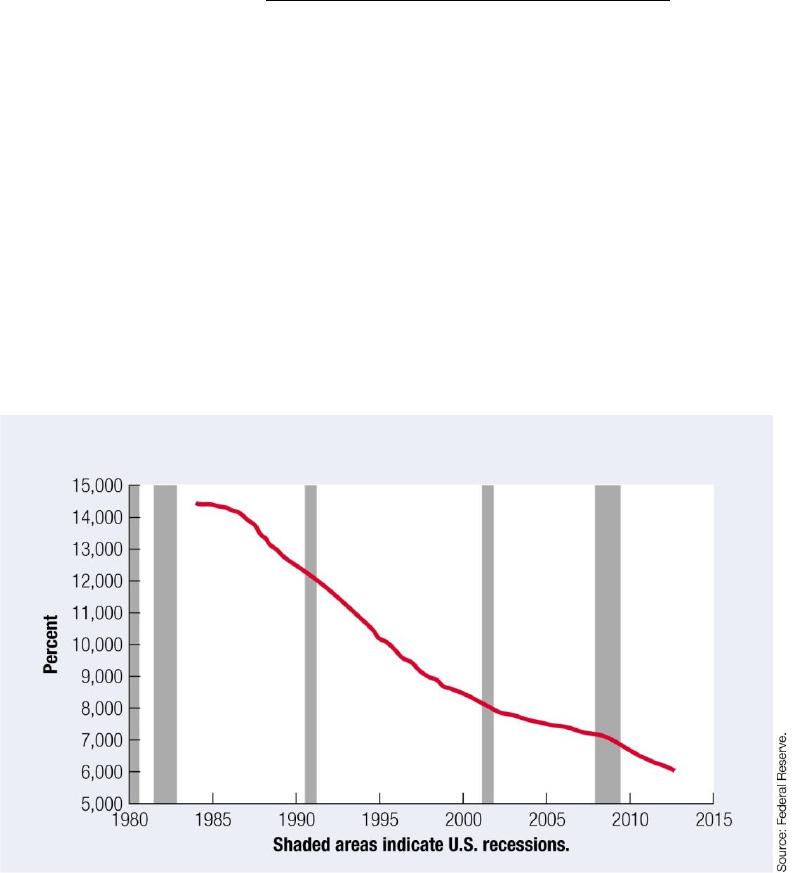
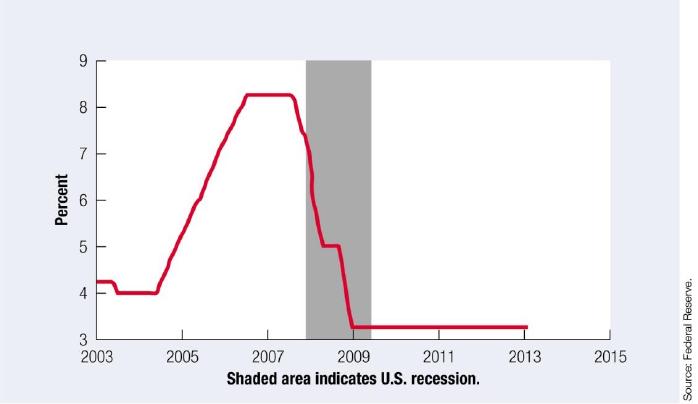
▪ Prime rate – Interest rate charged by banks on loans to their most
creditworthy customers. (See figure below)
• The best interest rate given to customers
Prime Rate over Time:
Bank Sources of Funds
• Bank Loans
o Types of Consumer Loans
▪ Installment loans – what are these for?
• You pay in installments over time
▪ Credit cards and Personal loans – why?
• Banks do this so they can charge higher interest
o Real Estate Loans
▪ What is this called?
• Mortgages
▪ What are the typical terms?
• 15-30 years
▪ What is the difference between commercial and residential in most
cases? Which do banks want?
• Banks hold commercial notes and banks sell residential notes
• They keep business loans at the bank
• They don’t want to hold the 15-30 year notes
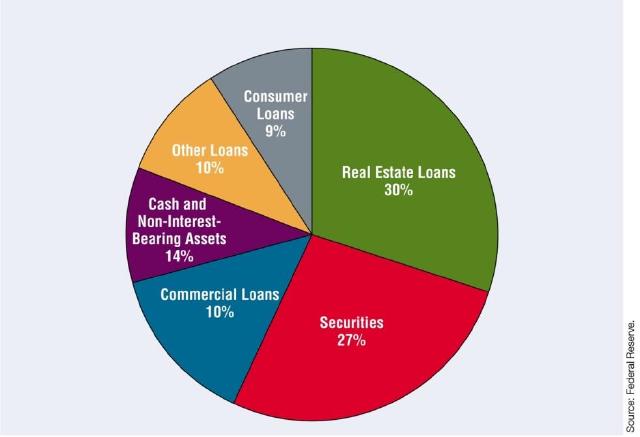
Uses of Funds by Banks
• Investment in Securities, Loans and other Collateral
o Corporate and Municipal Bonds
o Treasury Securities
o Mortgage-Backed Securities
o Federal Funds Sold
o Repurchase Agreements
o Fixed Assets
• The government DOES NOT allow banks to invest in stocks – too risky
Bank Uses of Funds:
Off-Balance Sheet Activities – these activities provide money later – all of these cash is needed
later not upfront
• Loan Commitments
o An obligation by a bank to provide a specified loan amount to a particular person
or firm upon their request. Construction loans are common and what are they?
▪ Mean you are committed to the loan later
▪ Construction loans are where you build a building
• Standby Letters of Credit
o Backs a customer’s obligation to a third party. (Review of line of credit from
earlier)
▪ You borrow money later

• Others:
o Forward contracts on currencies – guaranteeing customers overseas a certain
currency rate
o Interest rate swap contracts – 2 banks promising each other either fixed rates
or floating rates
▪ Banks swap rates with each other later
o Credit default swap contracts – they will provide money later if the home goes
into default
Summary
• Commercial banks have consolidated over time in an effort to achieve economies of
scale and to become more efficient. Consequently, there are less than half as many
banks today as there were in 1985, and consolidation is still occurring.
• The most common sources of commercial bank funds are deposit accounts, borrowed
funds, and long-term sources of funds. The common types of deposit accounts are
transaction deposits, savings deposits, time deposits, and money market deposit
accounts. When banks need long-term funds to support expansion, they may use
retained earnings, issue new stock, or issue new bonds.
• The most common uses of funds by commercial banks are bank loans and investment in
securities. Banks can use excess funds by providing loans to other banks or by
purchasing short-term securities.
• Banks engage in off-balance sheet activities such as loan commitments, standby letters
of credit, and forward contracts. These types of activities generate fees for commercial
banks. However, they also reflect commitments by the banks, which can expose them to
more risk.
What is a use of funds vs a source of funds?
• The source of the money for banks is deposits the use of funds for banks is typically
loans but also investments
Chapter 19: Bank Management
Bank Risks – Chapter 19
Risk
Assess
Solve
Liquidity
Cash in Vault
Minimum Balance Checking
Securitization
Invest in Treasuries
Interest Rate
Gap Analysis
Maturity Matching
Duration
Hedge with Derivatives
Regression Analysis
Floating Rate Loans
Credit
FICO Score
Diversify Loans
Appraisal
Securitization
Provide less loans
Market
Value at Risk (VAR)
Quit Investing
Quit Lending