Isabella DiPalma
Profesor Hale
Studio 202-01
20 March 2021
UNIVERSAL + INCLUSIVE DESIGN STRATEGIES
While reading the Architect Magazine article on A Case for Inclusive Design for the
American Disabilities Act. It is still evolving today, and we are all learning new ways to grow
with it. Some Architects find it an obligation to do a little extra work for those that need it,
instead of finding new design ideas as an opportunity. A woman named Kat Holmes made a
great point stating, “inclusive design should not be considered a marginal commitment but a
catalyst for innovation. This approach that not only reduces barriers but also promotes
participation”. As we are in a new era architects should be more flexible and open to making
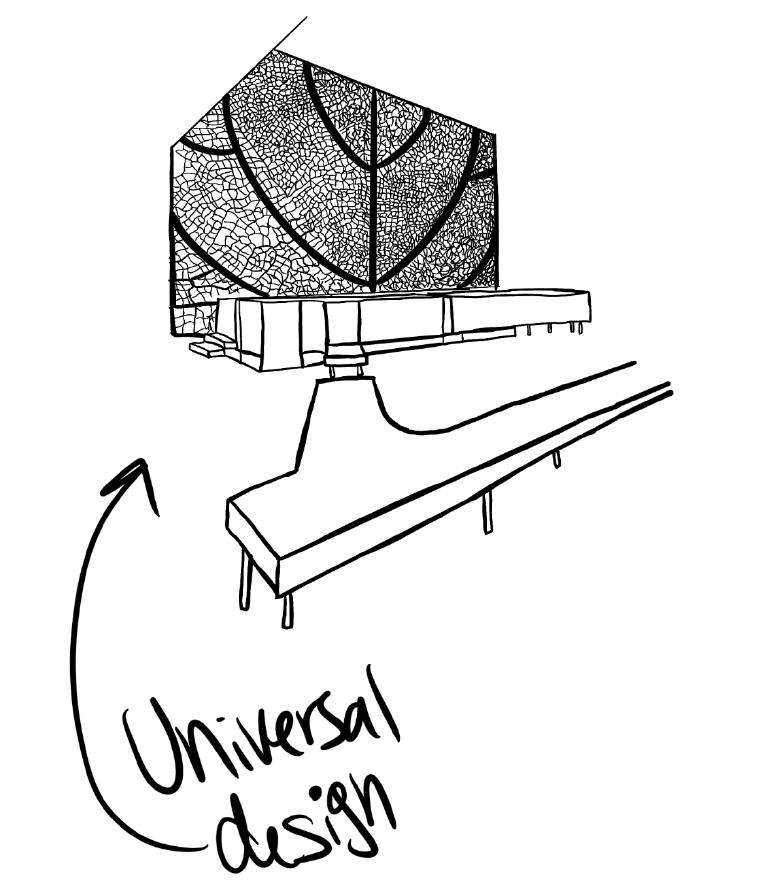
each and every space comfortable for everyone’s needs. One example the article showed that
stood out to me was a building located in Switzerland that was used for a disabled adult daycare
center. The architects made the whole building feel acceptable and comfortable for everyone. By
having a multi-story atrium that includes a series of dramatically sweeping ramps. The architects
made sure to channel their commitment to barrier-free access into a space-shaping endeavor.
They wanted the space to feel accessible for everyone’s needs, having a ramp in the middle of
the space makes everyone feel included.
Also while reading the article it was fascinating to read that a handful of people are
creating easy access tools for the ADA community to make their lives a bit easier without
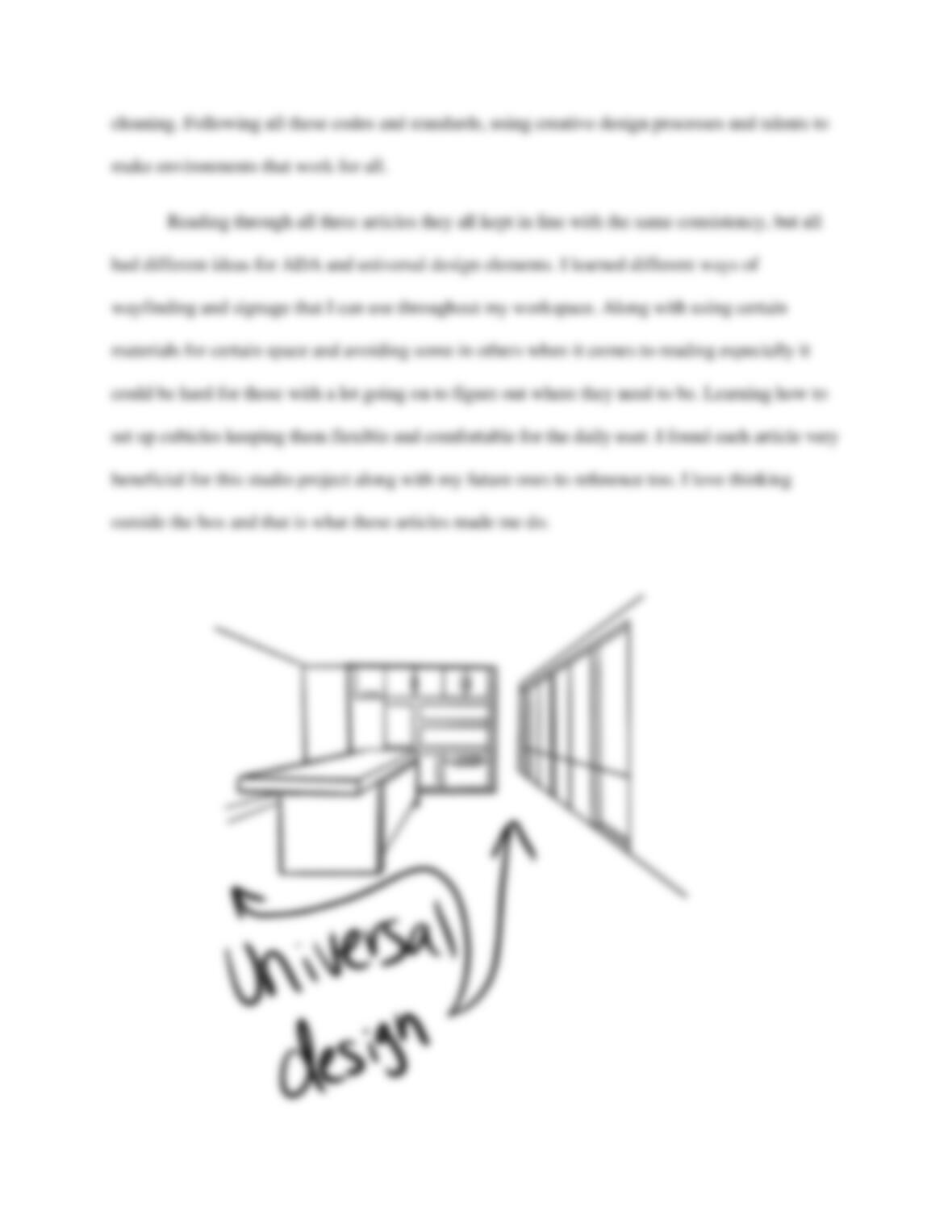
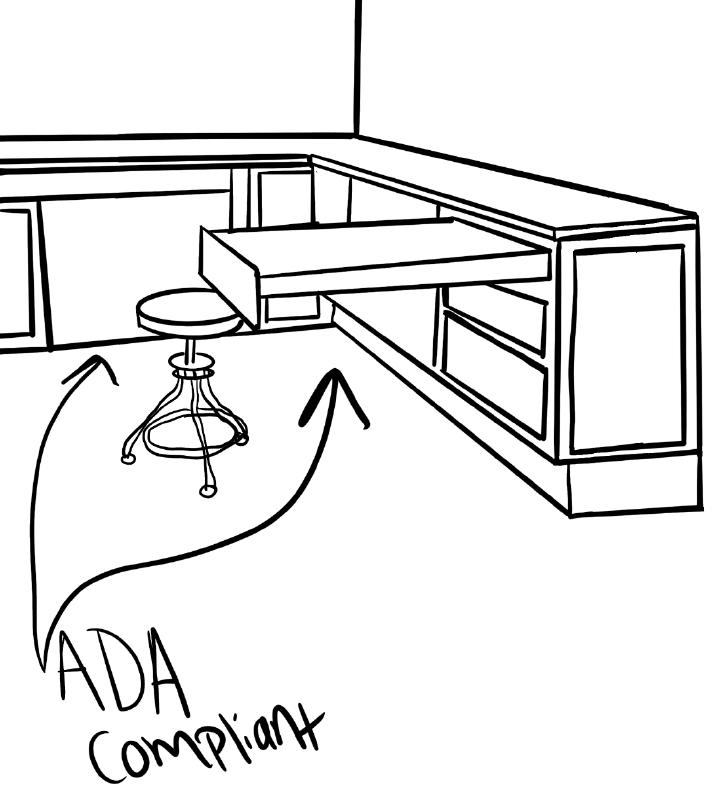
making dramatic changes to their home. A man named Dirk Biotto who is a Berlin-based
industrial designer, created the ChopChop. He recognized the limitations of most kitchen designs
for the disabled and wanted to come up with a way to redesign a kitchen layout without spending
a ton of money on renovations. Being able to have full access in your kitchen is primary and for
those who have trouble with food preparation in their kitchen layout presents significant
challenges for individuals who cannot stand or reach remote dishware. Dirk found a solution to
this sadly popular problem and came across simple wood and steel modules with adjustable
countertops. The designer carefully considered the materials and scale of everything from the
sink to the pot storage in his kitchen concept. Everything is now reachable and usable for those
who normally can not reach the back of their kitchen countertops.
Deconstructing this descriptive and fascinating article on different design qualities made