ERGONOMICS
Last modified by Jhonlyn Nucal on Tuesday, 12 January 2021, 8:51 PM
This document was downloaded on Wednesday, 9 February 2022, 6:46 PM
Introduction
INTRODUCTION
Imagine working in a noisy and hot workspace with lights flickering and tables are high to reach
while sitting and chairs too low for sitting. Would you work in a workplace with those conditions?
Ergonomics is a concern for occupational health and safety of workers and creating an
ergonomically planned workspace matter. The comfort and well-being of the employees must be
taken into account for an effective and efficient flow of work and to reach the best potential of each
workers that also affects their performance.
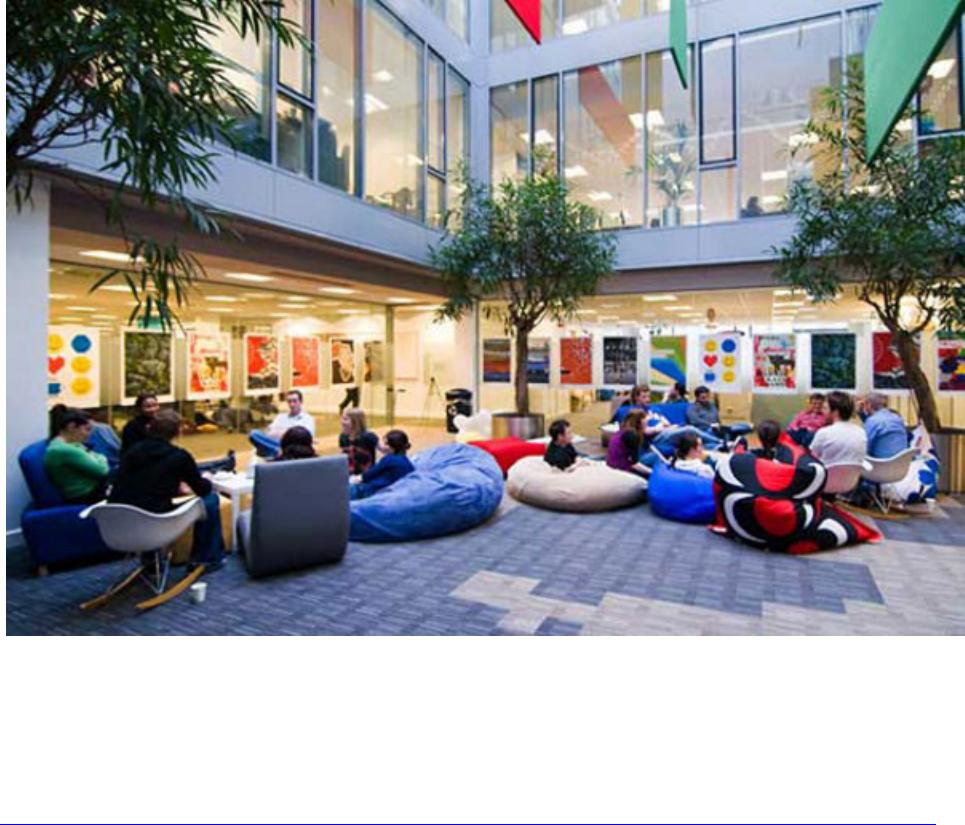
Figure 1. Google, Company with the best working environment
Source:
https://blogs.ubc.ca/mariaperuyero/2014/11/10/google-company-with-best-working-environment/
Ergonomics deals with the design of office furniture to increase efficiency and comfort in the
working environment. Nobody likes having to sit at a desk in a stiff chair for 8 hours. Nor does
anyone want to crane their neck at a computer that sits too low or too high on their desk. According
to the Occupational Health and Safety Administration, there is no requirement that your employer
provide ergonomic furniture such as desks or chairs, but under the General Duty Clause § 5(a)(1),
they do have an obligation to keep the workplace free and clear of hazards, which includes
ergonomic hazards. Ergonomic hazards can take different forms, but typically the hazards result in
musculoskeletal disorders. Bending down, reaching overhead, heavy lifting, awkward body
posture, or repetitive tasks can all be ergonomic hazards and increase chances of injury. Common
sense tells us that sitting in a chair without the proper back support for 8 hours a day/5 days a
week can be a significant cause of back pain—one that can be eliminated (. Proper
Implementing ergonomically sound accommodations can be daunting to employers because of the
cost, however employers should have a policy for ergonomic equipment, whether it is offered to all
employees universally or only to those who perform certain job tasks.
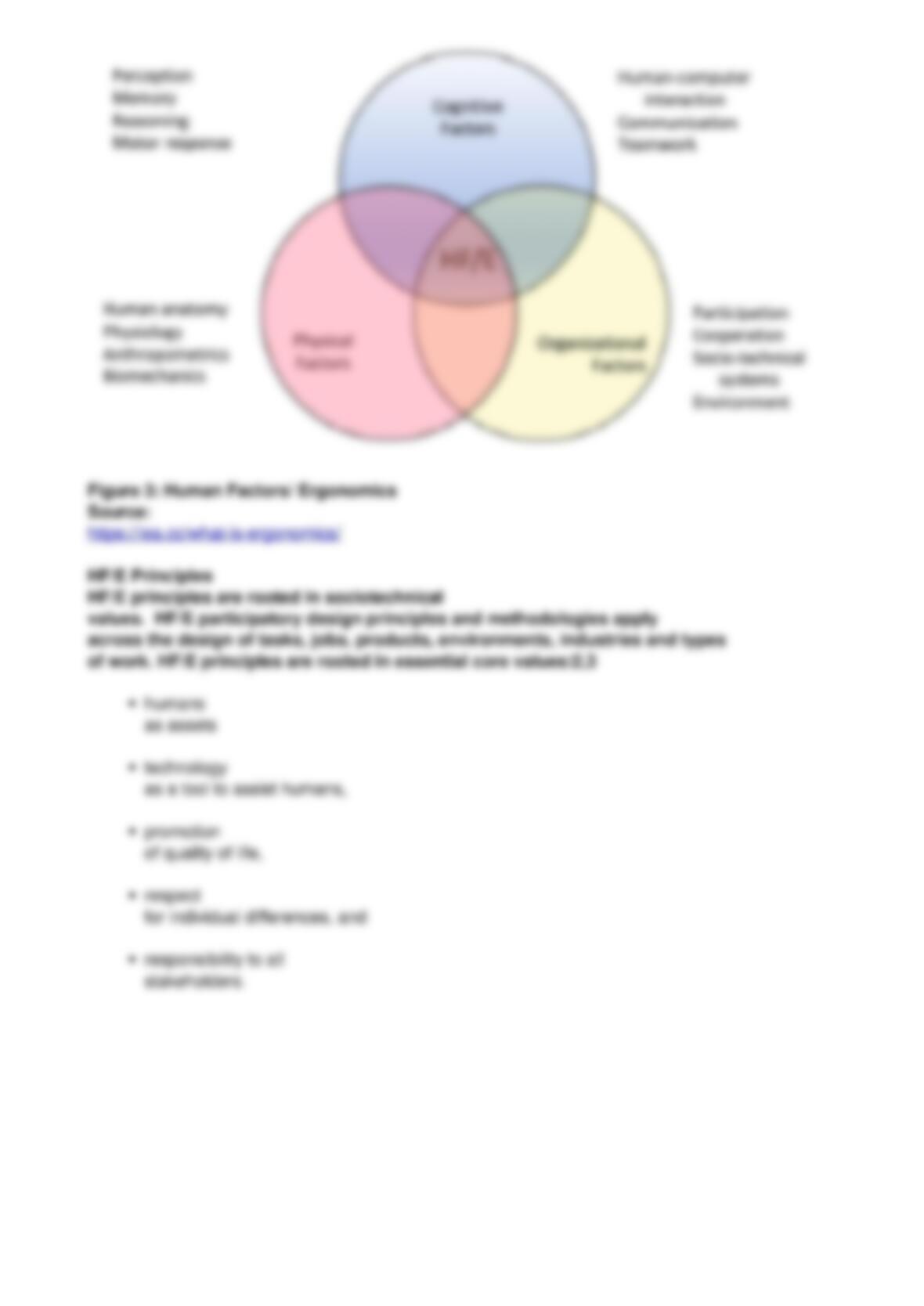
Domains of Specialization of Ergonomics
Physical ergonomics is concerned with human
anatomical, anthropometric, physiological and biomechanical characteristics as
they relate to physical activity. It deals with working postures, materials
handling, repetitive movements, work related musculoskeletal disorders,
workplace layout, safety and health.
Cognitive ergonomics is concerned with mental processes,
such as perception, memory, reasoning, and motor response, as they affect
interactions among humans and other elements of a system. It deals with mental
workload, decision-making, skilled performance, human-computer interaction,