ERRORS
MIT 306 Human Computer Interaction
Jun Rangie C Obispo
Department of Computer Science

Outline
•Human vs Computer
•Slips
•Capture errors
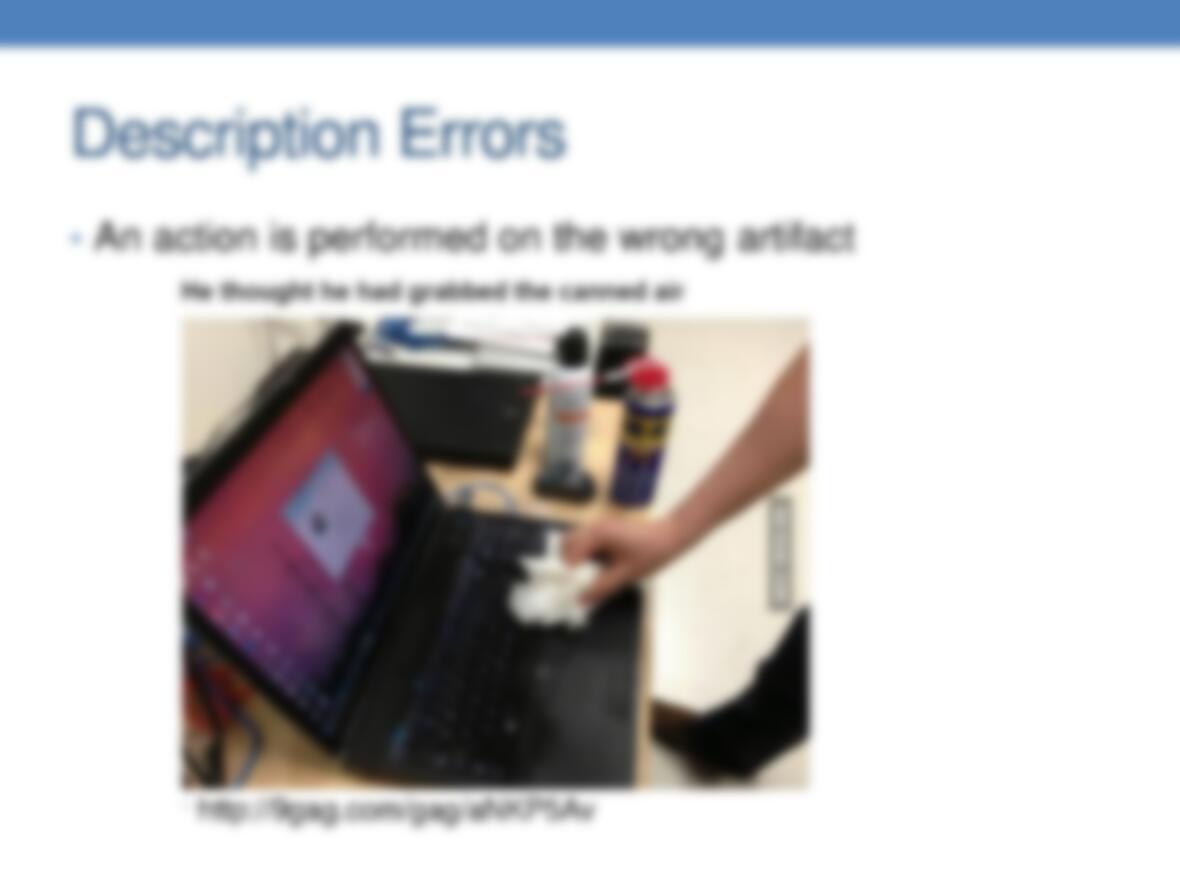
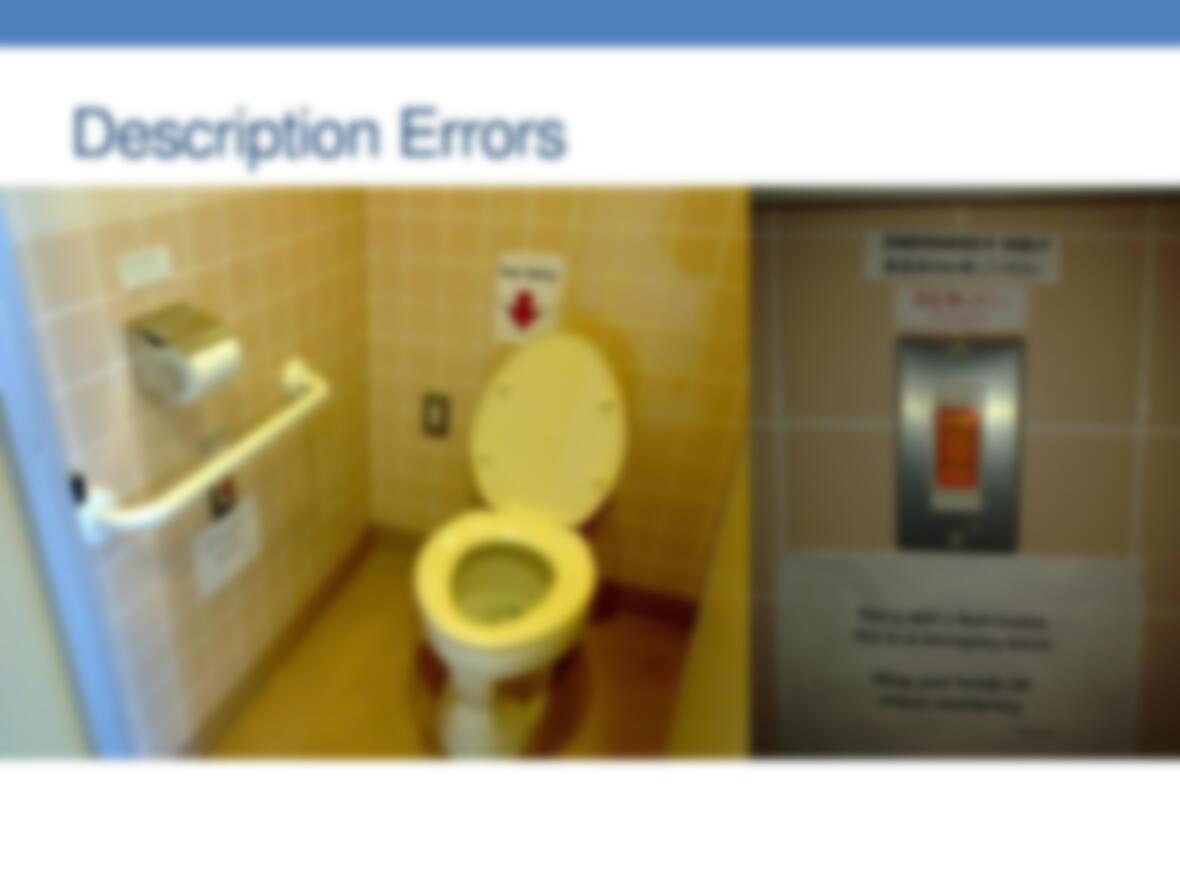
•Description errors
•Data driven errors
•Association activation errors
•Loss of activation errors
•Mode errors
•Mistakes

Human vs. Computer
HUMAN
COMPUTER
Result of millions of years of evolution
Less than 100 years old
Guiding principle was survival, not
precision
Reliable
Robustness in the face of unexpected
circumstances
Consistent
Ability to deceive
Based on mathematics
Slow, complex
Fast
Rapid change
Not fault tolerant
Error tolerant
Precise
Forgiving

Concept of Error
•The computer was given information it could not process
•Blame shifted on the human being
•Achieving a goal should be a cooperative endeavor
•Task is not to assess blame but to complete the task

Types of Error
•Slips
•result from automatic behavior
•Mistakes
•stem from conscious deliberation

Types of Slips
•Capture errors
•Description errors
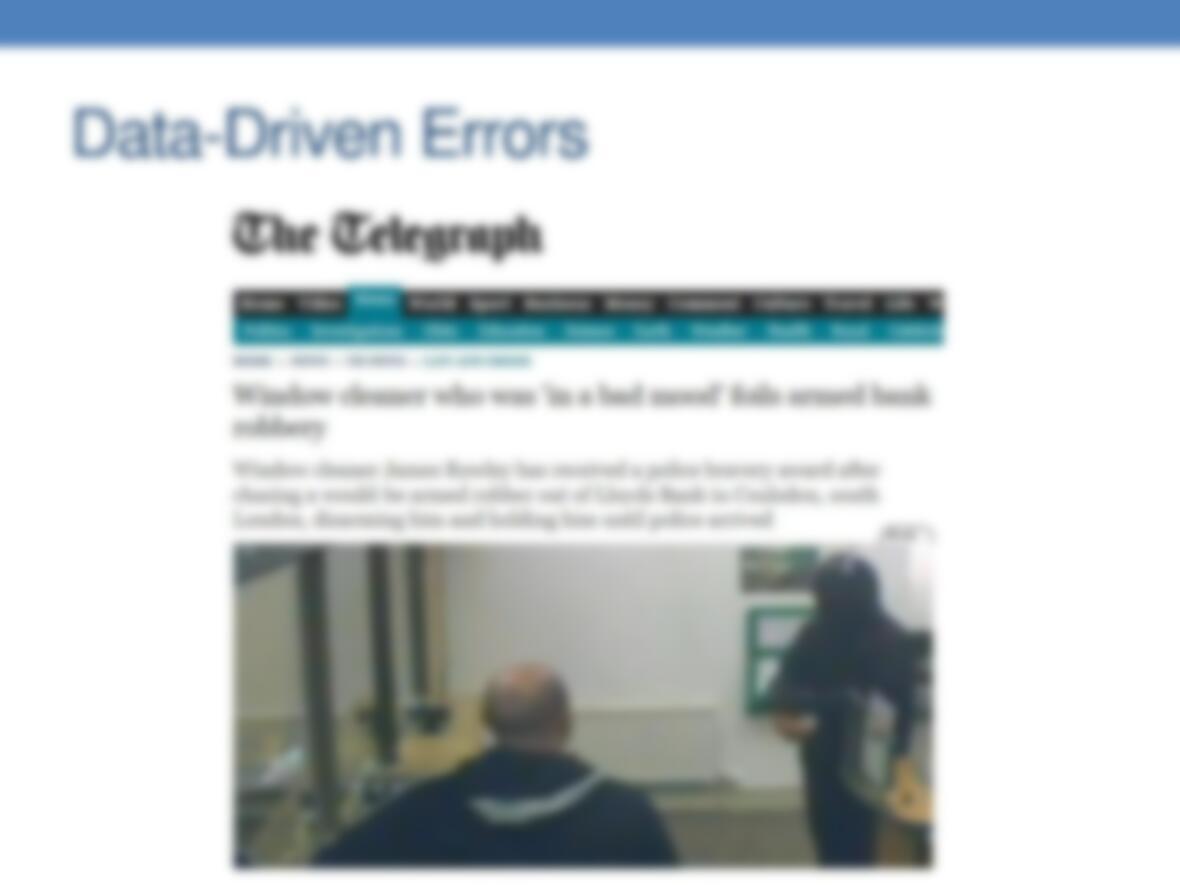
•Data driven errors
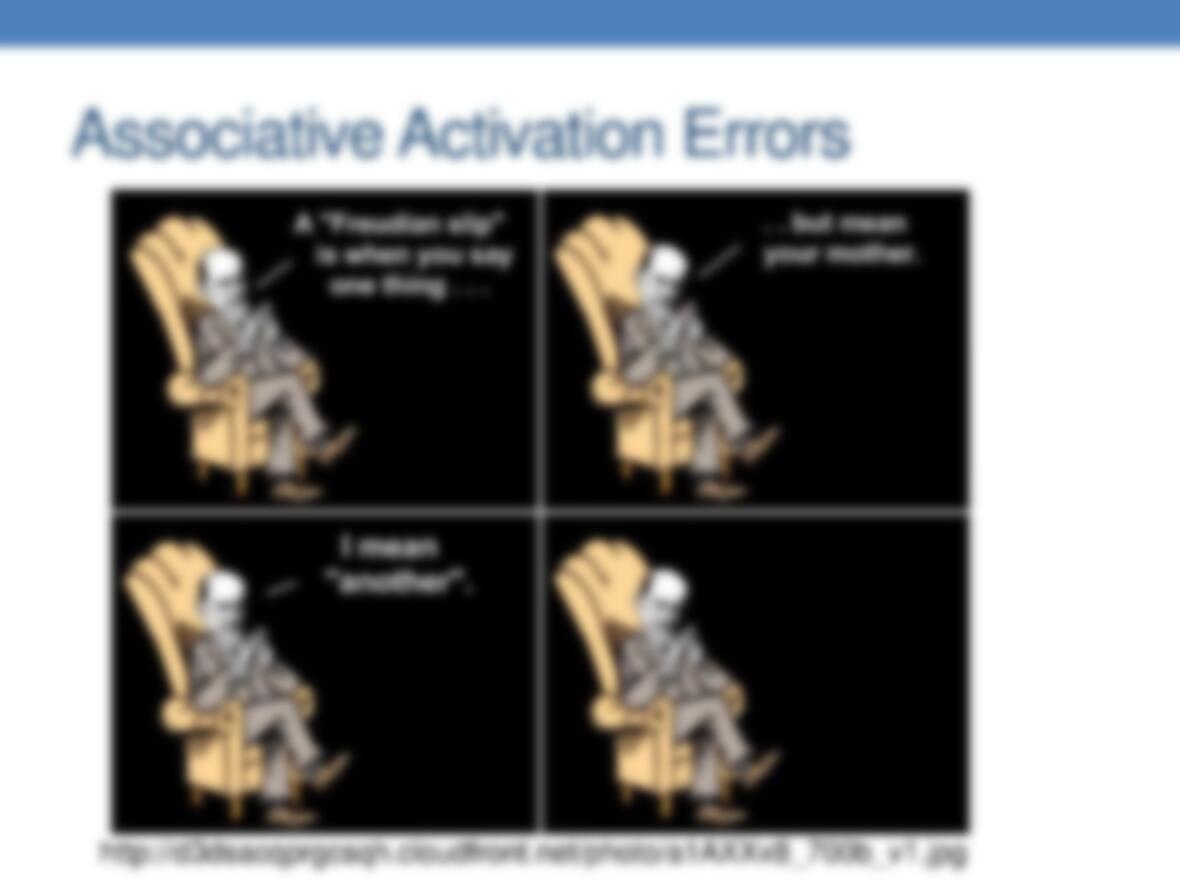
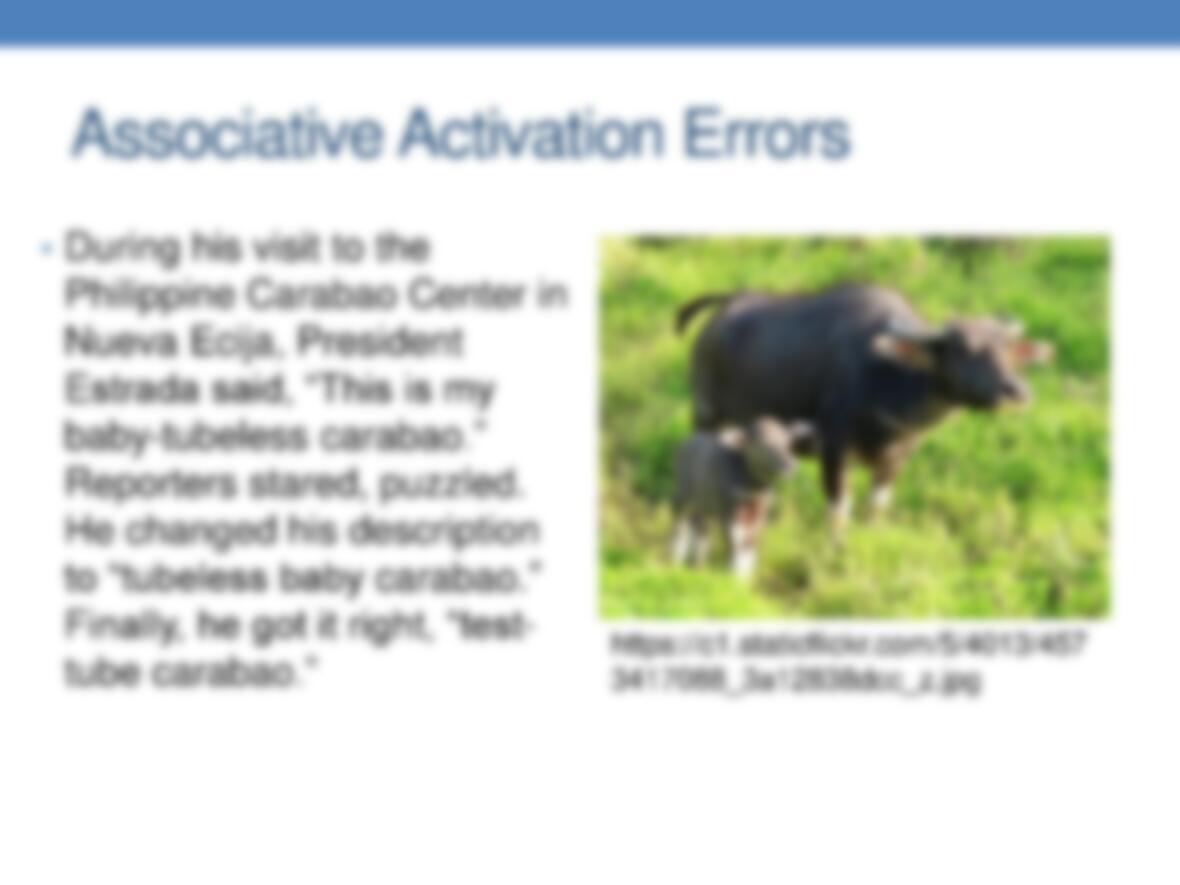
•Association activation errors
•Loss of activation errors
•Mode errors

Capture Errors
•A frequently done activity captures the one intended