1
BUSINESS DEPARTMENT
BSc(Hons) Shipping
Academic Year
2019–2020 | Autumn Semester
Assignment Title: GROUP Coursework
Date Submitted: Friday 24/01/2020
2
Table of Contents
1. INTRODUCTION ………………………………………………………………………………………………….. 3
2. THE SHIPPING BUSINESS………………………………………………………………………………………. 3
3. CLOUD COMPUTING ……………………………………………………………………………………………. 4
3.1. Cloud computing benefits ………………………………………………………………………………… 5
3.2. Types of Cloud computing ………………………………………………………………………………… 6
3.3. Types of cloud services …………………………………………………………………………………….. 7
4. ERP SYSTEM ……………………………………………………………………………………………………….. 9
5. CLOUD ERP ………………………………………………………………………………………………………… 9
6. BUSINESS PROCESSES IN THE SHIPPING COMPANY ……………………………………………….. 11
6.1. The main functional areas of company’s operation ……………………………………………. 12
6.2. Types of data flow within the shipping company ………………………………………………. 14
7. ADVANTAGES OF DELIVERING AN ERP SYSTEM …………………………………………………….. 16
7.1. Strategic benefits …………………………………………………………………………………………… 16
7.2. Tactical benefits …………………………………………………………………………………………….. 17
7.3. Operational benefits ………………………………………………………………………………………. 17
8. DISADVANTAGES OF DELIVERING AN ERP SYSTEM ………………………………………………… 19
9. CONCLUSION ……………………………………………………………………………………………………. 20
10. REFERENCES …………………………………………………………………………………………………. 21
Table of Figures
Figure 1: The benefits of cloud computing …………………………………………………………………….. 6
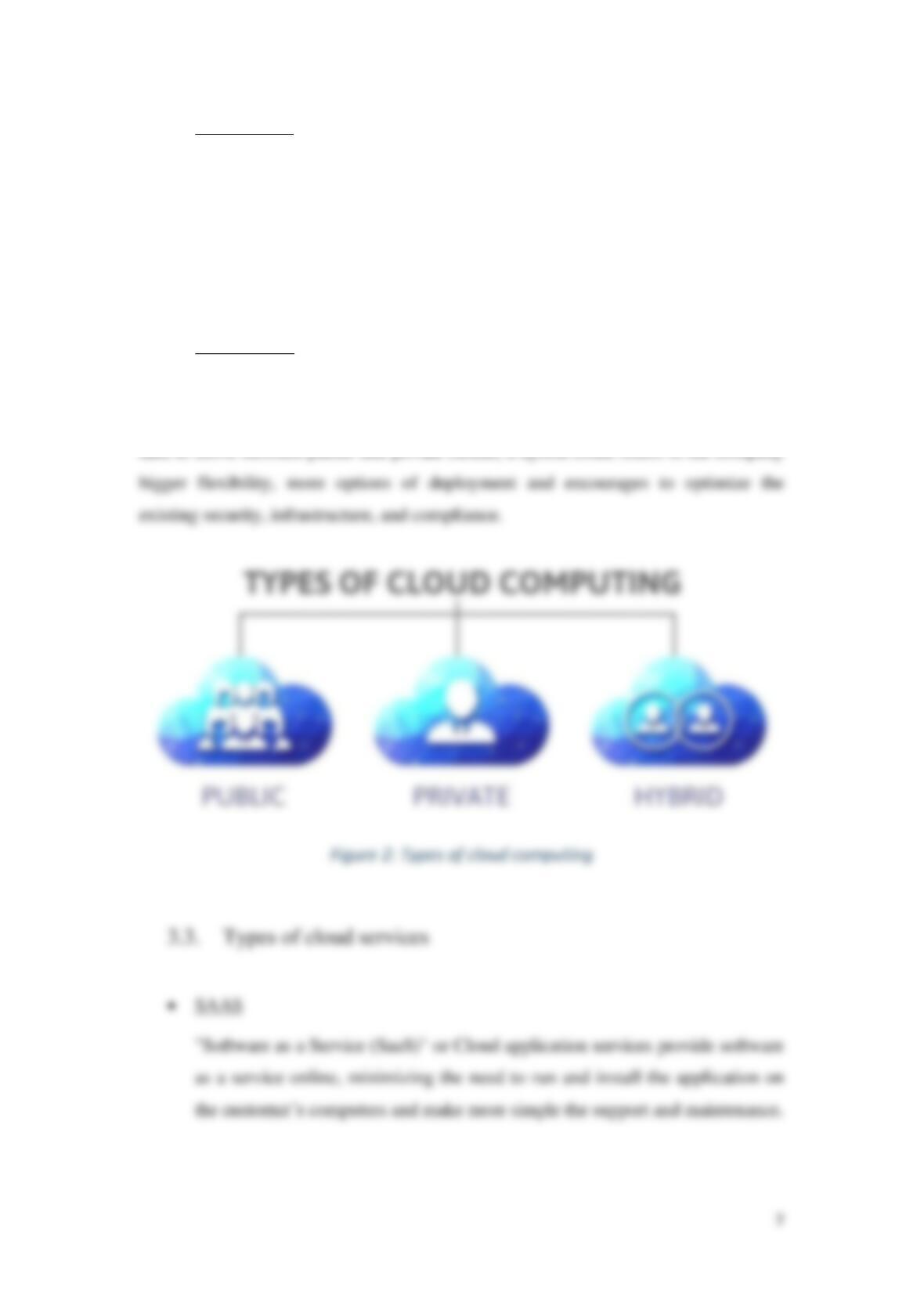
Figure 2: Types of cloud computing ……………………………………………………………………………… 7
Figure 3: Services of cloud computing ………………………………………………………………………….. 8
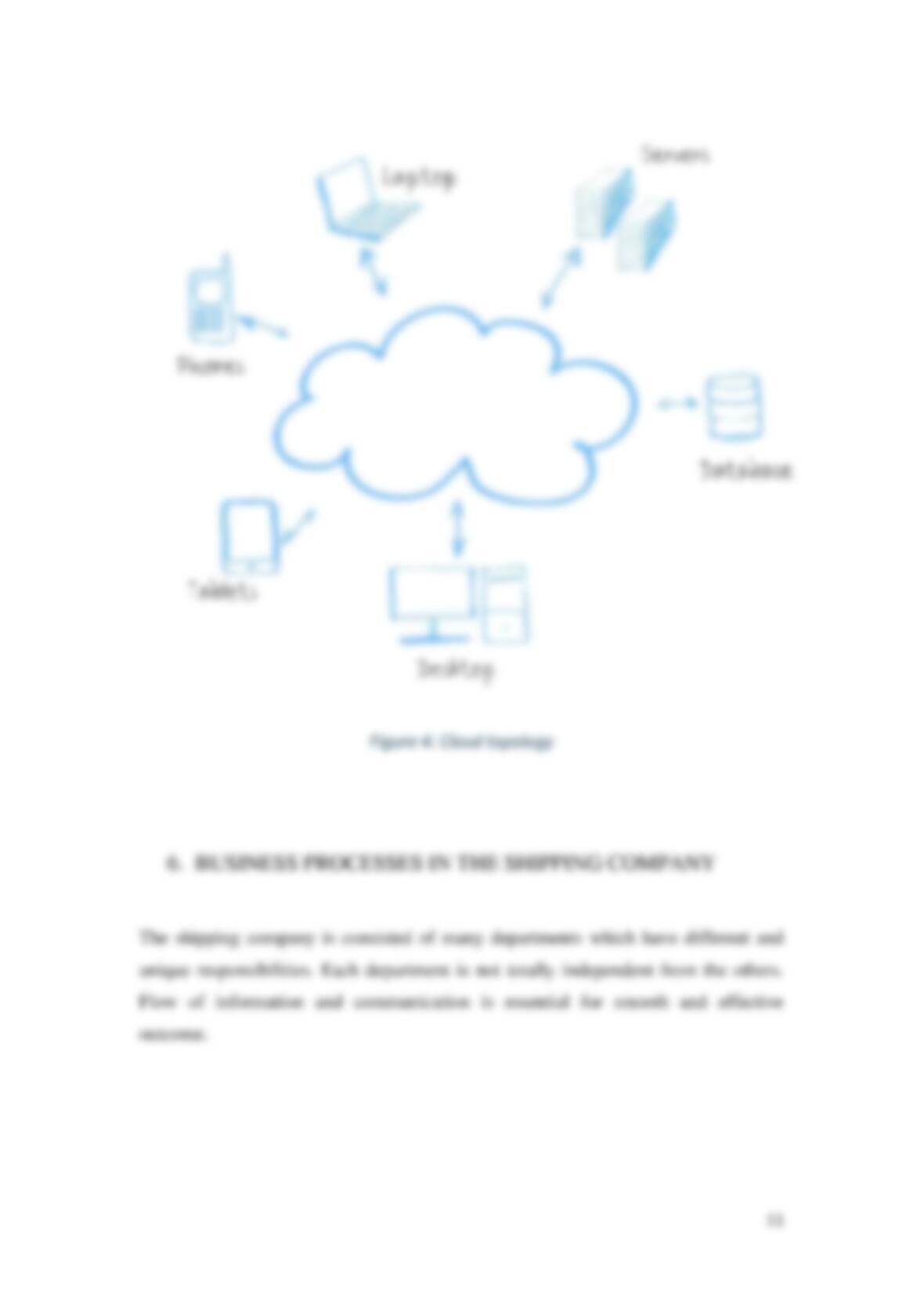
Figure 4: Cloud topology …………………………………………………………………………………………… 11
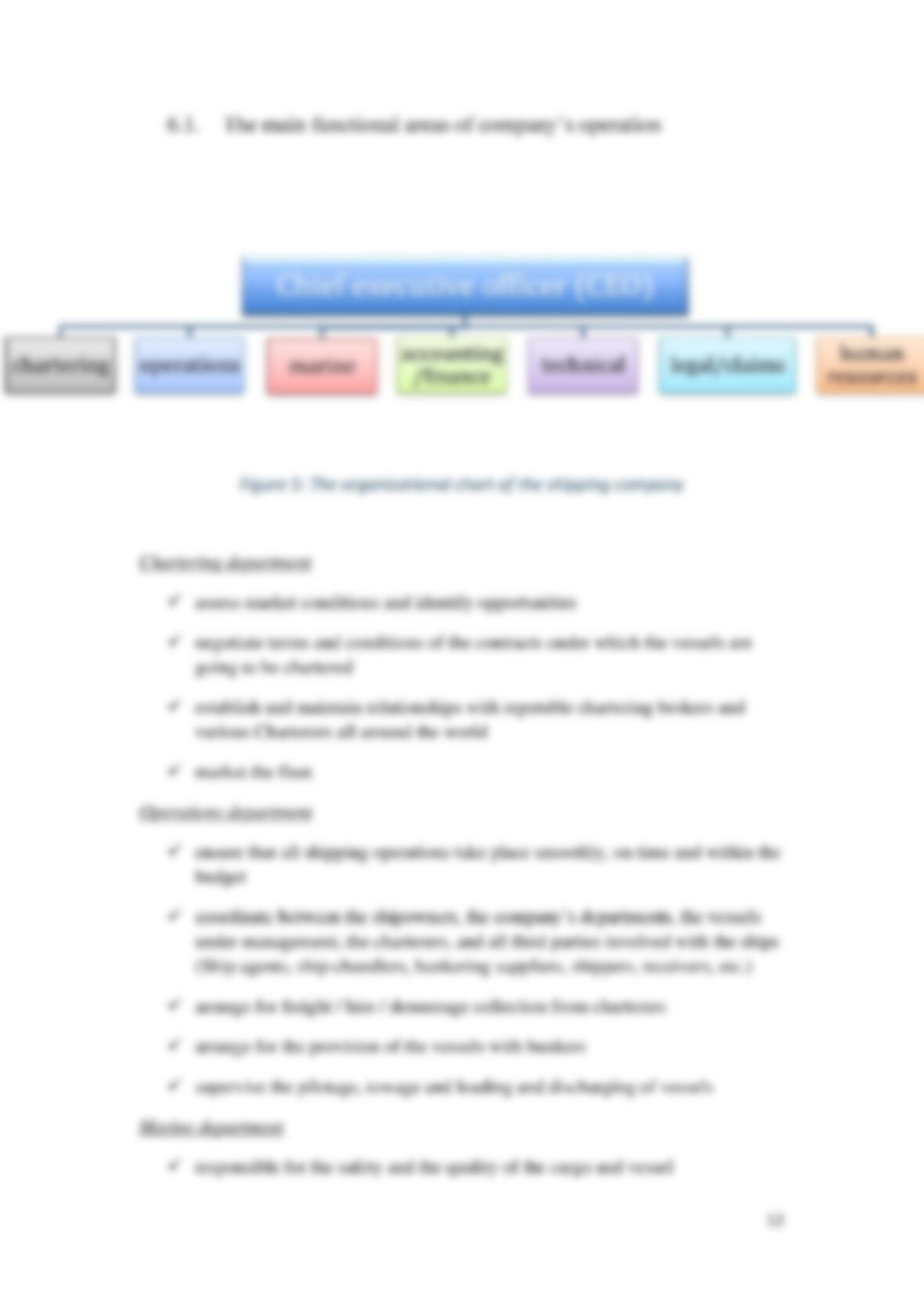
Figure 5: The organizational chart of the shipping company ………………………………………….. 12
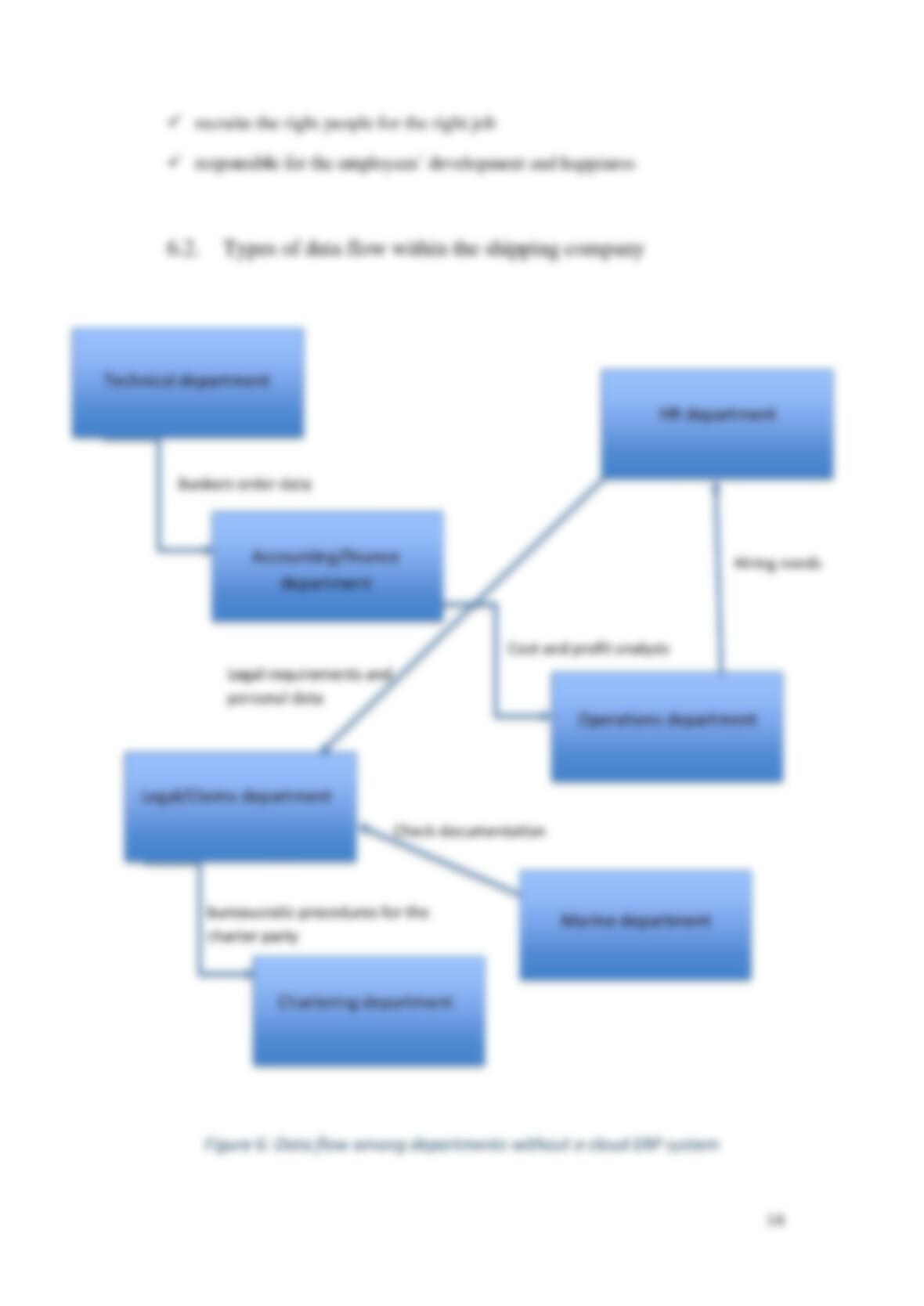
Figure 6: Data flow among departments without a cloud ERP system …………………………….. 14
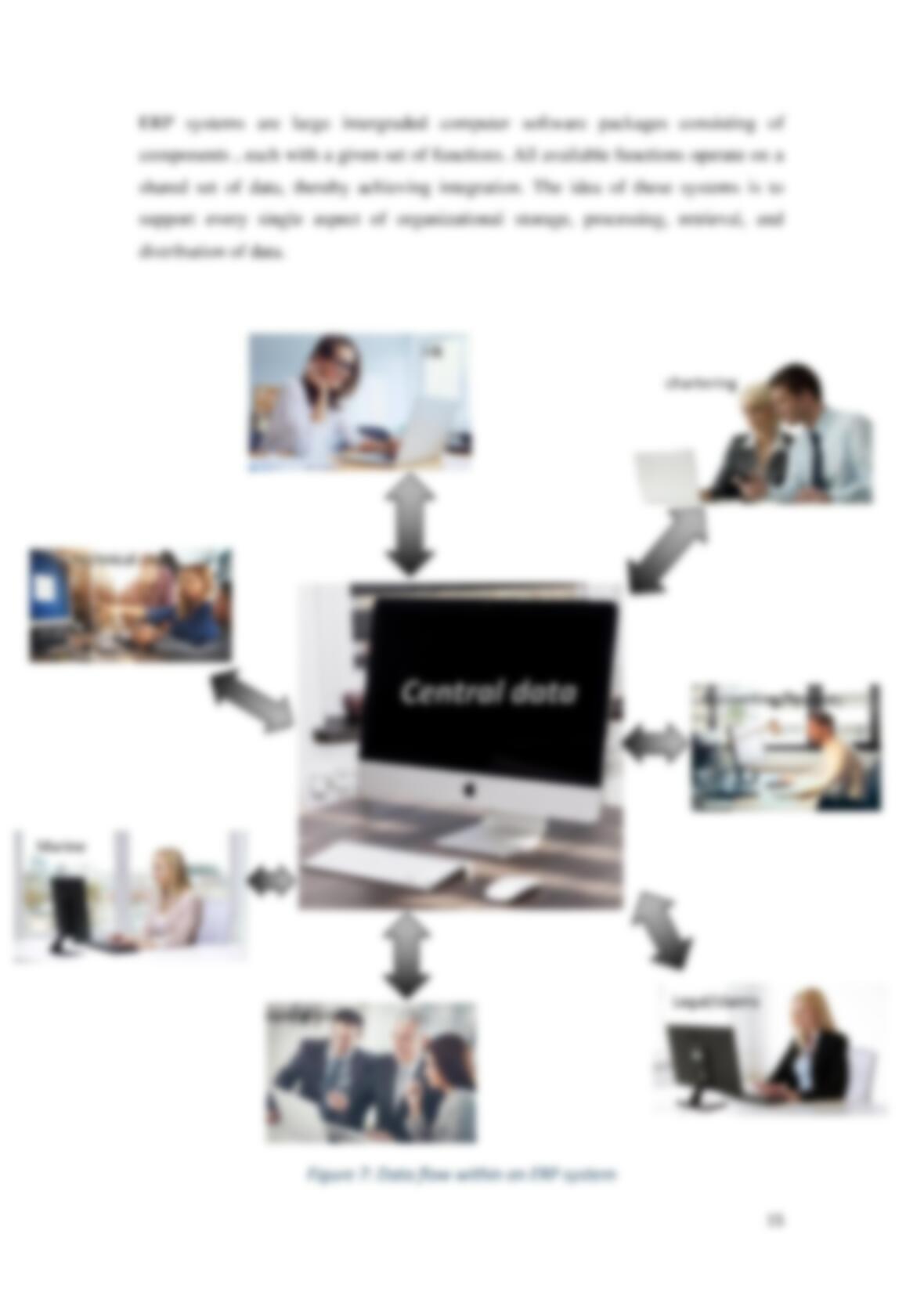
Figure 7: Data flow within an ERP system ……………………………………………………………………. 15
Figure 8: Prons and cons of delivering an ERP system …………………………………………………… 20
3
1. INTRODUCTION
Globally, business is evolving very fast in terms of enterprise systems and companies
need specialized solutions to become as competitive as they can. Many complex
operating problems arise, while the need to enhance the efficiency and the
effectiveness of the company is continuous. The companies, especially in the shipping
industry, need better interaction between their employees. In the last decades, the
common organizational structure that the shipping companies were functioned, was
consisted of separated functional fields and departments. In this way, each department
is absolutely isolated from other departments. For example, finance and chartering
department can be totally separated from legal and technical department. Of course,
data and information from each department have not close relation to the other
departments. But, the sharing of the information and knowledge can bring better
understanding of the companies’ objectives and culture, which are necessary for
greater performance. Thanks to technological revolution, the delivery of a cloud
Enterprise Resource Planning (ERP) system can take place easily.
ERP is one of the modern technologies that a lot of companies apply. ERP system
comprises of a commercial software package that promises the seamless integration of
all information flowing through the company such as operating, accounting, human
resources, chartering and technical. One database across the entire company. ERP
systems are computer-based systems designed to process company’s transactions and
facilitate planning, controlling the resources, production and customer response. ERP
can undertake in any company independently the field that operates, but it requires
careful, strategic and suitable implementation.
2. THE SHIPPING BUSINESS
During the 21st century, the shipping business faces numerous challenges and it is
critical for the shipping companies to survive and be competitive. Since nothing is
stable, such as the technology and the environment, the structure of the companies is a
dynamic process which is always open to change and transformation. New strategic
systems and activities are essential for the achievement of the company’s goals. ERP
helps companies manage cost and monitor the delivery of goods. Shipping companies
4
and their employers all around the world want a ERP system to streamline their
operations and move from manual system to automatic information management
systems. Multiple databases can be easily replaced by an ERP system, with a unique
and centralized information system, with data relating to services, products, suppliers
and customers available to everyone in the shipping company. These robust and
interconnected systems can be full of power, integrating external and internal
management data across an entire company.
The shipping company is an industry in the transportation sector that ship goods or
people by ship. The business processes of a shipping company cover milestones that
must be reached during the process of getting cargo from point A to point B, such as
preparing the necessary documentation and paying the taxes and the charges. The
most important activities are finding the best freight offer and building good
reputation among the customers. In order to better coordinate all functions between all
departments and locations, shipping companies need to implement and deliver a ERP
system as a solution. By implementing ERP system, shipping companies may get a
number of benefits include coordination of the departments, inventory control
functionality, rapid data sharing, customizable interfaces, and scalable for growing
business. The aims of ERP systems are ambitious:
✓ to enhance and improve the ability of the shipping companies to operate
safely, efficiently and effectively.
✓ To minimize costs, while ensuring proper operation.
✓ Fast and easy communication and information at full capacity among all
employees to meet demands.
3. CLOUD COMPUTING
Cloud computing refers to the delivery of computing services, including storage,
servers, networking, databases, analytics, software, and intelligence, over the Internet
to provide greater innovation, economies of scale and flexible and easy resources.
Payment occurs only for cloud services that the company use, so the operating costs
get lower and the infrastructure gets more efficient.

5
3.1. Cloud computing benefits
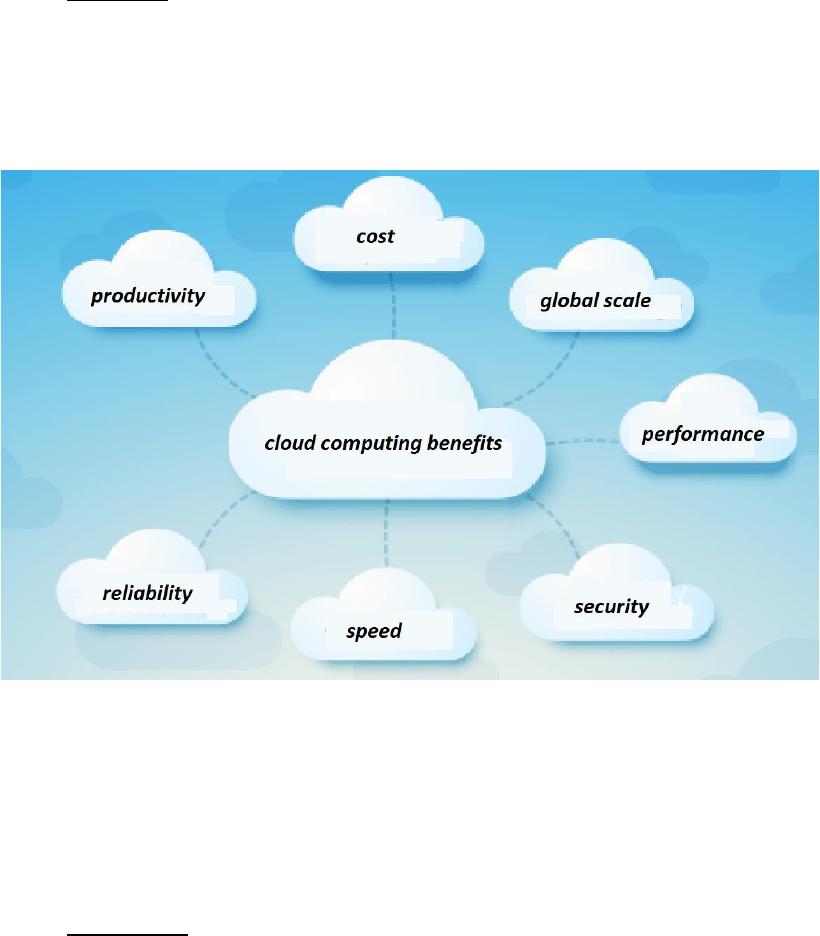
The benefits of cloud computing are various:
• Cost
Cloud computing minimizes the capital expense of purchasing software and hardware
and running and setting up on-site centers of data.
• Global scale
the ability to scale elastically is also included in the the advantages of cloud
computing services. In other words, that means the right amount of IT resources are
delivered. For instance, less or more computing storage or power when it is needed
and from the right geographic location.
• Performance
The greatest cloud computing services operate on a network all around the world of
datacenters that are secure, which are upgraded very often to the new generation of
efficient and fast computing hardware. This provided many benefits over a corporate
and single datacenter, consisting of reduced network latency for applications and
bigger economies of scale.
• Security
Technologies, a set of policies and controls that boost the security of the shipping
company, ensuring the protection of the apps, data and infrastructure from possible
perils are offered by cloud providers.
• Speed
The majority of cloud computing services offer self service and on demand, so even
vast amounts of computing resources can be provisioned very fast, typically with just
littlie mouse clicks, giving businesses the chance to be flexible and take the pressure
off capacity planning.
• Productivity
Some typical requirements of a lot of on-site datacenters are “stacking and racking”
setup of hardware, patching the software, and other demanding IT management tasks.
6
Cloud computing eliminates the need for many of these chores, so IT managers and
employers can spend time on achieving more crucial company’s aims.
• Reliability
disaster recovery, data backup and business continuity easier are cheaper by cloud
computing because information can be shared at multiple sites on the network of the
cloud provider.
Figure 1: The benefits of cloud computing
3.2. Types of Cloud computing
• Public cloud
The owners and the operators of the public clouds are usually a third-party cloud
service provider, which bring their computing resources like storage and servers
online. A specific example of a public cloud is Microsoft. Using a public cloud offers
all software, hardware and other essential infrastructure which are managed and
owned by the cloud provider. A web browser makes accessible these services to the
company and give to the company the opportunity to manage its account.
• Private cloud
A private cloud is a cloud computing resource that is used e by an exclusive and
unique company. A private cloud can be physically located on the company’s on-site
datacenter. A third-party service provider can be also paid to host their private cloud.
A private cloud is one in which the infrastructure and services are operated on a
private network.
• Hybrid cloud
Hybrid clouds combine public and private clouds, bound together by technology that
allows applications and data to be shared between them. By allowing information and