Presented by: Group 12
Chuah Mei Ling, Lim Shumine,
Wong Wen Feng, Muhammad Irfan Bin Adam
Introduction of Covid-19 and impact to the world
•Coronavirus disease (Covid–19)is an infectious disease
caused by SARS-coV-2 virus.
•Like many other respiratory viruses, Coronavirueses
spread quickly through droplets in the mouth undergo
breathe, cough, sneeze and speak (CDC,2021); (WHO,
2021).
•Covid-19 pandemic has led to unprecedented challenge
to public health care, food security systems and
increase of poverty (Chriscaden, 2020).
•According to Peer (2020), Global Poverty define as
living in life of struggle and deprivation in the global
point of view where livinng in poverty often lack of:
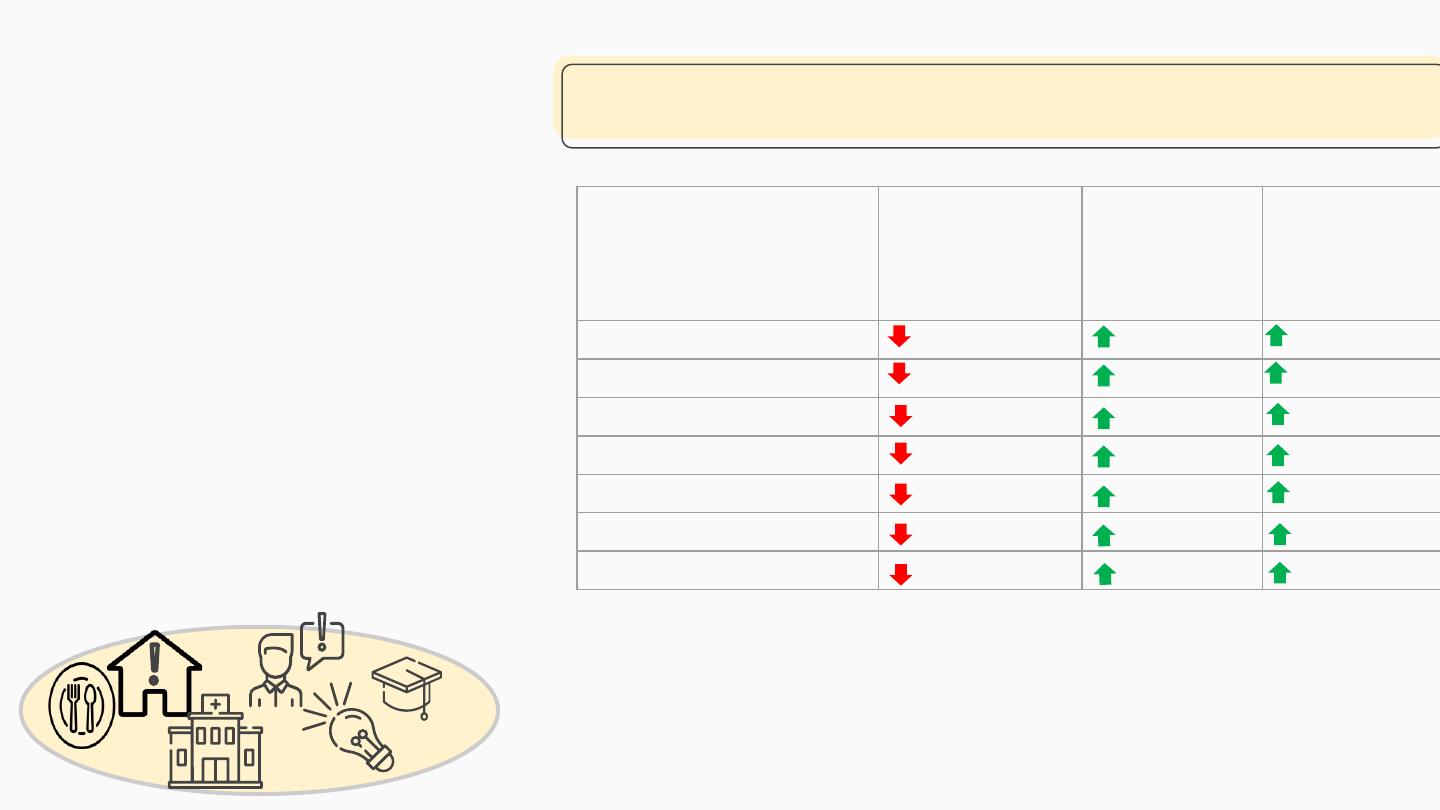
Regions Health Care System
(ICU, Ward and Bed
usage rate) reduced
for non covid
patients
GHI and food
insecurity
increase
(comparing with
2018)
Number of
Poverty increase
in the year 2020
East Asia and Pacific 60%-76% 9.9%-11.4% 24 million ppl
Sub-Saharan Africa 60%-76% 21.8%-27.1% 23 million ppl
North America 80%-94% 9.6%-14.4% 16.7 million ppl
Latin America and Caribbean 35%-50% 24.9%-37% 14.6 million ppl
Middle East and North Africa 25%-50% 8%-10.9% 9.7 million ppl
Europe and Central Asia 34%-58% 13.2%-18% 4.3million ppl
South Asia 45%-67% 8.4%-9.8% 16 million ppl
Table 1 shows the impact of Covid-19 towards the global health care systesm sourced from
OECD (2021a), impact of Covid-19 towards the Global Hunger Index and Food Security sourced from
HLPE (2020); Grebmer, et.al (2021) and the impact of Covid-19 towards Global Poverty which sourced
from Greszon, et.al (2020); Jill & Tanzi (2021); Barcena (2021); UNSCWA (2020) cited in (Unicef,2021);
World Bank (2021a).
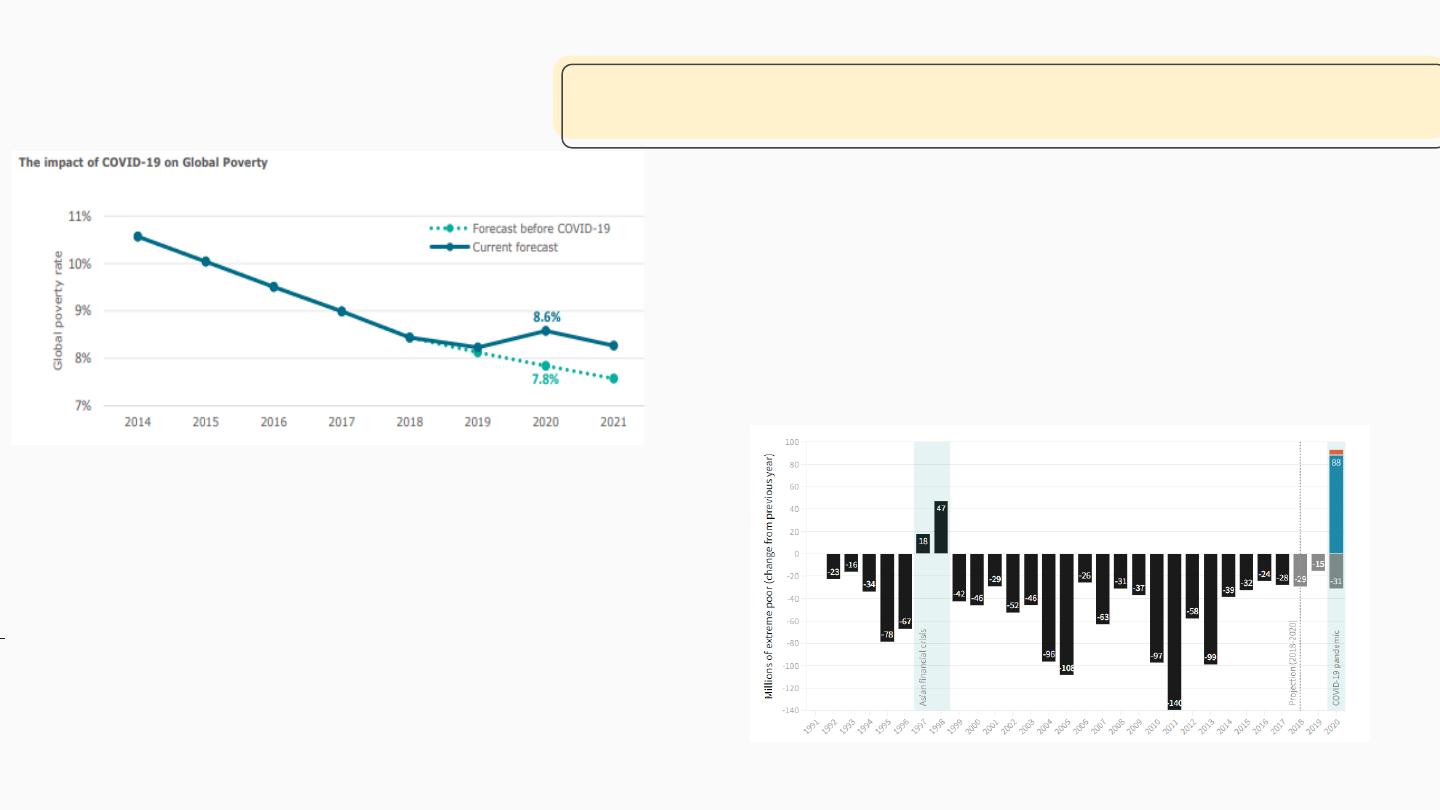
•According to the pre Covid–19 pandemic forecast, World Bank was predicted a
constant fall of 0.3% in the Global Poverty by international standard
measurement poverty line of 1.90/per day. In result, with the pandemic hits;
the Global poverty rate increased to 0.8-1.5% due to impact on virus which
affected the economic activities including international trades also supply
chain disruptions (Kose & Obnsorge, 2021); (IMF, 2021a)
•Additionally, the line is used to measure the number of people living under
the Extreme Poverty.
Covid-19 increase the Global Poverty
Figure 1 shows the forecasting and actual the impact of Covid-19
towards Global Poverty (Greszon, 2020)
Figure 2 shows the empirical data of global extreme poverty increased due to
Covid-19 (Lakner et.al, 2021)
•Covid-19 impacted the world extreme poverty by rising of 119 million
of people were being pushed into extreme poverty and 88 millions
were being categorised as ‘new poor’ by 31 million of were still
living under extreme poverty (Lakner et.al, 2021).
•Extreme Poverty could be identified as Absolute poverty and Relative
Poverty.
Covid-19 leads to global Extreme poverty
Countries Poverty Line (Purchasing Power Parity)
Low Income $1.90/day
Middle Income $3.20/day
Upper- Middle Income $5.50/day
High Income $21.70/day
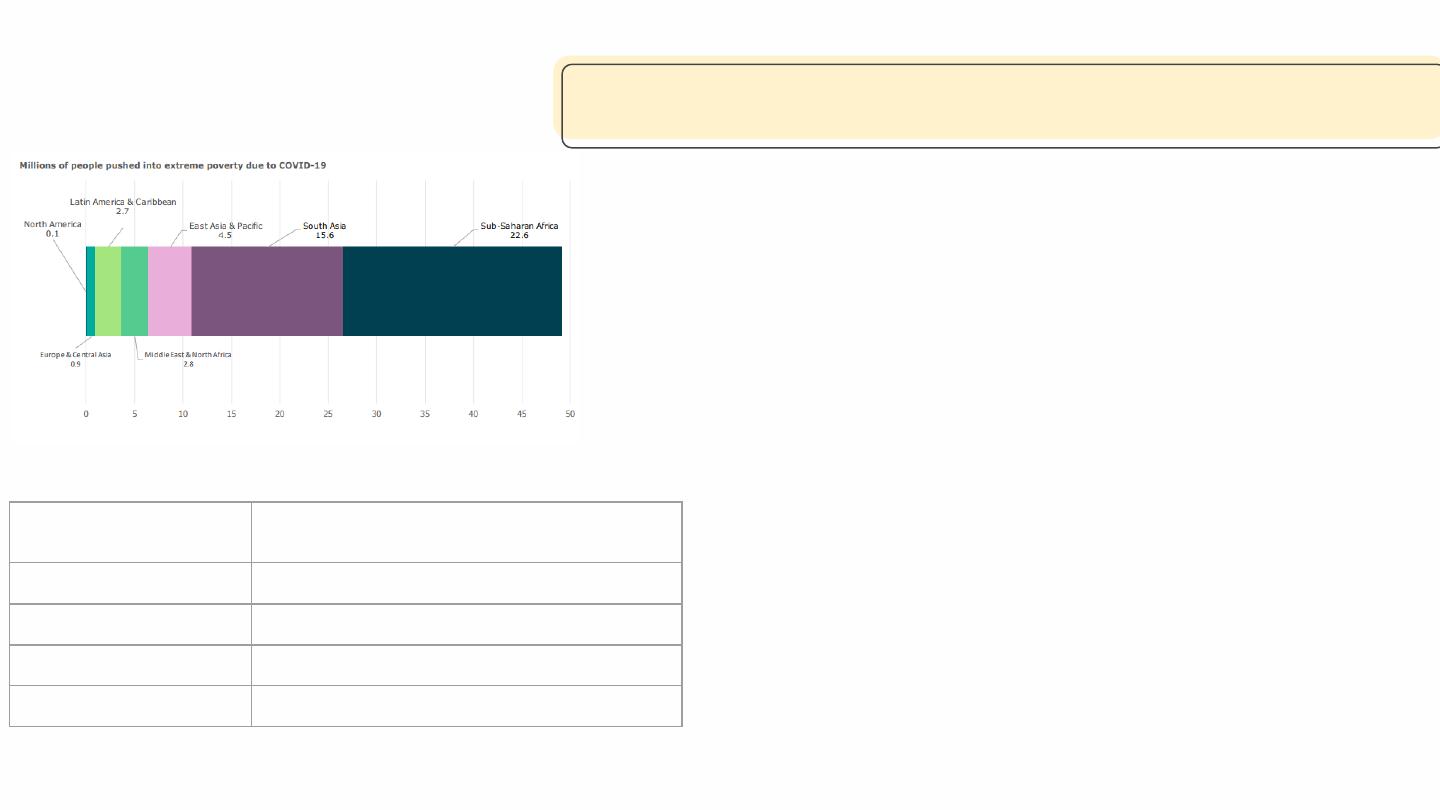
Figure 3 shows the empirical data of increased in extreme poverty by
regions due to Covid-19 (Greszon, 2020)
Table 2 shows the measurement of World Bank for International Poverty using
baseline scenario (Castaneda et.al, 2020); (Peer 2020)
•According to United Nations (2020), that 56%of the extreme poverty
are considered as Absolute Poverty where income are insufficient to
meet the minimum housing, food and shelter.
•However, 44% are categorised Relative Poverty where income of
households would only hits 50%-60%of the Poverty line but are
sufficient for daily purchase. For instance, countries in North America
that nearly 26%of the population are earning an average of $11-$16 a
day during Covid-19 but are relatively sufficient for necessities
payment such as rental, food and electricity (United Nations, 2020);
(IMF, 2021b)
•Therefore, Covid-19 increased global extreme poverty of 8.82%
compared to 2018 and 76.7% or 38.2 million of people are being
contributed by countries in the Sub-Saharan Africa and South Asia
region. Moreover, without proper solution; the extreme poverty in Sub-
Saharan Africa region are expected to grow trajectories from 466.23
million to 477.39 (Nishant et.al, 2020); (Kharas & Dooley, 2021)
Covid-19 impact countries poverty