Macroeconomics
Chapter 18
Macroeconomics in an Open
Economy

18.1 The Balance of Payments: Linking the
United States to the International Economy
Until now, we have mostly ignored the linkages among
countries at the macroeconomic level.
But countries are linked:
•By trade in goods and services
•By flows of financial investment
In this chapter, we will consider how these linkages work, a
nd what the implications are for fiscal and monetary policy.

Open and Closed Economies
Today it is routine for consumers, firms, and investors to
interact with their counterparts in foreign countries.
A country that has interactions in trade or finance with other
countries is known as an open economy,as opposed
to a closed economy, which has no interactions in trade or
finance with other countries.
•No economy today is completely closed, though a few
countries, such as North Korea, have limited foreign
economic interactions.
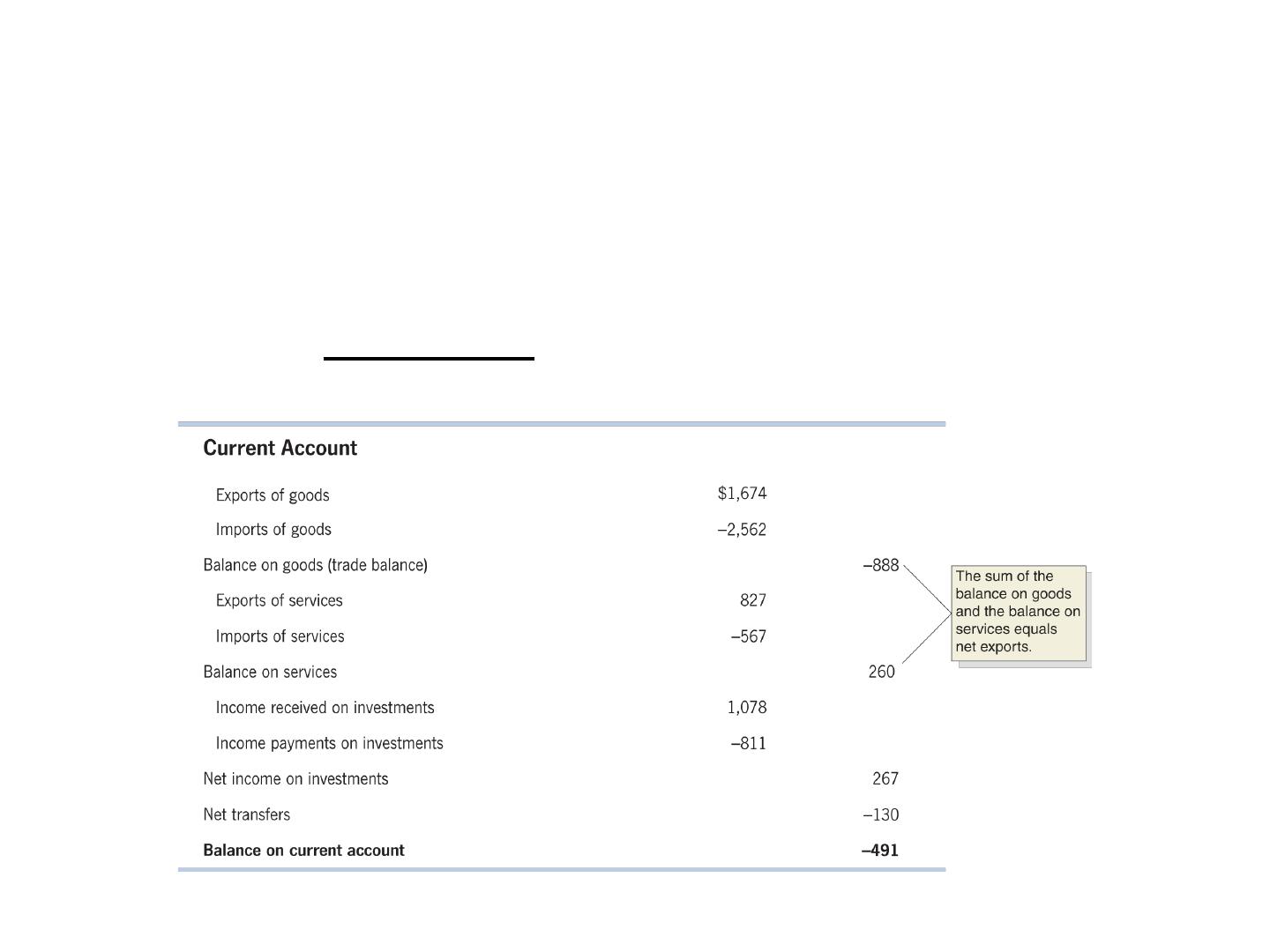
Table 18.1 The U.S. Balance of Payments,
2018 (billions of dollars) (1 of 3)
A good way to understand economic interactions with other countries is by examining the
balance of payments (BoP): the record of a country’s trade with other countries in goods,
services, and assets.
It is composed of the current account : the part of the BoP that records the country’
s net exports, net income on investments, and net transfers…
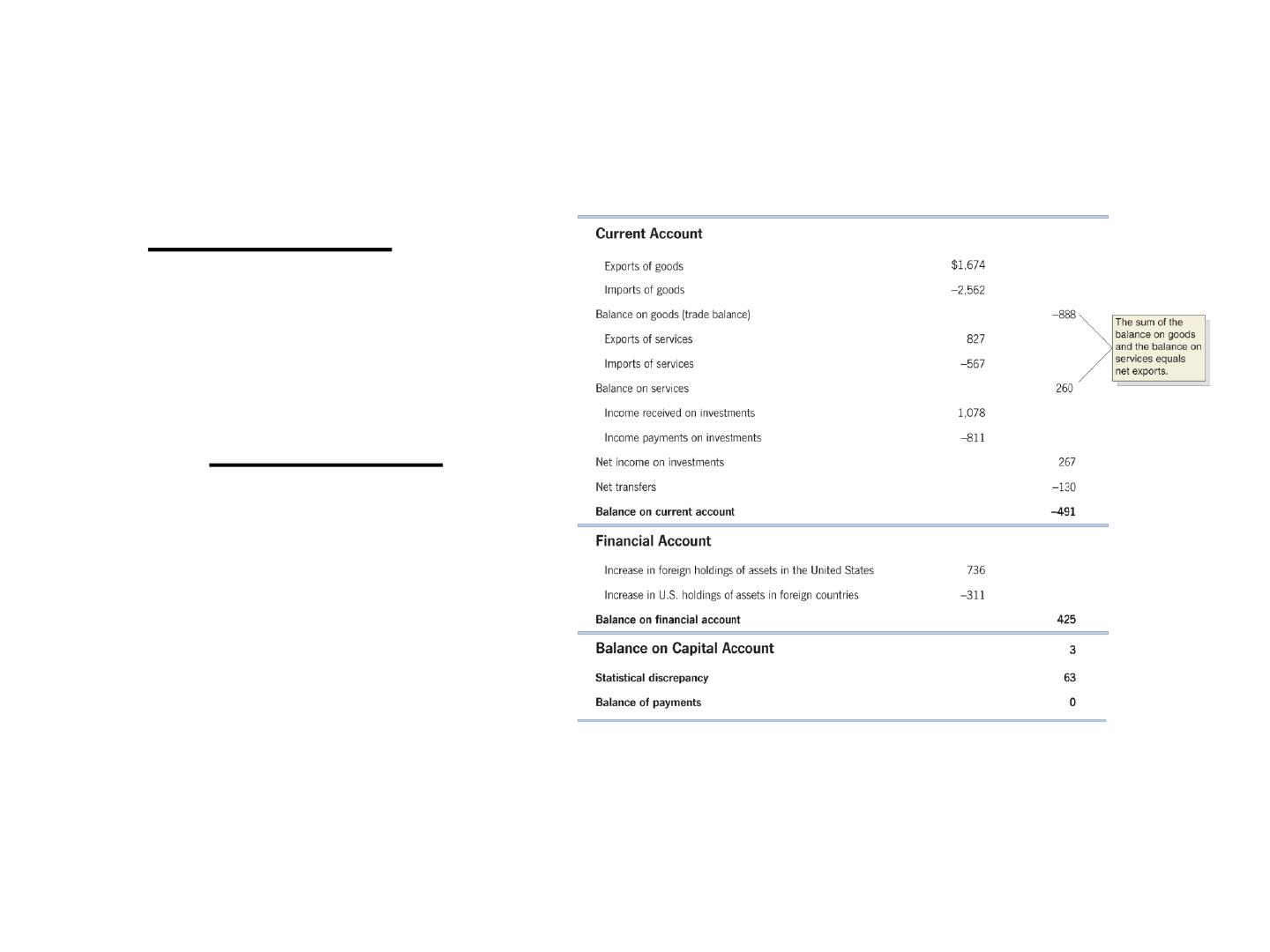
Table 18.1 The U.S. Balance of Payments,
2018 (billions of dollars) (2 of 3)
…the financial account–, the part o
f the BoP that records purchases o
f assets a country has made abro
ad and foreign purchases of asset
s in the country…
…and the capital account , the p
art of the BoP that records relativ
ely minor transactions such as
migrants’ transfers and sales and
purchases of non produced, nonf
inancial assets.
Source: U.S. Bureau of Economic Analysis, “U.S. International Transactions,” September 19, 2019.
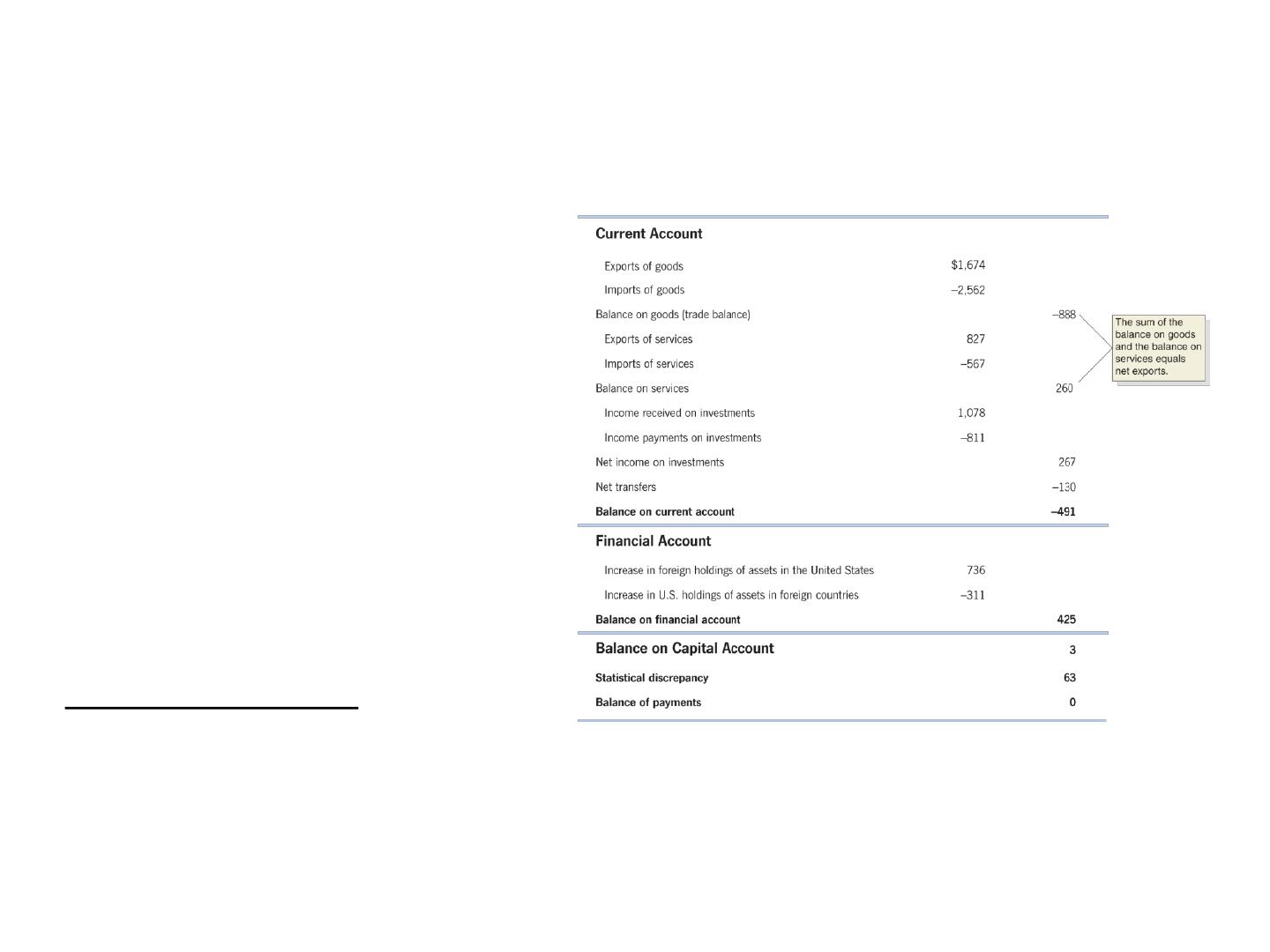
Table 18.1 The U.S. Balance of Payments,
2018 (billions of dollars) (3 of 3)
The balance of payments is the
sum of these three.
•It must equal zero. In 2018, t
he U.S. spent $491 billion m
ore on goods, services, and
other current account items t
han it received.
•This money must have been
used either to buy U.S. assets
or to keep as U.S. currency h
oldings overseas.
Statistical discrepancy is the differ
ence.
Source: U.S. Bureau of Economic Analysis, “U.S. International Transactions,” September 19, 2019.
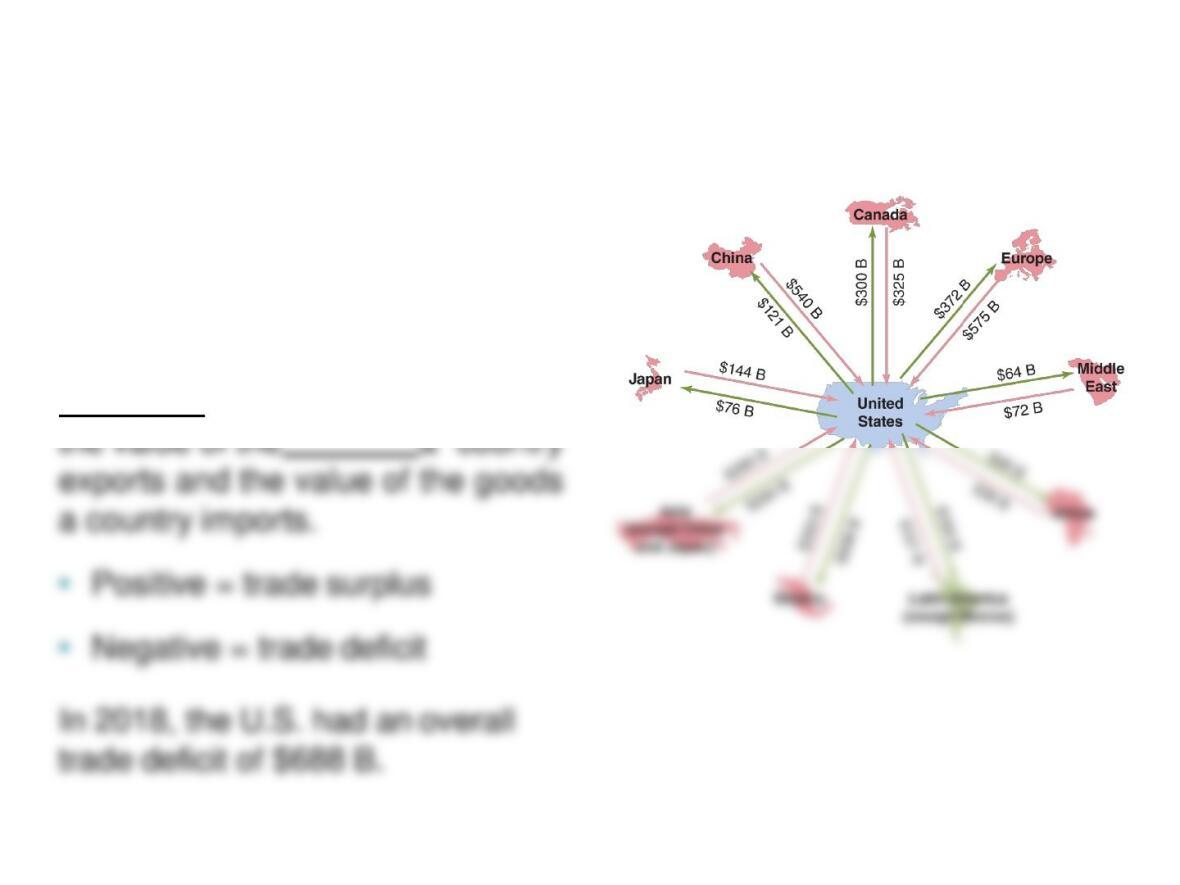
Figure 18.1 Trade Flows for the United
States, 2018
The current account records a co
untry’s net exports, net income o
n investments, and net transfers.
An important part of this is the
, the difference between
the value of the a country
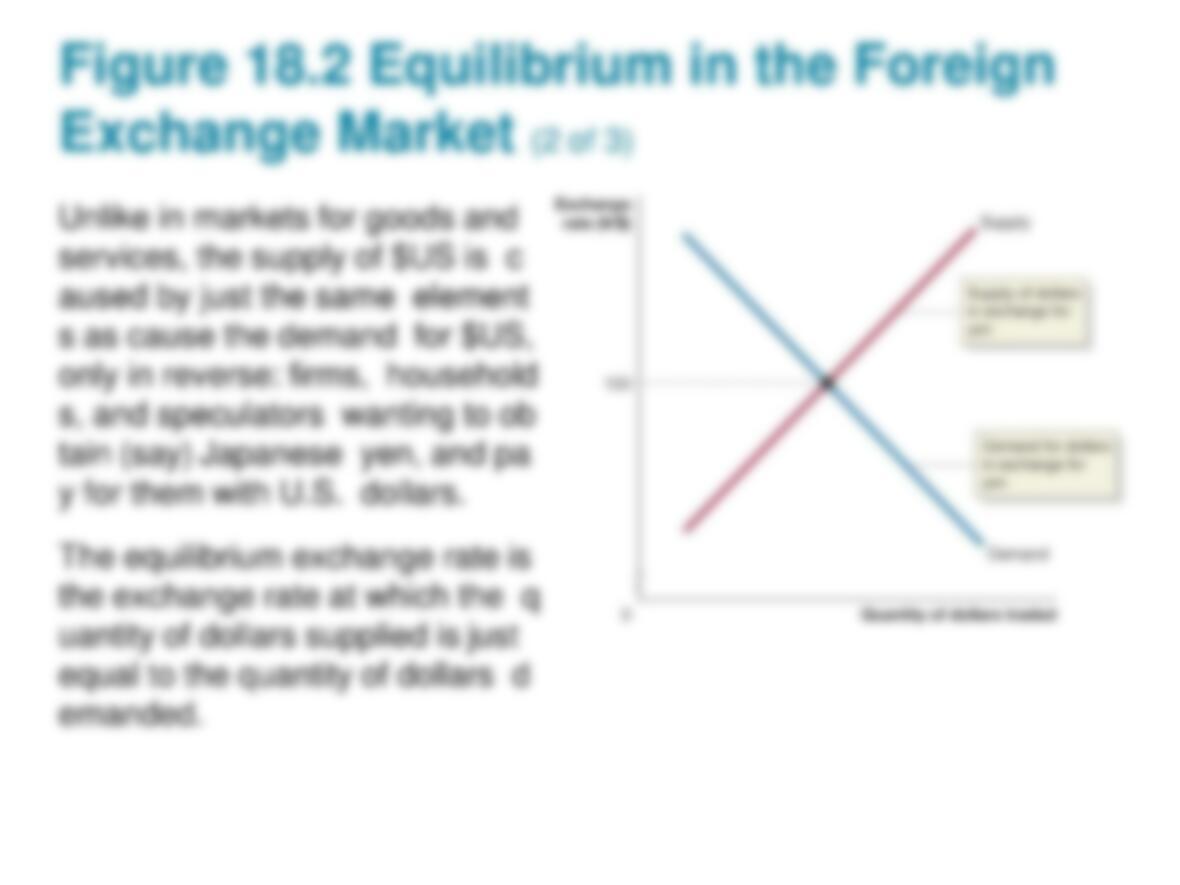
$US, so the same factors that change demand also change supply.