COMPANY INTRODUCTION AND CASE
BACKGROUND
Dynamic Medical Solutions (DMS) is a small company
that sells (as a retailer of products manufactured by others)
durable and nondurable medical products to customers in
seven states across the United States. Some of the popular
durable products sold by the company are hospital beds,
diabetic footwear, and mobility equipment (i.e., wheelchairs,
scooters, etc.). A large portion of the company’s business
involves the sale of durable and nondurable medical supplies
including nutrition supplements, gloves, and personal care
products used in patient care. All of the products carried by
DMS are over-the-counter items and thus do not require
a physician’s prescription.1 Like most companies in the
medical products supply industry, DMS serves a multitude
of customers, including those with (1) no insurance (i.e.,
cash and carry), (2) Medicare and Medicaid benefits
(i.e., government programs),2 and (3) private insurance.
Accordingly, DMS has a billing department internally
for customers with such benefits and insurance. Many
customers, including those enrolled in government programs
and those who pay for products out of pocket (i.e., cash and
carry) are elderly and/or reside in assisted-living facilities.
The company employs sales representatives who visit these
facilities and interact with the customers and their caregivers
on a regular basis and establish the ordering process for
the customers via phone or fax. Customers also are able to
purchase goods at one of the company’s five retail stores via
the company’s website or through the phone/fax process with
a sales representative.
In regard to cash and carry customers, DMS strives
to offer competitive prices as the company is directly
competing with large national retail stores that offer
many types of medical products and operate on small
profit margins. Serving cash and carry customers is
fairly straightforward, involving no other considerations
beyond the typical sales initiation (i.e., visits from a sales
representative), point-of-sale sales, and warehouse shipping
or customer pick-up processes.
On the other hand, serving government programs
customers is more restrictive and requires an extensive
number of internal processes and procedures. The prices
charged to these customers (i.e., the reimbursement
amount) are set by the program entity (i.e., Medicaid or
Medicare). Most importantly, the process of selling goods
involves additional mandated (by law) considerations
beyond the normal cash-and-carry process, including
the written verification of medical necessity from the
customer’s physician, the processing of insurance claims,
and the substantiation of product delivery. For many of the
nondurable medical supplies, such as nutrition supplements
and gloves, the process is even more cumbersome as these
products are supplied to customers on a monthly basis.
Accordingly, proof of medical necessity for these products
also has to be updated on a recurring basis. This involves
IMA EDUCATIONAL CASE JOURNAL VOL. 7, NO. 2, ART. 3, JUNE 2014
1
ISSN 1940-204X
Dynamic Medical Solutions:
Expanding the Application of Cost Management Principles
to Channel and Customer Profitability Analysis
Casey J. McNellis, Ph.D., CPA
University of Montana
Ronald F. Premuroso, Ph.D., CPA, CFE
University of Montana
additional interaction by the company with primary care
physicians and Medicare/Medicaid representatives, as well as
increased processing of paperwork.
Sales to customers using private insurance comprise
an immaterial amount of the company’s revenues. Most
private insurance companies cover only a minor amount of
the charges for the products offered by DMS, often after a
government program has been billed first and has paid for
the majority of the charge billed by DMS.
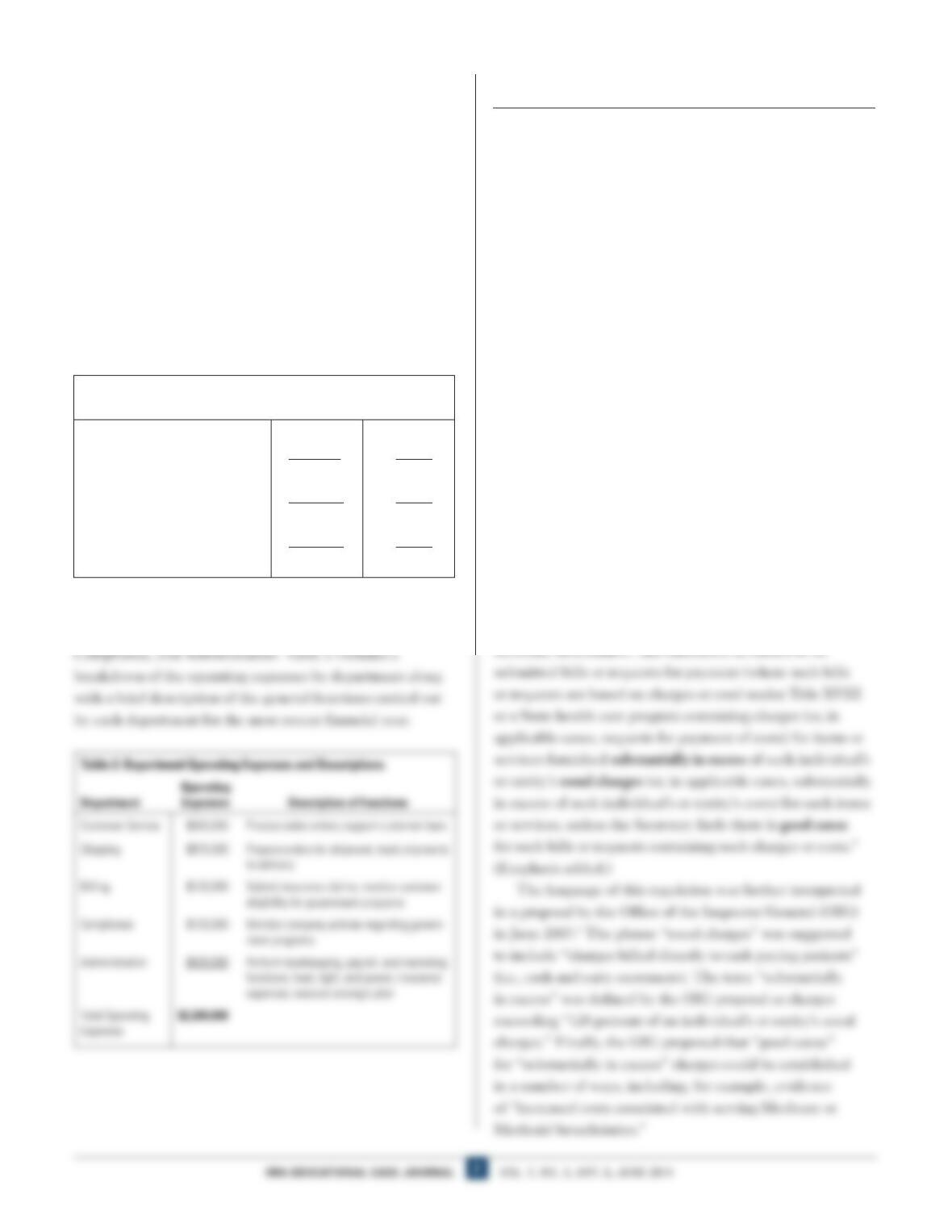
Table 1 provides a breakdown of DMS’s sales for the
most recent financial year, along with other relevant financial
information (excluding an immaterial amount for private
insurance-related sales).
Table 1: DMS Sales by Customer Type and Other Financial Information
Sales % of Total Sales
Government Programs Sales $3,000,000 75.0%
Cash and Carry Sales $1,000,000 25.0%
Total Net Sales $4,000,000 100.0%
Cost of Sales ($1,300,000) 32.5%
Gross Profit $2,700,000 67.5%
Operating Expenses ($2,200,000) 55.0%
Operating Income $ 500,000 12.5%
The company’s operations are divided into five
departments: Customer Service, Shipping, Billing,
REGULATORY ENVIRONMENT
As Table 1 depicts, DMS’s primary source of sales are from
customers who are eligible for assistance from government-
related healthcare programs. As such, the company’s success
is largely based on understanding government regulations,
policies, and procedures governing Medicare and Medicaid
programs, including reimbursements.
Because of past alleged abuses of these government
insurance programs by healthcare providers, Federal and
state authorities have enacted several regulations under
the Social Security Act for providers like DMS involved
with submitting reimbursement claims under government
programs. For example, the Department of Health and
Human Services (HHS) has the power to revoke a company’s
privileges to serve Medicare and Medicaid customers if
the company has been involved in criminal activity, patient
abuse, and/or healthcare fraud. Additionally, the Act also
allows HHS to prohibit a company from engaging in business
activities with Medicare and/or Medicaid if the company
submits product reimbursement claims for government
programs customers significantly higher than amounts
charged to cash and carry customers. Specifically, Section
1128(b) of the Act states that HHS:
“…may exclude…from participation in any Federal
health care program…any individual or entity that the