MARK
SYNDICATE ASSIGNMENT
PROGRAMME: PGDIP Blue Group
PROGRAMME MANAGER: Naniki Malebona
STUDENT NAME & SURNAME: Syndicate 7
Andiswa Mlisa 21267295 Bradley Lowman 28433409
Dudu Zwane 20807415 Gerhard van der Merwe 20820944
Kefentse Pule 19411015 Kolodi Makola 97147363
Phutheho Lesenya 20807377 Rebecca Nkgudi 20802872
This serves to confirm that the content herein is our own work and all sources used have been
referenced. This document is considered confidential and no unauthorized use of any information
contained herein is permitted.
LECTURER: Hayley Pearson
COURSE (Include course code if applicable): Applied Business Project (GIA 751)
DUE DATE: 1 October 2020
LECTURER COMMENTS:
______________________________________________________________________
______________________________________________________________________
______________________________________________________________________
______________________________________________________________________
2
DEVELOPMENT PROGRAMMES TO ENABLE WOMENS’
PROGRESSION INTO MANAGERIAL POSITIONS
OPTIMISING COACHING AND MENTORSHIP THOUGH MOBILE TECHNOLOGY
3
Executive summary
According to the United Nations (2019), only 27% of women are in managerial positions, globally.
Given that females represent 45% of the economically active population in South Africa, only
about 30% are represented in senior management positions and further though more women than
men were exposed to skills development, men were still overrepresented in promotions to higher
management levels (CEE, 2019). The researchers believed that this problem was symptomatic
of a lack of effective development programmes that are specifically targeted to enable women to
progress into managerial positions. This supports the United Nations (UN) Sustainable
Development Goal Five (SDG 5) which aims to achieve gender equality and empower all women
and girls and through target 5.5 it calls for ensuring women’s full and effective participation and
equal opportunities for leadership at all levels of decision–making in political, economic and public
life. The main indicator for the target is the proportion of women in managerial positions. Triana,
Richard & Su (2019) demonstrate that gender equality strategies for managerial positions enables
organisations to access talent, improve their reputational status, harness diversity of thought for
better decision–making and innovation, all of which helps gain better market penetration.
The study followed a mixed research approach, using qualitative research approach through
interviews and quantitative research approach through surveys. The population for the study were
South African women in management positions and Human Resources representatives in
organisations. The sample size of the study were five organisations and 93 female managers.
From the results obtained it was evident that females believed that organisation were committed
the development and progression of females within the organisation but that more focus was
required on the method of delivery of this service. It was also established that in many cases
females did not necessarily lack the skills to progress into managerial positions but rather was
hampered by the confidence to implement and execute within these skills.
It an attempt to address this the solution formulation process guided the team toward a product
that would deliver a known service in a new and effective way. This was developed into the
Inclusivity App that promoted “Confidence at your fingertips” that enables anytime access to
mentorship and coaching services with the main objective of building confidence and experience.
This is done through the direct access to coaches and mentor to guide the users on their career
development journey.
4
Table of Contents
Executive summary…………………………………………………………………………………………………. 3
List of Figures ………………………………………………………………………………………………………… 5
List of Tables …………………………………………………………………………………………………………. 5
1 Introduction…………………………………………………………………………………………………….. 6
2 Problem identification and formulation ……………………………………………………………….. 7
2.1 Research objectives ……………………………………………………………………………………………….7
2.2 Literature review …………………………………………………………………………………………………..7
3 Evidence on SDG and issue from data gathering …………………………………………………… 10
3.1 Research methodology ………………………………………………………………………………………… 10
3.2 Data gathering and analysis process ………………………………………………………………………. 11
3.3 Results ……………………………………………………………………………………………………………… 12
RQ 1: What are gender equality perceptions and current status of women representation in the organisation?
………………………………………………………………………………………………………………………………………………………. 12
RQ 2: Do organisations have development programmes specifically targeted at women? …………………………. 14
RQ 3: What is the perceived effectiveness and value these programmes bring to women? ……………………….. 15
RQ 4: What are the challenges faced by organisations in providing the programmes? ………………………………. 18
4 Application of Subjects ……………………………………………………………………………………. 18
5 Approach to Solution Formulation …………………………………………………………………….. 21
5.1 Product Strategy ………………………………………………………………………………………………… 21
5.2 Product Definition ………………………………………………………………………………………………. 22
5.3 Product Concept …………………………………………………………………………………………………. 22
5.4 Validation …………………………………………………………………………………………………………. 23
5.5 Production ………………………………………………………………………………………………………… 25
5.6 Market launch and commercialization ……………………………………………………………………. 25
5
6 Presentation of Solution ………………………………………………………………………………….. 25
6.1 What is the solution? ………………………………………………………………………………………….. 25
6.2 Inclusivity App Architectural Design ……………………………………………………………………….. 26
6.3 Solution Marketing Strategy …………………………………………………………………………………. 29
6.4 Project costs and benefit analysis ………………………………………………………………………….. 33
6.4.1 Understanding what’s behind the App development cost ………………………………………………………….. 33
6.4.2 Cost / Benefit Analysis …………………………………………………………………………………………………………… 34
7 Subject Integration: Model and Explanation………………………………………………………… 38
8 Limitations and Areas for Future Research ………………………………………………………….. 39
9 Conclusion …………………………………………………………………………………………………….. 40
References…………………………………………………………………………………………………………… 41
Appendices ………………………………………………………………………………………………………….. 45
List of Figures
Figure 1 Women representation in management at the participating organisations ……………….14
Figure 2 Development programmes women had undertaken …………………………………………….15
Figure 3 Simplified innovation process …………………………………………………………………………..21
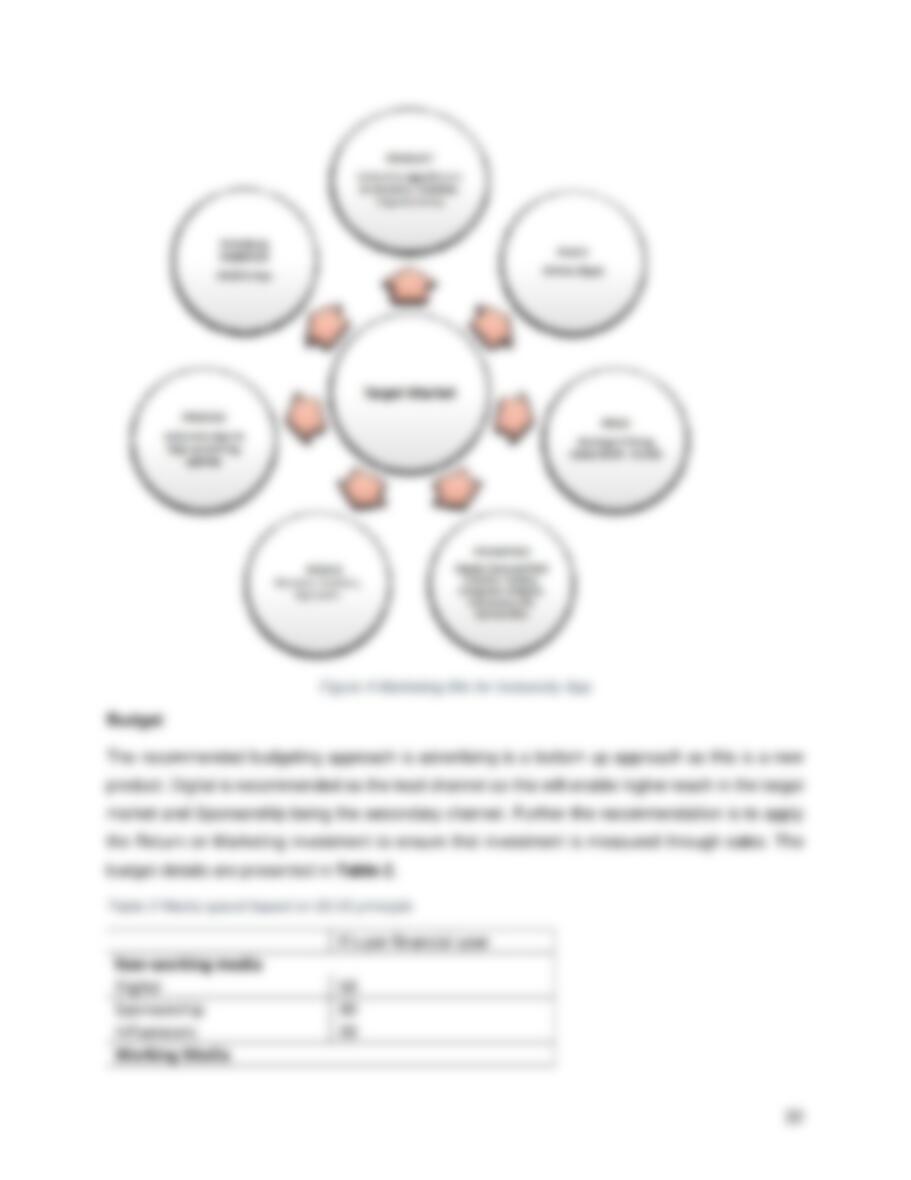
Figure 4 Marketing Mix for Inclusivity App ………………………………………………………………………32
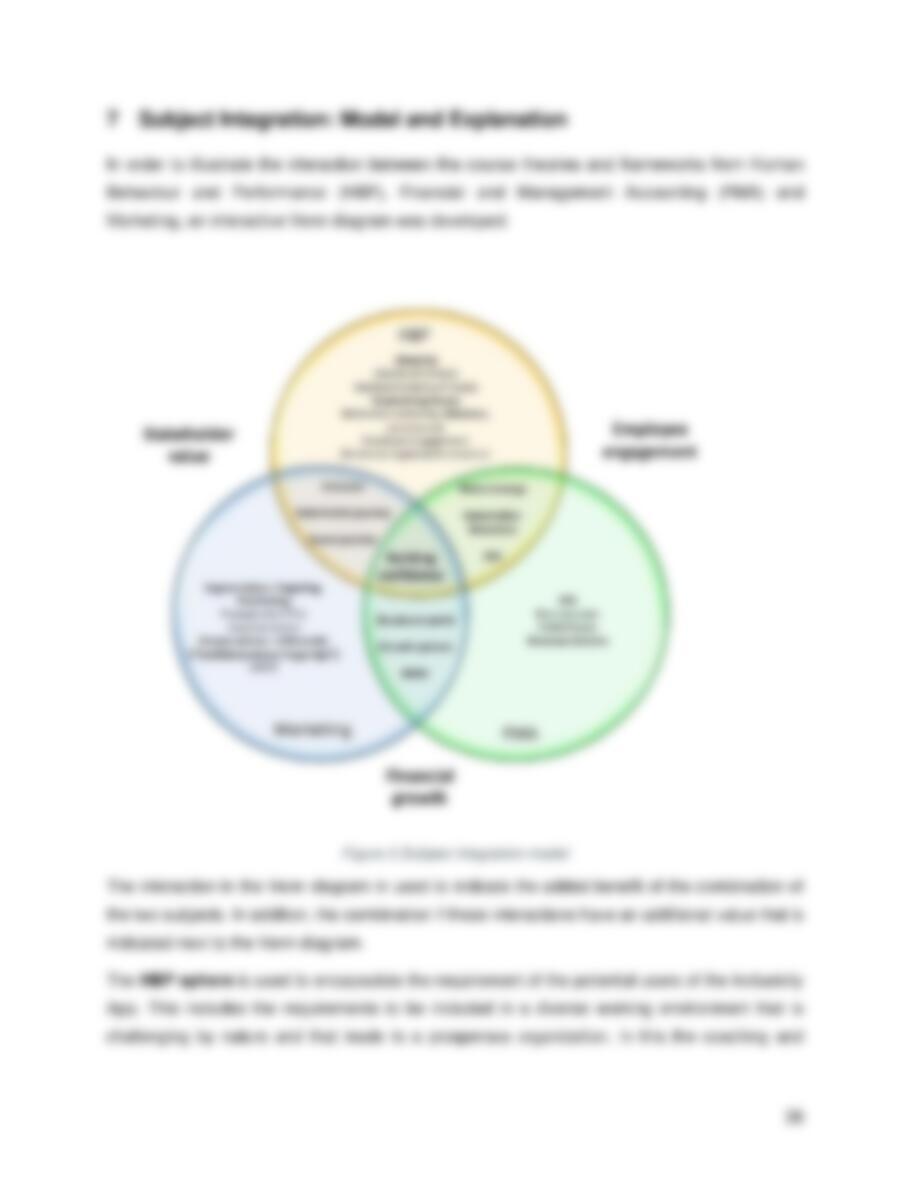
Figure 5 Subject integration model ………………………………………………………………………………..38
List of Tables
Table 1 Development programmes which provided the most value to respondents …………..16
Table 2 Media spend based on 80:20 principle ……………………………………………………………….32
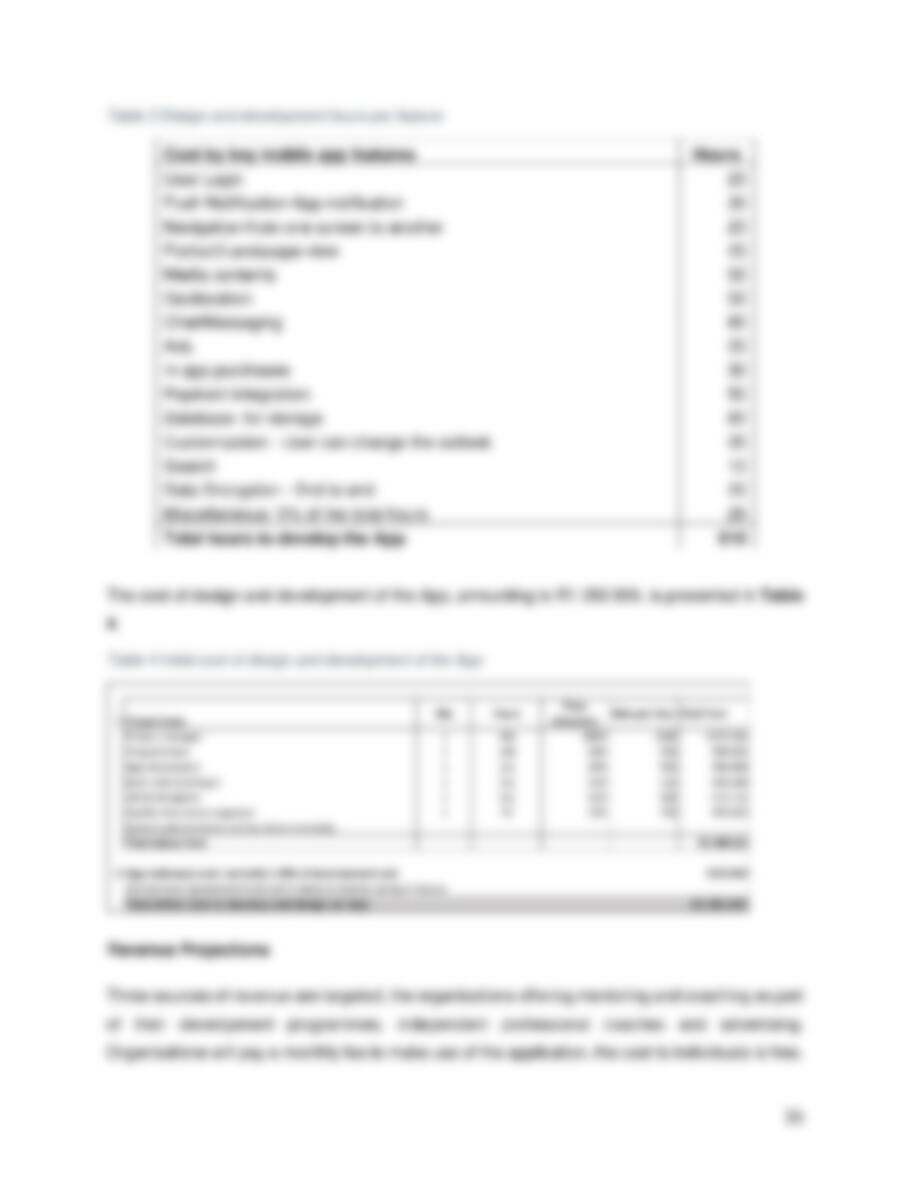
Table 3 Design and development hours per feature …………………………………………………………35
Table 4 Initial cost of design and development of the App …………………………………………………35
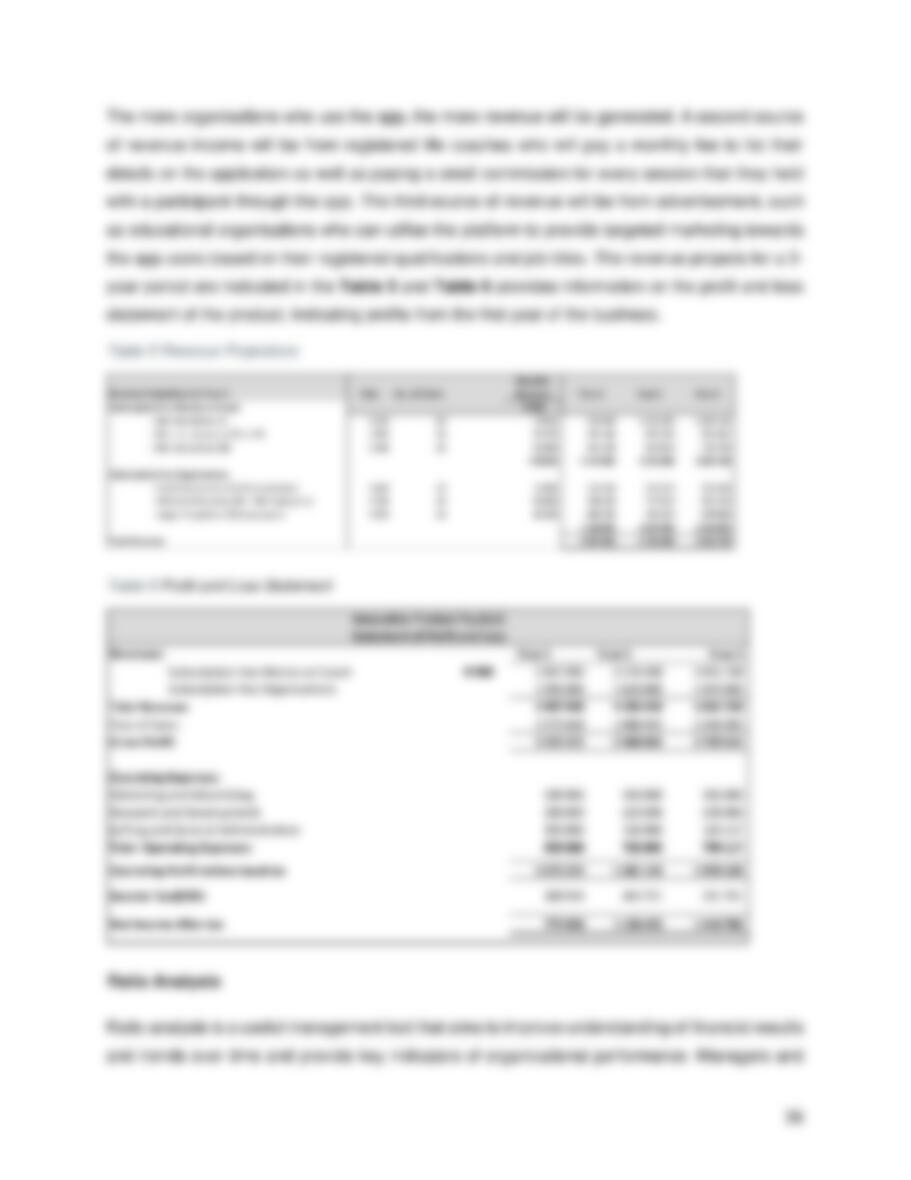
Table 5 Revenue Projections ……………………………………………………………………………………….36
Table 6 Profit and Loss Statement ………………………………………………………………………………..36
6
1 Introduction
Inequality continues to prevail in our societies today. In some respects, inequality is increasing,
as is the case of income inequality in the OECD countries which see it at its highest level for the
past half century (OECD, 2017). South Africa is the highest–ranking country on income inequality
with a Gini coefficient of 0.620 as of 2017 data. Gender equality, a challenge for the most
governments, businesses and societies, contributes greatly to economic equality, as men tend to
earn more than women are often found in low–paying jobs more than men, women are
underrepresented in senior positions in businesses and most often women have no control over
productive assets such as property rights. Though in the last century there has been a noticeable
rise in female participation in the labour force, making up 49% share of the labour force (WEF,
2020) in developing economies, up to 70% of women’s employment is still informal work (UN
Foundation, 2020). Recent research indicates that “female jobs are 19 percent more at risk than
male ones simply because women are disproportionately represented in sectors negatively
affected by the COVID–10 crisis” (McKinsey Global Institute, 2020) and more so as the informal
jobs are the first to be negatively impacted in times of economic uncertainty. In the OECD
countries, women earn 16% less than men on average (OECD, 2017), whilst only 14% of business
are owned by women, 18% have women as top manager and 36% of female representation in
senior positions (WEF, 2020).
The United Nations (UN) Sustainable Development Goal Five (SDG 5) aims to achieve gender
equality and empower all women and girls and through target 5.5 it calls for ensuring women’s
full and effective participation and equal opportunities for leadership at all levels of decision–
making in political, economic and public life. The main indicator for the target is the proportion of
women in managerial positions. The research focuses on the participation of women in
leadership, aiming to go beyond the quotas, looking at the development and support initiatives
organisations put in place to enable women progression into managerial positions. Though SDG
5 is a noble goal, built on the principles of human rights, Agenda 2030 is mostly silent on instituting
policies and structures required to achieving it (Razavi, 2016).
Obtained education, in large by increase in girls reaching higher levels of education has
accounted for about 50% of economic growth in OECD countries in the past 50 years (OECD,
2017). Addressing the barriers of gender equality in education and employment would improve
and create new sources of economic growth and prosperity. According to the Commission for
Employee Equity (CEE) report (2019), in 2018, less women than men in top and senior
management received skills development, with more women (51,1%) in the professionally

7
qualified levels receiving training. However, more males than females were recruited or promoted
into the positions in top and senior management than at the professionally qualified levels (CEE,
2019).
2 Problem identification and formulation
2.1 Research objectives
The problem identification was informed by SDG 5, target 5.5, ensure women’s full and effective
participation and equal opportunities for leadership at all levels of decision making in political,
economic and public life. Applying root cause analysis using the 5–Whys technique the problem
formulation was done.
According to the United Nations (2019), only 27% of women are in managerial positions, globally.
Given that females represent 45% of the economically active population in South Africa, only
about 30% are represented in senior management positions and further though more women than
men were exposed to skills development, men were still overrepresented in promotions to higher
management levels (CEE, 2019). The researchers believed that this problem was symptomatic
of a lack of effective development programmes that are specifically targeted to enable women to
progress into managerial positions.
The research has four guiding questions: (i) what are qender equality perceptions and current
status of women representation in the organisation, (ii) do organisations have development
programmes specifically targeted at women (iii) what is the perceived effectiveness and value
these programmes actually bring to women and (iv) what are the challenges faced by
organisations in providing the programmes?
The research study aims to use the insights gained from the research questions to formulate a
feasible and viable business solution. The research study will test the solution with relevant
stakeholders.
2.2 Literature review
Literature review was conducted in order to achieve better clarity of the problem statement and
to further formulate the research methodology.
Behavioural and perception factors
Though women representation in the labour force has greatly improves, a challenge still remains
in closing the gender gap in management positions. The issues of management stereotyping with

8
male biasness, according to Castano, Fontanil & García-Izquierdo (2019), has led to an opposing
impact in the global progression of women into top management. As a result of gender
stereotypes, women generally have had less opportunities to acquire the required experience to
advance into leadership positions (Cho, Park, Han, & Ho, 2019 and Castano et.al, 2019). It is
argued that such gender stereotyping are a result of societal and national culture; such as the
expectation of women to marry and have children, thus defining their roles as wives and mothers
and creating the stereotype that women who are working moms are less committed to work due
to the multiple roles they play (Cho et.al, 2019). Further, due to traditional cultural influences,
women may find themselves unable to speak out and adjust to male dominated organisations, as
the hierarchical, rigid and gender insensitive environment promote gender inequality and may
further weaken the performance of women (Cho et.al, 2019 and Castano et.al 2019).
Meta–analysis studies have revealed that gender stereotyping may influence the decisions taken
within organizations in a number of ways, resulting in fewer women represented in leadership
positions (Castano et.al, 2019). In organisations recruitment procedures, the human resources
and appointing managers show gender bias against women by using personal characteristics,
such as personality traits, beliefs about women abilities, perceived motivations, perceived
leadership style and physical appearance, which results in women perceived as less suitable for
managerial positions (Castano et.al, 2019, p.12). Some biases include the preference to maintain
male–dominated positions for men. These biases held by those in recruitment positions mean
women are measured against different standards than their men counterparts and result in poor
employability and likability of dominant women, thus resulting in less opportunities for women to
grow into managerial positions.
Organisation culture and development programmes
Neither a womens’ knowledge, performance nor efforts can guarantee progress in the workplace,
as gender perceptions often deems her inferior and less likely to be promoted (Castano et.al,
2019). A study of over 700 global companies found that while women make up 37% of the
workforce, only 28% of the women are managers and only 22% are Board members (Scott &
McGill, 2018). This study supports the United Nations findings on global representation of women
in managerial positions. In South Africa, the Commission for Employment (2019) reported that
women made up 45,3% of the economically active population but remained underrepresented in
decision making positions, making up only 23,5% of top management, 34,5% of senior
management and 44,9% of the professional cohort. The Commission’s report also showed a 1%
to 1.5% growth in the three–year period between 2016 and 2018. The report of the Commission

9
is in relation to the South African Employment Equity Act (act no 55 of 1998), which aims to
promote equality in the workplace, and the Skills Development Act (act 97 of 1998), which
encourages skills development in the workplace.
Matotoka and Odeku (2018) finds that organizational culture, policies and strategies promote
exclusion and perpetuate gender inequality. They further state that inadequate development and
growth opportunities, lack of training, lack of career path and succession planning, and a lack of
or ineffective mentoring and coaching are all barriers to the progression of women into managerial
positions. Studies have indicated that quality mentorship programmes can assist with reducing
female identity related obstacles (Meister, Sinclair & Jehn, 2017), building self–esteem (Wu, Lyu
& Kwong, 2019), and assist women to select more effective career development strategies within
organizations (Kim, Atwater, Jolly & Kim, 2019). Women leaders who became CEOs attested that
a culture of gender equality, together with organizational support and diverse on–the–job
experiences were critical to their progression (Cho et.al, 2019).
Why is gender equality important for organisations?
Triana, Richard & Su (2019) demonstrate that gender equality strategies for managerial positions
enables organisations to access talent, improve their reputational status, harness diversity of
thought for better decision–making and innovation, all of which helps gain better market
penetration. Further, elevating women to positions of power results in a positive multiplier effect
(United Nations, 2015), as it not only benefits women obtaining promotions, but also women and
girls with aspirations for entering into leadership positions and society at large, thereby creating
a ripple effect that stimulates gender–balanced economic growth at organisational, societal and
household levels. The appreciation of these benefits has, however, not translated into a rapid
growth of women in leadership positions. The World Economic Forum (2018) estimates that at
the current rate of progress, it will take 217 years to close the global gender gap. It seems fair to
assume, “that more of the same will unlikely provide an enabling environment for gender equality
and the realization of women’s economic and social rights.” (Razavi, 2016, p. 27).
10
3 Evidence on SDG and issue from data gathering
3.1 Research methodology
The researchers seek to understand the role and effectiveness of development programmes
provided by organizations in enabling the progression of women into managerial positions.
Management in the study refers to the three highest (top management, senior management and
professionally qualified) occupational levels of the six as laid out in the Employment Equity Act
amendment and as applied by the Commission of Employment Equity (CEE, 2019). These are
the levels that are defined to have responsibilities that can affect the business from giving input
into the business plan and/or management of resources to support the business plan, controlling
functional integration across the business, determining overall business strategy and objectives
and/or signing off on policies and strategies.
The study followed a mixed research approach, using both qualitative research approach through
interviews and quantitative research approach through surveys. Qualitative research relies on
unstructured and exploratory methods of data gathering and analysis, whereas quantitative
research focuses on facts and numbers and structured methods of data gathering and analysis
(Saunders and Lewis, 2018).
The study found five organizations from various industries and sectors in South Africa through
personal contacts and networks of the researchers (van Heerden, 2015) that were available to
participate in the research. Together the organisations representing the information and
communications technology (ICT), energy, fast moving consumer goods (FMCG) and
broadcasting industries. A purposive sample was used which include two groups of participants,
one group being the managers or executives heading up Human Resources (HR) and a second
group being women in management positions within the participating organisations. The
purposive sample method is used when the researcher decides to select participants, based on
his or her own judgement, who will best be able to answer the research questions (Saunders and
Lewis, 2018).
To ensure trustworthiness, consistency, validity and reliability in the research, triangulation of the
secondary data to interviews of the organisation was done (van Heerden, 2015) and similar
population groups were targeted within the organisations.

11
3.2 Data gathering and analysis process
The research study collected data through semi–structured interviews, online survey assessments
and secondary data.
Interviews
Semi–structured interviews were used to facilitate dialogue with five HR managers to obtain a
perspective from the organisations’ point of view and two subject experts. Semi–structured
interviews use open–ended questions which allow for probing, thus, enable the researchers to
gather in–depth and rich data (van Heerden, 2015). The interview guide, with 19 questions, was
developed to maintain consistency in the interviews and thereby improving the quality of data
gathering and ease of analysis (van Heerden, 2015). The interviews were conducted through
virtual communication platforms, as face to face meetings were restricted due to the Covid–19
pandemic. The duration of the interviews were 60 to 90 minutes.
Survey
An online survey was structured to establish the perspective, beliefs and experiences of women
employees in management positions and their recommendations for improvement. The survey,
containing 15 questions, was designed to make data collection easy, to improve the response
rate and ease of subsequent analyses (Saunders & Lewis, 2018). It prompted participants to
respond to pre–identified response options, mainly multiple choice and in some questions, a Likert
scale of 1–5 (1 strongly agree to 5 strongly disagree) was used. The expected amount of time to
take the survey was about 10 minutes.
The survey results comprised of 93 female respondents from two (2) of the five (5) organisations.
The survey was sent to 18 women from Organisation 3 (ICT), resulting in a response rate of 61%
and sent to 350 women from Organisation 4 (energy) with a 23% response rate. No survey
responses were received from the other three organisations and the researchers were unable to
pinpoint the reason behind the lack of response, especially as the sample from these
organisations was expected to be above 100 women.
Secondary data
Secondary data was received from two of the five participating organisations, as well as relevant
third–party organisations. The third–party organisation includes the South African Commission for
Employment Equity and Statistics South Africa as they provide national statistics relevant to
gender equality and skills development in the country. The participating organisation data
included employment equity and skills development plans.
Data analysis
Data analysis focused on translating the interview notes into a usable and informative format
through categorisation of the primary qualitative text data based on the defined research
questions (Saunders & Lewis, 2018). The quantitative and qualitative data, collected by online
survey, was prepared using the format of a data matrix in an excel spreadsheet and then analysed
in the IBM SPSS statistical software. The study research question was used as the pre–defined
themes for analysing the interview and survey data (Hepworth, Julie & Murtagh, 2006).
3.3 Results
The collected data provided the researchers with information and insight on offered development
programmes, their perceived value by the women, areas of improvement and the challenges
faced by organisations in delivering the programmes for achieving gender equality in leadership.
The results are discussed on the bases of the four research questions (RQ) in the below sections.
RQ 1: What are gender equality perceptions and current status of women