ECON 1005 Principles of Economics I: Microeconomics Semester 1, 2019/20
1
Demand and Supply
1. Demand and Supply Model
• A model describes how consumers and producers interact and how price is determined in a
perfectly competitive market.
• A perfectly competitive markets (or competitive market) refers to a market with
o Large numbers of small buyers and sellers – price takers
o Homogeneous (or identical) products
o Perfect information
o Free entry and exit
• Is perfect competition realistic? Why people use the demand and supply model so often?
2. Demand
2.1 Individual Demand
• The quantity demanded of a good is the amount of a good that an individual consumer is
willing and able to buy over a given time period.
• There are many factors affecting an individual’s quantity demanded for a good. Economists
use an individual demand function to represent the relationship between the quantity
demanded for a good and its influencing factors:
,…),,( YppDQ y
d=
• A demand curve is a graph that shows the relationship between the quantity demanded for a
good and its price, ceteris paribus.
o Demand schedule: the representation of the demand curve in table form.
• How would an increase in price affect the quantity demanded for a good?
o The Law of Demand: The lower the price, the greater the quantity demanded, ceteris
paribus (all else remains unchanged).
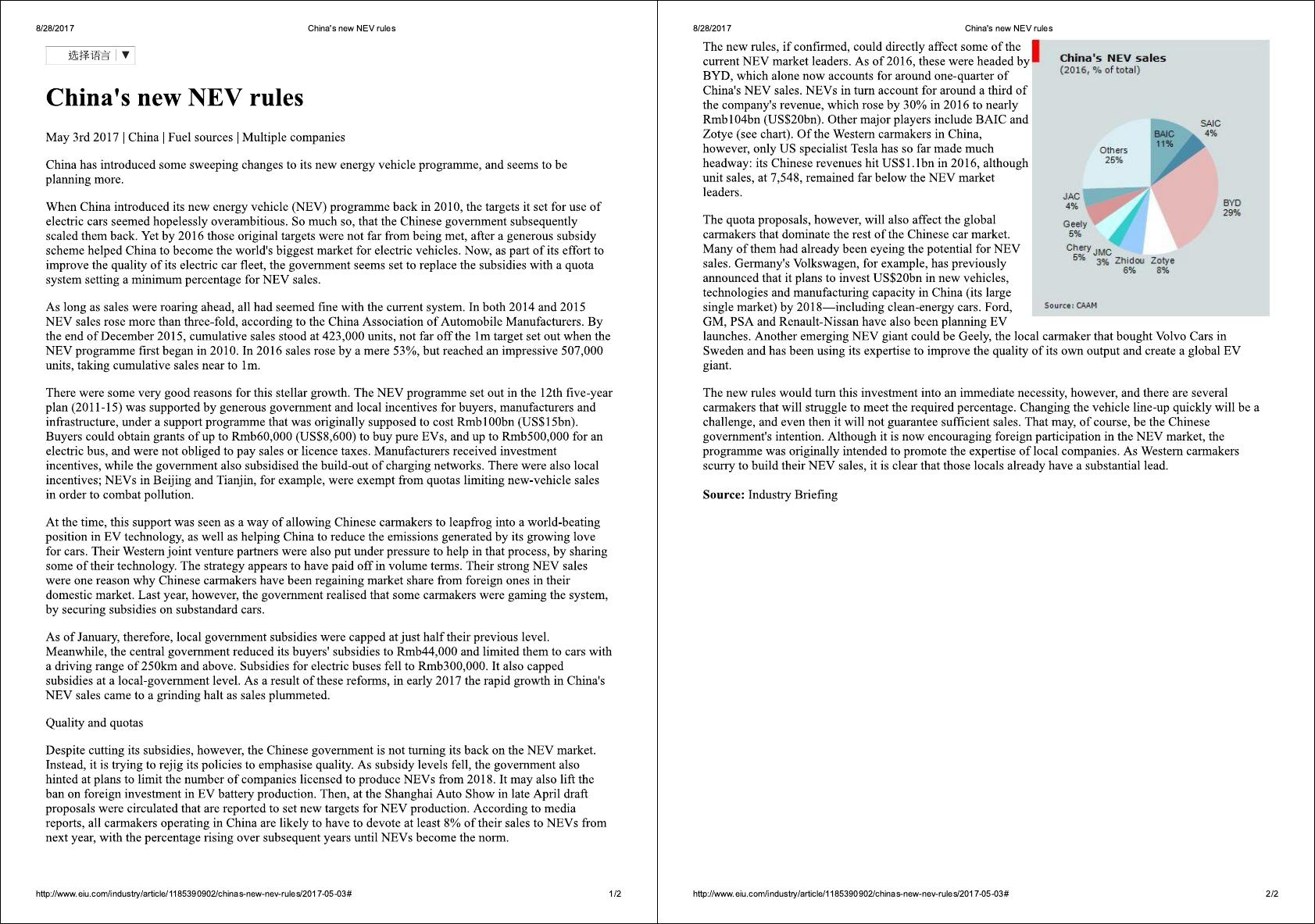
Example 1: Consumer A’s demand for cola can be represented by the following demand schedule,
demand function and demand curve equivalently.
Demand schedule:
Price of cola
per can ($)
Quantity of cola
demanded per week
0
10
2
8
4
6
6
4
8
2
10
0
Demand function:
pQd−= 10
ECON 1005 Principles of Economics I: Microeconomics Semester 1, 2019/20
2
Demand Curve:
• Other factors that affect the demand:
o Price of related goods.
▪ Substitute: Two goods are substitutes if they can be used in place of each other.
• How would an increase in price of its substitute affect the demand for a good?
▪ Complement: Two goods are complements if they are often used together.
• How would an increase in price of its complement affect the demand for a good?
o Income and wealth.
▪ How would an increase in income or wealth affect the demand for a good?
• Normal good: A good that people demand more of as their income increases.
• Inferior good: A good that people demand less of as their income increases.
o Expected future price.
▪ If a consumer expects the price to rise next week, how would it affect the current
demand for the good?
o Tastes or preferences.
o Other factors.
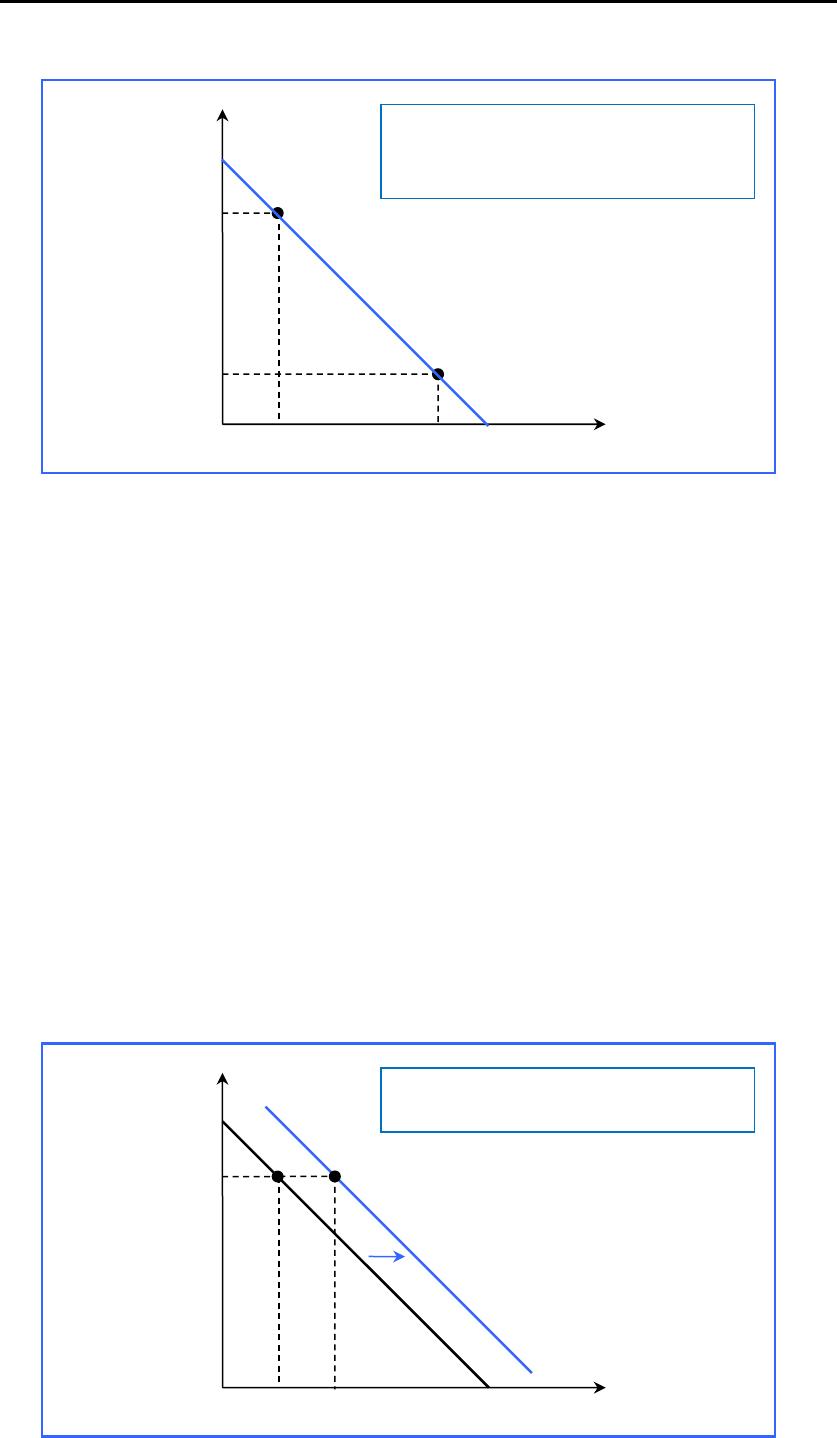
• Any change in the above (non-own-price) factors will cause a change in demand that shift the
demand curve (or change the demand schedule).
p
Q
D
10
$10
$8
$2
2
8
Change in quantity demanded (caused
by a change in price): Movement along
a demand curve.
p
Q
D1
$8
2
4
Change in demand (caused by a change
in other factors): Shift in demand curve.
D2
ECON 1005 Principles of Economics I: Microeconomics Semester 1, 2019/20
3
2.2 Market Demand
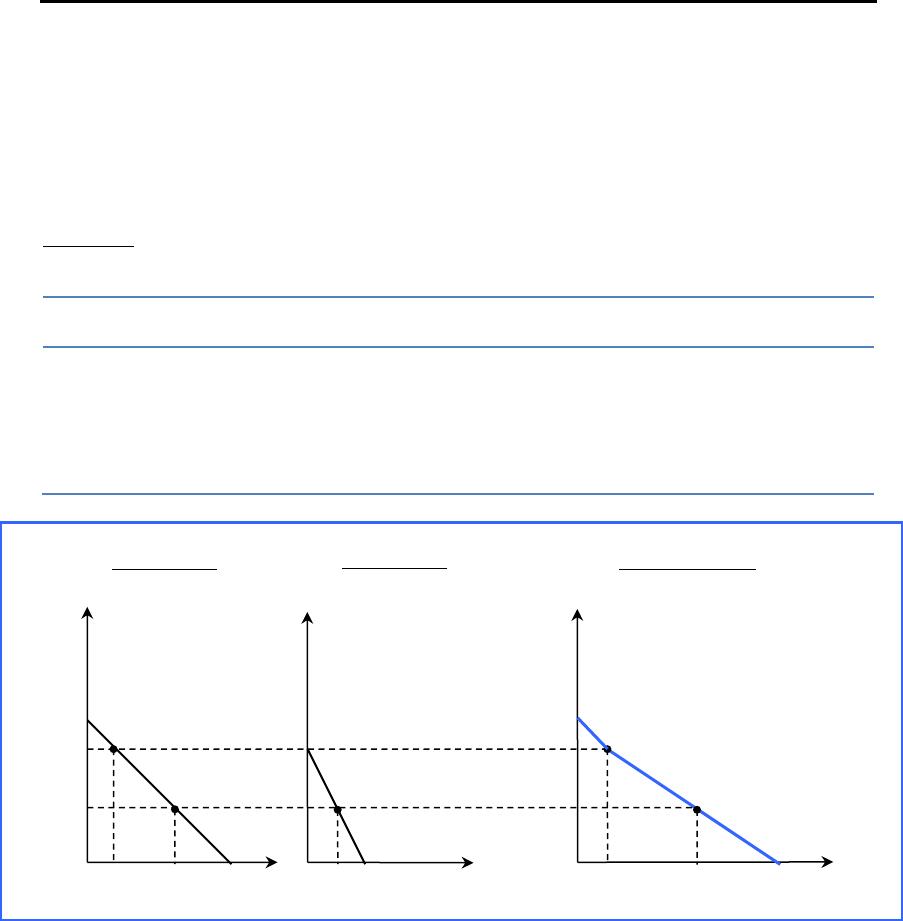
• The relationship between the total quantity demanded by all consumers and its price, ceteris
paribus, is called the market demand curve.
o Graphically, it is derived by horizontal summation of all individual demand curves in the
market.
Example 2: Suppose there are only two consumers, consumer A and B, in the market, the market
demand curve can be derived by horizontally summing the two individual demand curves.
Price of cola
per can ($)
A’s quantity of cola
demanded per week
B’s quantity of cola
demanded per week
Market quantity of cola
demanded per week
0
10
4
14
2
8
3
11
4
6
2
8
6
4
1
5
8
2
0
2
10
0
0
0
• How would an increase in the number of buyers affect the market demand curve?
3. Supply
3.1 Individual Supply
• The quantity supplied of a good is the amount of a good that an individual firm is willing and
able to sell over a given time period.
• There are many factors affecting an individual’s quantity supplied of a good. Economists use
an individual supply function to represent the relationship between the quantity supplied of a
good and its influencing factors.
,…),,( AppSQ inputs
s=
• A supply curve is a graph that shows the relationship between the quantity supplied of a good
and its price, ceteris paribus.
o Supply schedule: the representation of the supply curve in table form.
p
p
p
Q
Q
Q
8
4
2
6
8
2
DA
DB
A’s Demand
B’s Demand
Market Demand
D
2
ECON 1005 Principles of Economics I: Microeconomics Semester 1, 2019/20
• How would an increase in price affect the quantity supplied of a good?
o In general, the higher the price, the greater the quantity supplied, ceteris paribus
1
.
• Other factors that affect the supply:
o Input prices.
▪ How would an increase in input prices affect the supply of a good?
o Price of related goods.
▪ Substitute in production: Two goods are substitutes in production if they are
produced using the same inputs (alternate goods or same goods in alternate markets).
p
Q
S
$12
$2
10
60
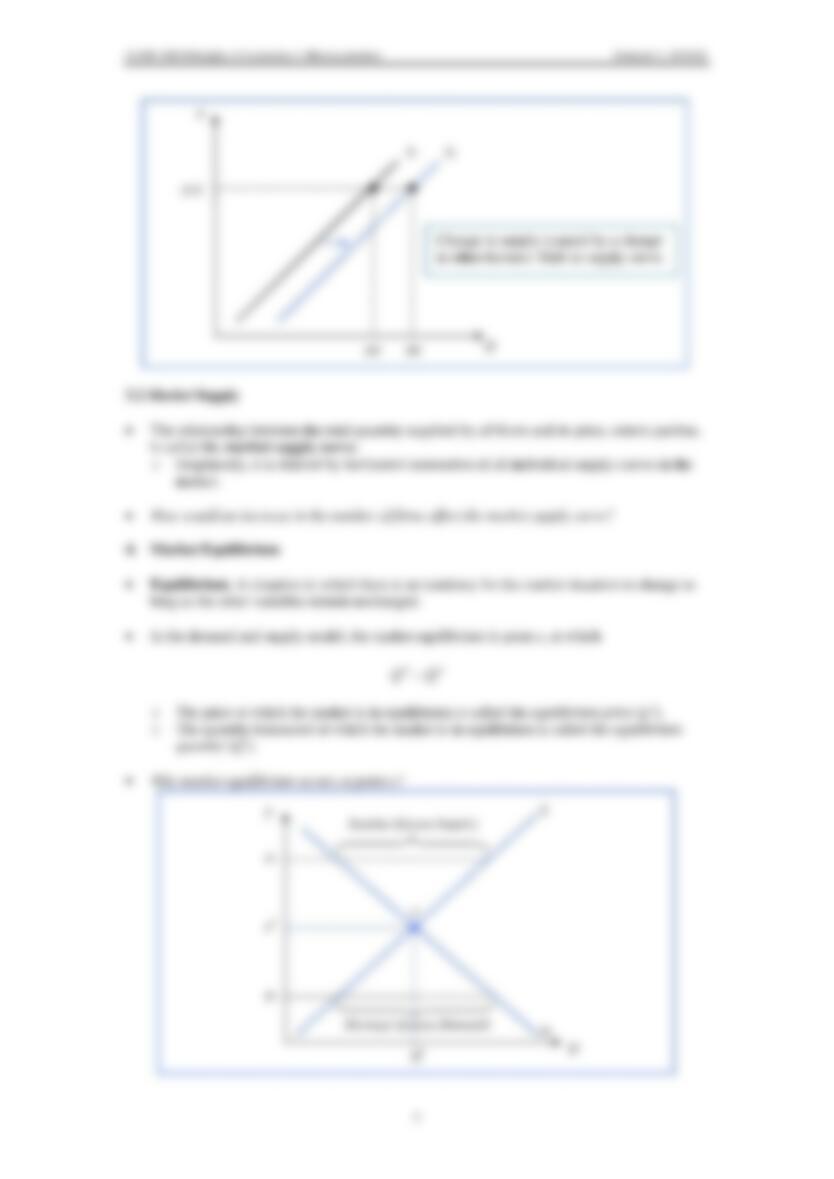
Change in quantity supplied (caused by
a change in price): Movement along a
supply curve.