DO NOW
•1) What does consciousness mean?
•2) Give some examples of consciousness? What about
unconsciousness?
•3)What are some ways where we can alter our consciousness?
C H A P T E R 4 : C O N S C I O U S N E S S : S L E E P ,
D R E A M S H Y P N O S I S A N D D R U G S

States of Consciousness (2–4%)
Understanding consciousness and what it encompasses is critical to an appreciation
of what is meant by a given state of consciousness. The study of variations in
consciousness includes an examination of the sleep cycle, dreams, hypnosis, circadian
rhythms, and the effects of psychoactive drugs.
AP students in psychology should be able to do the following:
• Describe various states of consciousness and their impact on behavior.
• Discuss aspects of sleep and dreaming:
—stages and characteristics of the sleep cycle;
—theories of sleep and dreaming;
—symptoms and treatments of sleep disorders.
• Describe historic and contemporary uses of hypnosis (e.g., pain control,
psychotherapy).
• Explain hypnotic phenomena (e.g., suggestibility, dissociation).
• Identify the major psychoactive drug categories (e.g., depressants, stimulants)
and classify specific drugs, including their psychological and physiological
effects.
• Discuss drug dependence, addiction, tolerance, and withdrawal.
• Identify the major figures in consciousness research (e.g., William James,
Sigmund Freud, Ernest Hilgard).
CHAPTER 4 –1:
WHAT IS
CONSCIOUSNESS?
W H AT D O E S I T M E A N T O B E C O N S C I O U S , A N D A R E
T H E R E D I F F E R E N T L E V E L S O F C O N S C I O U S N E S S ?

WHAT IS CONSCIOUSNESS?
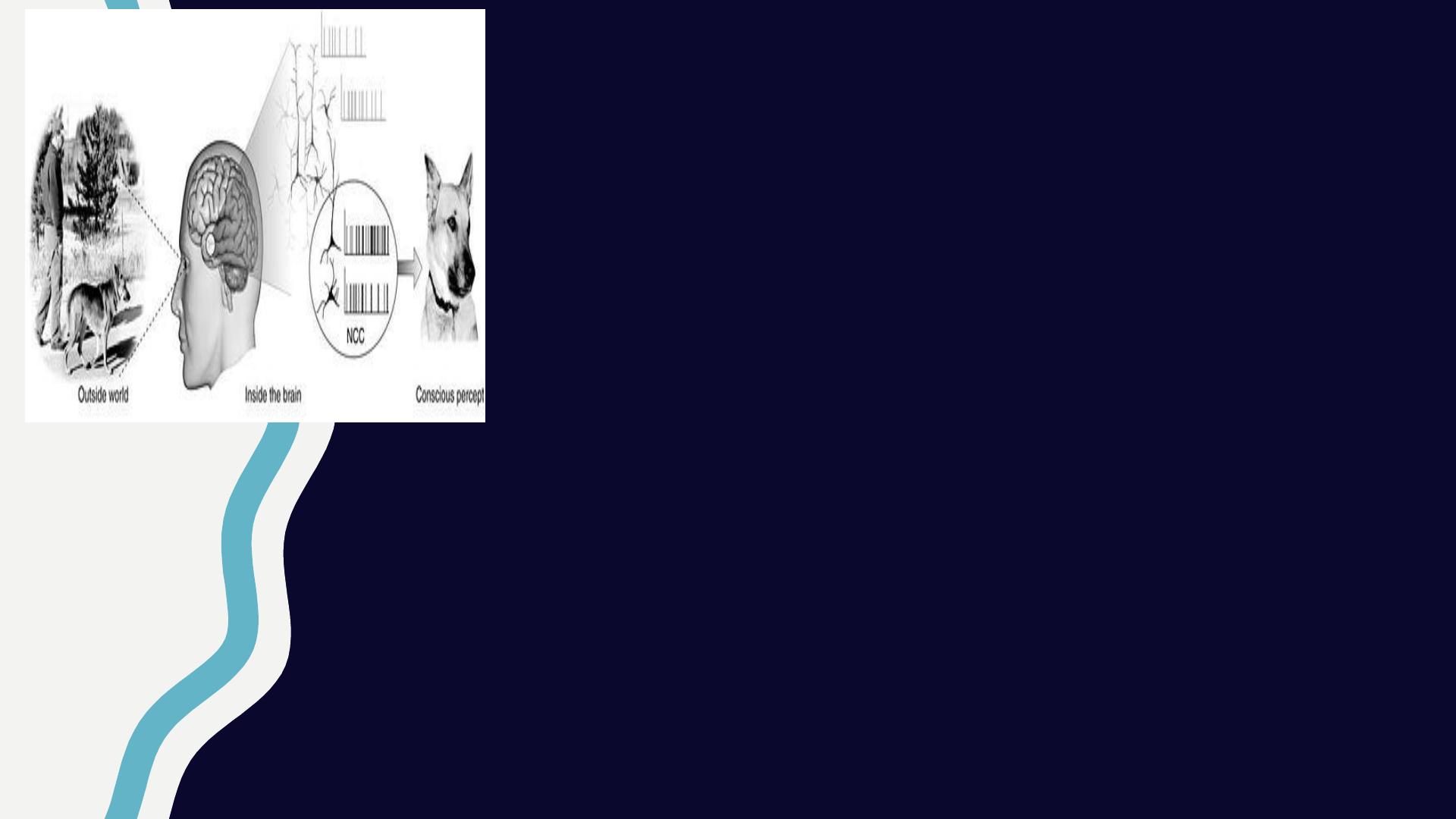
•Consciousness: The process
underlying the mental model we
create of the world of which we are
aware. Used to organize human
behavior
•Walking Consciousness: State in
which thoughts, feelings, and
sensations are clear, organized and
the person feels alert.
–It is also a part of the mind from
which we can potentially retrieve
a fact, an idea, an emotion, or a
memory and combine it with
critical thinking.

WHAT DOES YOUR CONSCIOUS DO?
Our consciousness has 3 main
functions:
1. Consciousness restricts our attention.
It keeps our brain from being overwhelmed by stimulation by
processing things serially and limiting what we notice and think
about-this is called selective attention.
2. Consciousness provides us with a
mental “meeting place.”
Where sensation combines with memory, emotions and motives–
this is the binding problem.
Ex:We know we see an Italian restaurant, taste pizza, and
smell pasta. However, we do not know how all of these
senses come together to create the one perception of
“our” reality
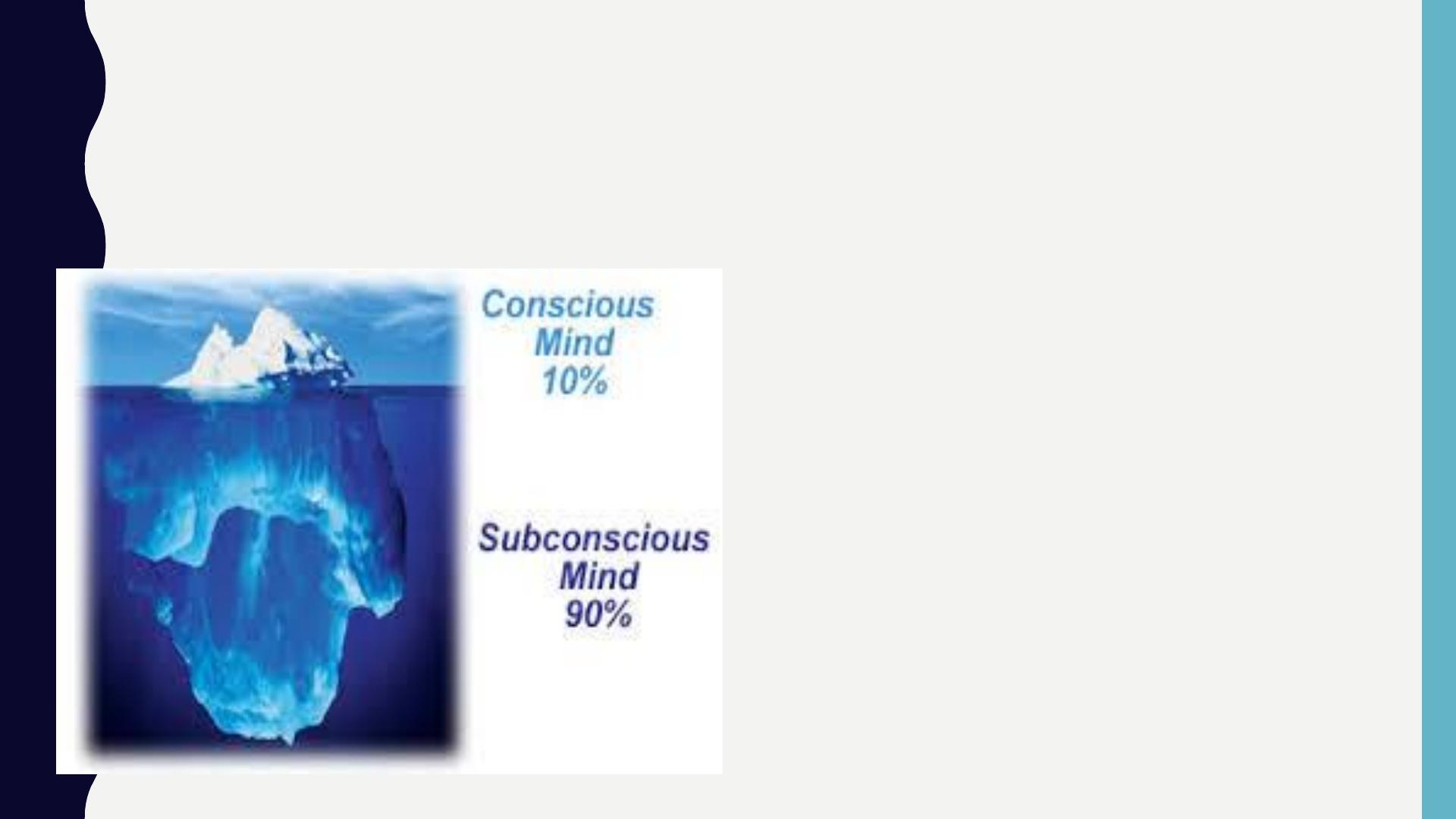
WHAT DOES YOUR CONSCIOUS DO?
(CONTINUED)
3. Consciousness allows us to
create a mental model of the
world that we can
manipulate.
–Unlike other, simpler organisms, we are
not prisoners of the moment: We
don’t just act reflexively to stimulation.
–Humans are the only animal with the
ability to set goals
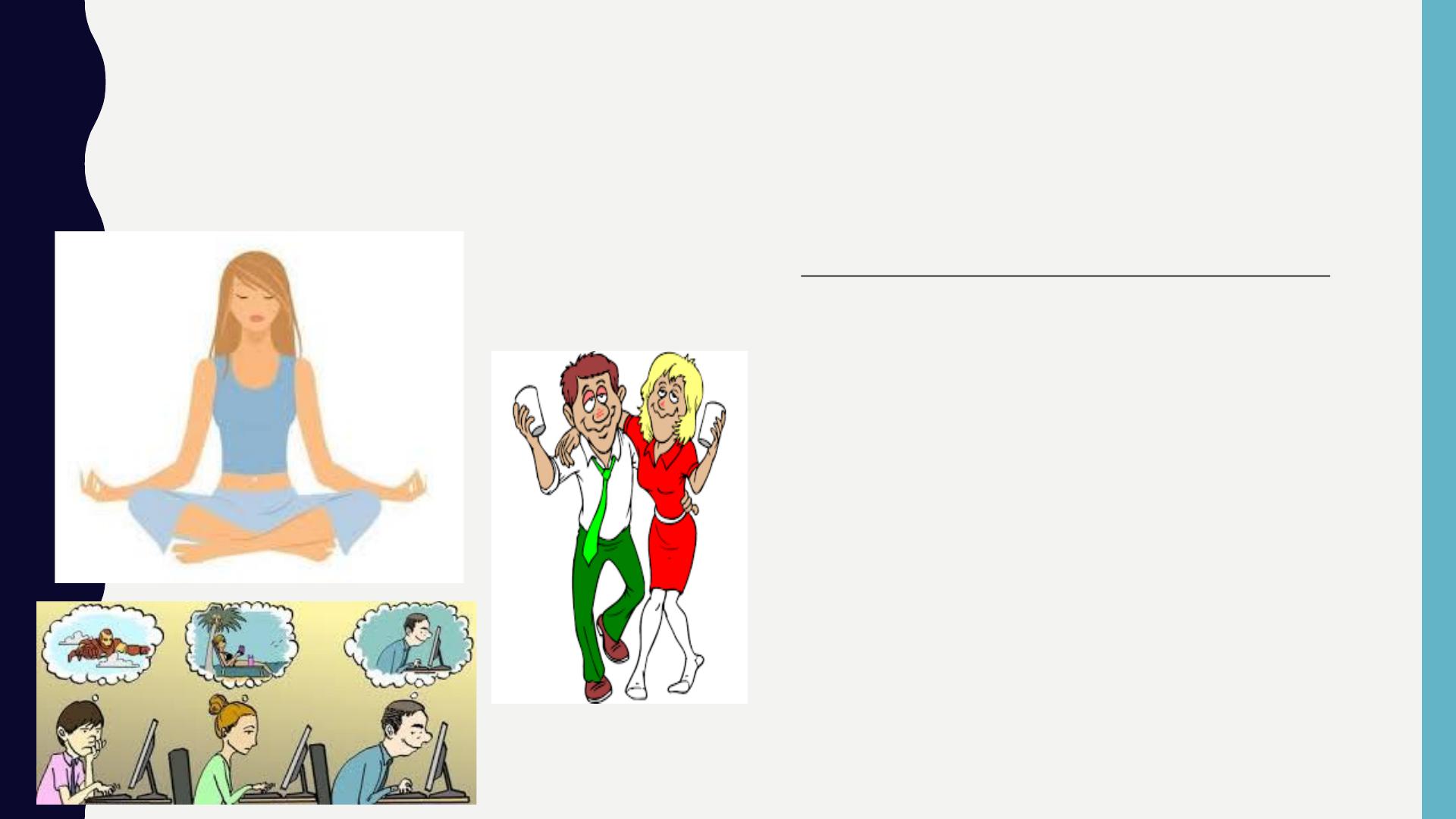
ALTERED STATES OF CONSCIOUSNESS
•Altered State of Consciousness:
State in which there is a shift in the
quality or pattern of your mental
activity.
–Ex: When you are sleep deprived
so your thoughts and actions are
hazy and disorganized
–Divided Conscious awareness: ex
talking on your cell phone and
driving.

4.2: ALTERED
STATES OF
CONSCIOUSNESS:
SLEEP
W H Y D O P E O P L E N E E D T O S L E E P A N D
H O W D O E S S L E E P W O R K ?
THE BIOLOGY OF SLEEP
•Q: Why do people need to sleep?
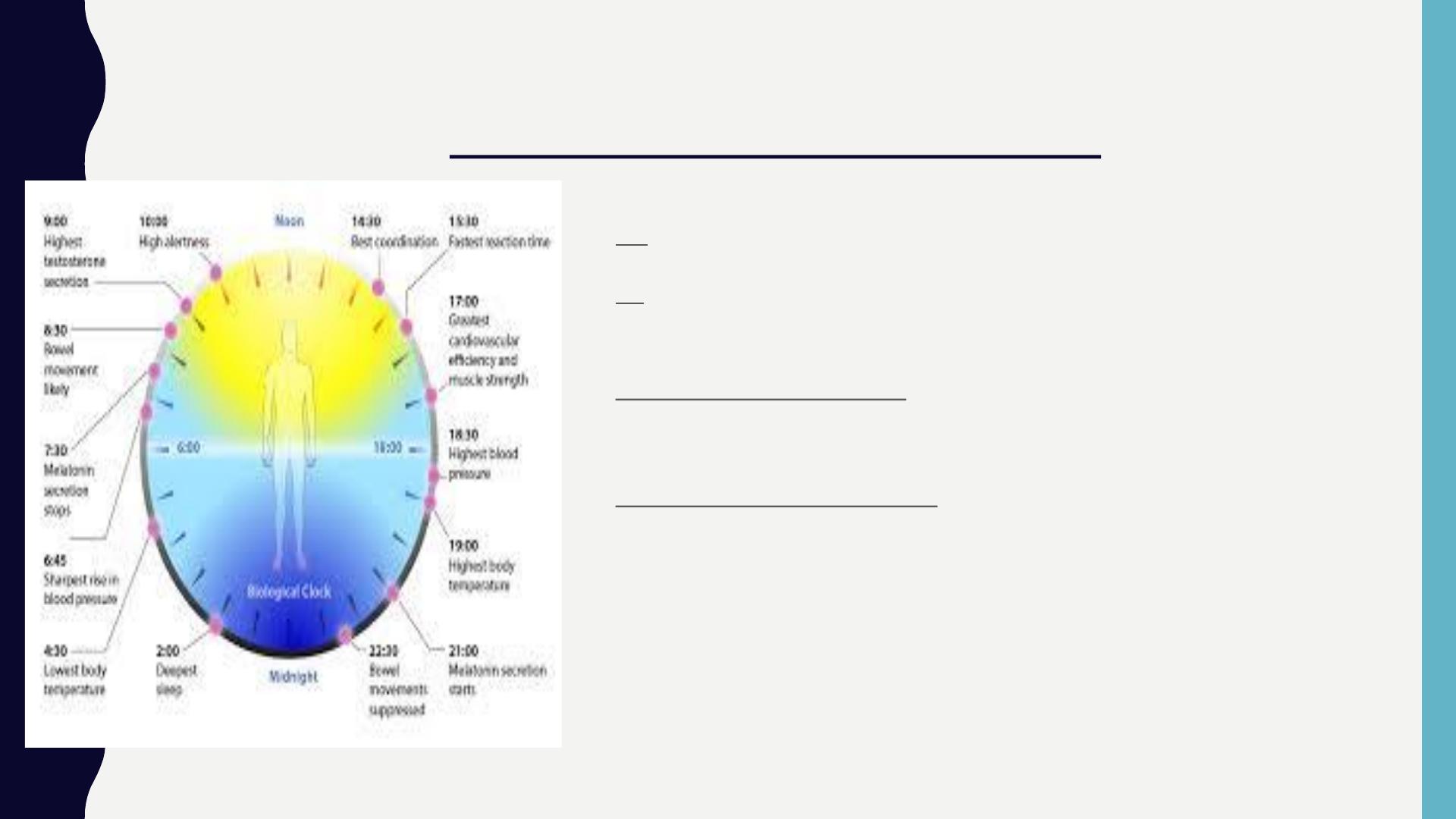
•A: The human body has “Biological Rhythms” or
natural cycles that it most go through, including a
sleep-wake cycle which helps the body restore
natural properties (as well as consciousness)
•Circadian Rhythms: A cycle of bodily rhythm
that occurs over a 24 hour period.
–For most of us this means we will sleep once
during every 24 period
–Our circadian rhythm (i.e. sleep cycle) is
controlled by the brain
SLEEP AND THE HYPOTHALAMUS: THE
MIGHTY MITE
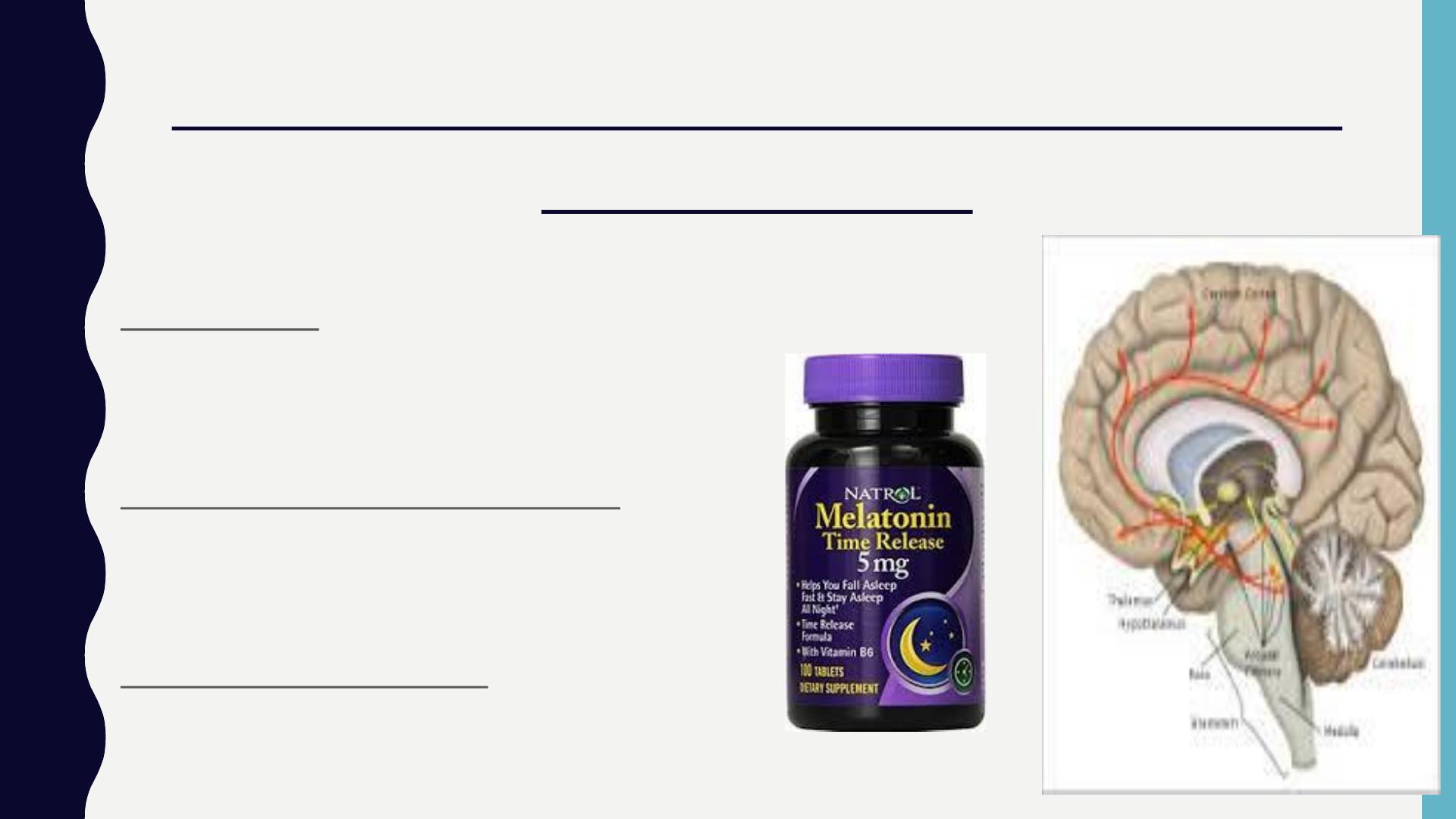
•Melatonin: a hormone released by
the hypothalamus that helps regulate
the human sleep cycle
•Superchiasmatic Nucleus: Inside
the hypothalamus, sensitive to
changes in light
•Body Temperature: Higher
temp=more alert, lower temp=less
alert

THE PRICE OF NOT SLEEPING
•Micro sleeps: Brief sidesteps into sleep lasting
only a few seconds
•Sleep Deprivation: A significant loss of sleep,
resulting in problems in concentration and
irritability
Effects of missing sleep: