Compensating Executives
Contrasting Executive Pay with Pay for Nonexecutive Employees
➢ The chief executive officer (CEO) is the seller of his or her services and the compensation
committee is the buyer
➢ An awkward situation arises when the CEO hires a compensation director or consultant
➢ The consultant recommends to the compensation committee what the CEO
compensation package should be
➢ A conflict of interest may arise because the consultant may feel obligated to promote
the financial interests of the CEO, who hired the consultant
➢ Applying this practice contradicts the main assumption of performance-based pay such
as merit pay, which most often applies to nonexecutive employees
➢ It is possible that CEOs could be compensated for nonperformance
Key Employees
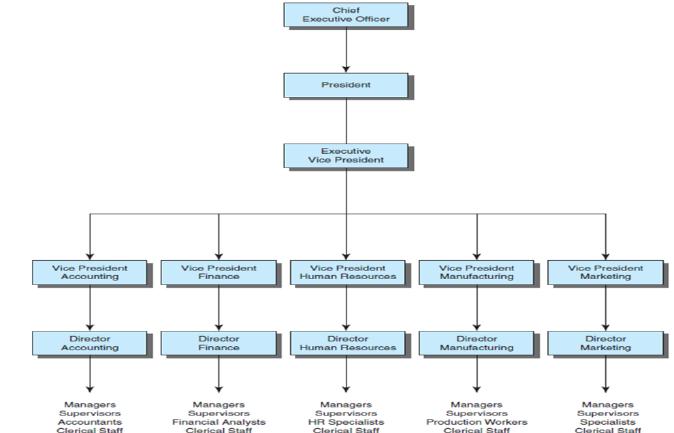
Who Are Executives?
➢ To understand the main difference, it is essential to define what we mean by executives
➢ The Internal Revenue Service (IRS) recognizes two groups of employees who play a
major role in a company’s policy decisions: key employees and highly compensated
employees

➢ Key employees are used by the IRS to determine the necessity of top-heavy provisions
in employer-sponsored qualified retirement plans that cover most nonexecutive
employees
➢ Highly compensated employees are used by the IRS for nondiscrimination rules in
employer-sponsored health insurance benefits
Key Employees
➢ An officer having annual compensation greater than $170,000 in 2015, OR
➢ An individual who for 2015 was either of the following:
▪ A 5% owner of the company
▪ A 1% owner having an annual compensation of more than $150,000
Highly Compensated Employee
➢ A 5% owner at any time during the year, OR
➢ For the preceding year:
▪ Had compensation from the employer in excess of $120,000 in 2015, AND
▪ If the employer so chooses, the employee was in the top-paid group of
employees where top-paid employees are the top 20 percent most highly
compensated employees
Broad Comparison of Executive and Nonexecutive Compensation
➢ Executive compensation has both core and employee benefits elements, much like
compensation packages for other employees
➢ Executive compensation packages emphasize long-term or deferred rewards over short-
term rewards
Executive Compensation Components
➢ Current or annual core compensation
➢ Deferred core compensation: equity agreements
➢ Deferred core compensation: separation agreements
➢ Claw back provisions
➢ Employee benefits: enhanced protection program benefits and perquisites
Components of Current Core Compensation
Two components:
➢ Annual base pay
➢ Bonuses
Annual Base Pay
➢ Fixed element of annual cash compensation
➢ Only up to $1 million in fixed annual salary is exempt from a company’s tax
liability
➢ CEO jobs do not fall within formal pay structures
➢ CEOs’ work is highly complex and unpredictable
➢ Setting CEO compensation differs from the rational processes to build market–
competitive structures (reviewed later)
Bonus Types
➢ Discretionary: awarded on an objective basis
➢ Performance-contingent: based on the attainment of specific performance criteria
➢ Predetermined allocation: based on a fixed formula
➢ Target plan: ties bonuses to executives’ performance
Deferred Compensation:
Equity Agreements
➢ Equity refers to ownership stake in a company, particularly focused on financial