
CLASSICAL MANAGEMENT THEORIES
LDRS 302
Unit 4
https://www.youtube.com/watch?v=d1jOwD-CTLI
HISTORICAL CONCEPTS & THEORIES IN LEADERSHIP
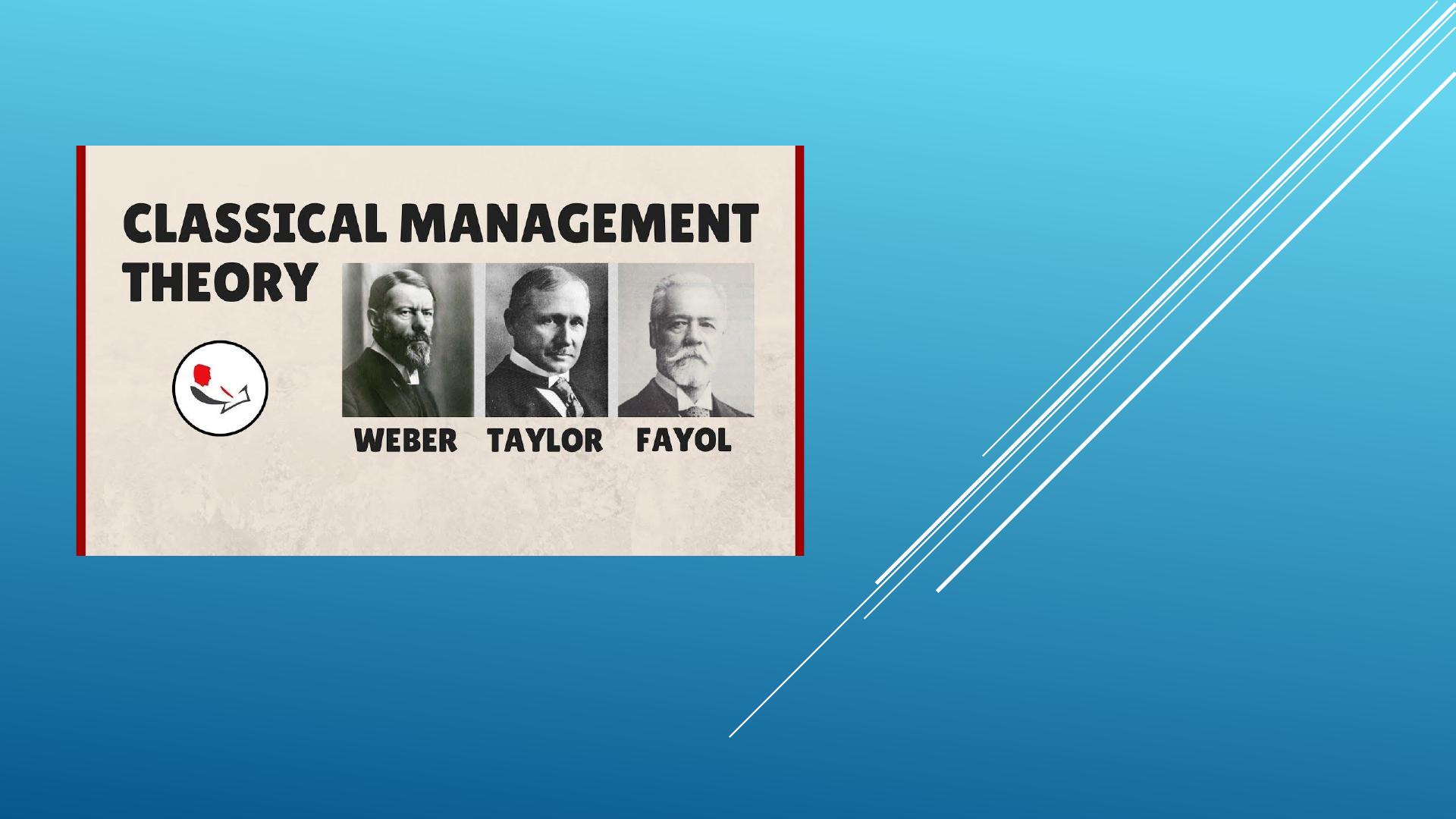
Taylor –Scientific Management
Weber –Theory of Bureaucracy
Fayol –Administrative Leadership
Founding fathers
of the
Classical
Management
Theory

FOUNDATIONS IN CLASSICAL
MANAGEMENT THEORIES
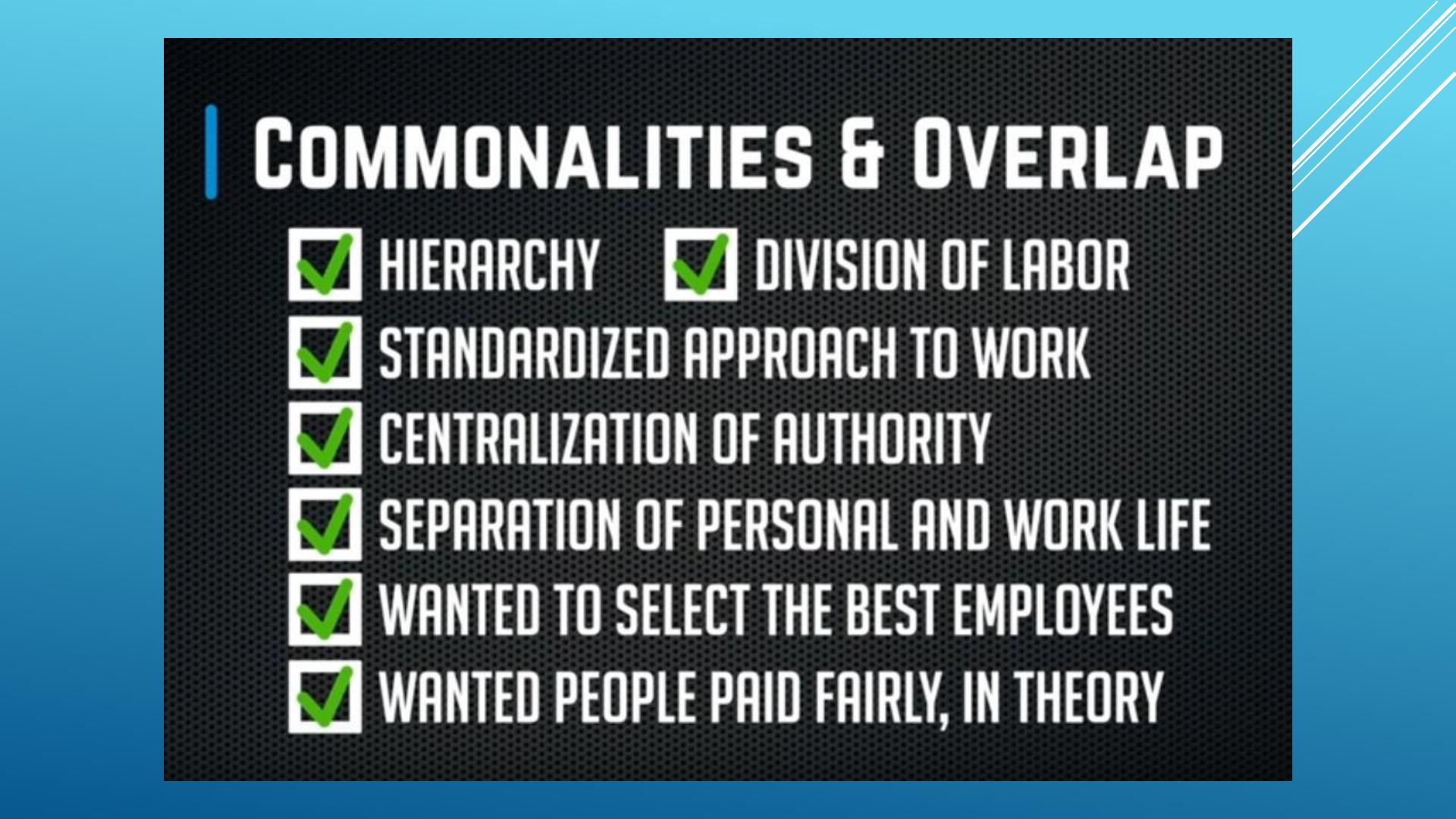
1. What are their historical context?
2. What are the theories?
3. What relevance are they today?
FOUNDATIONS IN CLASSICAL
MANAGEMENT THEORIES
1. What is their historical context?
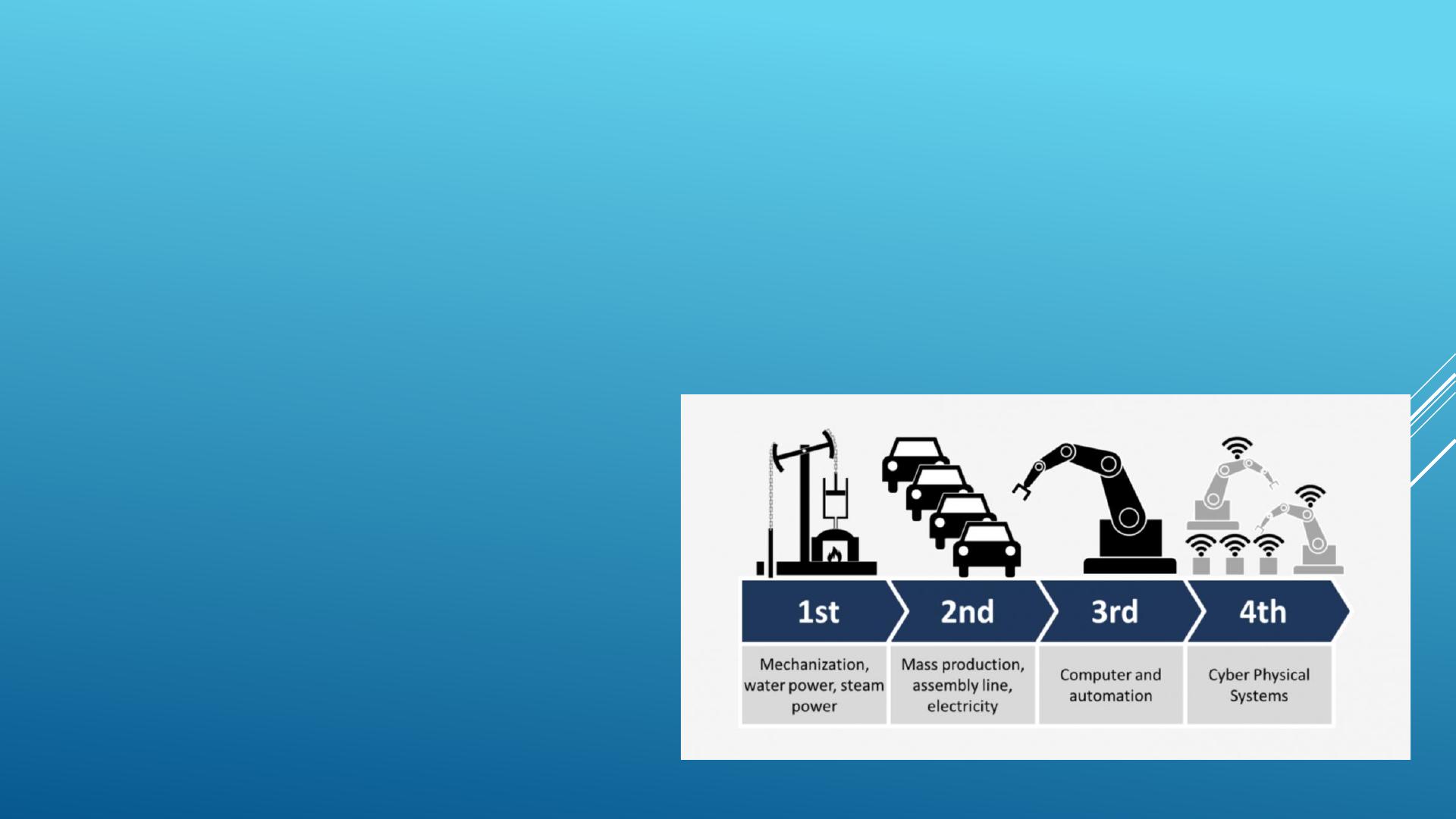
Result of the industrial revolution
Sparked by power, machinery
and transportation

FOUNDATIONS IN CLASSICAL
MANAGEMENT THEORIES
Three well-established theories of classical
management:
a) Taylors Theory of Scientific Management
b) Fayol’s Administrative Theory
c) Weber’s Theory of Bureaucracy
Administrative Theory
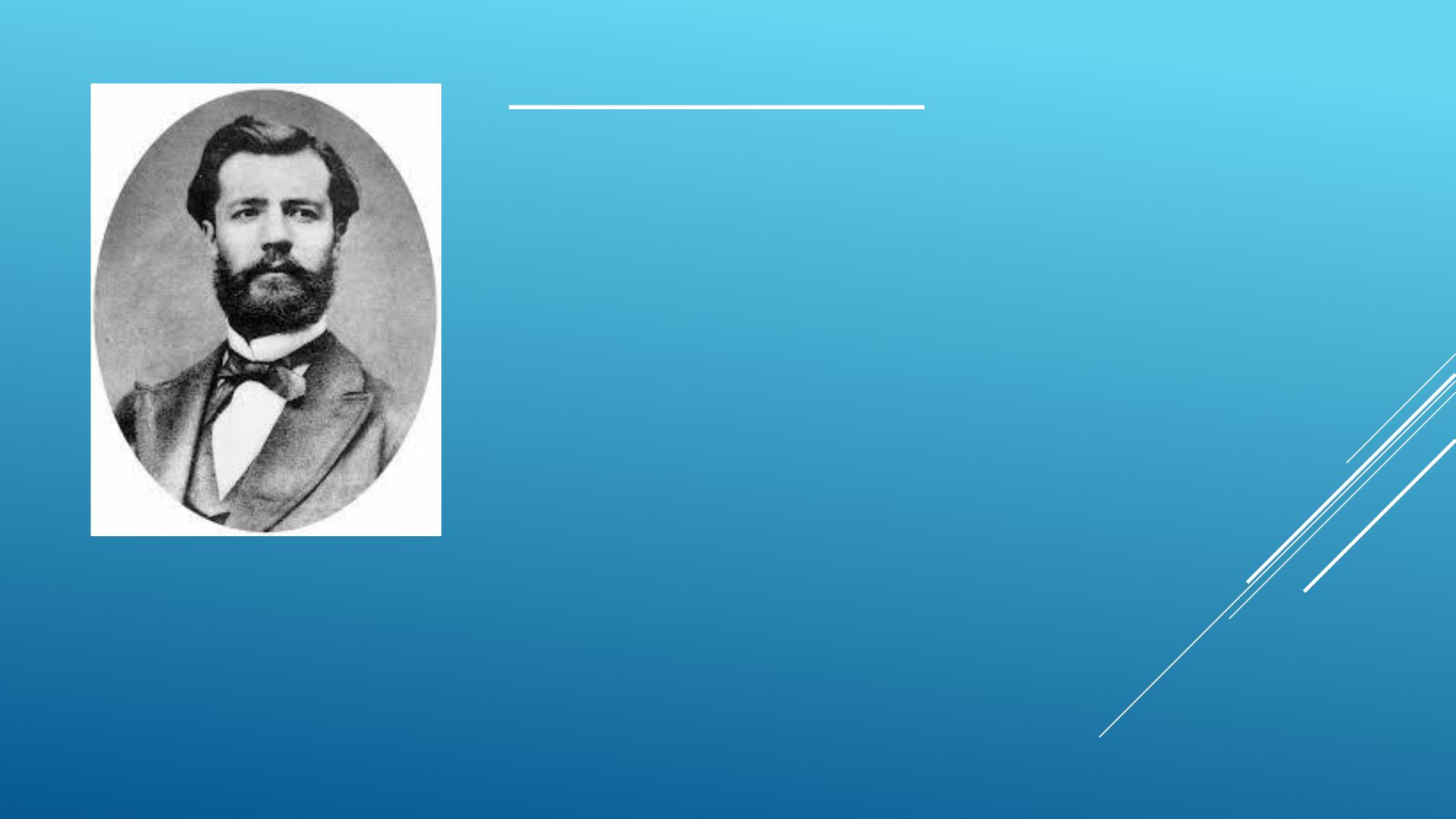
➢Born in Istanbul Turkey
➢A French engineer and director of mines
➢His theories were published in
➢“Administration Industrielle et Generale” 1916
(General and Industrial Administration)
➢His Theorizing on administration built on personal
observation and experience
➢Key early influencer/contributor to a classical or
administrative management school of thought
➢His ideas were so popular they were known as
Fayolism.
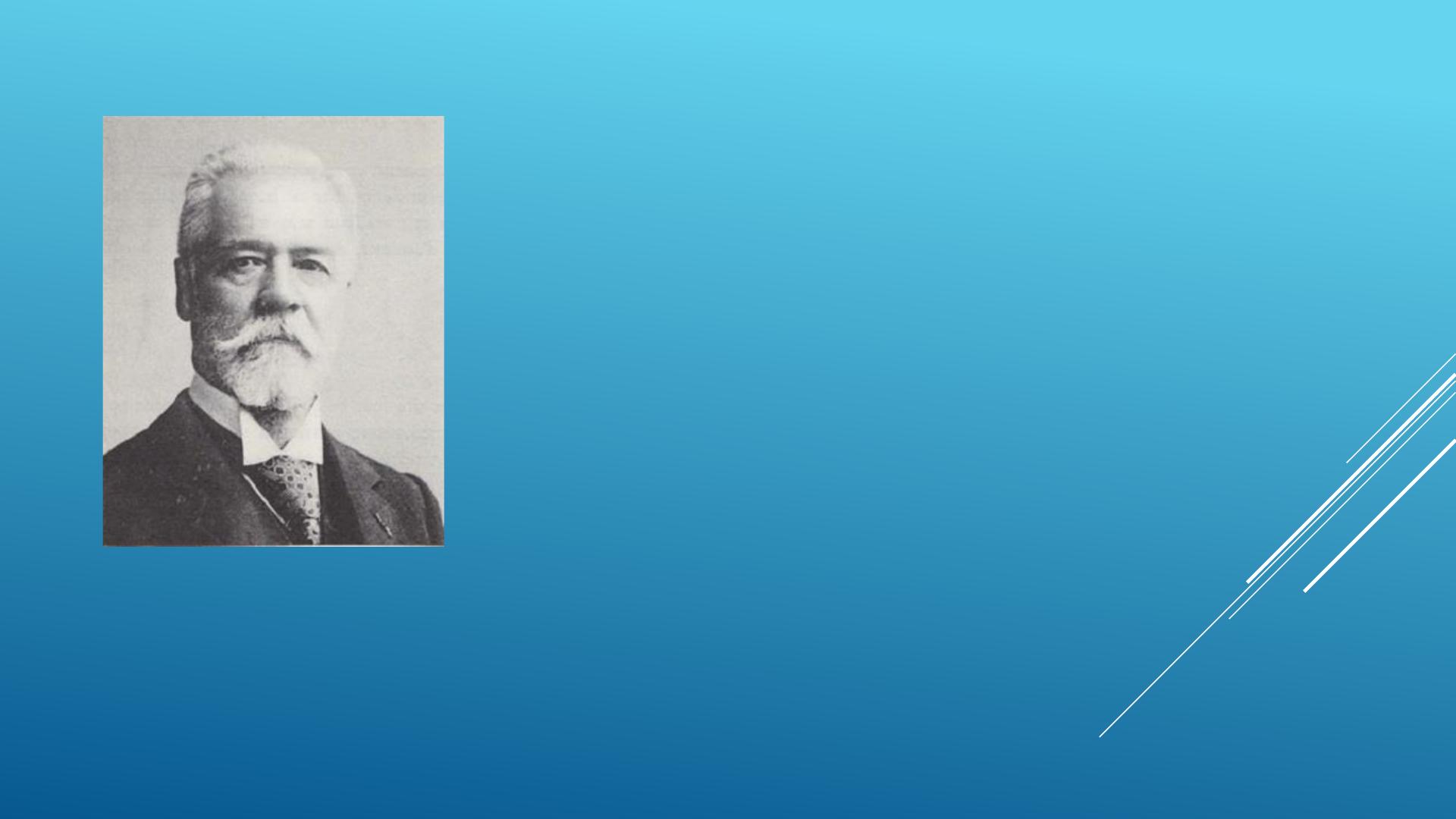
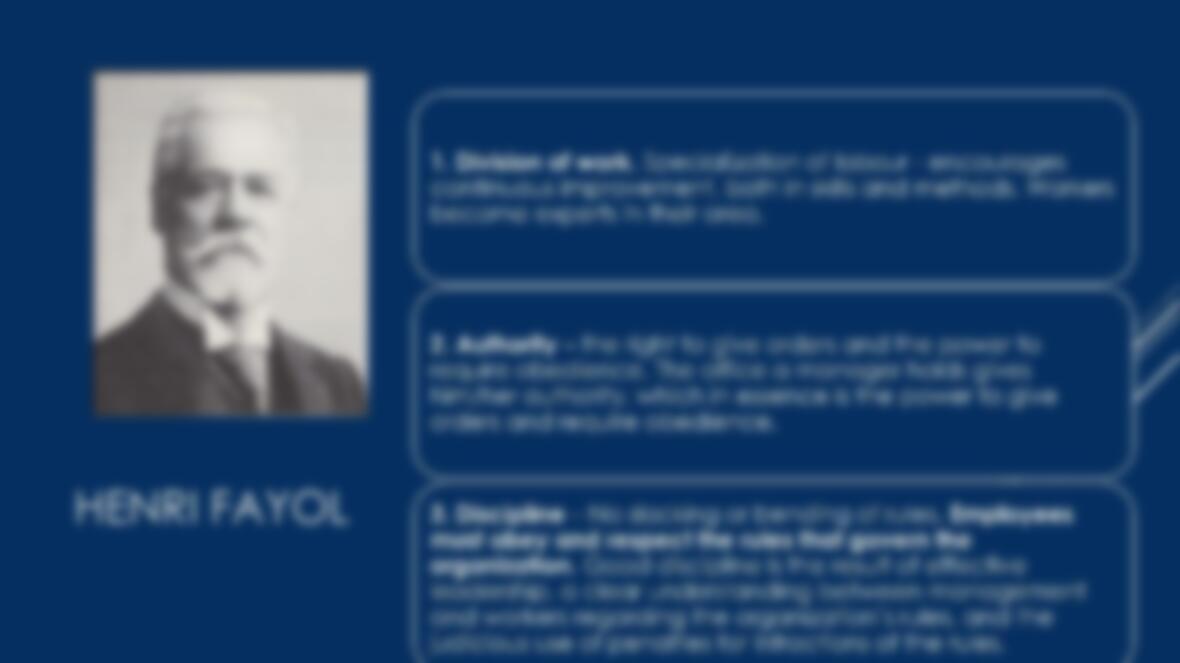
Henri Fayol
1841 – 1925
Fayol synthesized various tenets of
organization and management, (or
managerial in perspective)
Where as Taylor synthesized the
principles related to work methods,
measurement and simplification to
secure efficiencies. (or a shop floor
perspective).
Henri Fayol
1841 – 1945

Frederick Taylor
Published The Principles
of Scientific Management
in the USA in 1911
Henri Fayol
1916 examined the
nature of management
and administration

What is the story of Henri Fayol? Where
did his ideas come from?
We don’t know a lot about Henri Fayol. Most of what we do know
about him is in his own writings.
https://www.youtube.com/watch?v=90qpziPNRnY&t=4s

•His father was an engineer, specializing in bridge building
on a very large scale.
•He went to college at a mining school in France,
•He became a mining engineer at the age of 19 (~ 1860) at
Compagnie de Commentry Fourchambeau-Decazeville.
•He became Director of the company in 1888 (47 yrs old),
and held that position for 30 years (1918), during which he
developed his theory of management.
•During this time, he led the company to become the largest
steel producer in all of France, and one of the largest in all
of Europe.
What we do know is that:
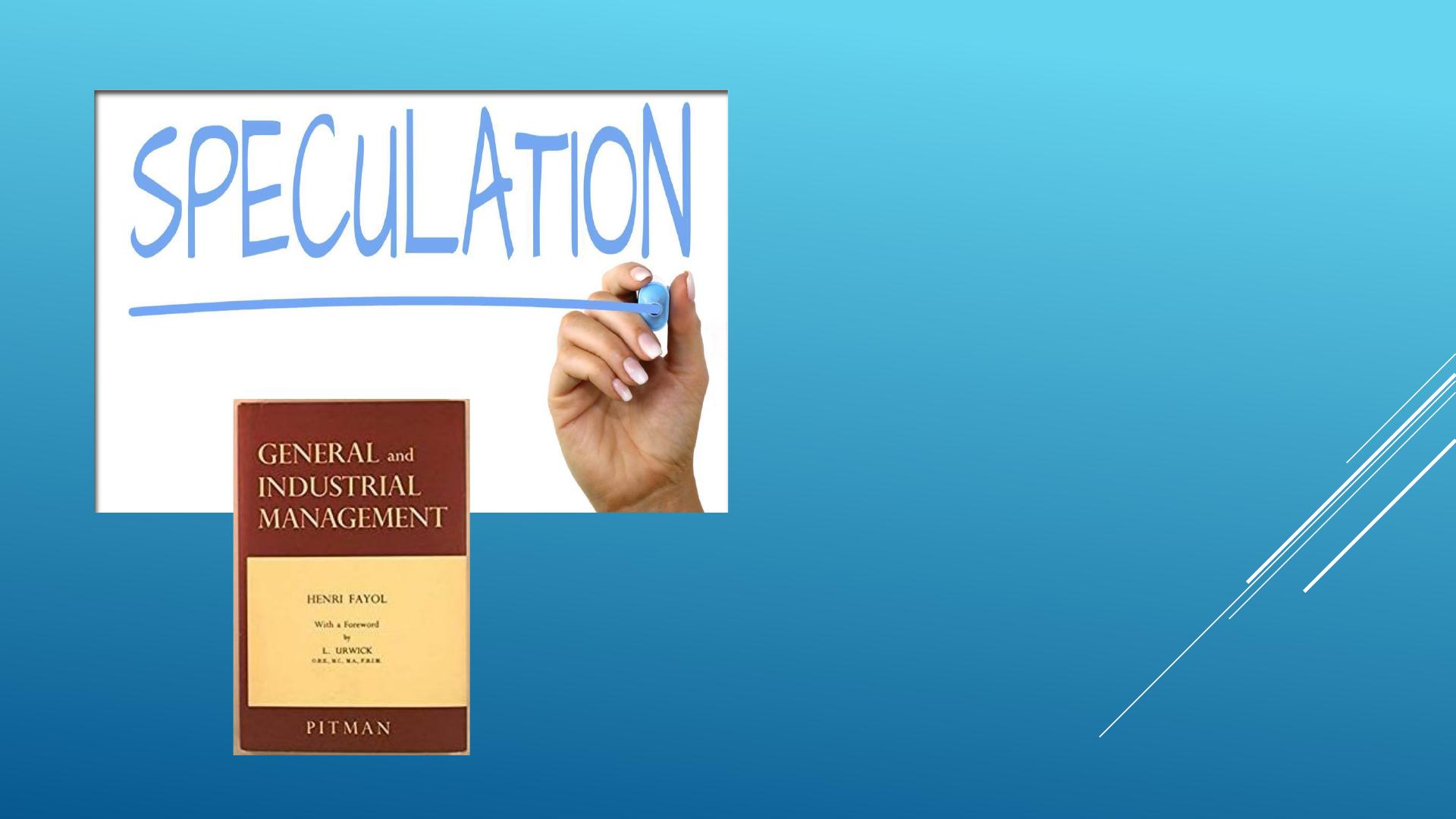
While Fayol published his
book in France in 1916, he
was relatively unknown
outside the country until his
book was translated into
English by Constance Storrs
in 1940, (15 years after his
death)
We really can only speculate
on how he developed his
ideas, unfortunately.

What were Fayol’s contributions to
leadership and management?
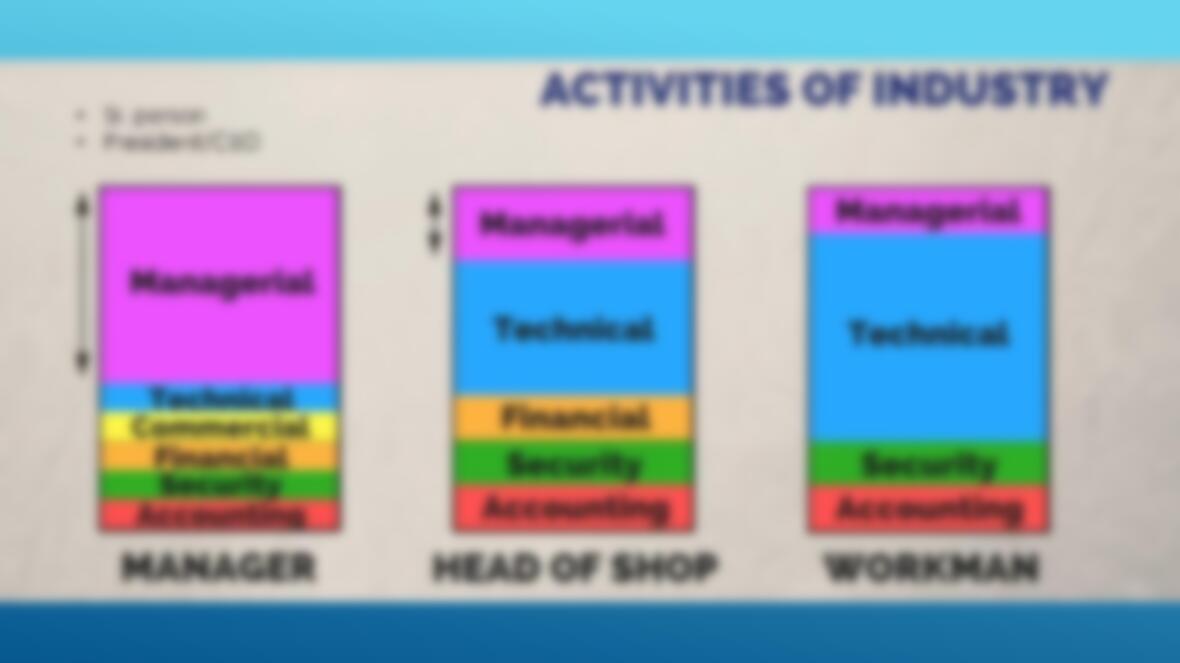
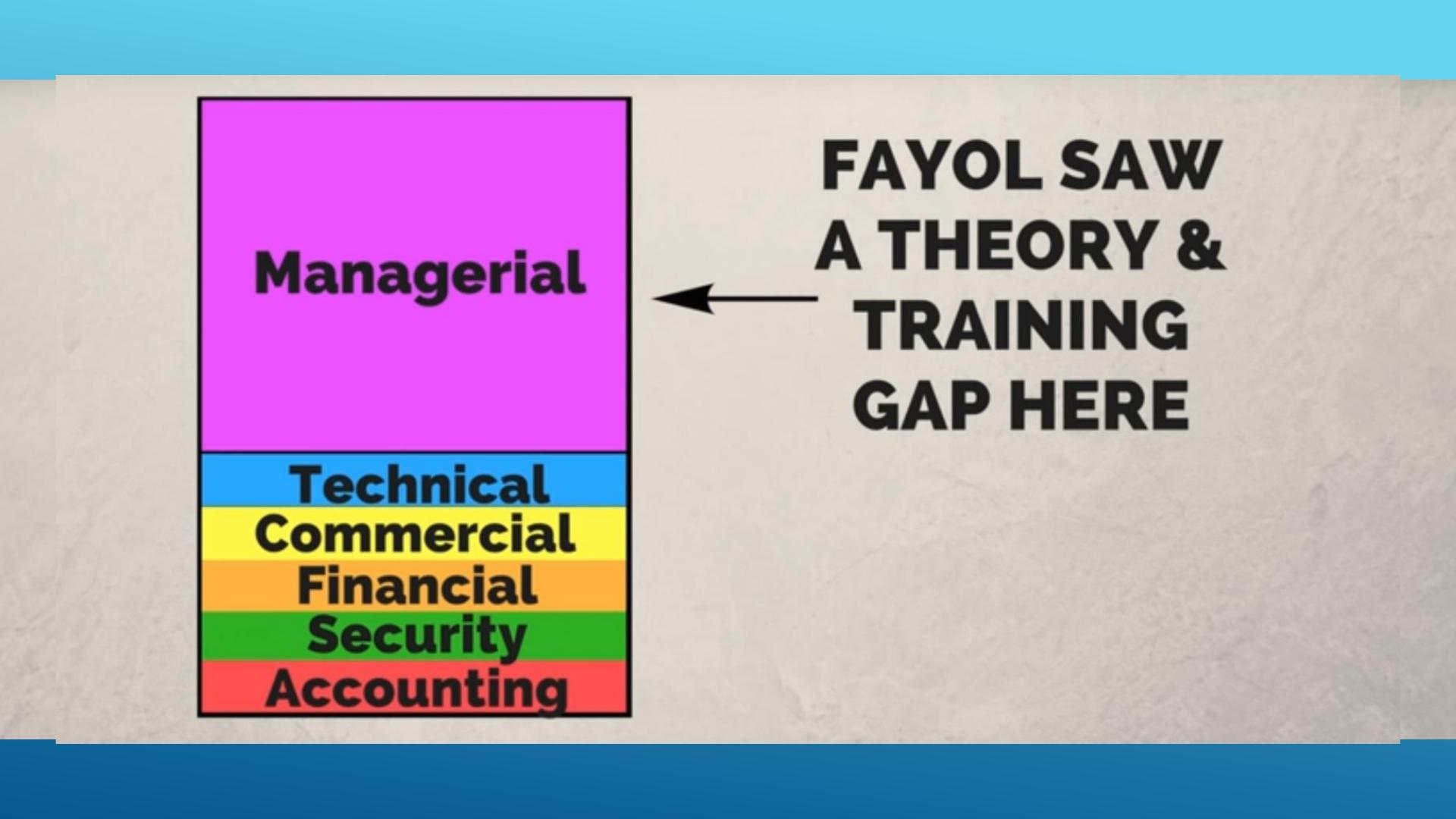
✓6 Activities of Industry
✓5 Managerial Activities (functions)
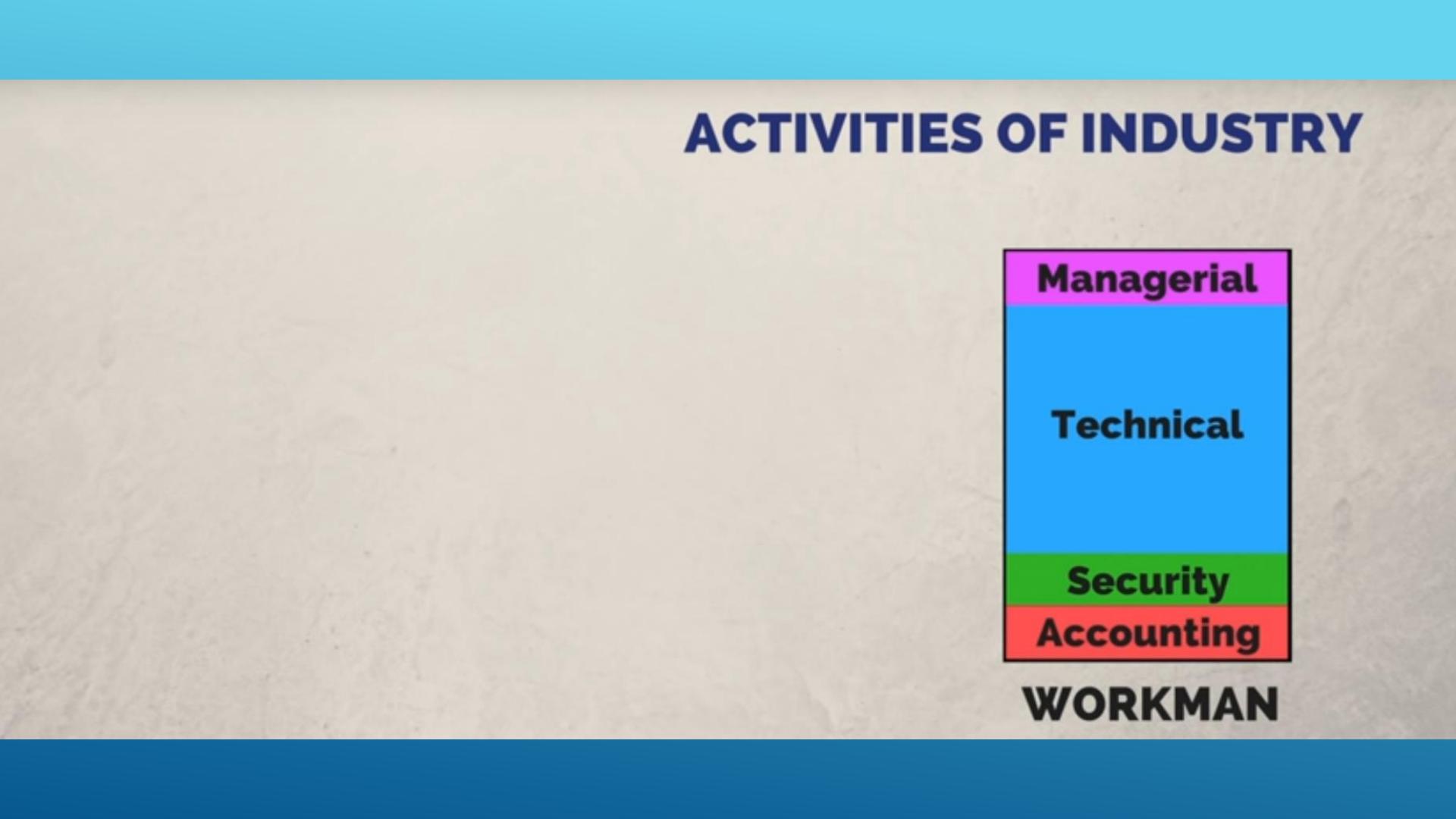










Management controls the lower levels of the organization’s




&