G L O B A L M A R K E T I N G
E T H I C S A N D C U LT U R E
C H A P T E R 9
C O M M U N I C AT I O N D E C I S I O N S
1

LEARNING OBJECTIVES
1. Define and classify the different types of communication tool
2. Describe and explain the factors affecting the communication situation.
3. Discuss the possibilities of marketing via the internet
4. Define and explain the concept of viral marketing and social media
marketing

LEARNING OBJECTIVE 1
•Define and classify the different types of communication tool.

THE COMMUNICATION PROCESS
•The seller is the initiator of the communication process that
transmitting a message through any form of media to an identifiable
target segment audience.
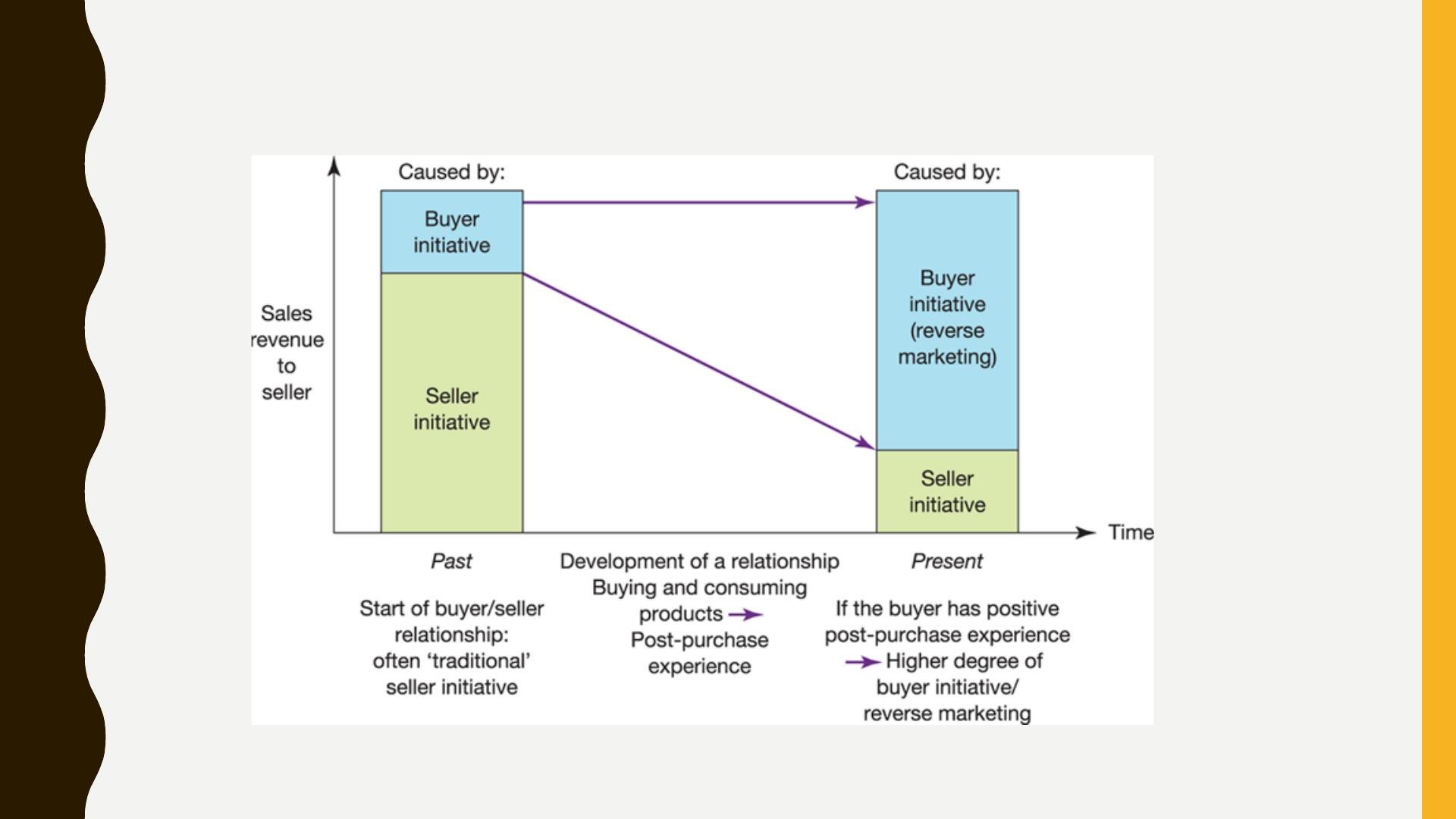
•If the buyer has positive post-purchase experience with a given
offering on one occasion, this may dispose the buyer to purchase again
on future occasions, i.e. take the initiative in the form of making
enquiries or placing orders (so-called reverse marketing).
THE COMMUNICATION PROCESS
The shift from seller initiative to buyer initiative in buyer–seller relationships

THE COMMUNICATION PROCESS
•The relative share of sales volume attributable to buyer initiative will
tend to increase over time.
•Present and future buyer initiatives are a function of all aspects of a
firm’s past market performance –that is, the extent, nature and timing
of seller initiative, the competitiveness of offerings, post-purchase
experience, the relationships developed with buyers as well as the way
in which buyer initiative has been dealt with.

LEARNING OBJECTIVE 2
•Describe and explain the factors affecting the communication situation.

KEY ATTRIBUTES OF EFFECTIVE IN GLOBAL
COMMUNICATION
•All effective marketing communication has four elements: a sender, a
message, a communication channel and a receiver (audience).
•Another important point to consider in the model of international
communication process is the degree of ‘fit’ between medium and
message.
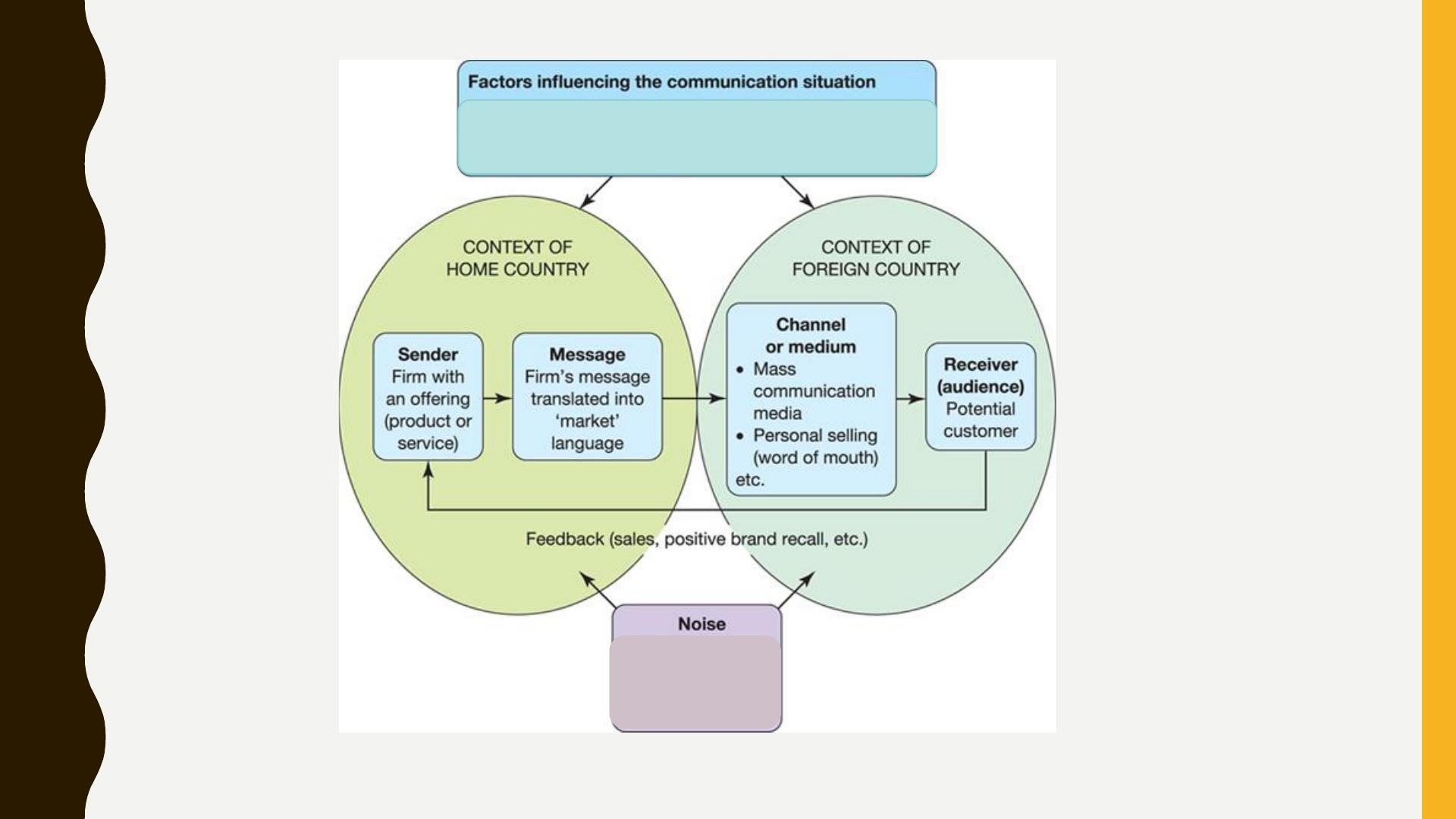
Elements of the international communication process

FACTORS AFFECTING THE
COMMUNICATION SITUATION
Language differences
•A slogan or advertising copy that is effective in one language may mean
something different in another language. Thus the trade names, sales
presentation materials and advertisements used by firms in their
domestic markets may have to be adapted and translated when used in
other markets.
•In Latin America, ‘Avoid embarrassment – Use Parker Pens’ was
translated as ‘Avoid pregnancy – Use Parker Pens’. Scandinavian vacuum
manufacturer Electrolux used the following in a US ad campaign:
‘Nothing sucks like an Electrolux.’

FACTORS AFFECTING THE
COMMUNICATION SITUATION
Economic differences
•In contrast to industrialized countries, people in developing countries
may be more likely to have radios than television sets. In countries
with low levels of literacy, written communication may not be as
effective as visual or oral communication.

FACTORS AFFECTING THE
COMMUNICATION SITUATION
Sociocultural differences
•Dimensions of culture (religion, attitudes, social conditions and
education) affect how individuals perceive their environment and
interpret signals and symbols.