1
Université Grenoble Alpes — Introduction to Business English —David Leishman
6. Marketing: Pricing
1. Moodle Homework: Sanitarium
•
Which target market does the ad attempt to reach?
The commercial seems to primarily target younger women who wish to avoid consuming dairy products.
•
What are the characteristics of the product? Are specific product benefits mentioned in the ad?
Why / Why not?
The product is nutritious and good for one’s health as it is non
-dairy, full of vitamins and
minerals and comes in sugar-free variants too.
•
What values, attitudes or lifestyle are associated with the product? How?
The product is associated with the adoption of a healthy lifestyle (presence of fruit, vitamins,
sportswear).
•
What other forms of ad (in addition to their TV commercial) would you recommend for Sanitarium?
Why?
Sanitarium could perhaps use billboards if its aim was to raise awareness of a product that
consumers did not know very well. Alternatively, social media would allow them to target a very
specific group of consumers through targeted advertising, although a cheaper solution might be
to promote the product via social media influencers. Sports sponsorship would allow them to
reinforce the idea of a healthy brand image, but would require a sizeable advertising budget.
2. Promotion Warm-up activity: The Price is Right
Five dollars / a five-dollar-bill
Ten pounds / a ten-pound-note
50 pence / 50p
One / A dollar sixty-nine (cents)
Ten thousand euros
One million five hundred thousand dollars / one point five million dollars
Twenty millions dollars
Two dollars forty-nine
2
Université Grenoble Alpes — Introduction to Business English —David Leishman
Read through the following and explain the difference in price
Case 1
Eight glasses of bottled water per day for a year = $1,400
Eight glasses of tap water per day for a year = 49 cents
Production, promotion and distribution costs will all add to the price
of the bottled water in addition to the profit margin when the water is sold.
Tap water may be offered more cheaply as a public service or utility.
Case 2
A pack of twelve 500ml bottles of spring water at Lidl = £1.99
A single 500ml bottle of spring water on an Easyjet flight = €2.50
On board an Easyjet flight where customers are charged for
additional services, there may be few alternatives if passengers are thirsty. So
supply is limited and demand may be quite high. Alternatively, for a discount
supermarket which aims to keep prices low, shoppers will buy at a competing
store if the water is too expensive.
Case 3
A 300ml of regular spring water in a nightclub in Ibiza = €12
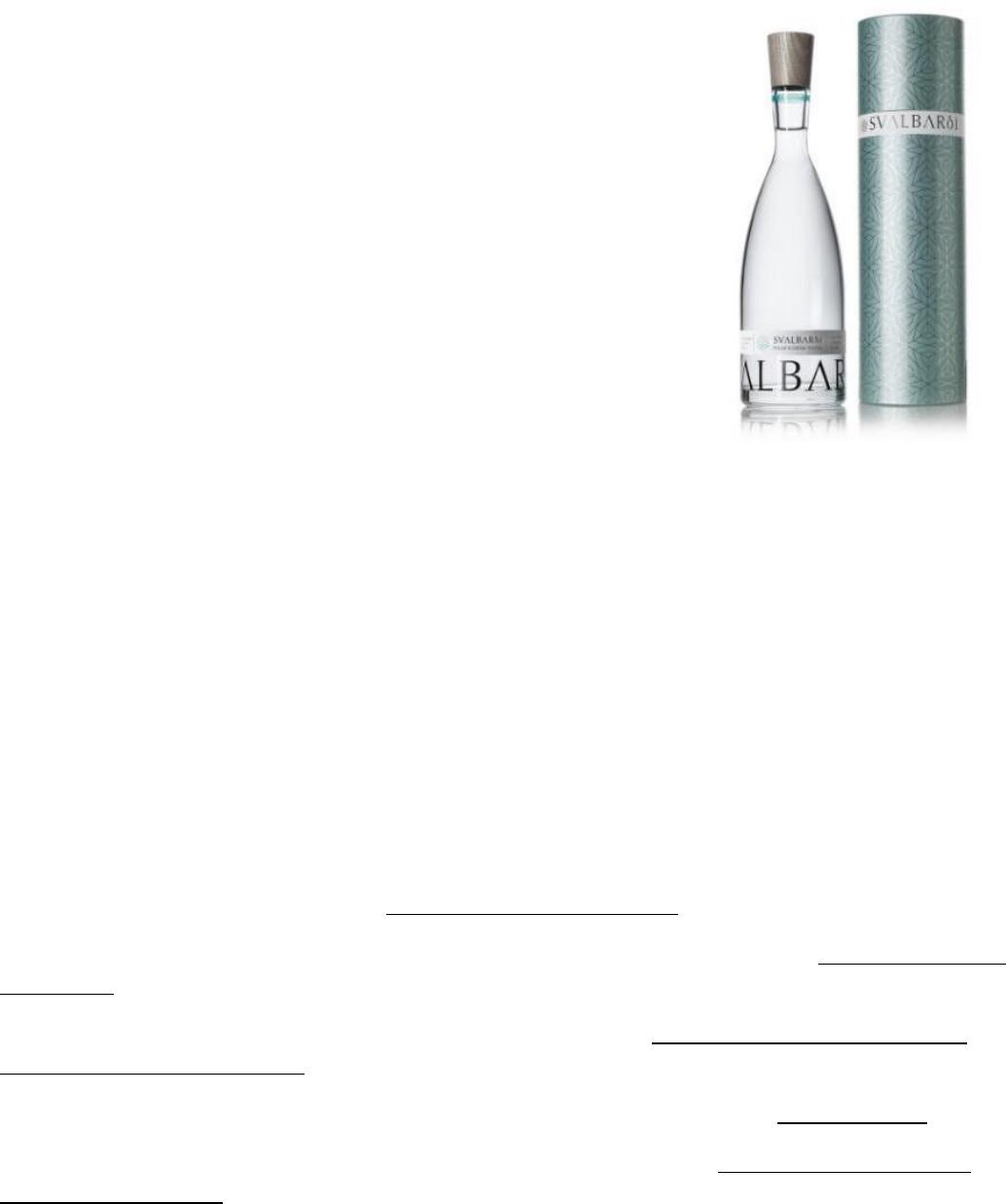
A 750ml bottle of Svalbardi iceberg water in luxury packaging = $79.95
The water in a nightclub is again affected by supply and demand and prices may be high if the target
market is wealthy and the club enjoys a elite image. The iceberg water is a rare, luxury product which can charge a
premium. In addition, it will be expensive due to high packaging and manufacturing costs.
3. Vocabulary: use the vocabulary to finish the sentences below in your own words
Suggested answers only – the limit is your imagination. Be careful to use the structures in the box, however.
1. She must be absolutely loaded! She’s just spent a thousand dollars on a bag.
2. My grandmother has no idea about the value of anything anymore. She doesn’t even know how much it costs for
cup of coffee.
3. When Apple launched the first I-Phone their strategy was to deliberately charge customers high prices for an
innovative state-of-the-art product.
4. It turns out that guitar I bought was a cheap Chinese fake. I should have known when I saw the low price.
5. I don’t want to run into Suzie tonight. I owe her money and every time I see her she asks me to pay for all the
drinks until I pay her back.

3
Université Grenoble Alpes — Introduction to Business English —David Leishman
Abercrombie & Fitch
Black Friday
Ikea
4. Reading & Discussion: Pricing strategies
What is the marketing objective?
The aim here is to use price as a marketing tool to help create an upscale brand image. This is known as prestige
pricing or premium pricing.
How might consumers react?
Consumers certainly tend to associate high prices with good quality. Conversely, if a traditionally expensive product
like perfume was sold really cheaply it would lose much of its appeal.
How much do the strategies rely on psychology?
This pricing strategy largely on consumer psychology as suggested above, but the use of rare or high-end materials
and complex manufacturing process (e.g. if the goods are hand made) will also increase the price of luxury goods.
How successful is the strategy?
This is a very common strategy particularly in the fashion and luxury industry. It also ensures a high profit margin.
What is the marketing objective?
Here the use of discount prices for limited periods is used by retailers who wish to get rid of excess stock or
inventory, for example to clear out unsold items to make way for the new season’s collections. It is a seasonal
strategy based on maximizing sales, rather than maximizing profit.
How might consumers react?
Consumers are often extremely motivated to get a bargain when they see a large mark-up on goods. The sales
before and after Christmas are big events which draw excited crowds.
How much do the strategies rely on psychology?
The promise of large discounts (70% off!) is very appealing to consumers who can focus not on the money they are
spending but on the idea that they are actually saving money.
How successful is the strategy?
This type of strategy is very common and is often regulated by the authorities to ensure that consumers are not
tricked by fake promotions. Businesses, on the other hand, cannot use this strategy all the time without lowering
their profit margin.
What is the marketing objective?
The low prices for food are primarily used as a way of attracting consumers to stores to buy other things. Ikea does
not intend to make a lot of profit on selling food and could even accept to lose money on this side of its business if it
helps sell furniture where it generates more profit. This is known as loss-leader pricing.
How might consumers react?
Customers might be attracted by the promise of cheap food and then take a walk round the store, purchasing things
they hadn’t intended. Alternatively, a handy café will allow families and couples to stay in the store for longer and
thus help the store maximize sales.
How much do the strategies rely on psychology?
An additional benefit is that customers have trouble determining if a one-off purchase like a couch is expensive or
not when they see the price tag. Cheap food will reinforce the idea that the retailer’s prices are low for all the
products it sells.
How successful is the strategy?
This strategy is commonly used, e.g. by supermarket petrol stations which sell cheap fuel in order to attract shoppers