NAME: M SAMALANATHAN BUSINESS PROCESS AND DATA ANALYTICS

1 | Page
Table of contents:
Part 1: Business Process Analysis ……………………………………………………………………………………………….. 2
1. Introduction: Qantas Airlines ………………………………………………………………………………………………………… 2
2. Justification of the Tools and Techniques: ……………………………………………………………………………………… 3
3. Strategy Analysis: ………………………………………………………………………………………………………………………… 4
PESTLE ………………………………………………………………………………………………………………………………………. 4
Resource Audit …………………………………………………………………………………………………………………………… 6
4. Investigate Situation: …………………………………………………………………………………………………………………… 7
Rich Picture ……………………………………………………………………………………………………………………………….. 8
Context Diagram ………………………………………………………………………………………………………………………… 8
5. Consider Perspective: ………………………………………………………………………………………………………………... 10
CATWOE ………………………………………………………………………………………………………………………………….. 11
Power/Interest Grid ………………………………………………………………………………………………………………….. 12
6. Analyse Needs:………………………………………………………………………………………………………………………….. 12
Use Case Diagrams ……………………………………………………………………………………………………………………. 13
Use Cases: ………………………………………………………………………………………………………………………………… 16
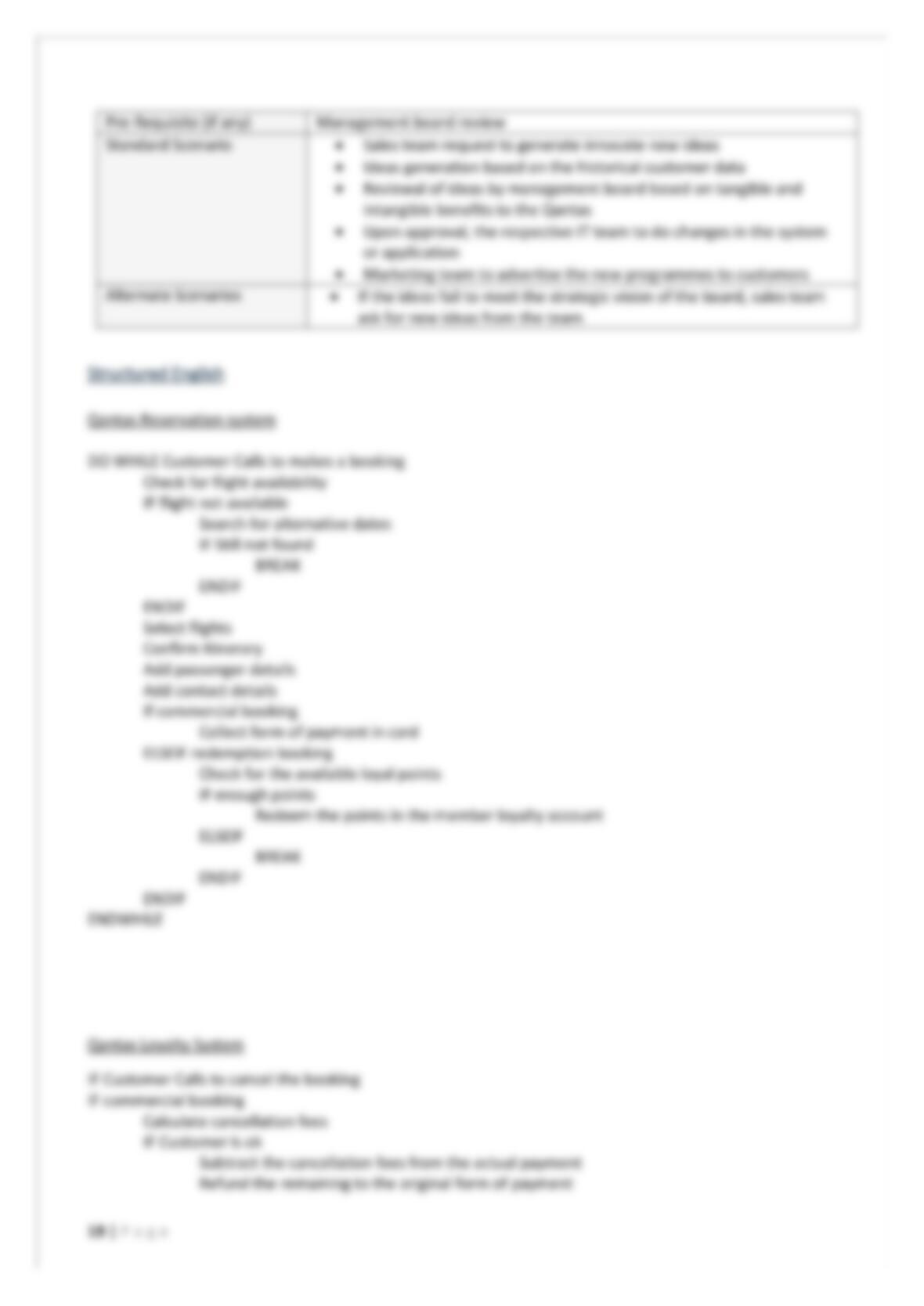
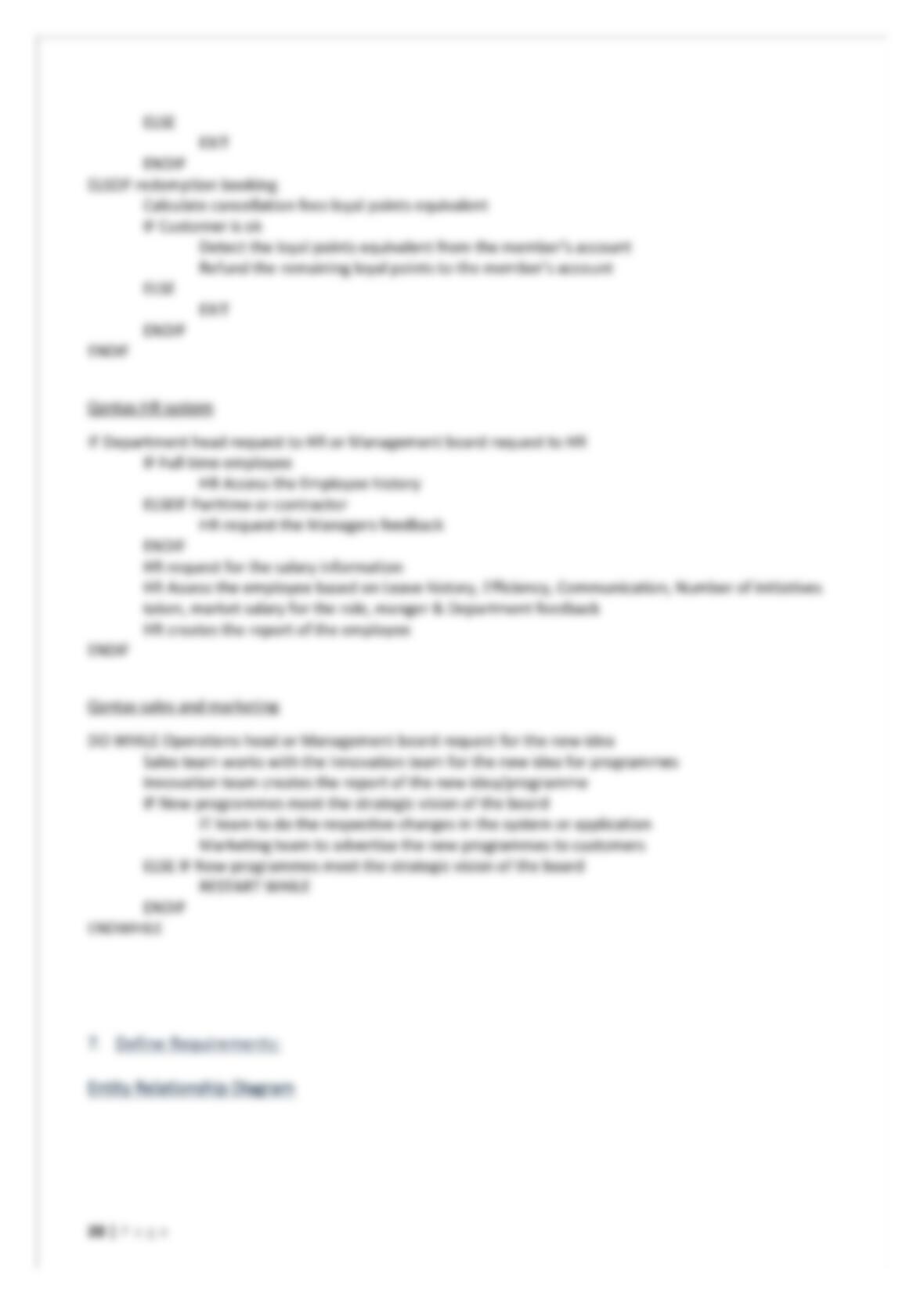
Structured English …………………………………………………………………………………………………………………….. 19
7. Define Requirements: …………………………..……………………………………………………………………………………. 20
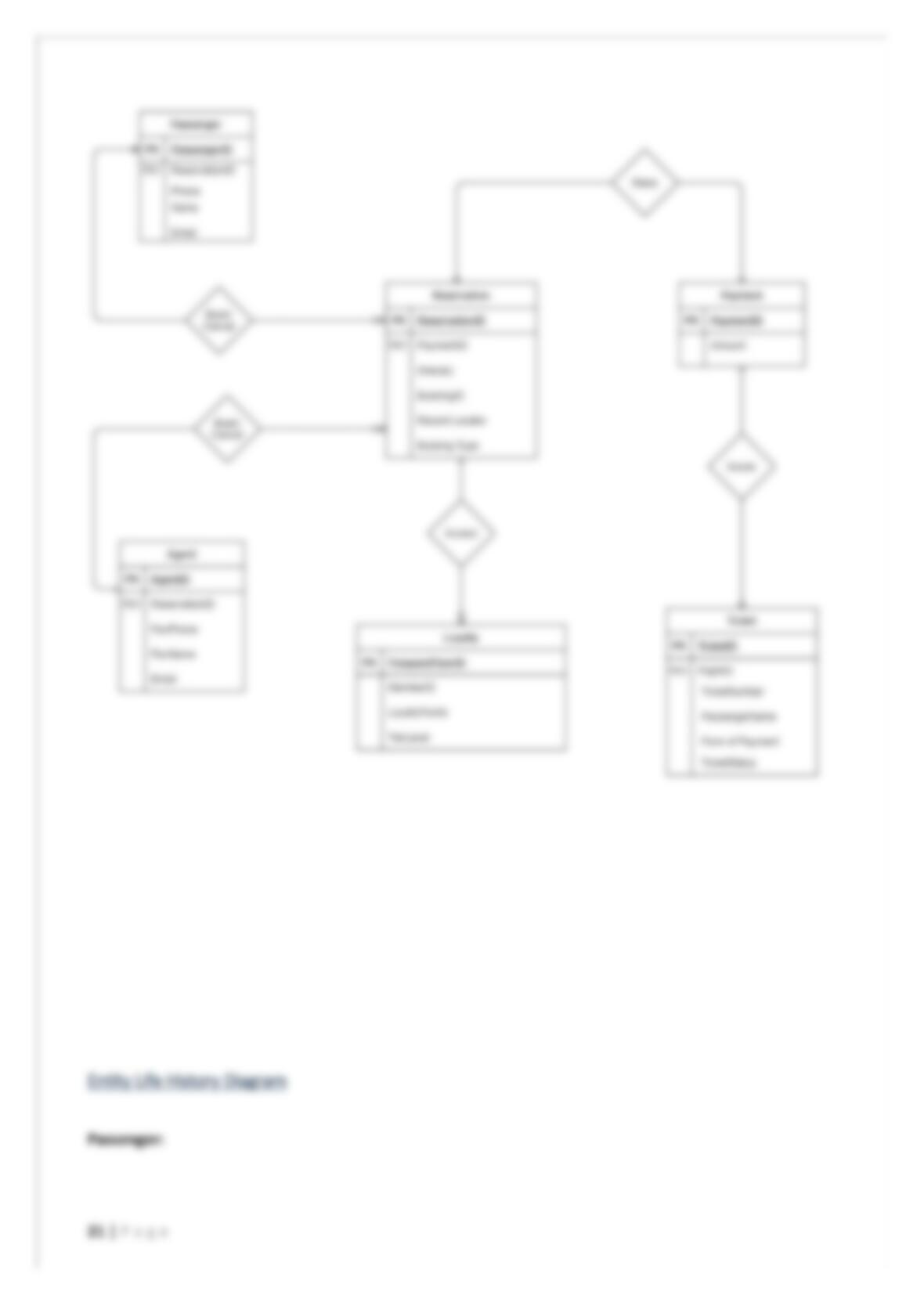
Entity Relationship Diagram ………………………………………………………………………………………………………. 20
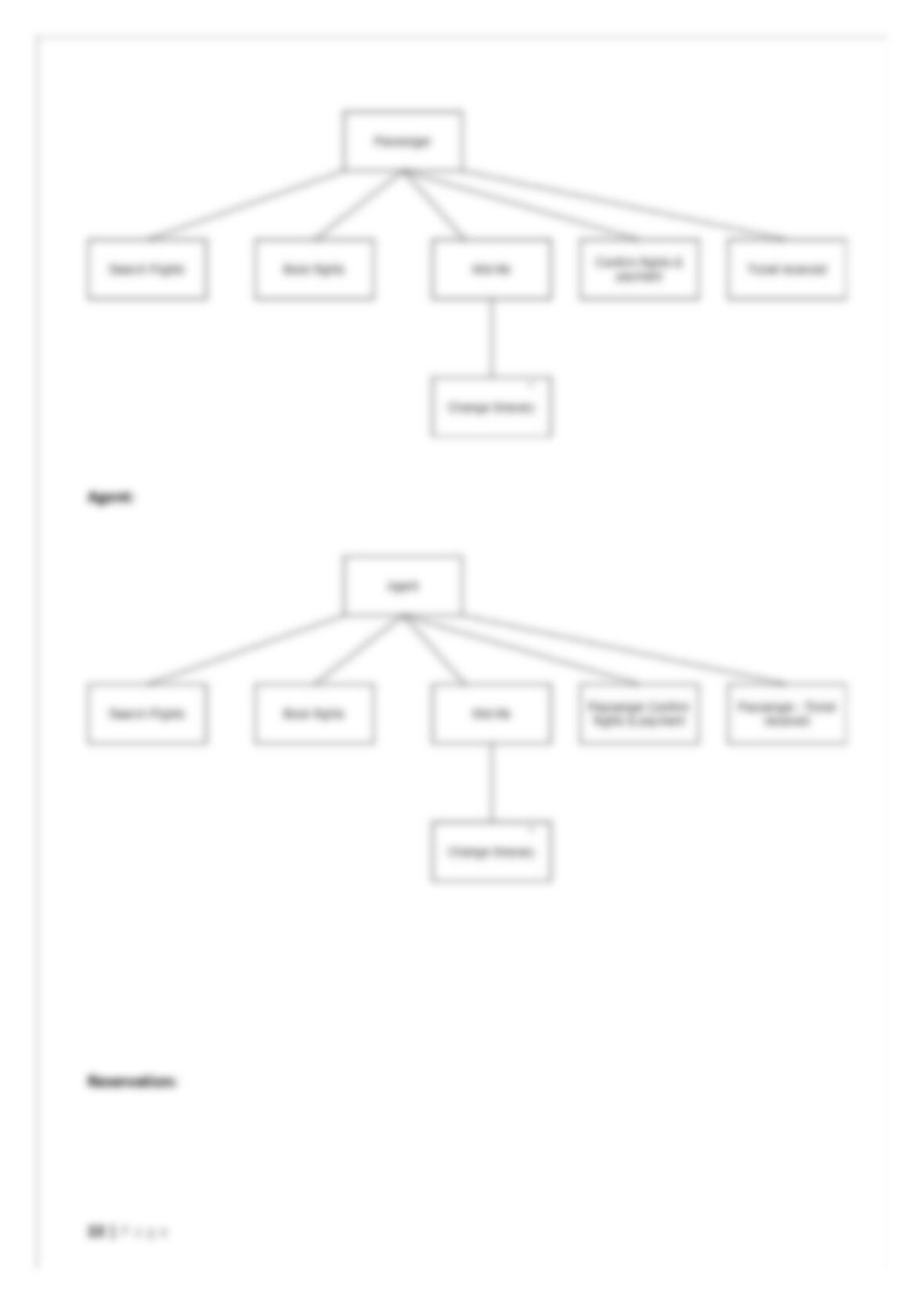
Entity Life History Diagram ………………………………………………………………………………………………………… 21
Class Diagram ………………………………………………………………………………………………………………..…………. 25
Sequence Diagram ……………………………………………………………………………………………………………………. 26
8. Observations …………………………………………………………………………………………………………………………….. 27
9. Evaluation …………………………..……………………………………………………………………………………………………. 28
Part 2: Business Data Analysis: ………………………………………………………………………………………………….30
1. Introduction ……………………………………………………………………………………………………………………………… 30
2. Application ……………………………………………………………………………………………………………………………….. 30
3. Conclusion ………………………………………………………………………………………………………………………………… 33
References: ……………………………………………………………………………………………………………………………34
2 | Page
Part 1: Business Process Analysis
1. Introduction: Qantas Airlines
Qantas Airlines Limited is one of the legendary airlines founded in 1920, which now holds third place for the
world’s oldest airlines. Also, one of the largest airlines by fleet size. Though the airlines have different services
like cargo, baggage handling, courier services, etc., the primary services are the passenger domestic and
international air travel. The airline also offers loyalty programs through different tiers (e.g., Gold, Silver, and
Platinum). The passengers can acquire points based on travel, and they can redeem the points for future travel.
Qantas operates across Asia, Europe, and the US under Qantas and Jetstar’s brand name. Headquarter in
Mascot, New South Wales, Australia. Qantas is also the founding member of the One World Alliance. The
alliance has partnered with 13 airlines to offer better connectivity to passengers across the globe.
Based on the Qantas 2020 (Qantas Investors | Investor Centre, 2020) annual report, we can clearly understand
that Qantas has faced many issues in the past (rivalry competition, industrial disputes, natural disasters, IT
failures, etc.,) but the challenging part for the airlines in the 100 years is the massive impact of the Covid-19
catastrophe which reduced the revenue of airlines up to $4 billion and the number of passengers down to 98%.
Also, this crisis has consequences of downsizing the employees (losing 6000 Qantas Group employees).
Business Process Analysis:
Sketchbubble.com. 2020. Business Process Analysis. [online] Available at: <https://www.sketchbubble.com/en/presentation–
business-process-analysis.html> [Accessed 15 December 2020].
3 | Page
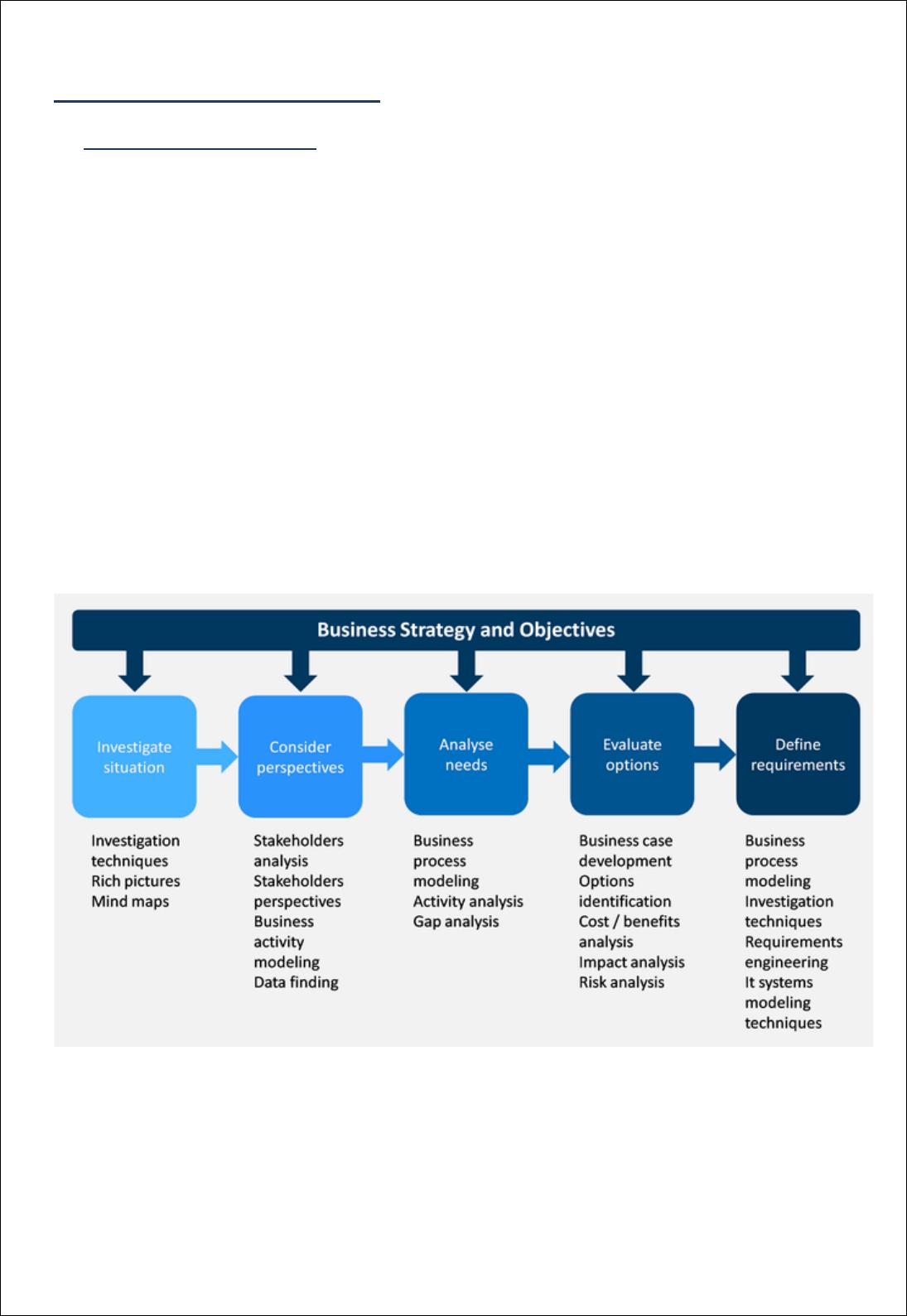
The business process analysis typically involves five stages – always aligned with the Business Strategy and
objectives. The pre-requisite is to do the strategy analysis then moving into the first stage. The first stage is to
analyze/investigate the situation to find the pain areas/vulnerable (future threats) areas of the business,
followed by the stakeholder analyses to consider the various perspectives, then to analyze the need by means of
activity analysis/gap analysis. Based on these three stages, we can evaluate the business development options
by weighing or Analyzing the tangible/intangible benefits. The final stage is to define the requirements based on
the investigation techniques etc.,
This report aims to investigate the business processes and traverse through the above-mentioned different
stages, which eventually lead us to find the pain areas/threats/weakness then allow us to discover the suitable
solutions which could reinforce the business operation. This report will also use various business analysis tools
and techniques.
2. Justification of the Tools and Techniques:
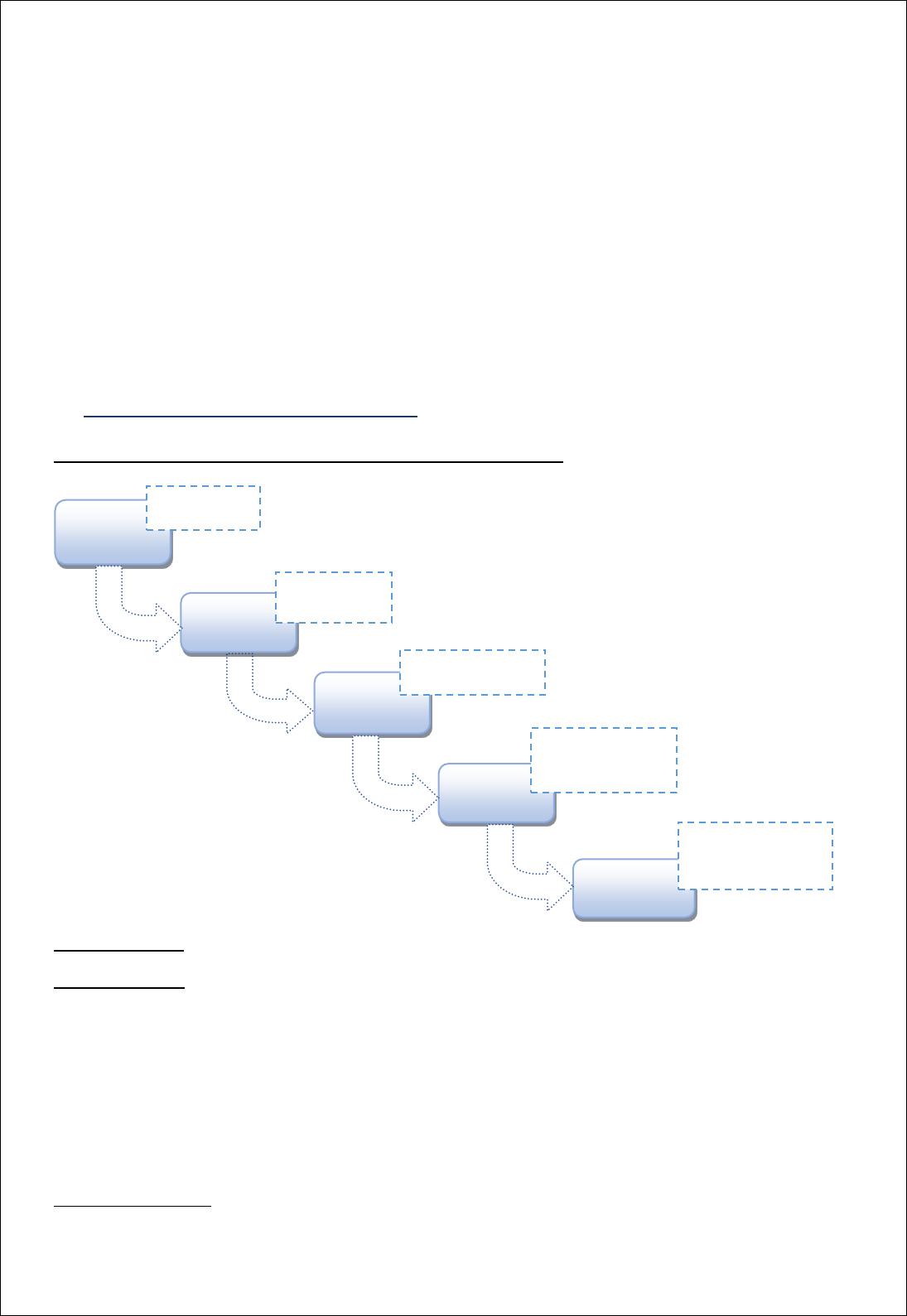
Business process Analysis Stages with suitable Tools and Techniques:
Tool Justification:
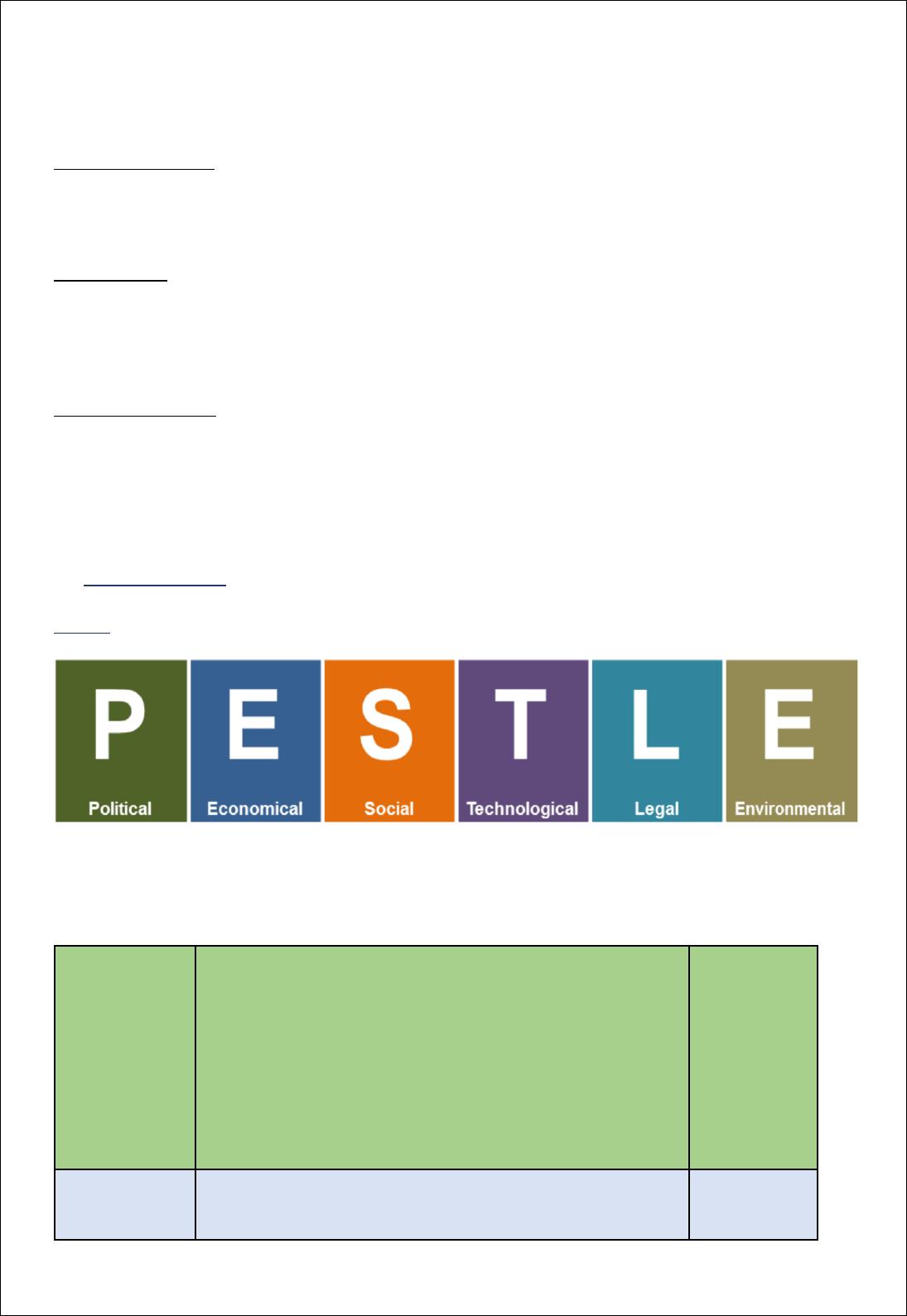
Strategy Analysis: PESTLE analysis and resource audit will be used because the current situation of travel and
hospitality industry has been disrupted by various macro level factors that influence the organization’s
trajectory. In comparison, the Michael Porter’s Five Forces model looks more specifically into the organization
itself and factors that directly affect it. (Strategic Analysis with PESTLE & Porter’s Five Forces Analysis, 2020)
Now, the airline is struggling to sustain itself. It would make more sense to analyze and focus on the external
factors to sustain, allowing the airlines to react according to the current situation and set the priorities right for
the upcoming years. Realizing the macro-environment helps the industry to develop the correct strategy
Investigate Situation: Rich picture and DFD context diagram will be used to investigate the situation. Rich picture
enables us to capture the information from various stakeholders, providing a complete understanding of
Consider
Perspective
s
Analyse
Needs
Use Case Diagram
Use case Description
Structured English
Investigate
Situation
Strategy
Analysis
Define
Requirement
s
PESTLE
Resource Audit
Rich Picture
Context Diagram
CATWOE
Power/Interest Grid
ERM & ELH Diagram
Class Diagram
Sequence Diagram
4 | Page
interdependent and intricate events (Loosemore, Chow and McGeorge, 2012). The Context diagram is easy to
comprehend the complex situations by stakeholders also defining the scope.
Consider Perspective: CATWOE analysis and Power/Interest grid will be used. CATWOE is an efficient tool to
describe the actors’ various perspectives and key members involved in the business. Also, used to build the root
definition or improvise the root definition (Basden and Wood-Harper, 2006). The power grid tool is a simple tool
to identify the power or interest in the business. Based on that, the decision can be made efficiently.
Analyze Needs: UML Use case diagrams, Descriptions, and Structured English will be used. Use case diagrams are
the most suitable technique to represent the interactions between the people, applications, internal or external
systems. In addition to the use cases, structured English represents the sequences, iterations, and decisions in a
skeleton format and easy to read. To achieve a higher level of understanding, the use of case diagrams and text-
based cases should be combined (Gemino and Parker, 2009)
Define Requirements: Entity Relation & Entity Life History, Class, and Sequence diagrams will be used. With the
ability to visually show the system’s structure and its relations, ERM & ELH diagrams are a versatile and effective
way to describe and comprehend the different data flows between the systems or applications etc., The
sequence diagrams are handy to represent the objects‘ sequence and interactions. Also, useful to map the
various message flow or interactions that could happen in chronological order. The Class diagram also shows the
attributes, methods, interactions, and relations for conceptual modeling. (Zhou and Yuming, 2014)
3. Strategy Analysis:
PESTLE
Cook, M., 2020. Strategic PESTLE Business Analysis – Neighbourhood. [online] Generic.wordpress.soton.ac.uk. Available
at: <https://generic.wordpress.soton.ac.uk/neighbourhood/2018/04/28/strategic-pestle-business-analysis/> [Accessed
16 December 2020].
Political
• Changes in Visa Policies of US, UK & BREXIT impacts
the passenger travel.
• Friendly relationships have translated into an open
aviation market with countries like China
• Revised Qantas sale amendment act increased the
total foreign investment from 35% to 49%
Impact Score:
Medium
Economical
• Reliable Currency value /Exchange rates
• The Australian government’s liberal aviation framework
Impact Score:
5 | Page
has affected domestic airlines’ potential growth.
• Dwindling price of oil certainly gain more benefits, but
there is always concern about uncertainty.
• Buying power of the customer due to the economic
factors might affect the international leisure travel
Low
Social
• Qantas as national carrier of Australia benefits from
public trust funds, government support with highest ranking
local customer base
• Qantas should also partner with local airlines in other
countries to increase the connectivity and customer base
• Resource availability has increased (including skilled
worked due to pandemic)
• Encouraging more cloud based applications.
Impact Score:
Medium
Technological
• Qantas should act proactively to tackle the Ransom
malware attacks.
• Qantas should invest in the innovations (example: IoT,
etc.,) & launching new programmes.
• Qantas should keep on updating the IT securities to stay
away from the future hacking threats by moving the
applications to cloud environment
• Old aircrafts with low fuel efficiency
Impact Score:
High
Legal
• Risk of contravention – Qantas to follow/update the
below compliance to prevent any violations
1. GLBA – Federal legislation requires financial institutions
to report on information security
2. POPI – The new legislation in South Africa tackles
personal data collection
3. GDPR – General Data Protection (New EU data
protection law)
• As always, Qantas should closely work with IATA
(International Air Transport Association) to be updated with
latest regulations across all the operating countries
Impact Score:
Medium
Environmental
1. Covid-19 –to mitigate the pandemic crisis.
• Adopt a flexible work model
• New programmes to attract the passengers
• IT models Outsourcing
Impact Score:
• Previous vision and roadmap must be revisited
• Equity should be raised
• Cost cutting and reducing the fleet size
2. Carbon emissions should be suppressed or reduced to
reduce the carbon tax
High
Resource Audit
Based on the Qantas 2020 annual report (Qantas Investors | Investor Centre, 2020)
Physical resources:
➢ Airbus A380-800 -> 12
➢ Boeing 787-9 -> 11
➢ Boeing 747-400ER -> 4
➢ Airbus A330-200 –> 18
➢ Boeing 737-800 -> 75
➢ Airbus A330-300 -> 10
Total -> 130 fleet
Financial resources:
➢ Current receivables & Non-current receivables -> $646 M
➢ Current assets & non-current assets -> $562 M