Nature © Macmillan Publishers Ltd 1997
articles
580 NATURE
|
VOL 390
|
11 DECEMBER 1997
Genomic sequence of a
Lyme disease spirochaete,
Borrelia burgdorferi
Claire M. Fraser*, Sherwood Casjens†, Wai Mun Huang†, Granger G. Sutton*, Rebecca Clayton*, Raju Lathigra‡, Owen White*,
Karen A. Ketchum*, Robert Dodson*, Erin K. Hickey*, Michelle Gwinn*, Brian Dougherty*, Jean-Francois Tomb*,
Robert D. Fleischmann*, Delwood Richardson*, Jeremy Peterson*, Anthony R. Kerlavage*, John Quackenbush*,
Steven Salzberg*, Mark Hanson‡, Rene van Vugt†, Nanette Palmer†, Mark D. Adams*, Jeannine Gocayne*, Janice Weidman*,
Teresa Utterback*, Larry Watthey*, Lisa McDonald*, Patricia Artiach*, Cheryl Bowman*, Stacey Garland*, Claire Fujii*,
Matthew D. Cotton*, Kurt Horst*, Kevin Roberts*, Bonnie Hatch*, Hamilton O. Smith*& J. Craig Venter*
*The Institute for Genomic Research, 9712 Medical Center Drive, Rockville, Maryland 20850, USA
†Division of Molecular Biology and Genetics, Department of Oncological Sciences, University of Utah, Salt Lake City, Utah 84132, USA
‡MedImmune, Inc., 35 West Watkins Mill Road, Gaithersburg, Maryland 20878, USA
…………………………………………………………………………………………………………………………………………………………….…………………………………………………………….
The genome of the bacterium Borrelia burgdorferi B31, the aetiologic agent of Lyme disease, contains a linear
chromosome of 910,725 base pairs and at least 17 linear and circular plasmids with a combined size of more than
533,000 base pairs. The chromosome contains 853 genes encoding a basic set of proteins for DNA replication,
transcription, translation, solute transport and energy metabolism, but, like Mycoplasma genitalium, it contains no
genes for cellular biosynthetic reactions. Because B. burgdorferi and M. genitalium are distantly related eubacteria,
we suggest that their limited metabolic capacities reflect convergent evolution by gene loss from more metabolically
competent progenitors. Of 430 genes on 11 plasmids, most have no known biological function; 39% of plasmid genes
are paralogues that form 47 gene families. The biological significance of the multiple plasmid-encoded genes is not
clear, although they may be involved in antigenic variation or immune evasion.
In the mid-1970s, a geographic clustering of an unusual rheumatoid
arthritis-like condition was reported in Connecticut1. That cluster
of cases focused attention on the syndrome that is now called Lyme
disease. It was subsequently realized that a similar disorder had been
known in Europe since the beginning of this century. Lyme disease is
characterized by some or all of the following manifestations: an
initial erythematous annular rash, ’flu-like symptoms, neurological
complications, and arthritis in about 50% of untreated patients2.In
the United States, the disease occurs primarily in northeastern and
midwestern states, and in western parts of California and Oregon.
These regions coincide with the ranges of various species of Ixodes
ticks, the primary vector of Lyme disease. Lyme disease is now the
most common tick-transmitted illness in the United States, and
has been reported in many temperate parts of the Northern
Hemisphere.
It was not until the early 1980s that a new spirochaete, Borrelia
burgdorferi3, was isolated and cultured from the midgut of Ixodes
ticks, and subsequently from patients with Lyme disease4,5. Analysis
of genetic diversity among individual Borrelia isolates has defined a
closely related cluster containing at least 10 tick-borne species of
Lyme disease agents, called ‘B. burgdorferi (sensu lato)’. B. burgdor–
feri resembles most other spirochaetes in that it is a highly
specialized, motile, two-membrane, spiral-shaped bacterium that
lives primarily as an extracellular pathogen. Borrelia is fastidious
and difficult to culture in vitro, requiring a specially enriched media
and low oxygen tension6.
One of the most striking features of B. burgdorferi is its unusual
genome, which includes a linear chromosome approximately one
megabase in size7–10 and numerous linear and circular plasmids11–13,
with some isolates containing up to 20 different plasmids. The
plasmids have a copy number of approximately one per chromo-
some10,14, and different plasmids often appear to share regions of
homologous DNA13,15,16. Long-term culture of B. burgdorferi results
in the loss of some plasmids, changes in protein expression profiles,
and a loss in the ability of the organism to infect laboratory animals,
suggesting that the plasmids encode important proteins involved in
virulence17–19.
Because of its importance as a pathogen of humans and animals,
and the value of complete genome sequence information for under–
standing its life cycle and advancing drug and vaccine development,
we sequenced the genome of B. burgdorferi type strain (B31), using
the random sequencing method previously described20–24.Herewe
summarize the results from sequencing, assembly and analysis of
the linear chromosome and 11 plasmids.
Chromosome analysis
The linear chromosome of B. burgdorferi has 910,725 base pairs (bp)
and an average G+C content of 28.6%. Base pair one represents the
first double-stranded base pair that we observed at the left telomere.
Previous genome characterizations agree with the nucleotide
sequence of the large chromosome10,25–28. The 853 predicted
coding sequences (open reading frames; ORFs) have an average
size of 992 bp, similar to that observed in other prokaryotic
genomes, with 93% of the B. burgdorferi genome representing
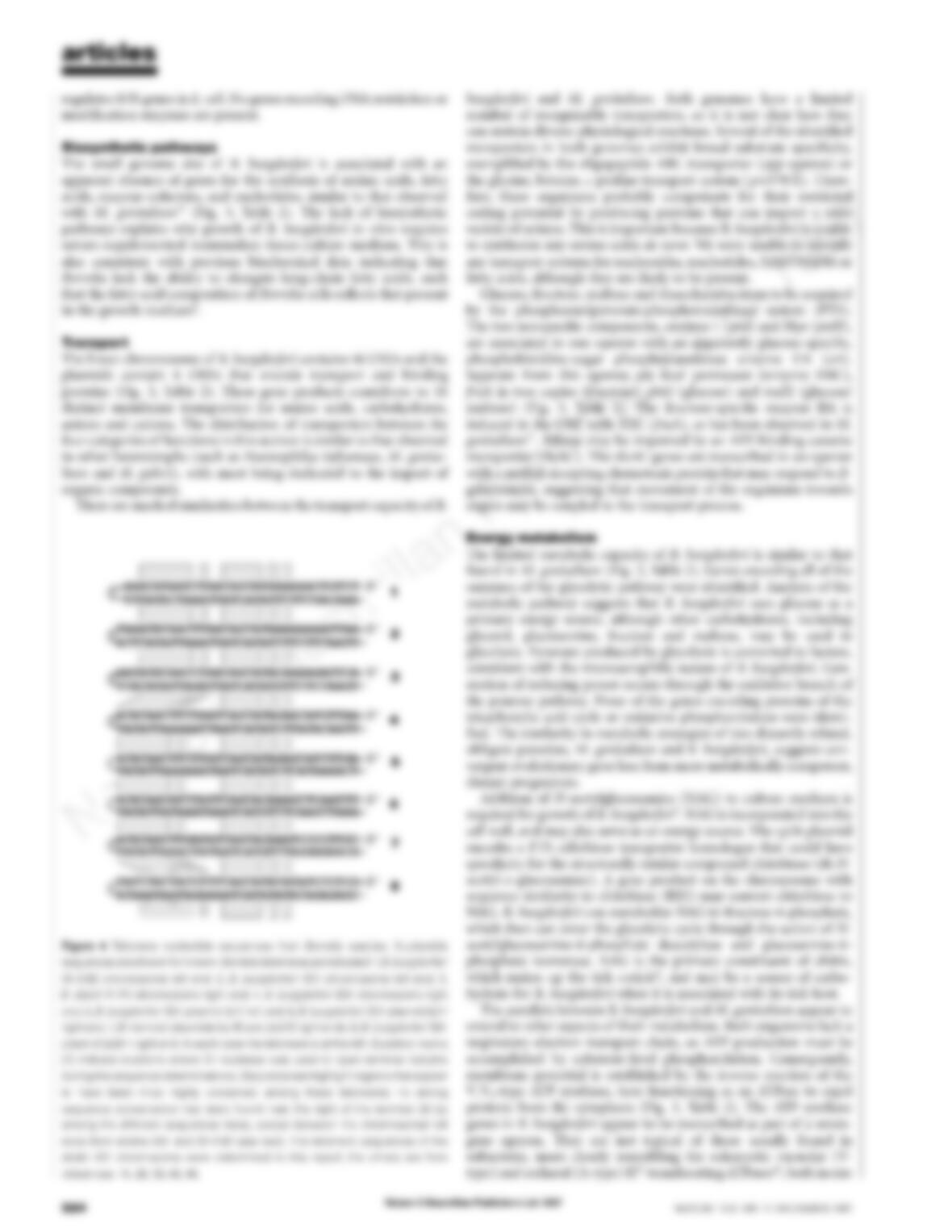
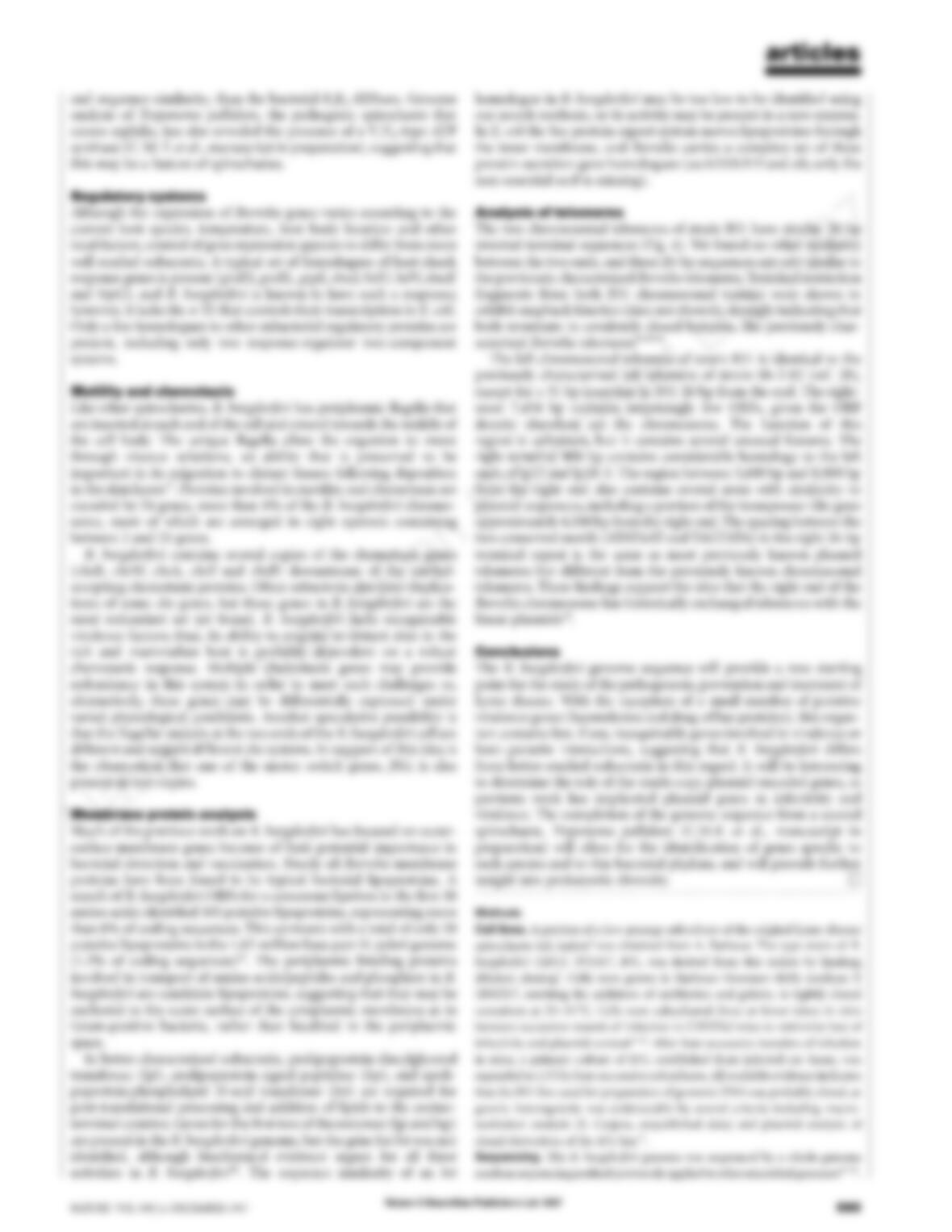
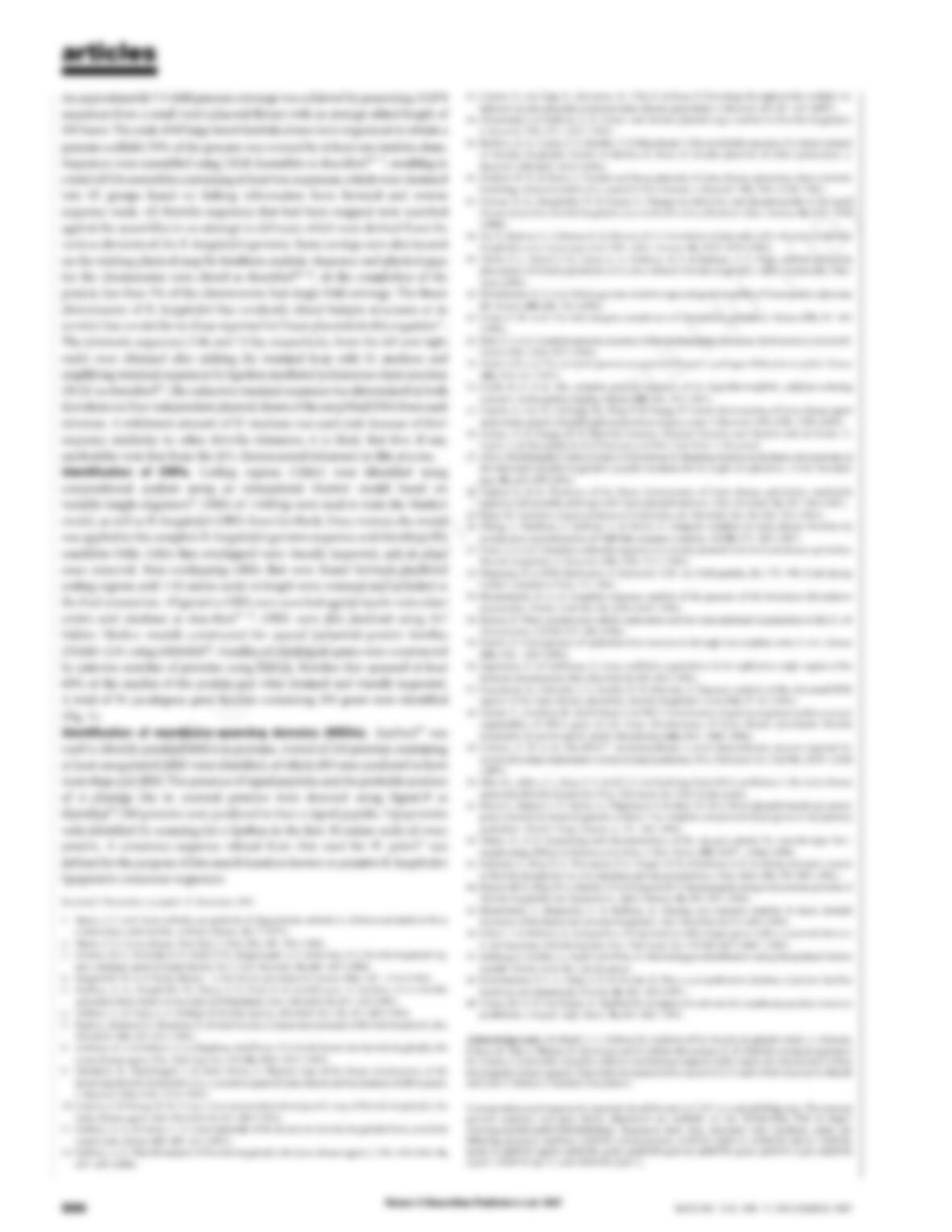
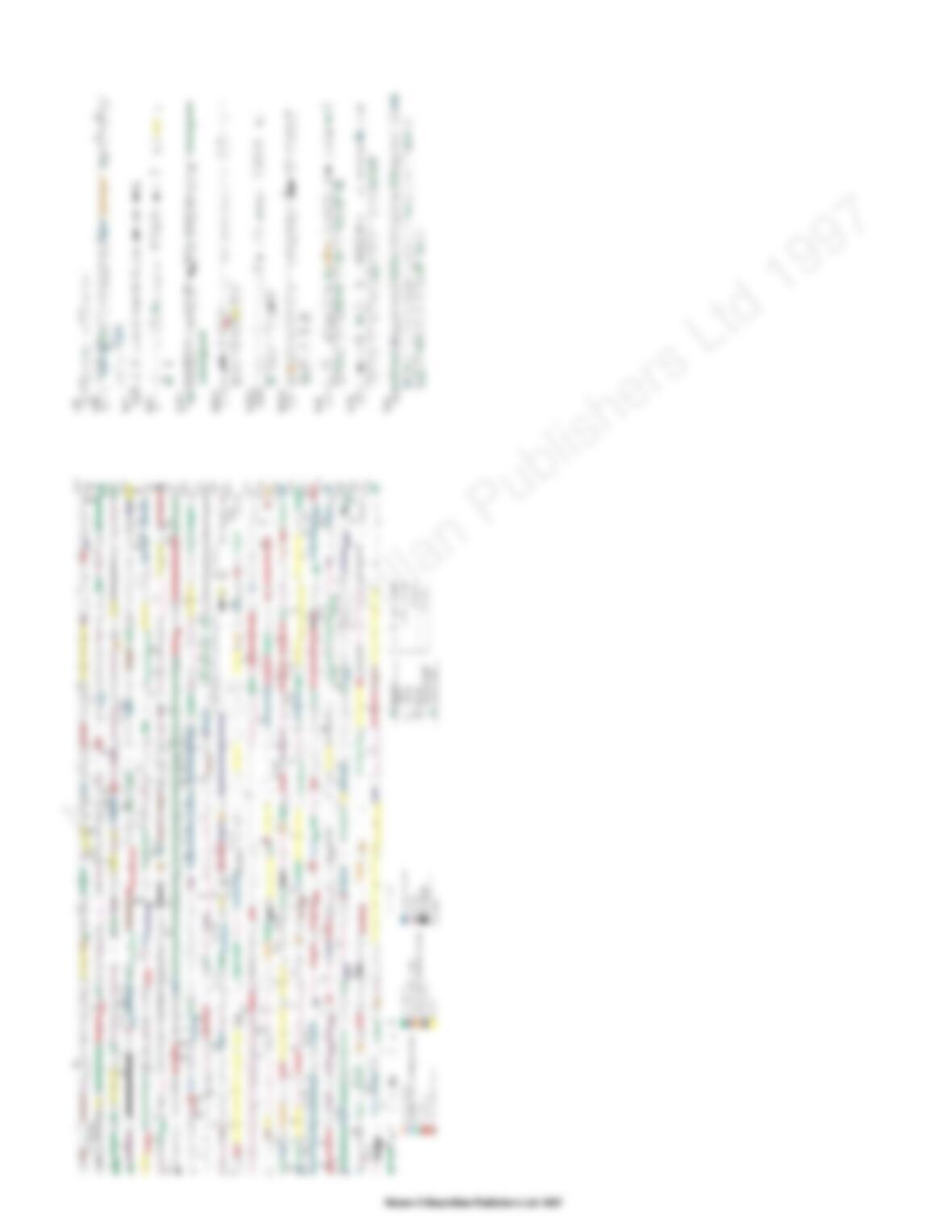
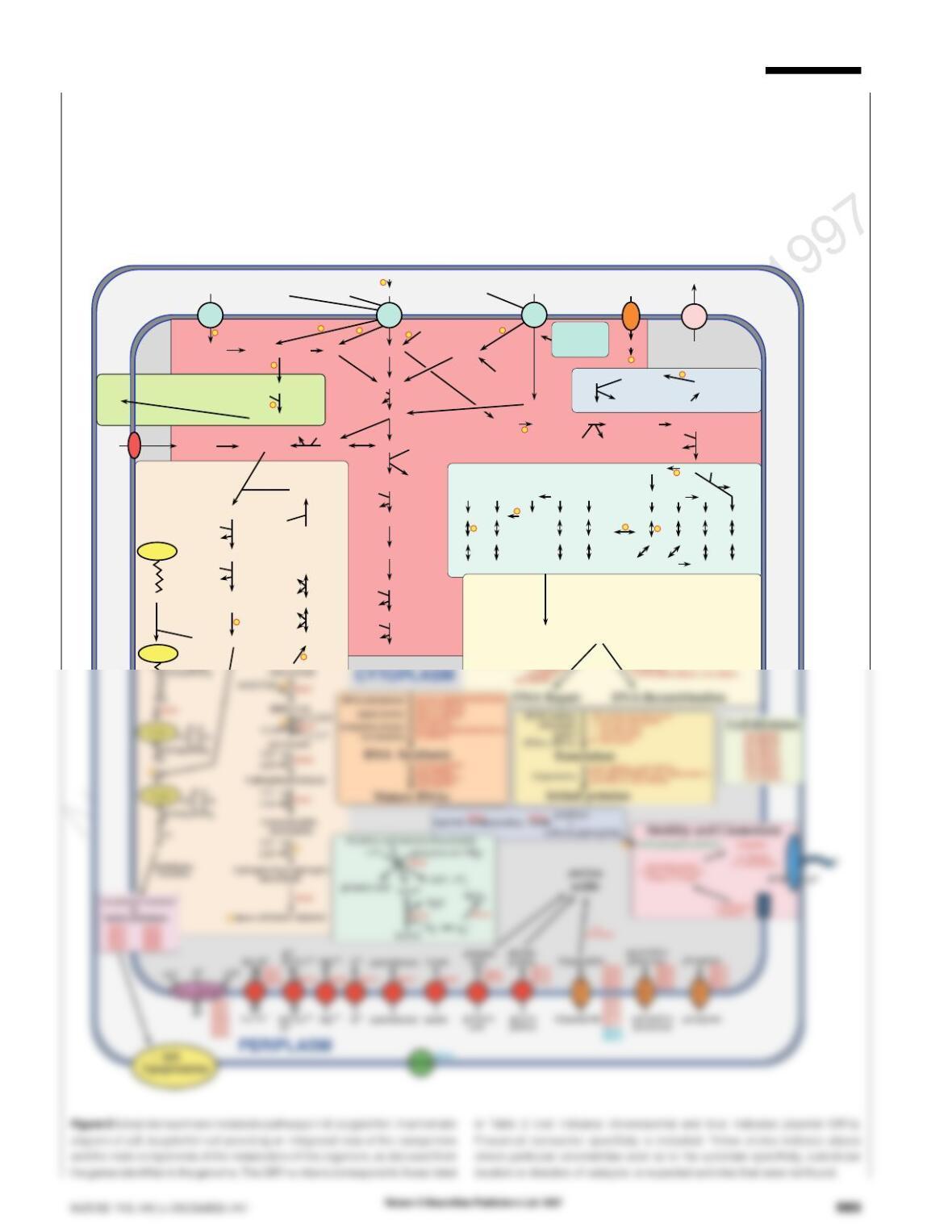
Figure 1 Linear representations of the B. burgdorferi B31 chromosome and
plasmids. The location of predicted coding regions colour-coded by biological
role, RNA genes, and tRNAs is indicated. Arrows represent the direction of
transcription for each predicted coding region. Numbers associated with tRNA
symbols represent the number of tRNAs at a locus. Numbers associated with
GES represent the number of membrane-spanning domains according to the
Goldman, Engelman and Steitz scale as calculated by TopPred49. Only proteins
with five or more GES are indicated. Members of paralogous gene families are
identified by family number. Transporter abbreviations: mal, maltose; P, gly and
bet, proline, glycine, betaine; glyc, glycerol; aa, amino acid; E, glutamate; fru,
fructose; glu, glucose; s/p, spermidine/putrescine; pan, pantothenate; Pi, phos-
phate; lac, lactate; rib, ribose; ?, unknown.
Q

Nature © Macmillan Publishers Ltd 1997
articles
NATURE
|
VOL 390
|
11 DECEMBER 1997 581
coding sequence. Biological roles were assigned to 59% of the 853
ORFs using the classification scheme adapted from Riley29 (Fig. 1),
12% of ORFs matched hypothetical coding sequences of unknown
function from other organisms, and 29% were new genes. The
average relative molecular mass (M
r
) of the chromosome-encoded
proteins in B. burgdorferi is 37,529 ranging from 3,369 to 254,242,
values similar to those observed in other bacteria including
Haemophilus influenzae20 and Mycoplasma genitalium21. The
median isoelectric point (pI) for all predicted proteins is 9.7.
Analysis of codon usage in B. burgdorferi reveals that all 61 triplet
codons are used. When both AU- and GC-containing codons
specify a single amino acid, there is a marked bias (from 2-fold to
more than 20-fold, depending on the amino acid) in the use of AU-
rich codons. The most frequently used codons are AAA (Lys, 8.1%),
AAU (Asn, 5.9%), AUU (Ile, 5.9%), UUU (Phe, 5.7%), GAA (Glu,
5.0%), GAU (Asp, 4.2%) and UUA (Leu, 4.2%). The most common
amino acids are Ile (10.6%), Leu (10.3%), Lys (10.2%), Ser (7.8%)
and Asn (7.2%). The high value for Lys is in agreement with the
median calculated isoelectric point of 9.7.
Plasmid analysis
Analysis of the nucleotide sequence and Southern analyses on B.
burgdorferi DNA indicate that, in addition to the large linear
chromosome, isolate B31 contains linear plasmids of the following
approximate sizes: 56 kilobase pairs (kbp) (lp56), 54 kbp (lp54),
four plasmids of 28 kbp (lp28-1, lp28-2, lp28-3 and lp28-4), 38 kbp
(lp38), 36 kbp (lp36), 25 kbp (lp25) and 17 kbp (lp17); and circular
plasmids of the following sizes: 9 kbp (cp9), 26 kbp (cp26) and five
or six homologous plasmids of 32 kbp (cp32). These include all of
the plasmids previously identified in this strain, but comparisons
with other B31 cultures suggest that this isolate may have lost one 21
kbp linear and one or two 32 kbp circular plasmids during growth in
culture since its original isolation11–14,19,30. The sequences of all
plasmids were assembled as part of this project. However, the
assembled sequences of the cp32 and related lp56 plasmids could
not be determined with a high degree of confidence because of DNA
sequence similarity among them ($99% in several regions of
3,000–5,000 bp per plasmid)13,16 (Table 1). Improved assembly
strategies are being tested to achieve closure on these plasmids
(G. Sutton, unpublished). Plasmid lp17 is identical to that of lp16.9
from Barbour et al.15.
The 11 plasmids we have described contain a total of 430 putative
ORFs with an average size of 507 bp; plasmid G+C content ranges
from 23.1% to 32.3%. Only 71% of plasmid DNA represents
predicted coding sequences, a value significantly lower than that
on the chromosome. This indicates that average intergenic distances
are greater in the plasmids than in the chromosome, and that many
potential ORFs contain authentic frameshifts or stops (see E29, for
example), suggesting that they are decaying genes not encoding
functional proteins. Of the 430 plasmid ORFs, only 70 (16%) could
be identified and these include membrane proteins such as OspA-D,
decorin-binding proteins, the VlsE lipoprotein recombination cas-
sette, and the purine ribonucleotide biosynthetic enzymes GuaA
and GuaB. We found that 100 ORFs (23%) match other hypothe-
tical proteins from plasmids in this and related strains of B.
burgdorferi 15,16,31; 10 ORFs (2.3%) match hypothetical proteins
from species other than Borrelia; and 250 ORFs (58%) have no
database match.
We found that 47 paralogous gene families containing from 2 to
12 members account for 39% (169 ORFs) of the plasmid-encoded
genes with no known biological role (Fig. 1). Paralogue families 32
and 50, typified by previously identified B. burgdorferi plasmid
genes cp32 orfC and cp8.3 orf2, respectively, have some similarities
to proteins involved in replication, segregation and control of copy
number in other bacterial systems16,31. Previous studies have
reported examples of plasmid gene duplication, but the extent of
Table 2 Gene identification numbers are listed with the prefix BB as in Fig. 2. Each gene
identified is listed in its functional role category (adapted from Riley29). The percentage of
similarity and a two-letter abbreviation for genus and species for the best match are also
shown. An expanded version of this table with additional information is available on the
World-Wide Web at http://www.tigr.org/tdb/mdb/bbdb/bbdb.htm. Abbreviations of gene
names are: Ac, acetyl; BP, binding protein; biosyn, biosynthesis; cello, cellobiose; CPDase,
carboxypeptidase; Dcase, decarboxylase; DHase, dehydrogenase; flgr, flagellar/flagellum;
fru, fructose; GBP, glycine, betaine, L-proline; glu, glucose; Kase, kinase; mal, maltose; MC-
methyl-accepting chemotaxis; MTase, methyltransferase; NAG, N-acetylglucosamine; OH,
hydroxy; OP, oligopeptide; P, phosphate; PPTase, phosphotransferase; PPase, phospha-
tase; prt, protein; put, putative; RDase, reductase; RG, ribose/galactose; SAM, S-adenosyl-
methionine; Sase, synthetase/synthase; SP, spermidine/putrescine; ss, single-stranded;
sub, subunit; Tase, transferase.
Abbrevation of genus and species are: Ah, Aeromonas hydrophila; Ar, Agrobacterium
radiobacter; Al, Alteromonas sp.; Ab, Anabaena sp.; An, Anacystis nidulans; At, arabidopsis
thaliana; Av, Azotobacter vinelandii; Bf, Bacillus firmus; Bl, Cacillus licheniformis; Bm,
Bacillus megaterium; Bs, Bacillus stearothermophilus; Bs, Bacillus subtilis; Bb, Borrelia
burgdorferi; Bc, Borrelia coriaceae; Bh, Borrelia hermsii; Ba, Buchnera aphidicola; Ca,
Clostridium acetobutylicum; Cl, Clostridium longisporum; Cp, Clostridium perfringens; Cg,
Corynegacterium glutamicum; Cb, Coxiella burnetii; Cp, Cyanophora paradoxa; Dd,
Dictyostelium discoideum; Ec, Escherichia coli; Eh, Entamoeba histolytica; Ec,
Enterobacter cloacae; El, Enterococcus faecalis; Eh, Enterococcus hirae; Ha,
Haemophilus aegyptius; Hi, Haemophilus influenzae; Hp, Helicobacter pylori; Hs, Homo
sapiens; La, Lactobacillus acidophilus; Ll, Lactococcus lactis; Li, Leptospira interrogans
serovar lai; Mj, Methanococcus jannaschii; Mb, Methanosarcina barkeri; Ml,
Mycobacterium leprae; Mt, Mycobacterium tuberculosis; Mc, Mycoplasma capricolum;
Mg, Mycoplasma genitalium; Mh, Mycoplasma hominis; Mh, Mycoplasma hyorhinis; Mm,
Mycoplasma mycoides; Mp, Mycoplasma pneumoniae; Mx, Myxococcus xanthus; Ng,
Neisseria gonorrhoeae; Nm, Neisseria meningitidis; Os, Odontella sinensis; Pt,
Paramecium tetraurelia; Pa, Pediococcus acidilactici; Pf, Plasmodium falciparum; Pg,
Porphyromonas gingivalis; Pv, Proteus vulgaris; Pa, Pseudomonas aeruginosa; Pm,
Pseudomonas mevalonii; Pp, Pseudomonas putida; Rm, Rhizobium meliloti; Rc,
Rhodobacter capsulatus; Rs, Rhodobacter sphaeroides; Rp, Rickettsia prowazekii; Sc,
Saccharomyces cerevisiae; Sc, Salmonella choleraesius; St, Salmonella typhimurium; Sh,
Serpulina hyodysenteriae; Sd, Shigella dysenteriae; So, Spinacia oleracea; Sc,
Staphylococcus camosus; Se, Staphylococcus epidermidis; Sp, Streptococcus pyogen-
es; Sc, Streptomyces coelicolor; Ss, Sulfolobus solfataricus; Syn, Synechococcus sp.; Sp,
Synechocystis PCC6803; Tt, Thermoanaerobacterium thermosaccharolyticum; Tb, Ther-
mophilic bacterium RT8.B4.; Ttv, Thermoproteus tenax virus; Tm, Thermotoga maritima; Tat,
Thermus aquaticus thermophilus; Ta, Thermus aquaticus; Td, Treponema denticola; Tp,
Treponema pallidum; Ta, Triticum aestivum; Tb, Trypanosoma brucei mitochondrion; Vc,
Vibrio cholerae; Vp, Vibrio parahaemolyticus; Zm, Zymomonas mobilis.
Table 1 Genome features in Borrelia burgdorferi
Chromosome 910,725 bp (28.6% G+C)
Coding sequences (93%)
RNAs (0.7%)
Intergenic sequence (6.3%)
853 coding sequences
500 (59%) with identified database match
104 (12%) match hypothetical proteins
249 (29%) with no database match
………………………………………………………………………….…………………………………………………………………………….
Plasmids
cp9 9,386 bp (23.6% GC)
cp26 26,497 bp (26.3% GC)
lp17 16,828 bp (23.1% GC)
lp25 24,182 bp (23.3% GC)
lp28-1 26,926 bp (32.3% GC)
lp28-2 29,771 bp (31.5% GC)
lp28-3 28,605 bp (25.1% GC)
lp28-4 27,329 bp (24.4% GC)
lp36 36,834 bp (26.8% GC)
lp38 38,853 bp (26.1% GC)
lp54 53,590 bp (28.1% GC)
Coding sequences (71%)
Intergenic sequence (29%)
430 coding sequences
70 (16%) with identified database match
110 (26%) match hypothetical proteins
250 (58%) with no database match
………………………………………………………………………….…………………………………………………………………………….
Ribosomal RNA Chromosome coordinates
16S 444581–446118
23S 438590–441508
5S 438446–438557
23S 435334–438267
5S 435201–435312
………………………………………………………………………….…………………………………………………………………………….
Stable RNA
tmRNA 46973–47335
mpB 750816–751175
………………………………………………………………………….…………………………………………………………………………….
Transfer RNA
34 species (8 clusters,14 single genes)
………………………………………………………………………….…………………………………………………………………………….
*The telomeric sequences of the nine linear plasmids assembled as part of this study were
not determined; estimation of the number of missing terminal nucleotides by restriction
analysis suggests that less than 1,200 bp is missing in all cases. Comparisons with
previously determined sequences of lp 16.9 and one terminus of lp28-1 indicate that 25,
60 and 1,200 bp are missing, respectively.
R
Nature © Macmillan Publishers Ltd 1997
articles
582 NATURE
|
VOL 390
|
11 DECEMBER 1997
this redundancy has become even more apparent with the complete
sequence of these 11 plasmids from isolate B31. Moreover, a
preliminary search of 221 putative ORFs from the cp32s and lp56
indicates that at least 50% display $70% amino-acid similarity to
ORFs from the other 11 plasmids presented here (data not shown).
Although plasmid-encoded genes have been implicated in infectiv-
ity and virulence17–19, the biological roles of most of these genes are
not known. The significance of the large number of paralogous
plasmid-encoded genes is not understood. These proteins may
be expressed differentially in tick and mammalian hosts, or may
undergo homologous recombination to generate antigenic varia-
tion in surface proteins. This hypothesis is supported by the
identification of 63 plasmid-encoded putative membrane lipopro-
teins (Fig. 1).
Several copies of a putative recombinase/transposase similar to
IS891-like transposases were identified in the B. burgdorferi plas-
mids. Linear plasmid 28-2 contains one full-length copy of this
gene. Although no inverted repeats were found on either side of the
transposase, there is a putative ribosome-binding site several
nucleotides upstream of the apparent start codon, and a stem–
loop structure (−27 kcal mol
−1
) 195 bp downstream of the stop
codon in an area with no ORFs. This transposase might represent a
functional gene important for the frequent DNA rearrangements
that presumably occur in Borrelia plasmids. There are other partial
or nearly complete copies of the transposase gene that contain
frame-destroying mutations elsewhere in the genome: two copies on
lp17, one on lp36, one on lp38, one on lp28-3, two on lp28-1, and
one near the right end of the large linear chromosome.
Origin of replication
The replication mechanism for the linear chromosome and plas-
mids in B. burgdorferi is not yet known. Replication possibly begins
at the termini, as has been proposed for the poxvirus hairpin
telomeres32, or may begin from a single origin somewhere along
the length of the linear replicon. Of the genes on the linear
chromosome, 66% are transcribed away from the centre of the
chromosome (Fig. 1), similar to the transcriptional bias observed
for the genomes of M. genitalium21 and M. pneumoniae33. It has
been suggested that bacterial genes are optimally transcribed in the
same direction as that in which replication forks pass over them,
particularly for highly transcribed genes34,35
Given the transcriptional bias observed in B. burgdorferi, it seems
likely that the origin of replication is near the centre of the
chromosome. Because bacterial chromosomal replication origins
are usually near dnaA36, it is intriguing to note that this gene
(BB437) lies almost exactly at the centre of the linear B. burgdorfer-
ichromosome10,27. A centrally initiated, bi-directional replication
fork would be equidistant from the two chromosome ends, and
replication would traverse the rRNA genes in the same direction as
transcription.
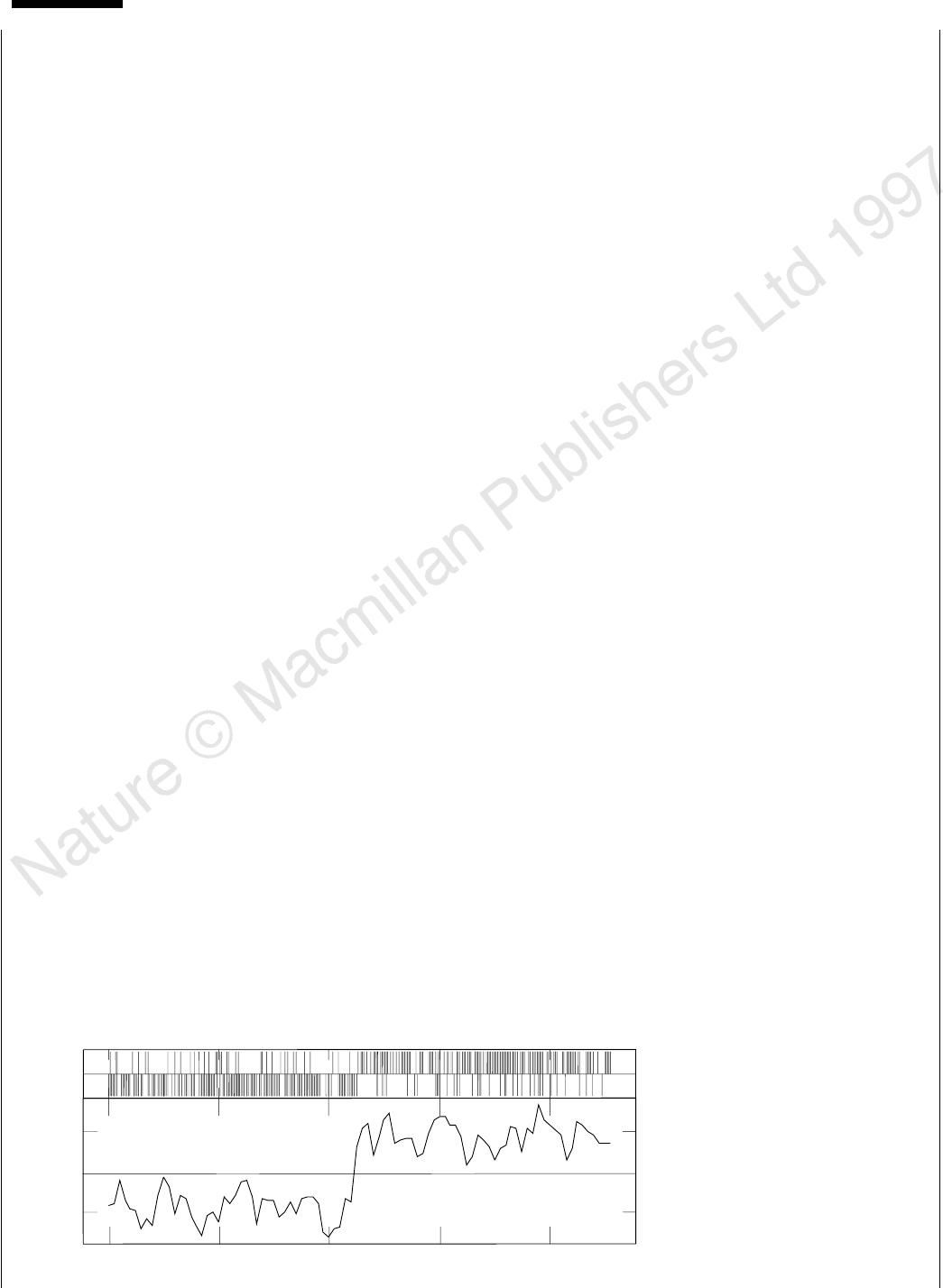
An analysis of GC skew, (G 2C)/(G þC) calculated in 10-kilo-
base (kb) windows across the chromosome, shows a clear break at
the putative origin of replication. The GC-skew values are uni-
formly negative from 0 to 450 kb (minus strand), and uniformly
positive (plus strand) from 450 kb to the end of the chromosome
(Fig. 2). Additional evidence for the location of the origin of
replication comes from our discovery of an octamer, TTGTTTTT,
whose skewed distribution in the plus versus the minus strand of the
chromosome matches the GC skew (Fig. 2). The biological sig-
nificance of this octamer has not yet been determined, although it
may be analogous to the Chi site in Escherichia coli that is implicated
in recBCD mediated recombination. No GC skew was observed in
any of the plasmids, although the heptamer ATTTTTT displays a
skewed distribution in the plus versus the minus strand of lp28-4
that changes at the approximate midpoint of the plasmid (not
shown).
Transcription and translation
Genes encoding the three subunits (a,b,b9) of the core RNA
polymerase were identified in B. burgdorferi along with j
70
and two
alternative jfactors, j
54
and rpoS. The role and specificity of each of
these jfactors in transcription regulation in B. burgdorferi are not
known. The nusA,nusB and rho genes, which are involved in
transcription elongation and termination, were also identified.
A region of the genome with a significantly higher G þC content
(43%), located between nucleotides 434,000 and 447,000, contains
the rRNA operon. As previously reported, the rRNA operon in B.
burgdorferi contains a 16S rRNA–Ala-tRNA–Ile-tRNA–23S
rRNA–5S rRNA–23S rRNA–5S rRNA37,38. All of the genes are
present in the same orientation, except for that encoding Ile
tRNA. Four unrelated genes, encoding 3-methyladenine glycosylase,
hydrolyase and two with no database match, are also present in the
rRNA operon. Three of these genes are transcribed in the same
direction as the rRNAs.
We identified in the chromosome 31 tRNAs with specificity for all
20 amino acids (Fig. 1). These are organized into 7 clusters plus 13
single genes. All tRNA synthetases are present except glutaminyl
tRNA-synthetase. A single glutamyl tRNA synthetase probably
aminoacylates both tRNA
Glu
and tRNA
Gln
with glutamate followed
by transamidation by Glu-tRNA amidotransferase, a heterotrimeric
enzyme present in B. burgdorferi and several Gram-positive bacteria
and archaea30. The lysyl-tRNA synthetase (LysS) in B. burgdorferi is a
class I type that has no resemblance to any known bacterial or
eukaryotic LysS, but is most similar to LysS from the archaea40.
Replication, repair and recombination
The complement of genes in B. burgdorferi involved in DNA
replication is smaller than in E. coli, but similar to that in M.
genitalium21. Three ORFs have been identified with high homology
to four of the ten polypeptides in the E. coli DNA polymerase III: a,
band g, and t.InE. coli, the gand tproteins are produced by
programmed ribosomal frameshifting. This observation suggests
that DNA replication in B. burgdorferi, like that in M. genitalium, is
accomplished with a restricted set of genes. B. burgdorferi has one
TTGTTTTT
Distribution
(G-C)/(G+C)
0 200 400 600 800 910.725
0.000
0.200
-0.200
Kilobases
Figure 2 Distribution of TTGTTTTT and GC
skew in the B. burgdorferi chromosome. Top,
distribution of the octamer TTGTTTTT. The
lines in the top panel represent the location of
this octamer in the plus strand of the
sequence, and those in the second panel
represent the location of this oligomer in the
minus strand of the sequence. Bottom, GC
skew.
articles
type I topoisomerase (topA) and two type II topoisomerases (gyrase
and topoisomerase IV) for DNA topology management and chro-
mosome segregation, despite its linear chromosomal structure. This
suggests that topoisomerase IV may be required for more than the
separation of circular DNAs during segregation.
The DNA repair mechanisms in B. burgdorferi are similar to those
in M. genitalium. DNA excision repair can presumably occur by a
pathway involving endonuclease III, PolI and DNA ligase. The genes
for two of three DNA mismatch repair enzyme (mutS,mutL) are
present. The apparent absence of mutH is consistent with the lack of
GATC (dam) methylation in strain B31 (S. Casjens, unpublished).
Also present are genes for the repair of ultraviolet-induced DNA
damage (uvrA,uvrB,uvrC and uvrD) (Table 2).
B. burgdorferi has a complete set of genes to perform homologous
recombination, including recA,recBCD,sbcC,sbcD,recG,ruvAB and
recJ. 39-Exonuclease activity associated with sbcB in E. coli may be
encoded by exoA (exodeoxynuclease III). Although recA is present,
we found no evidence for lexA, which encodes the repressor that
BB586
mannose fructose
glucoseglucosamine
F-1-P
M-6-P
M-1-P
Glc-6-P
BB004 BB835
gluconolactone
Gln-6-P
BB152
BB620
glucose-β-R
chitobiose
chitobiose-6-P N-acetyl-Gln-6-P
ribose
BBB04
BBB05
BBB06
glycerol
BB240
N-acetyl-Gln-1-P
BB207
UDP-N-acetyl-Gln
UTP
α 1-4 oligo-glucose, maltose
BB166
EII
BB408
BB629
8 murien synthesis genes
9 cell wall associated genes
BB002 BB151
F-1,6-dP
DHP G-3-P
glycerol-3-P
glycerol
1,3-BPG
3-PG
2-PG
PEP
pyruvate
lactate
BB730
BB020
BB727
BB445
BB241
BB057
BB056
BB658
BB337
BB348
BB087
BB630
BB222
BB636
NADH
NAD+
ATP
ADP
NADH
NAD+
PPi
Pi
BB243
BB368
NADH
NAD+
BB055
EI
ATP
ADP
BBB29
BB559
BB645
F-6-P BB407
A
B
C
BB677
BB678
BB679
BB657
BB561
6-P-gluconate ribulose-5-P ribose-5-P
ATP BB544
AMP
NADH
NAD+
acetate
ATP
acetate-P
CoA
BB622
BB589
BB327
BB037
phosphatidic acid
ACP-R
BB704
BB137
BB593
CTP
PPi
CMP-phosphatidic acid
NH2
C-SH
BB362
phosphatidyl glycerol
phosphatidyl glycerol
CMP
G-3-P Pi
acetyl-CoA
fatty acids
ADP
O
O
==
dnaA (BB437), gidA (BB178), gidB (BB177)
Ori initiation
DNA synthesis dnaG (BB710), priA (BB014), dnaB (BB111), RNase H (BB046)
dnaE (BB579), dnaN (BB438), dnaX (BB461), ssb (BB114), ligase (BB552)
DNA topology gyrA,B (BB435/BB436), topA (BB828), parE,C (BB036/BB035)
spoOJ (BB434), helicase (BB607/BB827/BBG34)
Others
recB,C,D (BB634/BB633/BB632), recJ (BB254)
uvrA,B,C,D (BB837/BB836/BB457/BB344)
polI (BB548)
mutS (BB797/BB098), mutL (BB211)
DNA Replication
BB417
BB463
BB618
BB128
BB819
BB571
BB015
rU
rXMP
rIMP
BBB18 BB015
BB463
BB463 BB463
PRPP adenine
BB777
rAMP
PPi
rADP
rATP
rCMP
rCDP
rCTP
rUMP
rUDP
rUTP
rGMP
rGDP
rGTP
BBB17
rC
BB119
BB721
BB575
BB140
BB141
BBI26
drug efflux
BB116
sbcC,D (BB830/BB829), exoIII (BB534)
endonucleases (BB411, BB745)
glycine
serine
BB601
tetrahydrofolate
N5, N10-methylene tetrahydrofolate
N5, N10-methenyl tetrahydrofolate
BB026
ribose
PTS transport
BB558
BB557
BB448
HPr
EI
BB239
BB239 BB791
BB618
BB417
BB128
BB819
BB015BB791
BB793
BB463 BB463 BB463 BB463
dAMP
dADP
dATP
dCMP
dCDP
dCTP
dTMP
dTDP
dTTP
dGMP
dGDP
dGTP
dUMP
dU dCdT
dG dA
BB258
ACP
EII EII
phosphate
glucosamine galactose
N-acetyl-
wall
cell
Protein
Protein