Individual Assignment #2: Merck & Blindness Case
Justin Morrison – 47725 (Verify Student Number)
Sunday, June 17, 2018
Arif Toor
BUSI 2053 – Business Ethics
Table of Contents
Executive Summary …………………………………………………………………………………………………………………… 3
Introduction ………………………………………………………………………………………………………………………………. 4
Analysis …………………………………………………………………………………………………………………………………….. 5
Alternatives ……………………………………………………………………………………………………………………………….. 7
Recommendation and Implementation Plan ……………………………………………………………………………….. 8
Conclusion ………………………………………………………………………………………………………………………………… 8
Exhibits …………………………………………………………………………………………………………………………………… 10
Executive Summary
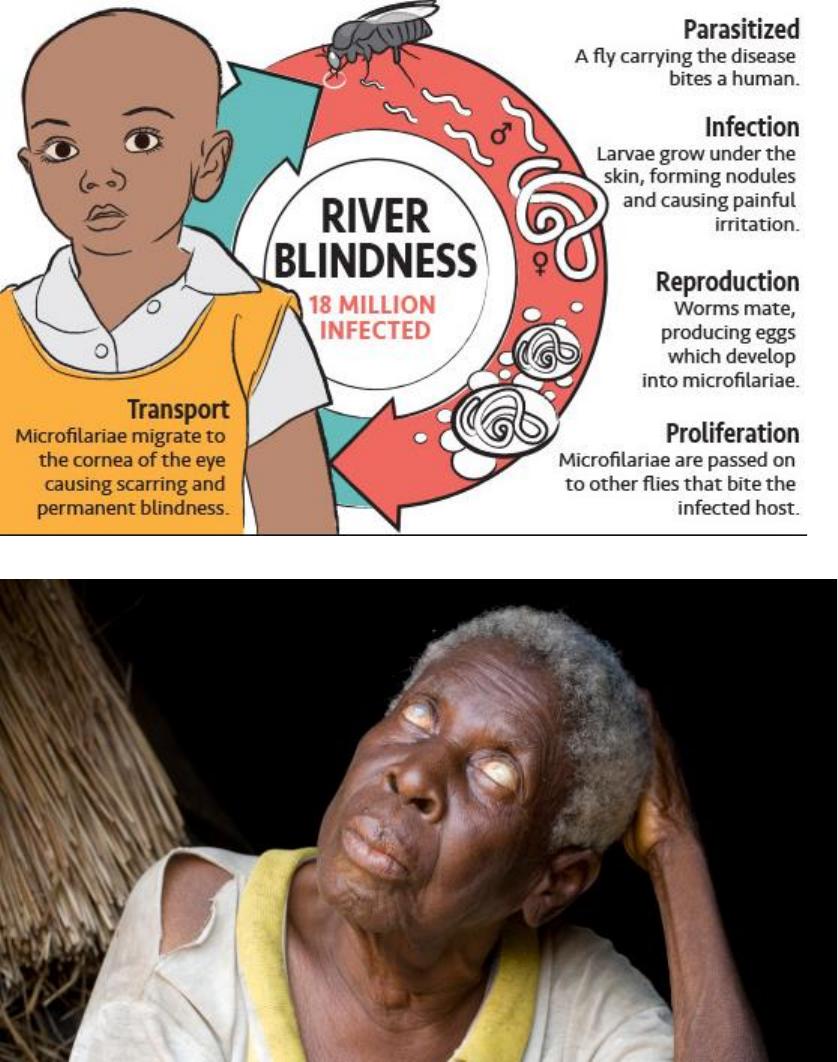
“The disease onchocerciasis, known as river blindness, is caused by parasitic worms that live in
the small black flies that breed in and about fast-moving rivers in developing countries in the
Middle East, Africa, and Latin America” (Trevino & Nelson, 2014). Merck & Co have
developed a drug that they suspect can eliminate the disease ‘river blindness’ and must make a
decision on whether or not they will pursue the research at a cost of ~$200 million and ~12 years
even though they know they will not be profitable as the drugs will be administered to very low
income areas. The report below analyzes the ethical dilemmas of each decision and provides a
recommendation based on the facts of the case along with business ethics concepts.
Introduction
Merck & Co. is one of the largest pharmaceutical companies in the world. In the late
1970’s, Merck was testing ivermectin, a drug for animals, to see if it could effectively kill
parasites and worms. During this clinical testing, Merck discovered that the drug killed a parasite
in horses that was very similar to the worm that caused river blindness in humans. This,
therefore, was Merck’s dilemma: company scientists were encouraging the firm to invest in
further research to determine whether the drug could be adapted for safe use with humans, but
Merck knew it would likely never be a profitable product (Nelson & Trevino, 2014).
“Stakeholders are any parties with a stake in the organization’s actions or performance”
(Trevino & Nelson, 2014). Therefore in this case there are many individuals and groups that
make up all of the stakeholders. The 40 – 100 million people who suffer from river blindness