Chapter 11
Defying Legislated or Moral Laws:
Consumer Misbehavior
In This Chapter
▶ Understanding consumer misbehavior
▶ Grasping the motivations behind the misbehaviors
▶ Managing the misbehavior
In this chapter, I focus on consumer misbehavior, which is behavior that
violates laws and generally accepted norms of conduct in today’s society.
It’s important to be familiar with consumer misbehavior because it disrupts
the flow of consumption activities. And this disrupted flow can cause loss
to your business by the way of time and money. This loss can be caused by
theft or by distractions or disturbances that chase consumers away.
Consumer misbehavior is a big problem nowadays. More than $13 billion
worth of merchandise is shoplifted from retailers each year. And more than
10 million people have been caught shoplifting in the last five years. The
software industry alone loses billions of dollars annually due to pirating of
licensed material, both software and entertainment media. Identity theft has
become a huge problem as well. More than 15 million individuals were vic-
tims of identity theft in 2006 alone. Even though lawmakers have begun to
combat the problem with laws created to protect individuals from identity
theft, it hasn’t slowed this category of consumer misbehavior. In fact, it’s
growing annually. I share these alarming statistics with you in order to put
consumer misbehavior in perspective and so you can see the importance of
marketing your intolerance of consumer misbehavior.
Understanding the motives behind consumer misbehavior can be difficult. This
chapter is designed to help. In it, I explain the different types of misbehavior
and discuss the common motives that cause those behaviors. I also discuss
how the morals and beliefs of consumers influence the choice of whether to
engage in consumer misbehavior. Finally, I show you how you can adapt your
marketing strategy to aid in minimizing the occurrence and effects of consumer
misbehavior — at least, as far as they affect your business.
17_449837-ch11.indd 18317_449837-ch11.indd 183 4/1/09 12:15:40 AM4/1/09 12:15:40 AM

184 Part III: Consumers in Their Social and Cultural Settings
Discovering What Consumer
Misbehavior Is All About
Consumer behavior is all about value; the ironic thing is that consumer mis-
behavior is also based on value. The difference is the way that consumers
attempt to obtain that value: morally or immorally.
For instance, consumers who shoplift or keep excess change that’s acciden-
tally given to them, think they’re receiving value. (They’re getting something
for nothing after all!) Consumers who purchase items with bad checks also
feel they’re getting value. The truth is that other consumers suffer because of
these consumers who are exhibiting misbehavior in exchange for what they
consider value. Consumers who break societal norms and laws usually have
no remorse for how it affects other consumers.
Some folks consider consumer misbehavior to be a division of human devi-
ance, which is behavior that’s considered unacceptable and not in line with
accepted social standards. This classification is often due to the fact that
human deviance has a long history of research behind it and consumer mis-
behavior has only begun to be recognized, making the research on this topic
difficult to find. You’ll notice that throughout this chapter, the topics that I
discuss are similar to the topics studied in sociology and human deviance
research.
Recognizing the difference between
misbehavior and problem behavior
To get a complete grasp on consumer misbehavior, it’s important to note
that misbehavior isn’t the same as problem behavior. Misbehavior describes
behavior deliberately harmful to another party in the consumption process;
problem behavior refers to behaviors that are outside of the consumer’s
control. Even though the line of misbehavior and problem behavior can be
blurred, the deciding line has to do with the issue of self-control.
This difference is important to recognize because if it’s a problem outside of
the consumer’s control, there isn’t much you can do to prevent it. These are
problems that individuals would like to stop, but they find difficult to do so.
Examples include drug addiction, compulsive shopping, and alcohol prob-
lems. You can’t do much to detour these situations; it takes professional help
to intervene. However, you can take some preventive measures to stop the
misbehavior — or at least lessen the effect it has on your business.
17_449837-ch11.indd 18417_449837-ch11.indd 184 4/1/09 12:15:40 AM4/1/09 12:15:40 AM
185
Chapter 11: Defying Legislated or Moral Laws: Consumer Misbehavior
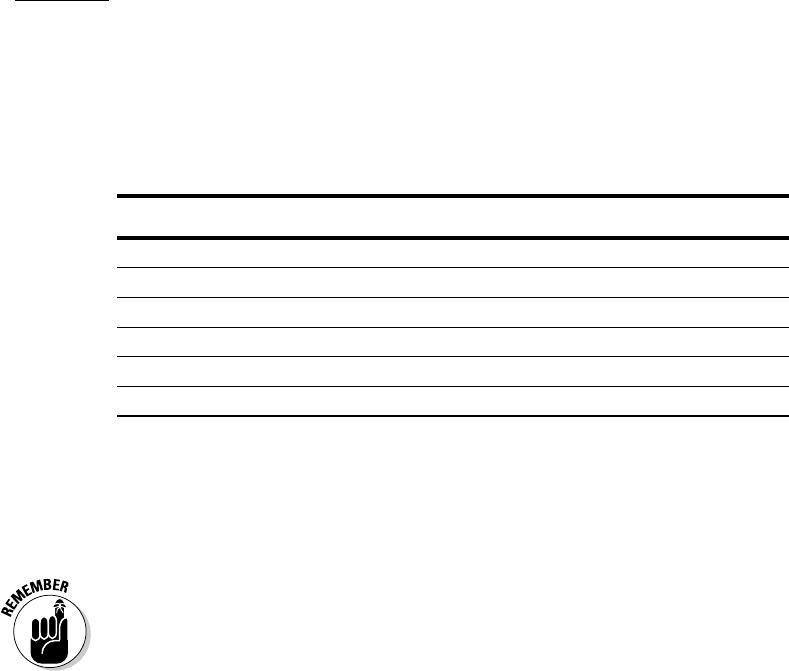
Table 11-1 shows some of the common misbehaviors and problem behaviors.
Notice that the behaviors in the left-hand column affect more than just the
person who’s participating in the behavior, and the behaviors in the right-
hand column affect only the person participating. (Also note that the behav-
iors in each row don’t correspond with one another.)
Table 11-1 Common Misbehaviors and Problem Behaviors
Consumer Misbehavior Consumer Problem Behavior
Shoplifting Compulsive buying or overspending
Fraud Eating disorders
Abusive consumer behavior Problem gambling
Dysfunctional sports behavior Binge drinking
Aggressive driving or drunk driving Drug abuse
Understanding the common forms
of misbehavior and their effects
Consumer misbehavior disrupts the consumption process. In order for the
process to occur in an orderly fashion, the expectations of the consumers,
marketers, business owners, and other consumers must coincide with one
another. If they don’t, conflicts can occur between the parties involved. These
conflicts can often cause frustration and sometimes even the loss of a sale.
For example, when you go shopping the day after Christmas, you expect
to wait in line to make your purchases. You hope that your wait won’t be
a lengthy one and that management does all it can to ensure that the wait
isn’t long. Management expects customers to conduct themselves in an
orderly fashion, keep their places in line, and wait their turns to check out.
Customers expect the same from each other. When you see consumers
become disruptive and abusive by cutting in line or exhibiting rude behav-
ior, it makes you feel uncomfortable — the nice, tidy process is disrupted.
Similarly, the process is disrupted by shoplifters and consumers that write
bad checks, because these behaviors increase your costs.
Some of the most common acts of consumer misbehavior include the ones I
explain in the following sections.
17_449837-ch11.indd 18517_449837-ch11.indd 185 4/1/09 12:15:40 AM4/1/09 12:15:40 AM
186 Part III: Consumers in Their Social and Cultural Settings
Shoplifting
Shoplifting is officially understood to be theft of goods from a brick-and-
mortar store. Thousands of dollars are lost daily from the act of shoplifting.
This misbehavior affects all consumers because it increases the prices to
cover store losses.
Computer fraud
Computer fraud refers to any activity conducted illegally by using a computer
and Internet technology. Here are some of the main forms of computer fraud:
✓ Identity theft: This is the theft of another person’s name and private
information by another individual for the sole purpose of stealing their
identity to open credit card accounts or other financial accounts. The
increased reliance on the Internet and technology has contributed to the
rapid spread of identity theft. This type of fraud costs businesses thou-
sands of dollars. Businesses also suffer because of liability suits, fines,
and the loss of clientele that occurs when their security is breached.
✓ Illegal downloading of electronic material: Improvements in technolo-
gies have enhanced the ability for consumers to participate in the shar-
ing of illegal software, video games, and music. Consumers often can
illicitly download electronic material from a number of sources, such
as peer-to-peer networks. Consumers have been provided with alterna-
17_449837-ch11.indd 18617_449837-ch11.indd 186 4/1/09 12:15:40 AM4/1/09 12:15:40 AM
17_449837-ch11.indd 18717_449837-ch11.indd 187 4/1/09 12:15:40 AM4/1/09 12:15:40 AM
17_449837-ch11.indd 18817_449837-ch11.indd 188 4/1/09 12:15:40 AM4/1/09 12:15:40 AM
17_449837-ch11.indd 18917_449837-ch11.indd 189 4/1/09 12:15:40 AM4/1/09 12:15:40 AM
17_449837-ch11.indd 19017_449837-ch11.indd 190 4/1/09 12:15:40 AM4/1/09 12:15:40 AM
17_449837-ch11.indd 19117_449837-ch11.indd 191 4/1/09 12:15:40 AM4/1/09 12:15:40 AM
17_449837-ch11.indd 19217_449837-ch11.indd 192 4/1/09 12:15:40 AM4/1/09 12:15:40 AM
17_449837-ch11.indd 19317_449837-ch11.indd 193 4/1/09 12:15:40 AM4/1/09 12:15:40 AM
17_449837-ch11.indd 19417_449837-ch11.indd 194 4/1/09 12:15:40 AM4/1/09 12:15:40 AM
17_449837-ch11.indd 19517_449837-ch11.indd 195 4/1/09 12:15:41 AM4/1/09 12:15:41 AM
17_449837-ch11.indd 19617_449837-ch11.indd 196 4/1/09 12:15:41 AM4/1/09 12:15:41 AM