DISCLOSURE FRAMEWORK (ANNUAL REPORT 2014)
THE GENERAL QUALITATIVE DISCLOSURE
Risk Management:
Risk Management encompasses all the activities
that affect its risk domain. Risks are generally
defined by the adverse impact on profitability of
several distinct sources of uncertainty.
National Bank attaches highest priority to
establish, maintain and upgrade risk management
infrastructure, systems and procedures. Adequate
resources are allocated in this regard to improve
skills and expertise of relevant employees to
enhance their risk management capacity. The risk
management guideline and other policies and
procedural guidelines are approved by the Board
of Directors of NBL and it is regularly reviewed to
bring these up to the finest satisfaction level.
The degree and types of risk that a bank faces
depend upon a number of factors such as its size,
complexity of business activities, volume
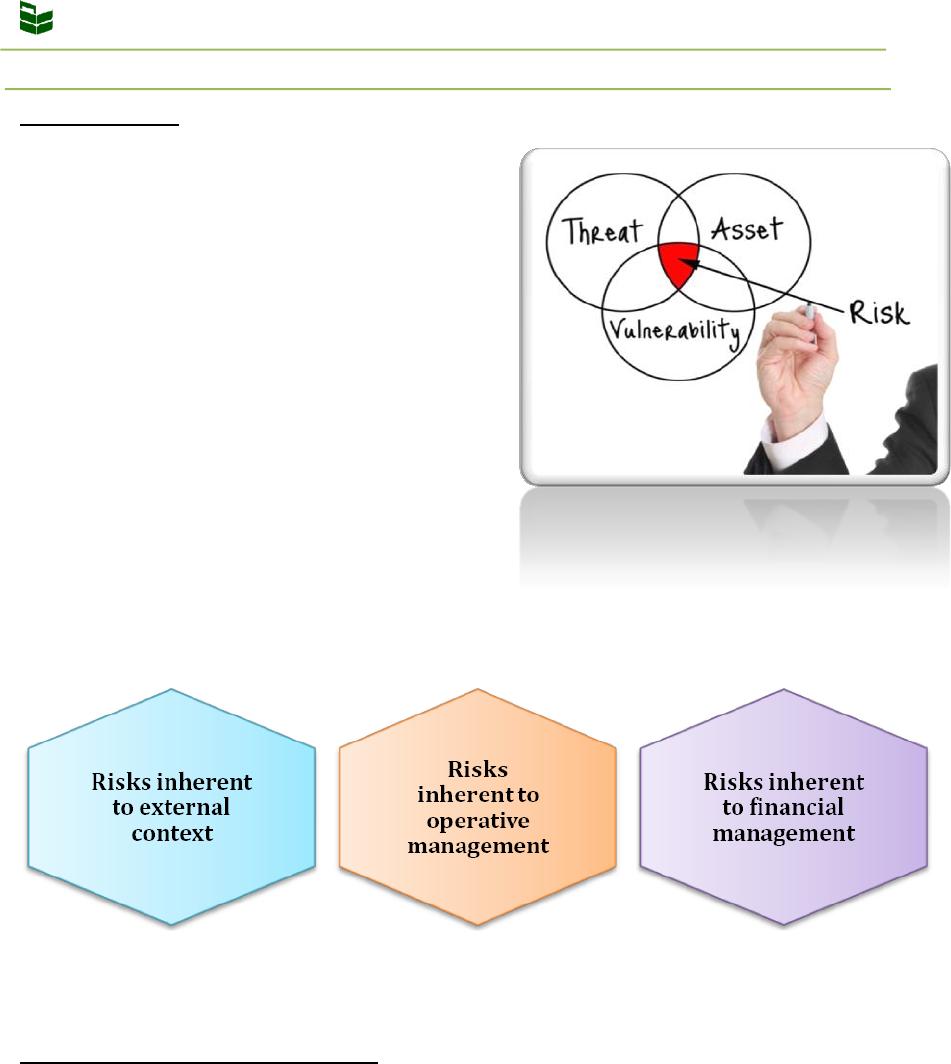
technology operations etc. Risks are normally classified within following 3 categories:
Every single risk may contribute to direct and/or indirect damage to the bank, and business
with financial implications that may be an issue in the short, medium and long term.
Risk Management Framework:
NBL has designed a risk management framework and governance structure to achieve an
appropriate balance between risk and return. The risk management framework consists of a
comprehensive set of policies, standards, procedures and processes designed to identify,
measure, monitor, mitigate and report significant risk exposures in a consistent and effective
manner across the bank. The Risk Management Policy Guidelines duly approved by the Board of
Directors of the bank lays down the total spectrum of risk management in the bank.
The primary goals of risk management are to ensure that the outcomes of risk-taking activities
are consistent with Bank’s strategies and risk appetite, and that there is an appropriate balance
between risk and return in order to maximize shareholder returns.
2
The framework is subject to constant evaluation to ensure that it meets the challenges and
requirements of the global markets in which the NBL operates, including regulatory standards
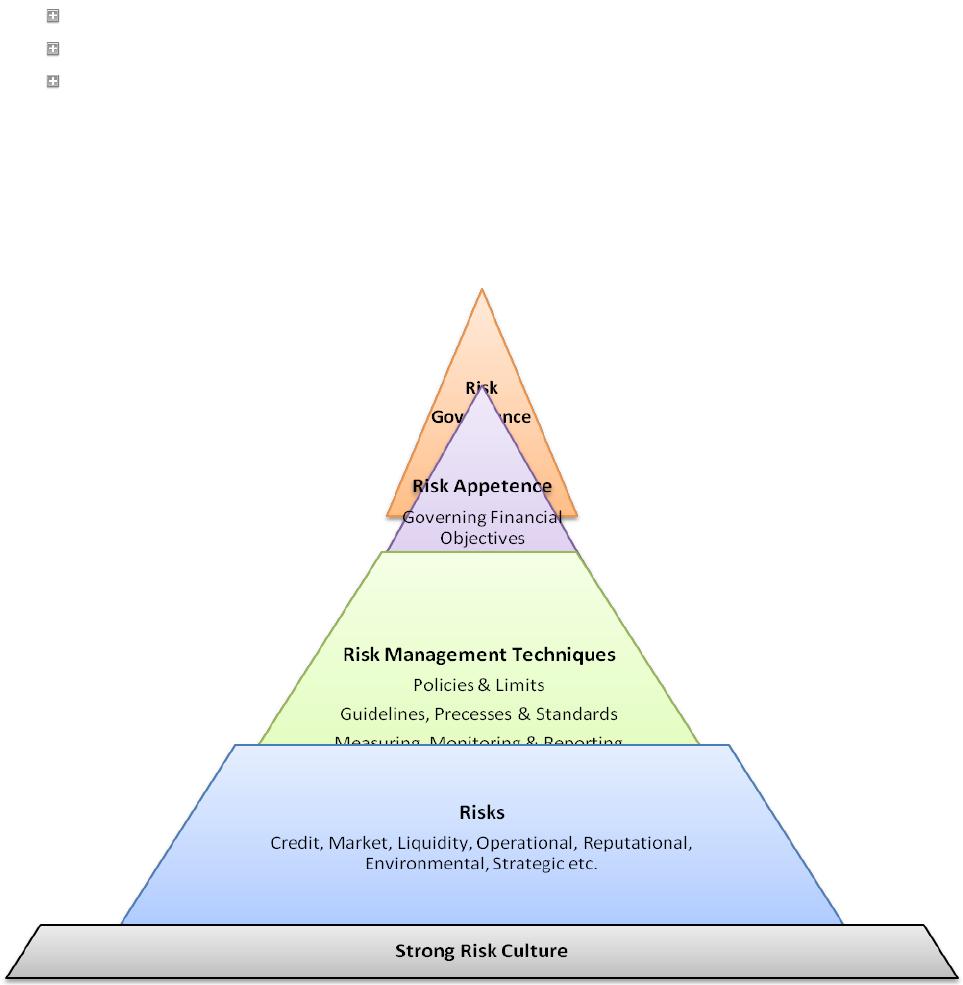
and industry best practices. The Bank’s risk management framework is working on the basis of
the above three key elements:
Risk Governance
Risk Profile/Risk Appetite, and
Risk Management Technique
Recognizing the impacts of internal and potential risk domains, the bank has laid down different
risk managements processes consisting of definition, identification, analysis, measurement,
acceptance and proper management of risk profile.
3
Risk Governance:
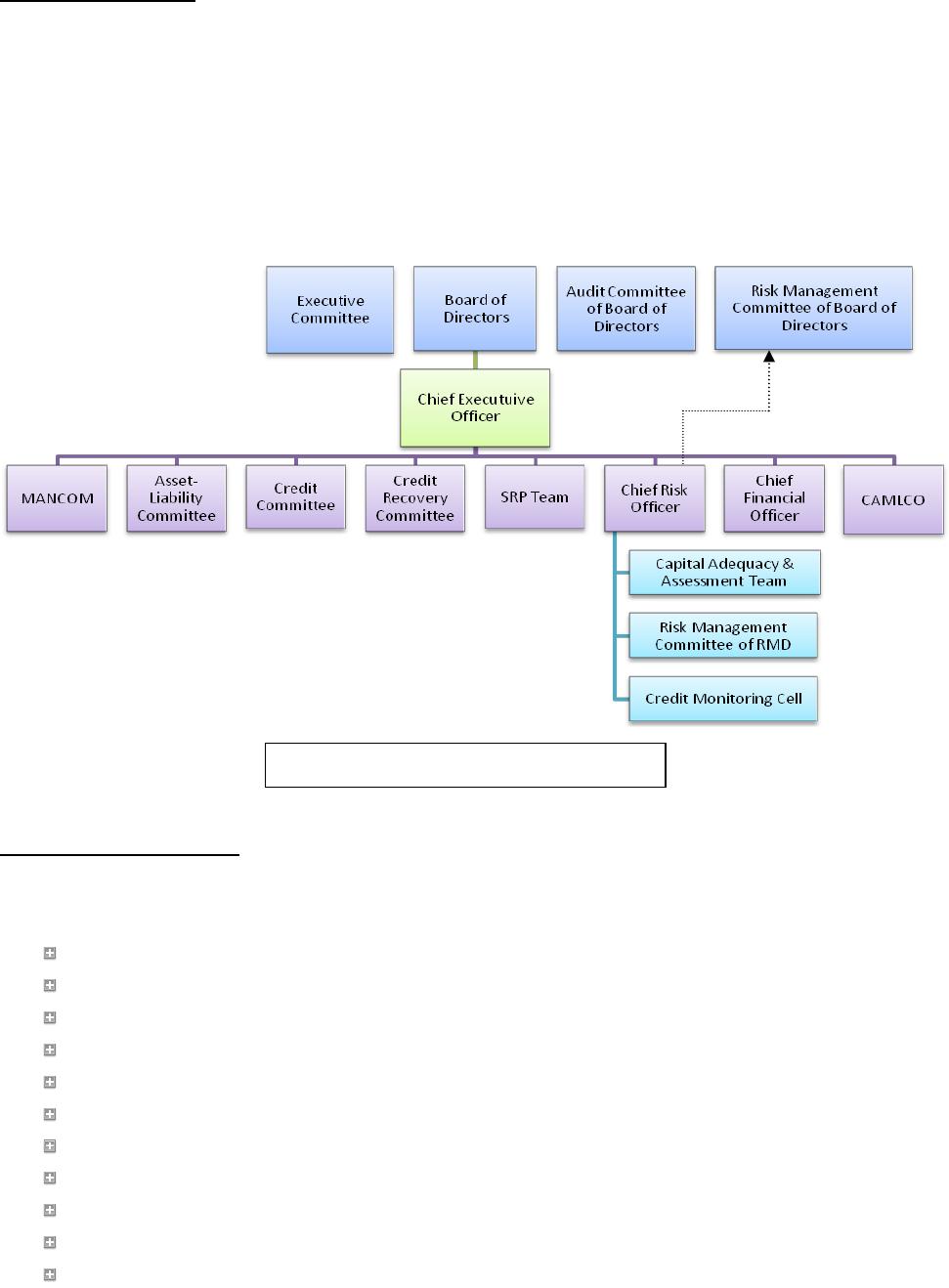
The Bank has a well-established risk governance structure, with an active and engaged Risk
Management Committee of the Board of Directors/ Board of Directors supported by an
experienced senior management team and risk management group that is independent of the
business lines. Decision-making is centralized through a number of senior and executive risk
management committee. Bank’s risk governance structure is as follows:
Bank’s Risk Strategy:
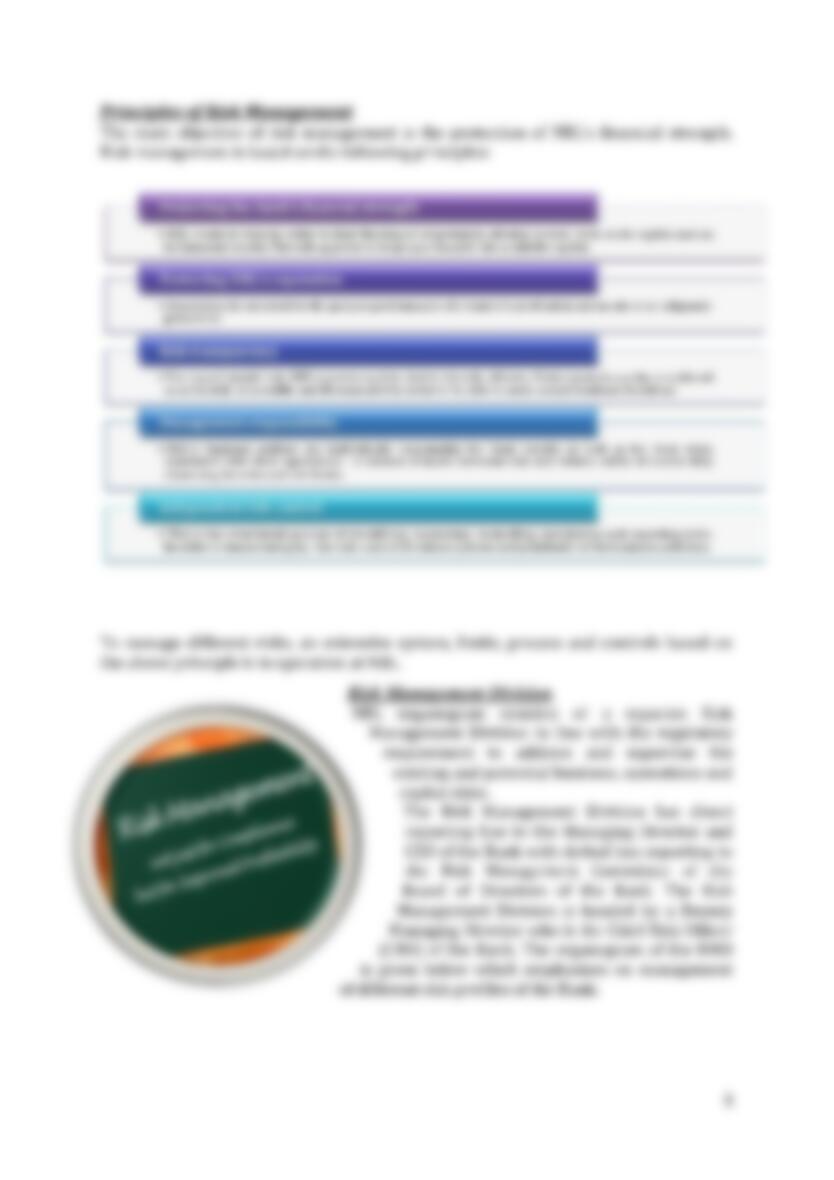
The Bank’s risk strategy is supported by the following key principles:
Diversity, quality and stability of earnings
Sustainable earnings growth
Focus on core business, with disciplined and selective strategic investments
Maintaining Capital to Risk Weighted Asset Ratio (CRAR)
Maintaining strong external credit ratings
Strong leadership contributes to strategic success
Clear accountability, strong governance, and a robust risk culture
Risk are understood, measurable and manageable
Dedicated attention to credit, market, liquidity, and operational risks etc.
Careful consideration of reputational, environmental, and other risks
Maintaining operational control and efficiency
Risk Governance Structure of NBL
4
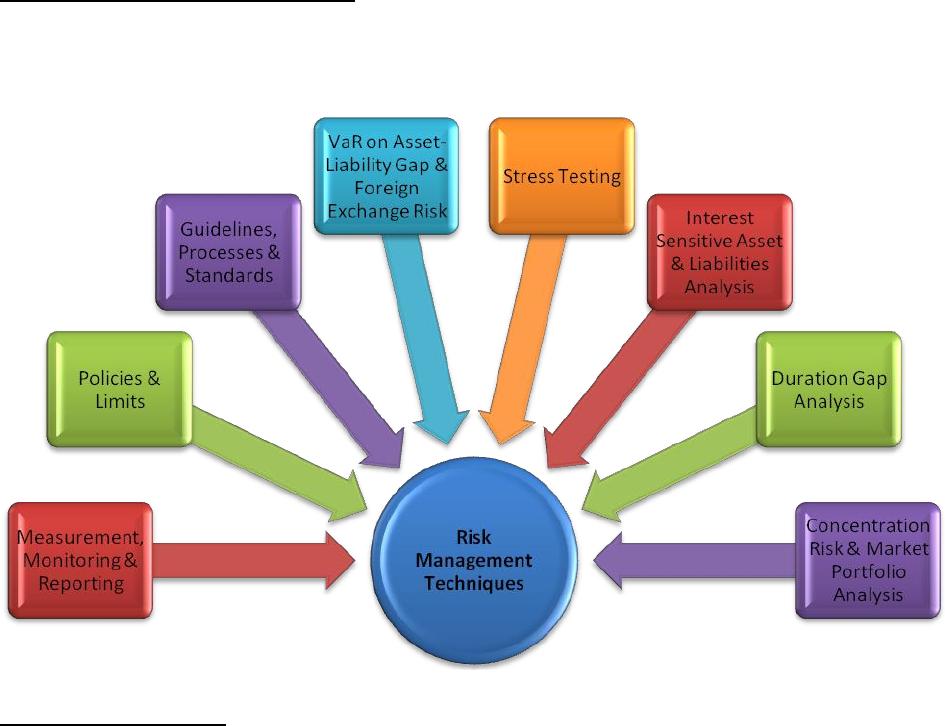
Risk Management Techniques:
Effective risk management includes techniques that are guided by the Bank’s overall risk
framework and integrated with the Bank’s strategies and business planning process.
Policies and Limits:
Policies
Apply to specific types of risk or to the activities that are used to measure and control risk
exposure. They are based on recommendations from risk management, internal audit, business
lines, and senior executive management. Industry best practices and regulatory requirements
are also factored into the policies. Policies are guided by the Bank’s risk framework, risk
appetite, and set the limits and controls within which the Bank and its subsidiaries operates.
Key risk policies are approved by the Board of Directors.
Limits
Control risk-taking activities within the tolerances established by the Board and senior
executive management. Limits also establish accountability for key tasks in the risk-taking
process and establish the level or conditions under which transactions may be approved or
executed.

5
Guidelines, Processes and Standards:
Guidelines
Guidelines are the directives provided to implement policies. Generally, they describe the
facility types, aggregate facility exposures and conditions under which the Bank is prepared to
do business. Guidelines ensure that the Bank has the appropriate knowledge of clients,
products, and markets and that it fully understands the risks associated with the business it
underwrites. Guidelines may change from time to time, due to market or other circumstances.
Risk taking outside of guidelines usually requires approval of the Bank’s senior management
committees.
Processes
Processes are the activities associated with identifying, evaluating, documenting, reporting and
controlling risk.
Standards
Define the breadth and quality of information required to make a decision, and the expectations
in terms of quality of analysis and presentation. Processes and standards are developed on
overall bank-wide basis, and documented in a series of polices, manuals and handbooks. Key
processes cover the review and approval of new products, model and stress testing.
Measurement, Monitoring, and Reporting:
Measurement
Risk measurement techniques include the use of models and stress testing. The Bank uses
models for a range of purposes including estimating the value of transactions, risk exposures,
credit risk ratings and parameters, and economic and regulatory capital. The use of quantitative
risk methodologies is balanced by a strong governance framework and includes the application
of sound and experienced judgment.
Regular Monitoring
Ensures that business activities are within approved limits or guidelines, and are aligned with
the Bank’s strategies. Breaches, if any, of these limits or guidelines are reported to senior
management.
Risk Reports
Aggregate measures of risk across products and business, and are used to ensure compliance
with policies, limits, and guidelines. They also provide a clear statement of the amounts, types,
and sensitivities of the various risks in the Bank’s portfolios. Senior management and the Board
use this information to understand the Banks’ risk profile and the performance of the portfolios.
6
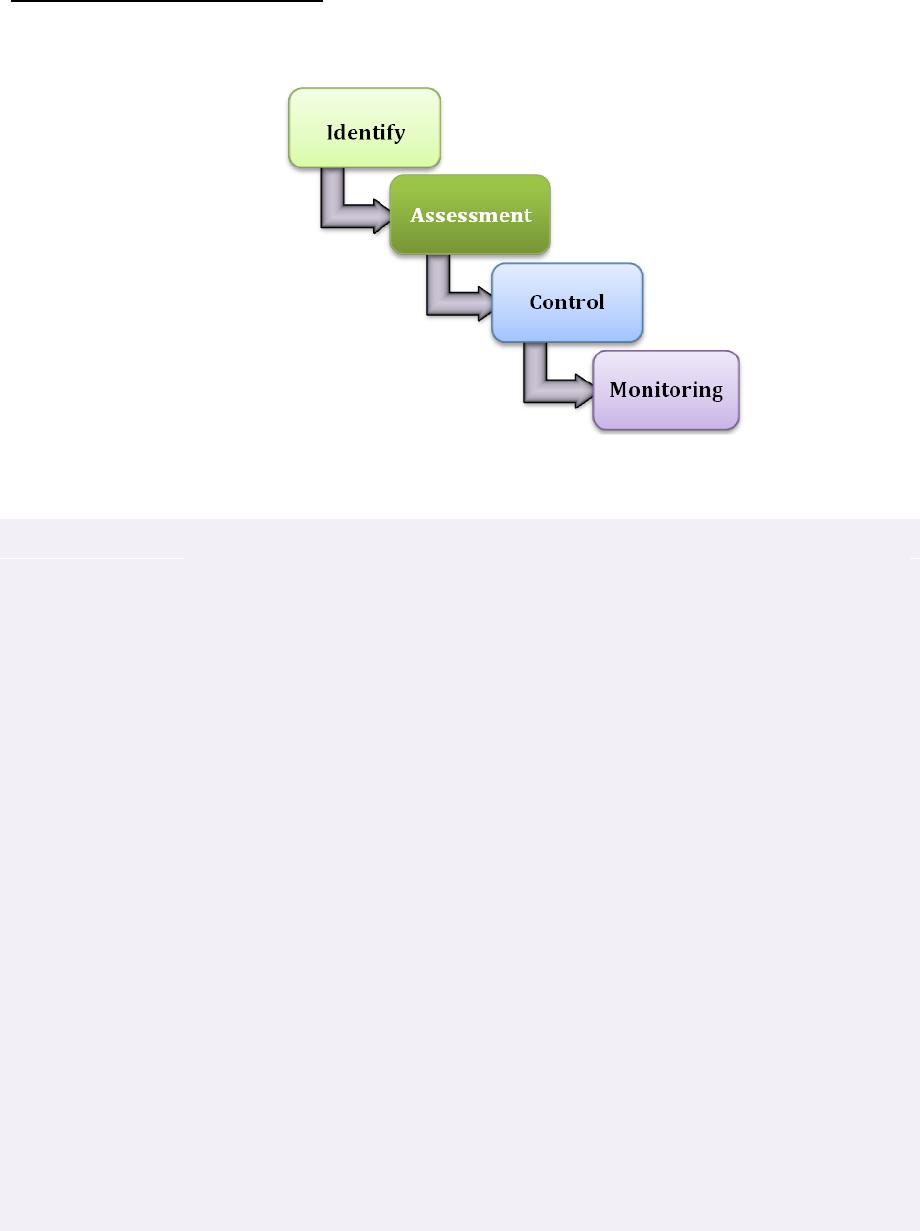
Risk Management Process:
Following are the components of the Risk Management Process
Steps
Activity
Identify
Establish the process for identifying and understanding business-
level risks
Assess
Agree and implement measurement and reporting standards and
methodologies.
Control
Establish key control processes and practices, including limit
structures, impairment allowance criteria and reporting
requirements
Monitoring
Monitor the operation of the controls and adherence to risk direction
and limits.
Provide early warning of control or appetite breaches
Ensure that risk management practices and conditions are
appropriate for the business environment.
Report
Interpret and report on risk exposures, concentrations and risk-
taking outcomes.
Interpret and report on sensitivities and Key Risk Indicators.
Communicate with external parties
Manage
Challenge
Review and challenge all aspects of the risk profile
Assess new risk-return opportunities
Review and challenge risk management practices.

Risk Management Policy & Procedure:
Policies and procedures covering all the risk ensures that risks are properly addressed and
protected for sustainable growth of the bank. National Bank has approved policies and
procedures in line with the Bangladesh Bank’s Guidelines on managing Core Risks on Credit
Risk Management, Foreign Exchange Risk Management, Internal Control and Compliance, Asset
and Liability Management, Information Risk Management and Money Laundering Risk
Management. The Board of Directors also approved “Risk Management Guidelines of NBL” in its
350th meeting held on October 01, 2014. These policies are periodically reviewed and updated
to keep pace with the changing operating and business environment, technology and regulatory
implications.
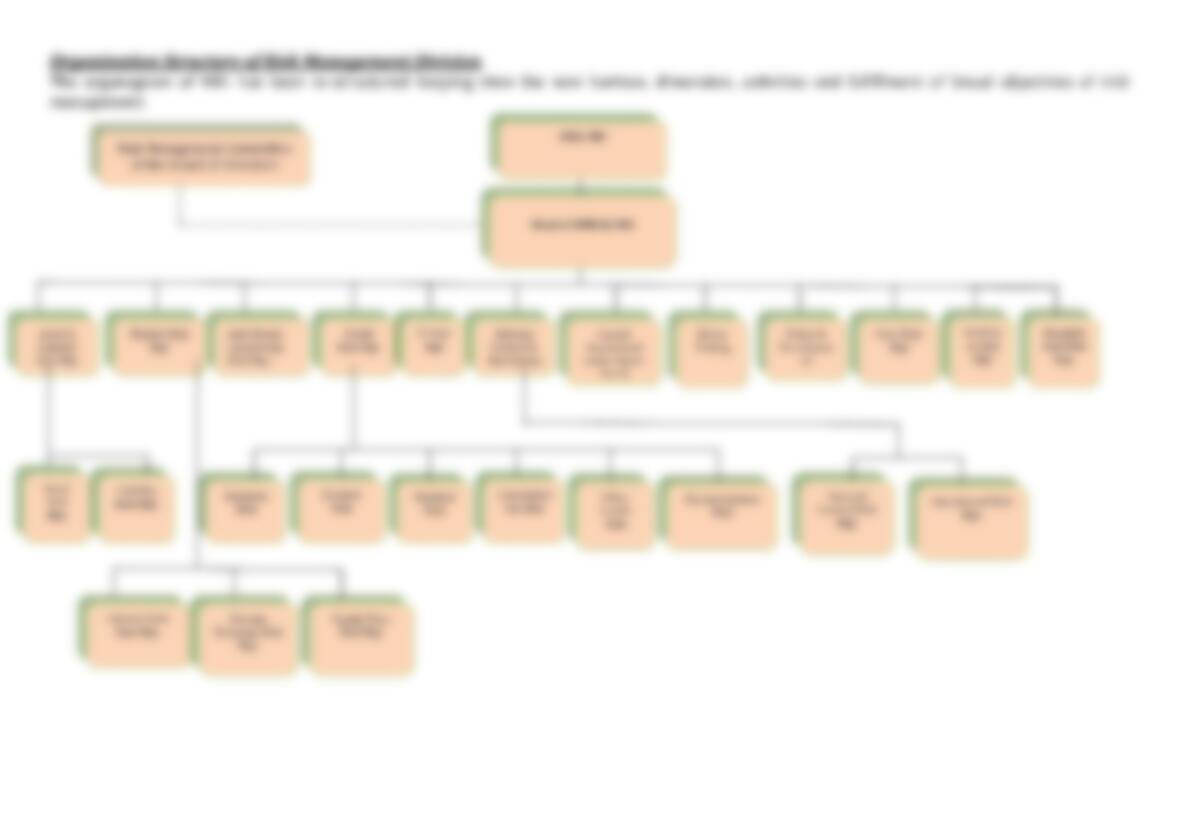
Risk Management Organization
Risk management is practiced at multiple levels within the bank. At the top, the Board of
Directors determines the risk strategy, policy principles and limits, as per
recommendation and suggestion by the Assets and Liabilities Committee (ALCO),
Management Committee as well as the Credit Committee/ Supervisory Review Process
Team [SRP]. The MANCOM, ALCO& SRP regularly reviews the risk exposure of NBL’s
activities and portfolio. The MD, who is also a member of the Board, is responsible for
the implementation of NBL’s risk policy.
NBL Risk Management is responsible for the
policy regarding interest rate, market,
liquidity, currency and operational risk, as
well as for the credit risk policy at portfolio
level.