BORAQUE ERA
RESEARCH REPORT
SUBMITTED BY: Mahnoor Zehra
SUBMITTED TO: SARAH MIR
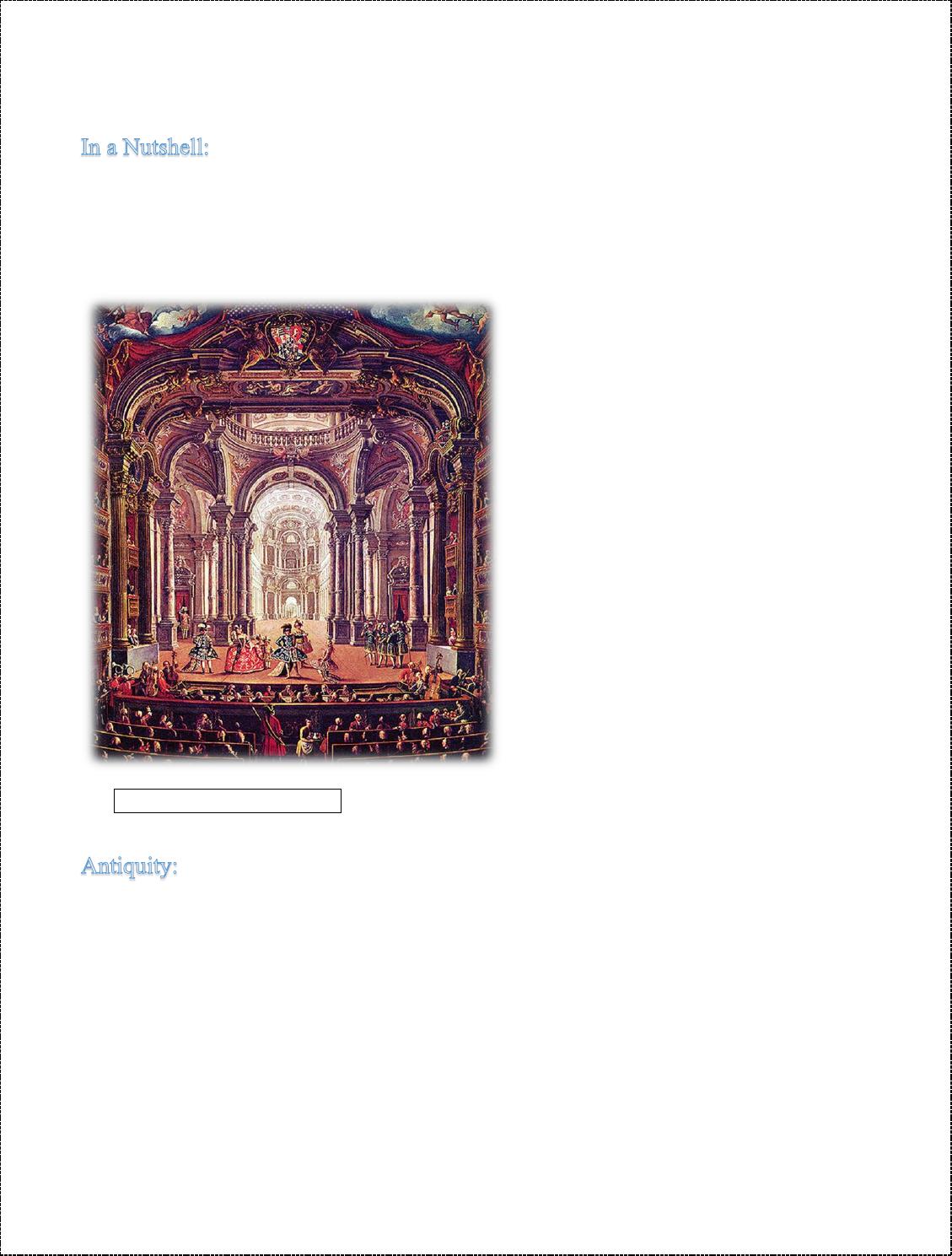
Baroque Era
The term extravagant originates from the Portuguese barroco, or “oddly shaped pearl,” which
was utilized for the design and fine art that was being made at that time. The Baroque Era
occurred between around 1600 and 1750, appeared differently in relation to the limitation and
soundness of the Renaissance.
The Royal Theater In Turin
The Baroque period in art has a rather Fascinating beginning during the mid-1500s is the
Catholic Church threatened by the increasing conversation of the population to Lutheranism. The
Church convened the council of Trent which took place from 1545 to 1563. At the council of
Trent religious reforms were being questioned, proposed and reconsidered. Martin Luther
scathing criticism of the church found supporters everywhere. As a response, the church
launched an advertising blitz reiterating and reaffirming its fundamental teachings to combat the
protestant criticisms that were turning the public away from Catholic church. Since winning over
a few educated intellectuals who were able to read at the time would not make a big difference in
maintaining the power of the Catholic Church. The uneducated masses were targeted. Since the
majority of people could not be reached via the written word to inspired them to stay loyal. The
Catholic Church and its teaching would require a medium that did not require literacy. The
Church embarked on a systematic religious advertising campaign using art. This marked the
beginning of the Baroque Era.
In Baroque era, the images baroque artist created were realistic, intense and extravagant. Vivid
use of color was becoming a more dramatic feature and the different elements and figured of a
composition could be overlapped instead of vexing isolated in the center of the work.
In the early years, the term “Baroque” was actually derogatory to call something. Baroque meant
that opt was considers overly exaggerated and filled with unflattering details like warts and
wrinkles. This offended viewers in critic who were used painstaking realism of the Renaissance.
Baroque paintings show a wide range of styles and artistic influences. They are dramatic and
offer rich details. Beautiful deep shades of color and honest realism.
Baroque artist typically painted pictured that captures the ultimate dramatic moments that
showed unfolding events taking place in real time. Among these are famous names such as
Rembrandt, Velasquez, Rubens, Poisson, Vermeer and Caravaggio.
One thing is very clear when you look at the artwork created by these Baroque masters, their
objective was to evoke the spirituality within to encourage the viewer to connect with the scene
that was depicted and to cement belief in God’s compassion for mankind.
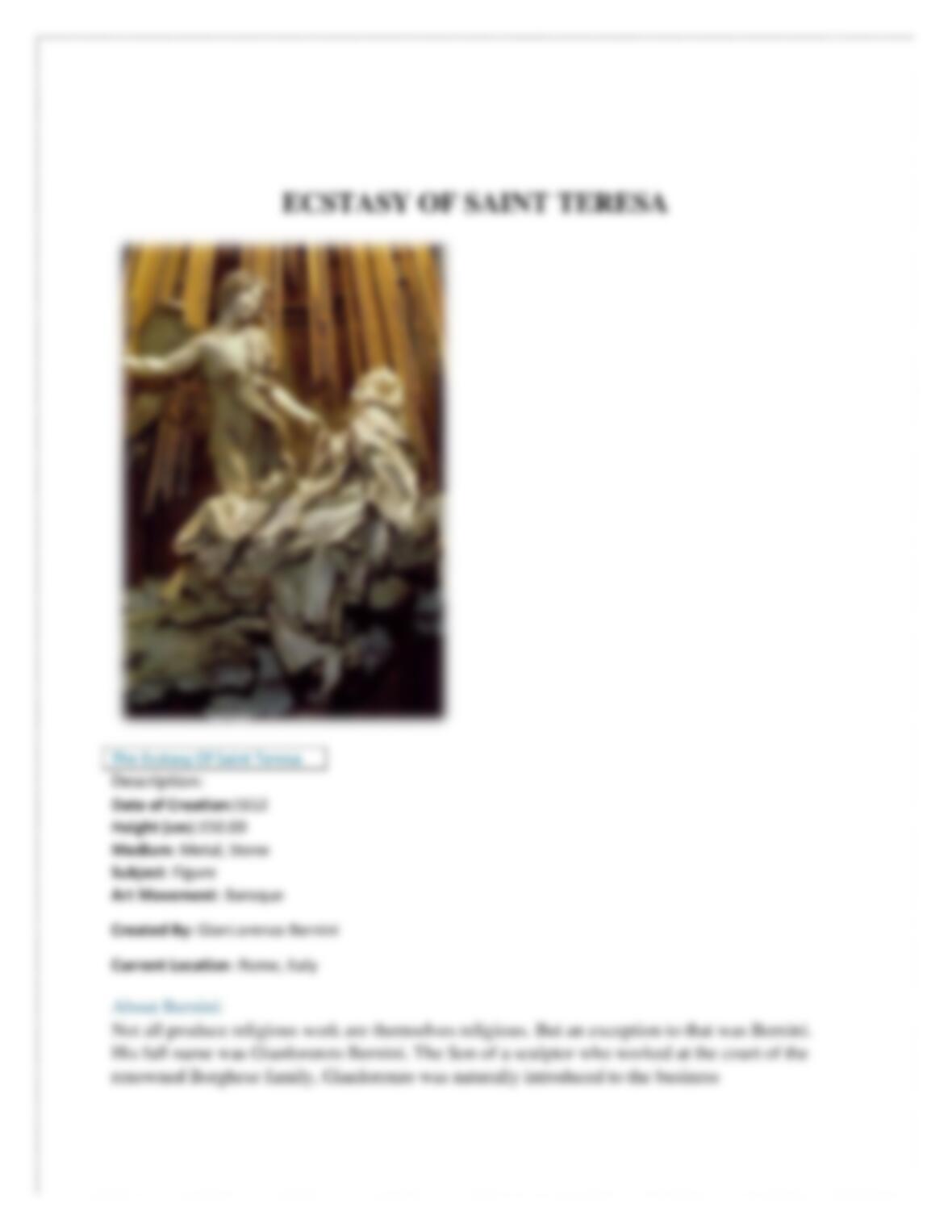
Metaphorical bronze and marble figures delivered during this period depict an enthusiasm for
dynamism. Through twirling outlines, turned forms, and streaming curtain, artists like Bernini
had the option to bring out development. Included components like water apparatuses regularly
improved this dramatic methodology.
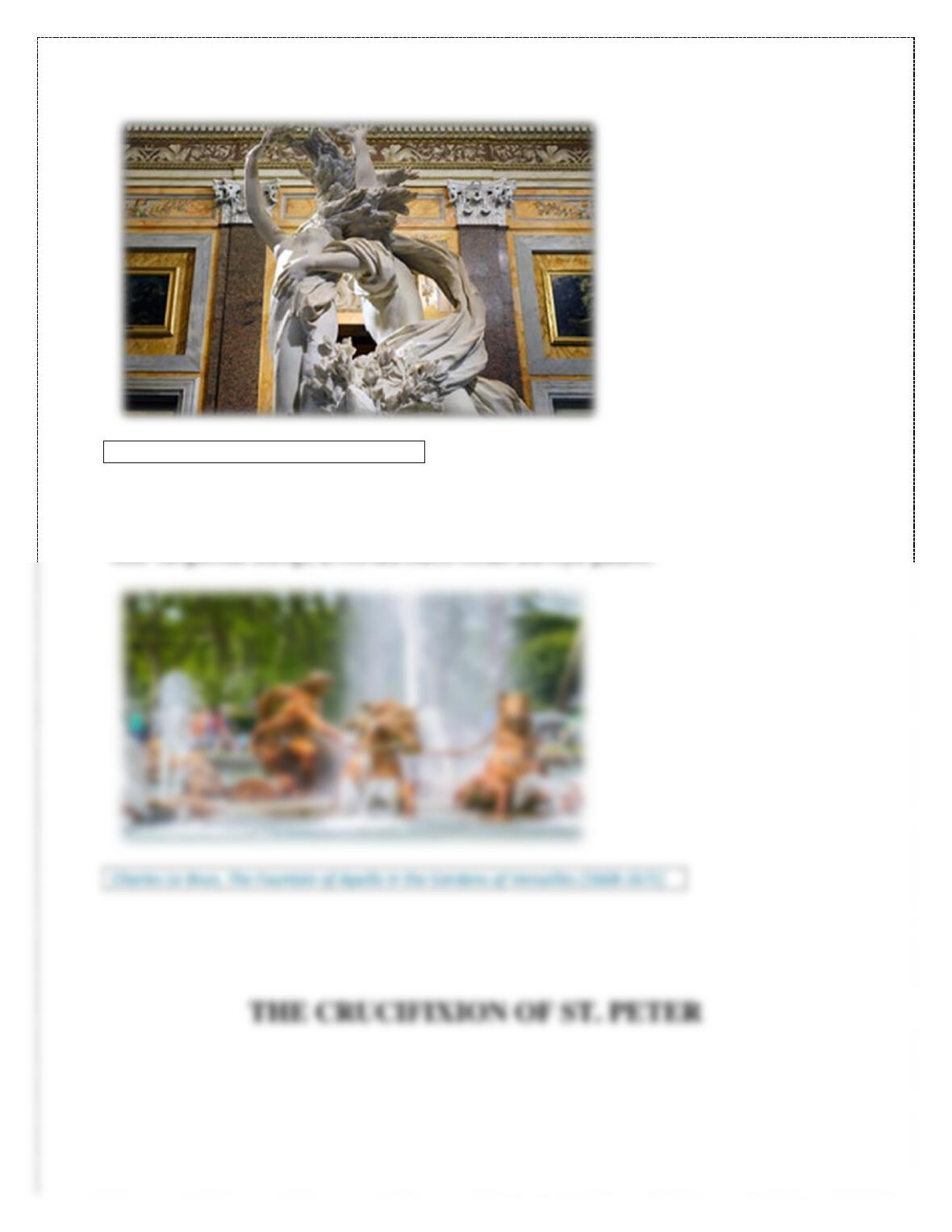
Bernini, ‘Apollo and Daphne’ (1622-1625)
Like Renaissance sculptures—including Michelangelo’s notable David—Baroque figures were
regularly proposed to embellish impressive structures. They additionally were authorized for