A risk assessment enables an organization, or a group of organizations, to identify
risks, the severity of each risk, and to explore solutions to reduce the impact of
risks. Risk Assessment is always associated with any business and our business is
not an exception. It can be defined as the process of determining the maximum
acceptable level of overall risk for engaging in our business activities. Its
perspectives differ from one company to the other, whether large or small firms,
which have different tactical management goals. The substance of risk
management is larger and far away from other issues now, in particular, long-term
and short-term financing restrictions. Conducting a risk assessment will also give
the chance to ensure that the benefits of the project merit the risk incurred. In some
specific circumstances the risks can be much higher and the consortium
development will be stopped. However, at some stage our business needs funds
from external sources and entrepreneur need to answer the investors’ questions.
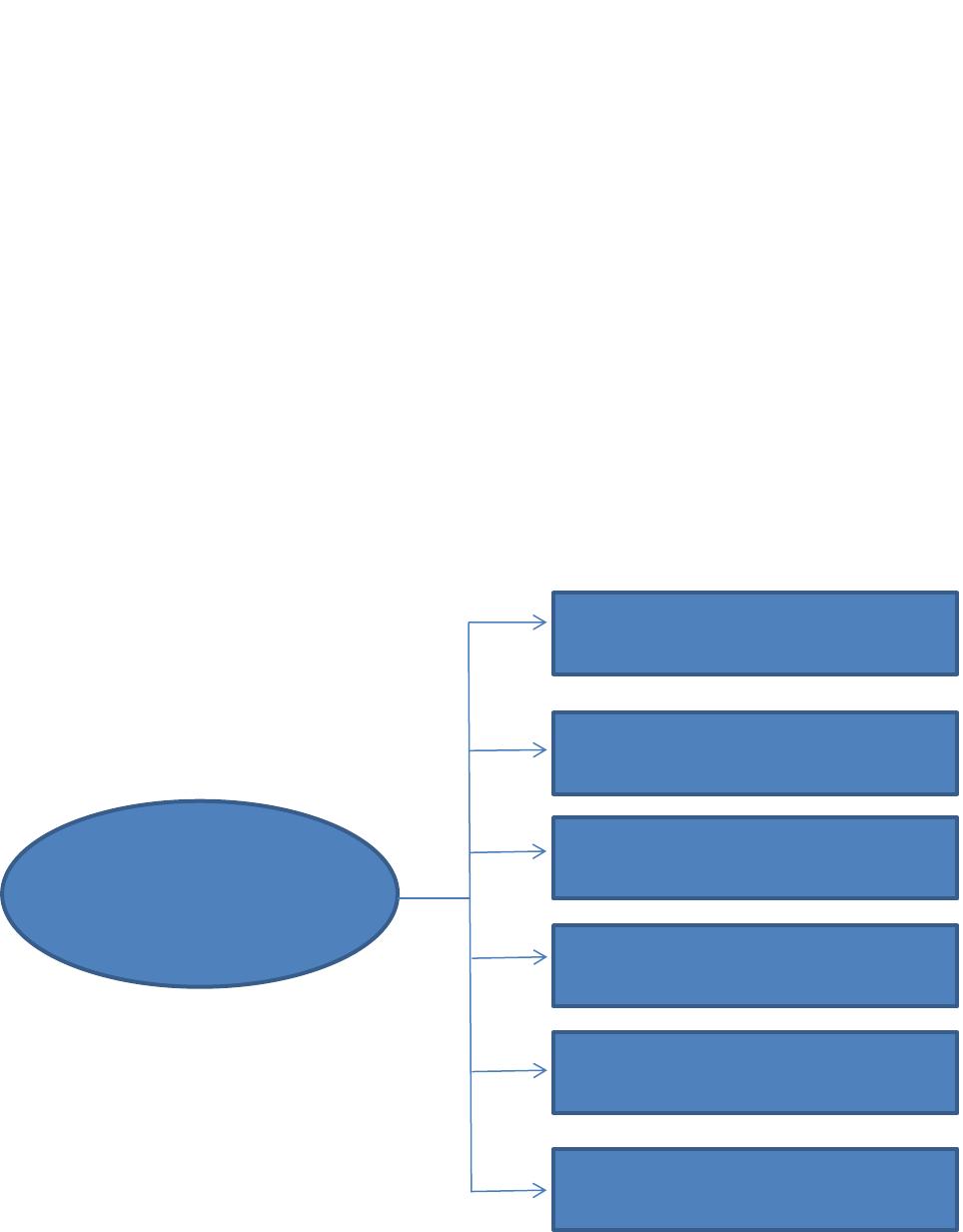
Regulatory Risk
New in Market
Lack of experience
Assessment of
Risk
Competition Risk
Financial risk
Technical Risk
New in market
As our company “Achekon & Paws Co.” is new in market it has some weaknesses
itself. Therefore, consumers will not find our product good enough to shift loyalty.
Firstly, customer perceived risk in which customers feel uncertain or fearful and
doubt whether a new product can meet their needs and expectations. The second is
changing needs of customers. Customers’ needs can change conforming to the
present day technology and their shortage of comprehension of the new product in
the market. Thirdly, prediction, it is getting hard to forecast and predict potential
sales volume of new products. The prediction of future earnings and possible profit
does not base only on prognosticating the total number that can be sold, but also on
prognosticating upcoming costs of prices, price elasticity and productions.
Although it seems tough and compound, market risk still can be controlled by
prompt, dependable and well-grounded knowledge about customer’s likings or
preferences and requirements. These are the most important and crucial types of