1-1
Lecturer: Assoc. Prof. Phạm Đức Cường, PhD.
School of Accounting and Auditing
The National Economics University
ADVANCED ACCOUNTING
REQUIRED TEXTBOOK
Advanced Accounting (2015) by Joe B.
Hoyle; Thomas F. Schaefer & Timothy S.
Doupnik. 12th edition.
2
1
2

1-2
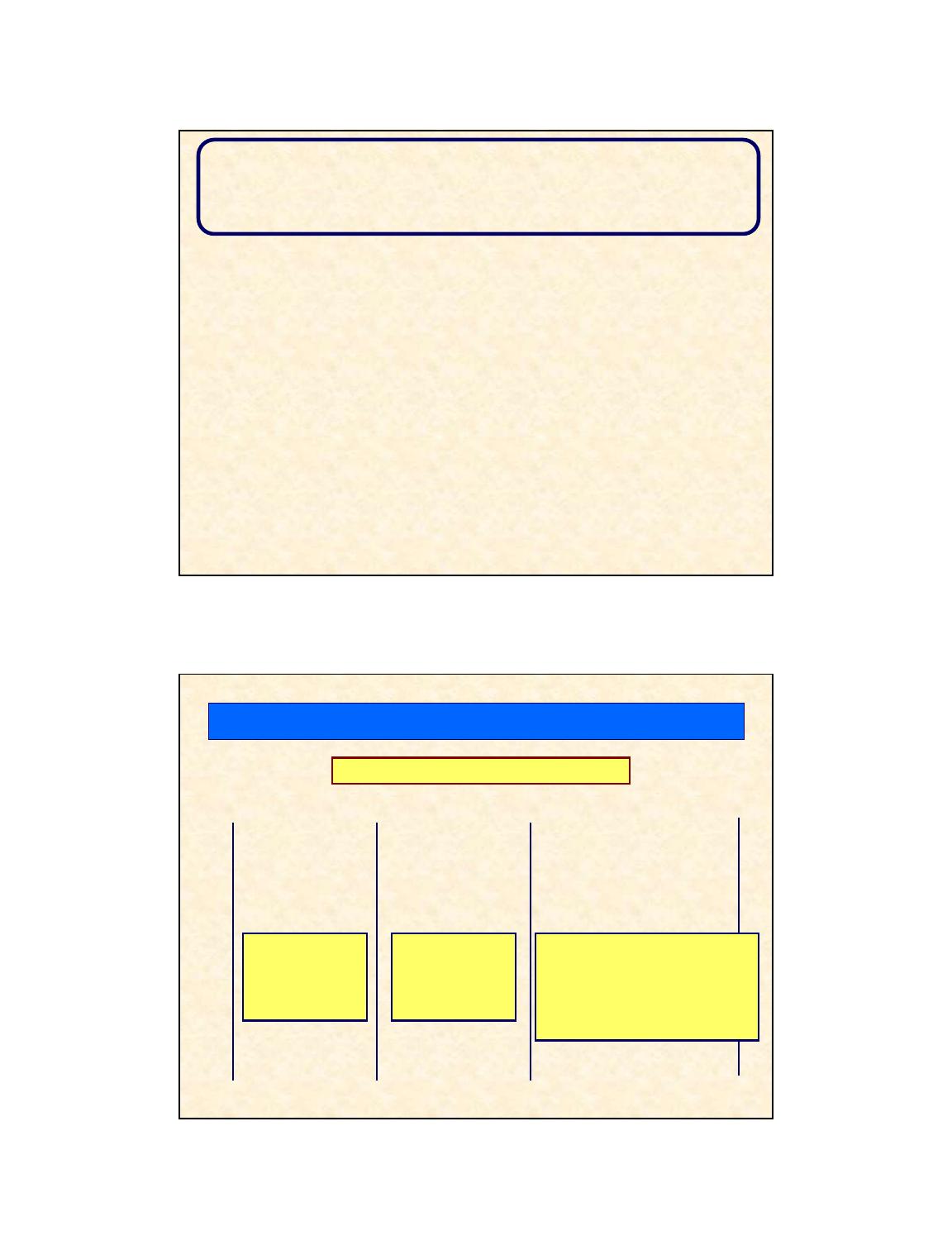
Chapters will be covered
Chapter 1: The Equity Method of Accounting for Investments
Chapter 2: Consolidation of Financial Information
Chapter 3: Consolidations – Subsequent to the Date of Acquisition
Chapter 4: Consolidated Financial Statements and Outside Ownership
Chapter 5: Consolidated Financial Statements – Intra-Entity Asset Transactions
Chapter 6: Variable Interest Entities, Intra-Entity Debt, Consolidated Cash Flows, and
other issues
Chapter 9: Foreign Currency Transactions and Hedging Foreign Exchange Risk
Chapter 10: Translation of Foreign Currency Financial Statements
Chapter 14: Partnerships: Formation and Operation
Chapter 15: Partnerships: Termination and Liquidation
1-3
Assessment Scheme
Attendance and Quiz (3 quizzes): 10%
Midterm exam 1: 20%
Midterm exam 2/group assignment: 20%
Final Exam: 50%
4
3
4
1-3
Chapter One
The Equity
Method of
Accounting for
Investments
Copyright © 2015 McGraw-Hill Education. All rights reserved. No reproduction or distribution without the prior written consent of McGraw-Hill Education.
Learning Objective 1-1
Describe in general the various
methods of accounting for an
investment in equity shares of
another company.
1-6
5
6
1-4
Accounting for Investments in
Corporate Equity Securities
GAAP recognizes three ways to report investments in
other companies:
Fair-Value Method
Consolidation of Financial Statements
Equity Method
The method selected depends upon the degree of
influence the investor has over the investee.
1-7
0 ——————20% —————– 50% ———–——– 100%
No significant
influence
usually exists
Significant
influence
usually exists
Control usually
exists
Investment
valued using
Fair Value
Method
Investment
valued using
Equity
Method
Investment valued on
parent’s books using Cost
Method or Equity Method
(investment eliminated in
Consolidation)
Ownership Percentages
Investments in Equity Securities
7
8

1-5
Fair Value Method
Use when:
investor holds a small percentage (usually less
than 20%) of equity securities of investee
Investor cannot significantly affect investee’s
operations
Investment is made in anticipation
of dividends or market appreciation.
1-9
Fair Value Method
Investments classified as Trading Securities:
Held for sale in the short term.
Unrealized holding gains and losses are
included in earnings.
Investments in equity securities, when neither significant
influence or control is present, are recorded at cost and
subsequently adjusted to fair value, if determinable,
otherwise they remain at cost.
1-10
9
10

1-6
Fair Value Method
Equity securities not classified as trading securities are
classified as available-for-sale securities and reported at
fair value.
Unrealized holding gains and losses are excluded from
earnings and reported in a separate component of
shareholders’ equity as part of other comprehensive
income.
Dividends received are recognized as income for both
trading and available-for-sale securities.
1-11
Fair Value Method
FASB ASC Topic 825, Financial Instruments, allows a
special fair-value reporting option for available-for-sale
securities.
Although the balance sheet amounts for the investments
remain at fair value under this option, changes in fair
values over time are recognized in the income statement
(as opposed to other comprehensive income) as they occur.
1-12
11
12
1-7
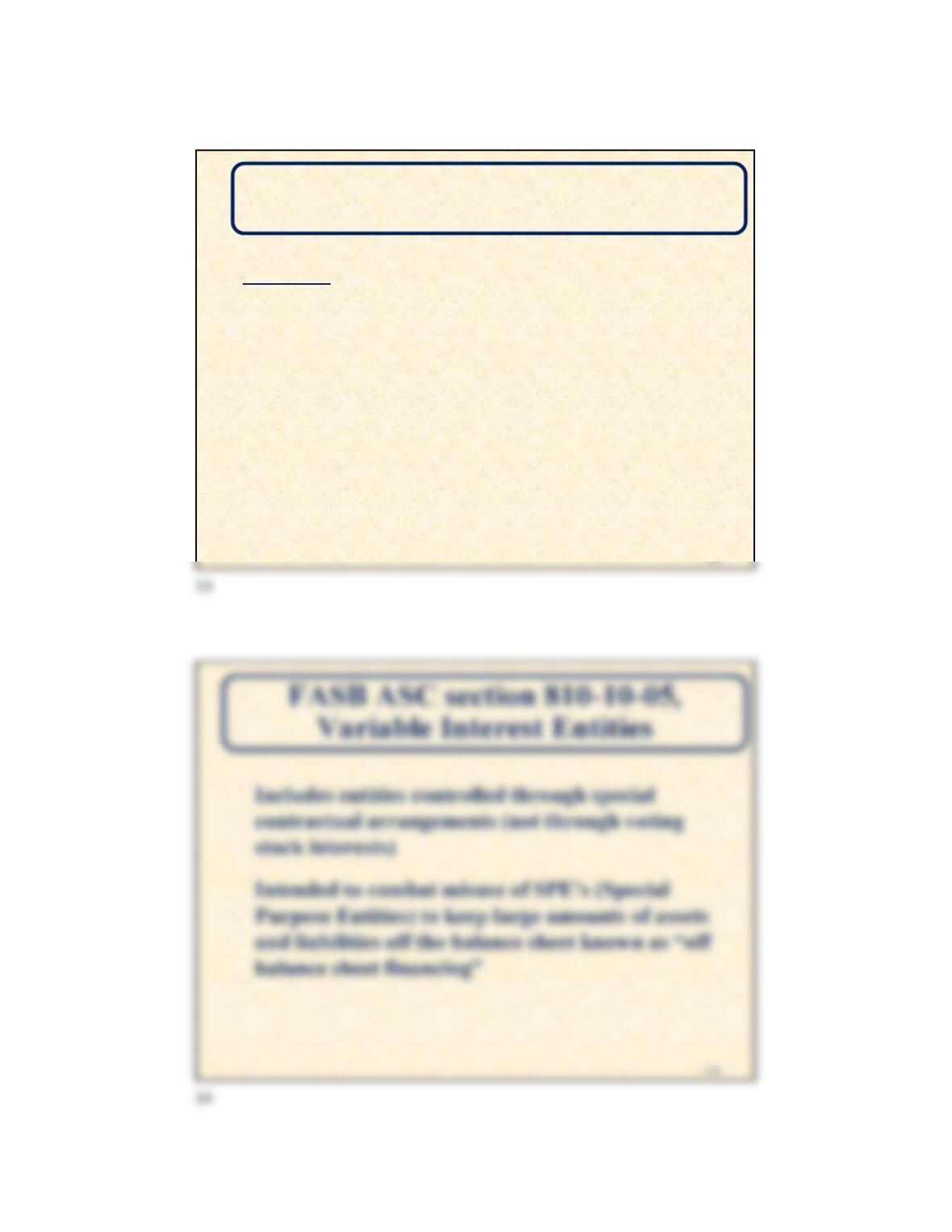
Consolidation of
Financial Statements
Required when:
Investor’s ownership exceeds 50% of
an organization’s outstanding voting stock
except when control does not rest with
the majority investor
One set of financial statements prepared
to consolidate all accounts of the parent
company and all of its controlled subsidiaries
as a single entity.