WEEK 1 – CHAPTER 1
CHAPTER 1 NOTES – August 31
1. Financial Accounting
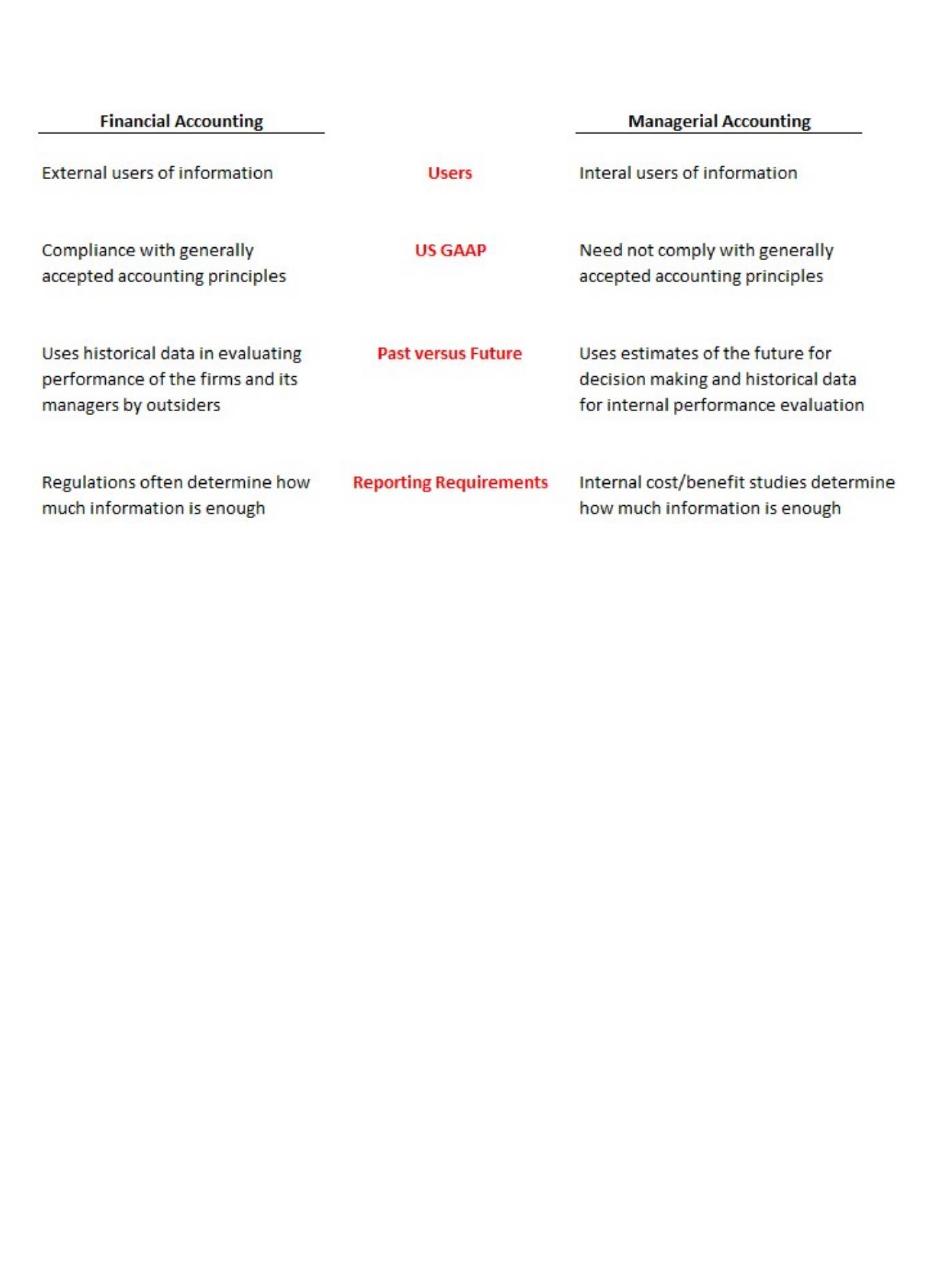
a. Users – External users of Information
b. US GAAP – Compliance with GAAP
c. Past vs. Future – Uses historical data in evaluating the performance of the firms and its
managers by outsiders
d. Reporting requirements – regulations often determine how much information is enough
2. The objective of financial accounting –
a. To present fairly, in all material respects, the statement of financial position, the results of
operations,…,and statement of cash flows in conformity with the accounting principles
Generally accepted in the US (US GAAP)
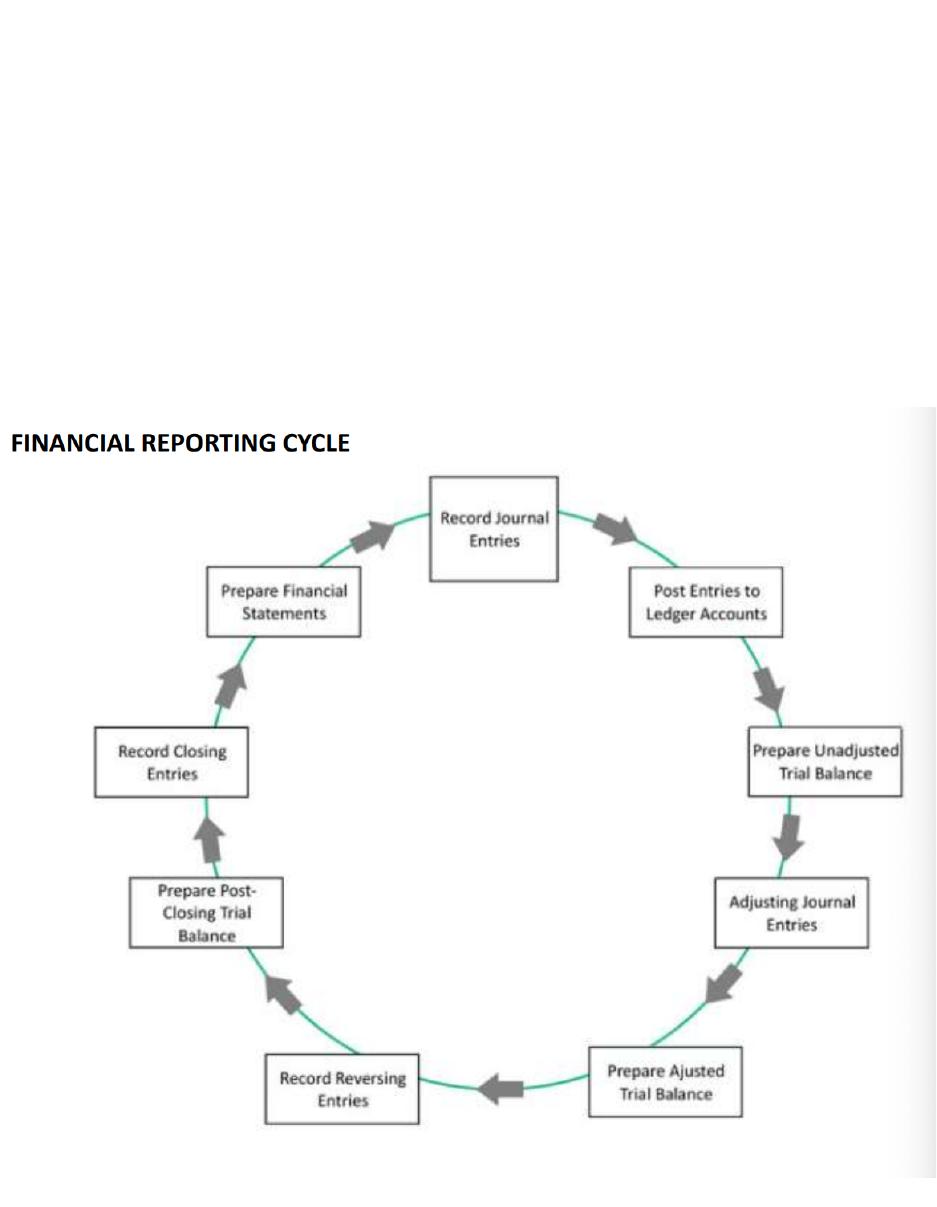
b. Analyze, record, accumulate, consolidate, report – reporting cycle
c. Focus on actuals, historical costs
3. Managerial Accounting

a. Users – Internal users of information
b. US GAAP – Need not comply with GAAP
c. Past vs. Future – Uses estimates of the future for decision making and historical data for
internal performance evaluation
d. Reporting requirements – Internal cost/benefit studies determine how much information
is enough
4. Aside from company management, who are the end-users of financial accounting
information
a. Creditors
i. Banks
ii. Suppliers
b. Investors
i. Holders of publicly-traded shares
ii. Other investors (private investors, venture capital, equity firms)
c. Board of directors
d. Government
i. SEC
ii. IRS
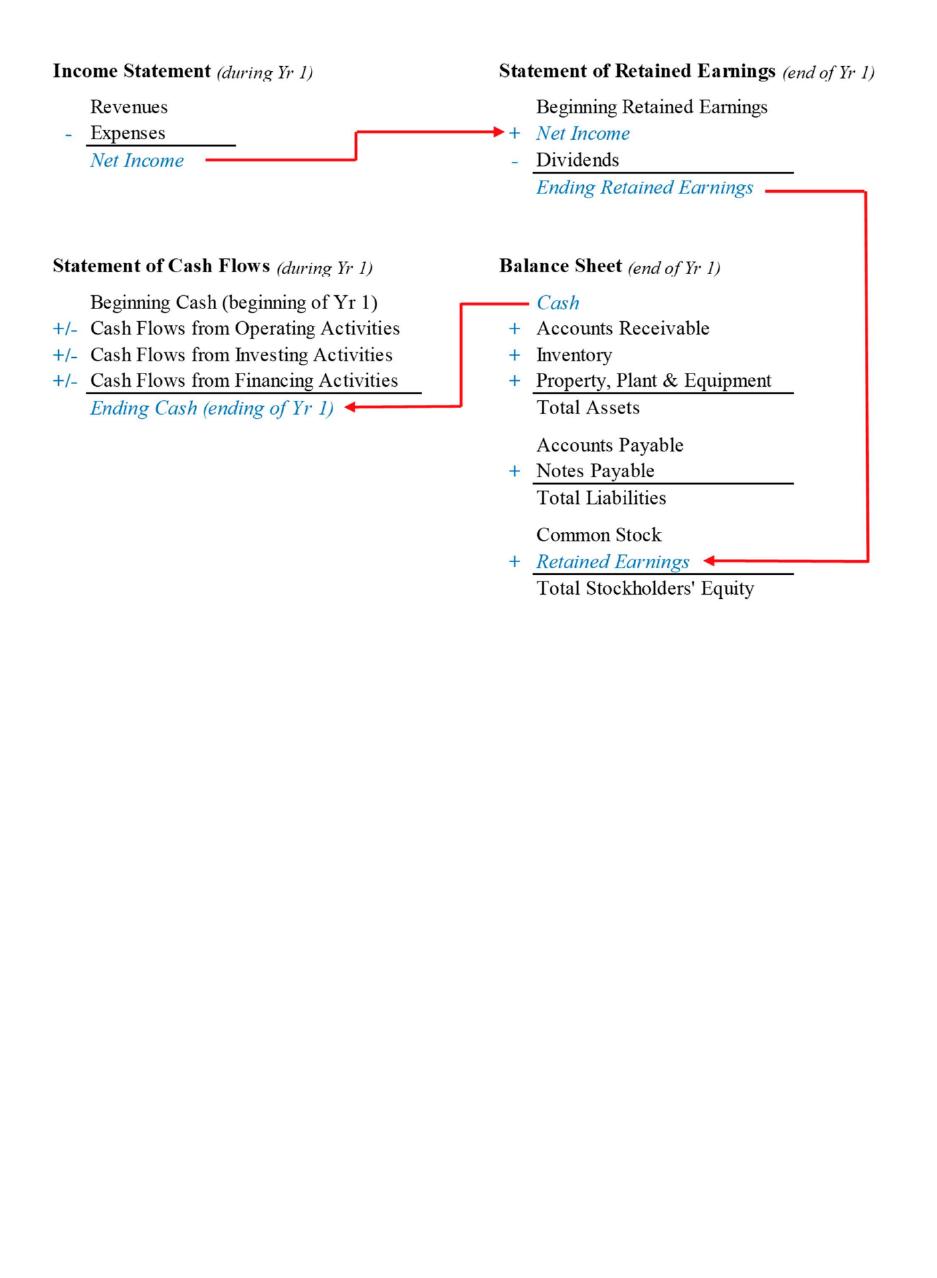
5. Basic accounting equation: income statement
a. Rev – Expenses = Net income
i. Revenues are earned by selling goods or services to customers over a period of
time
ii. Expenses are all costs of doing business that are necessary to earn revenues over
a period of time
iii. Net income is calculated as revenues minus expenses
6. Basic accounting equation: Statement of Retained Earnings (R/E)
a. Beginning R/E + Net Income – Dividends = Ending R/E
7. Basic Accounting equation: Balance Sheet
a. Assets = Liabilities + Owner’s Equity
b. Current assets + Fixed Assets + Other Long-term assets = Current liabilities + long-
term liabilities + beginning retained earnings + YTD earnings – dividends
i. Assets are resources owned by a company at a point in time
ii. Liabilities are resources owed to creditors at a point in time
iii. STCk Equity are resources owed to stockholders at a point in time
8. Assets are economic resources that are controlled by the company
a. Measurable value
b. Expected to benefit the company by producing cash inflows
c. Examples of assets:
i. Cash
ii. A/R
iii. Inventory
iv. Property, plant & equipment
9. Liabilities are measurable amounts that the company owes to creditors (and other parties)
a. Examples of liabilities:

i. Accounts payable
ii. Notes payable
iii. Income taxes payable
iv. Dividends payable
v. Accrued salaries
10. Stockholders’ equity represents the owners’ claims on the business
a. Examples of stockholder’s equity
i. Common stock – claim that owners have on amounts they contributed directly to
the company in exchange for its stock
ii. Retained earnings – claim that owners have on amounts the company has earned
through profitable business operations
11. Basic accounting equation: Statement of cash flows
a. Beginning cash + cash inflows – cash outflows = ending cash
b. Where cash flows (in and out) are divided into three types of activities:
i. Operating activities are related to the normal, day-to–day activities with
customers, suppliers, and employees (ex. Cash collected from customers,
receiving dividends, receiving interest, purchasing services and goods for resale,
paying salaries and wages, paying income taxes, paying interest)
ii. Investing activities are related to the buying and selling of long-term assets and
investments in securities
iii. Financing activities are related to any borrowings from banks, repaying bank
loans, receiving cash from stockholders for company stock, or paying dividends
to stockholders
12. Internal business functions
a. Producing organizations
i. R&D
ii. Engineering design
iii. Manufacturing
1. Fabrication
2. Assembly
3. Paint line
iv. Quality assurance/quality control
v. Distribution/logistics
b. Selling organizations
i. Sales
ii. Marketing
c. Support organizations (General & Administrative)
i. HR
ii. IT
iii. Investor relations/corporate communications
iv. Purchasing
v. Accounting
1. Financial reporting
2. Taxation
3. Internal audit
4. Inventory costings/COGS
5. Financial planning & Analysis
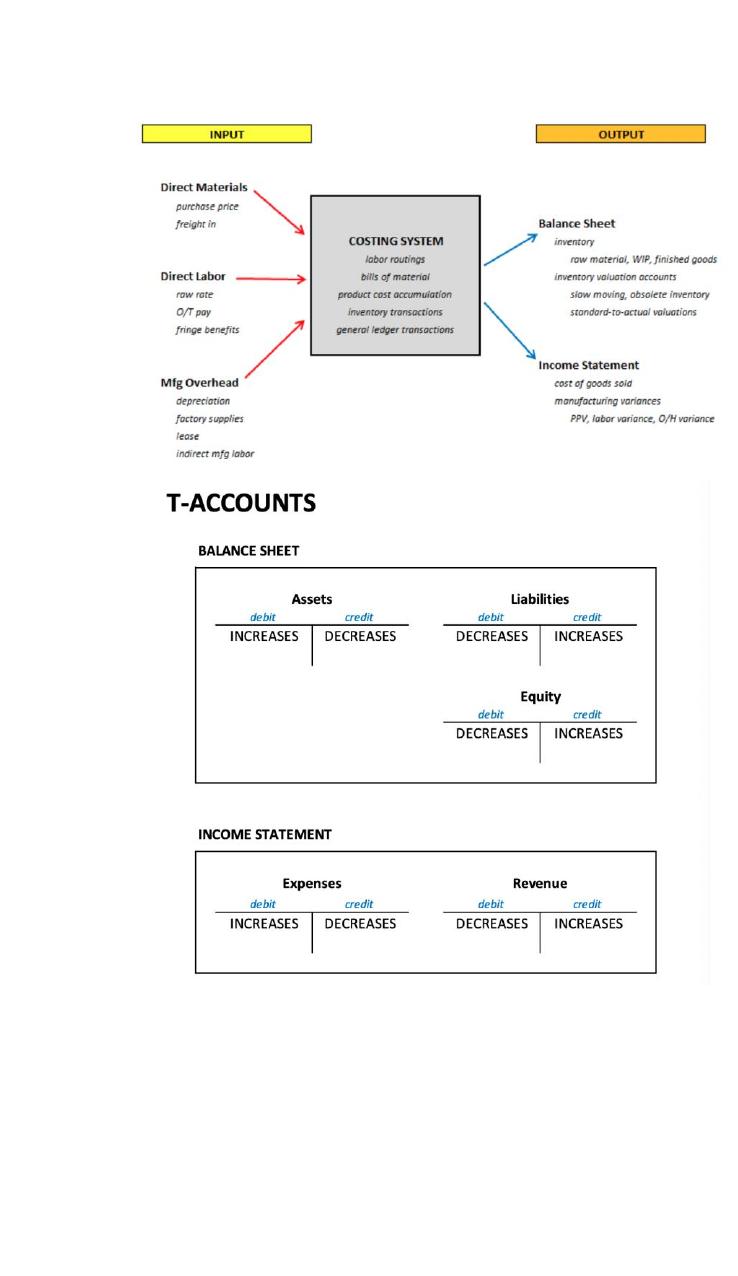
13. Three main components in the accumulation of product cost
a. Raw materials
i. Includes the initial purchase price, transportation costs (in-freight_ to get the
factory
b. Direct labor
i. Raw hourly wage, O/T premium, fringe benefits (eg. life insurance, medical
insurance, dental insurance, ADD, S&T, L&T disability, employer portion of the
payroll tax, employer match to 401(k) savings plans)
c. Manufacturing overhead
i. Supervisory labor and related fringe benefits
ii. Maintenance costs
iii. Lease expense for the factory
iv. Utilities (eg. telephone, gas, electricity, water)
v. Machinery depreciation
vi. Factory supplies (eg. gloves for D/L, boxes)
14. Why is product costing important?
a. Helps a firm establish a market price
i. Especially true if you are first to market
b. Plan for profitability
c. Valuing inventory
d. Controlling costs
i. Establish standards and measure performance against it
e. Making business decisions
i. Make vs. buy
ii. Product introductions
iii. Adding/dropping parts of operations
iv. Inventory management decisions
15. Capitalize – to record an expenditure as an asset
16. Relieve – to remove or release an asset or a liability
17. Why pursue JIT inventory?
a. Reduces $ tied up in working capital
i. Good relations with suppliers
1. Preferred status
2. Pricing – long-term purchase contract
ii. Assumes you have a reliable re-ordering system
b. Assess the need to carry more than just safety stock on hand when
i. Disruption in supply is possible
ii. No alternative or substitute material
18. Corporate governance – is the system of principles and processes by which a corporation is
managed that defines the relationships among the board, shareholders, management, and other
stakeholders in a manner designed to promote long-term growth in share price.
19. Consequences of Ineffective Corporate Governance
a. Fraud
i. Motive
ii. Opportunity
iii. Ability to rationalize the fraud
b. Examples of fraud
i. Financial misrepresentation
1. Manufacturer in Knoxville, TN inflated inventory totaling $3M on sales
of $90M
ii. Theft
1. Check fraud in rolling plant in Indiana
c. To emphasize ethics:
i. Companies have a code of business ethics
ii. Professional organizations publish a code of conduct
20. Pro
Chapter 2 – Cost Behavior, Operating Leverage, and Profitability Analysis
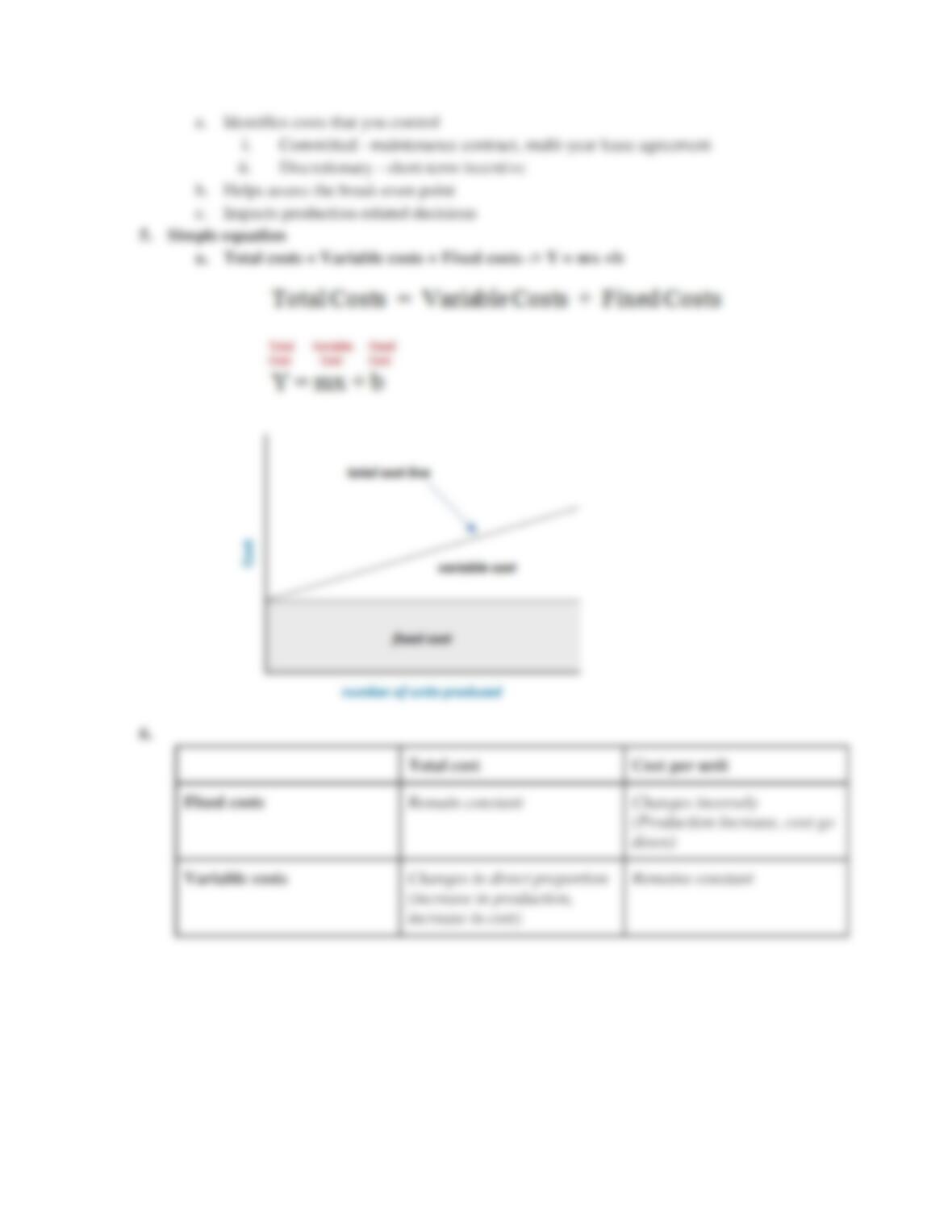
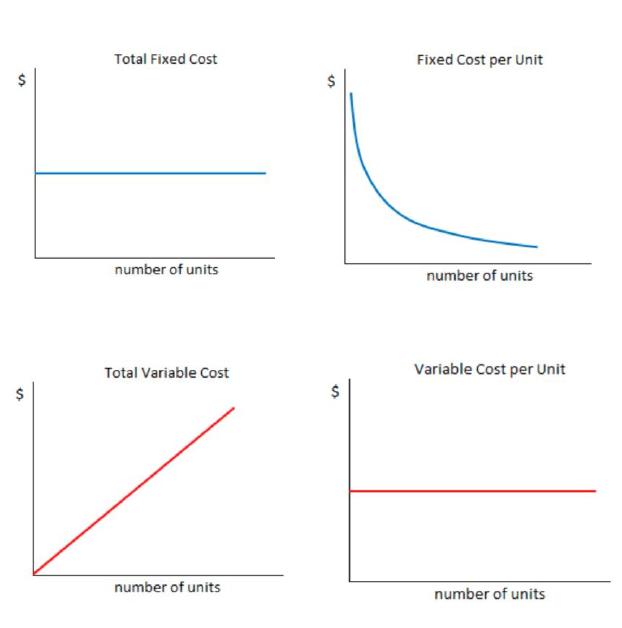
1. Cost behavior – How a cost changes (increase, decrease, remain constant) relative to changes in