ARTIFICIAL
INTELLIGENCE,
MACHINE
LEARNING, AND
DEEP LEARNING
UPDATED ON: 19TH MAY, 2021
BY: CELESTE NG
DIRECT QUOTE FROM SOURCES:
AS INDICATED IN EACH INDIVIDUAL SLIDE

CONTENTS
Artificial
Intelligence
•Branches
•Tribes
•Relationships
Machine
Learning
•Types of learning
Deep Learning
•Examples, unique
requirements,
frameworks
Machine
Learning
Applications

CONTENTS
Artificial
Intelligence
•Branches
•Tribes
•Relationships (AI,
ML, DL)
Machine
Learning
•Types of learning
Deep Learning
•Examples, unique
requirements,
frameworks
Machine
Learning
Applications
ARTIFICIAL INTELLIGENCE (AI)
Source: https://www.youtube.com/watch?v=WSbgixdC9g8&t=19s
AI is a technique which enables machine to mimic human
behaviors and mind
(AI是一種技術使機器能夠模仿人類行為和思維)
AI TIMELINE (時間線)
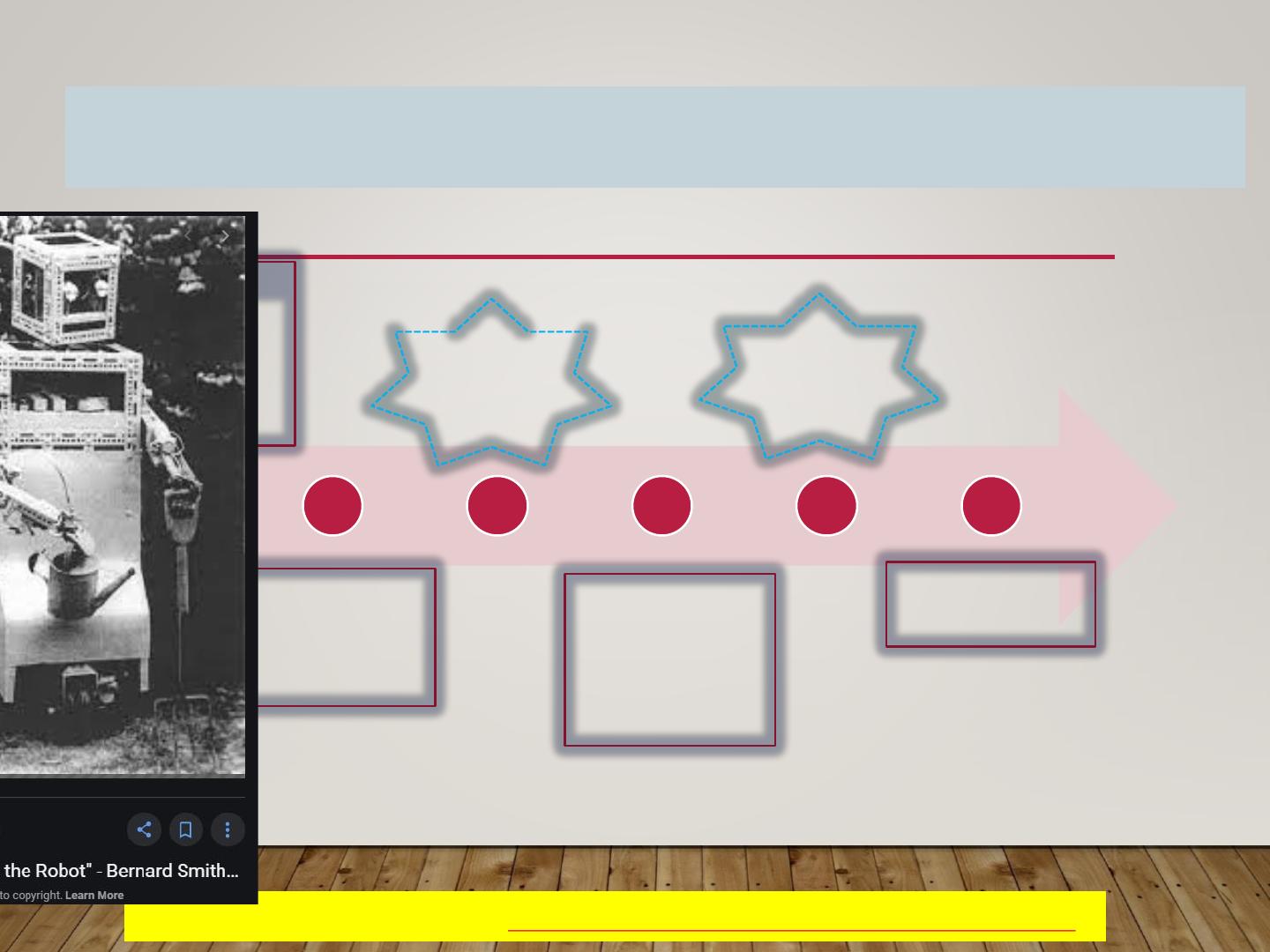
1952–1956:
The birth
of artificial
intelligence
1956–1974:
The golden
years
黃金歲月
1974–1980:
The first AI
winter
1980–1987:
Boom
(expert
system)
1987–1993:
The second
AI winter
1993–2011:
AI
Source: 2021, Wikipedia, URL: https://learning.acm.org/techtalks/machinelearning
人工智能的誕生
Dartmouth Workshop of
1956 was organized by
Marvin Minsky, John
McCarthy
繁榮
AI TIMELINE (時間線)
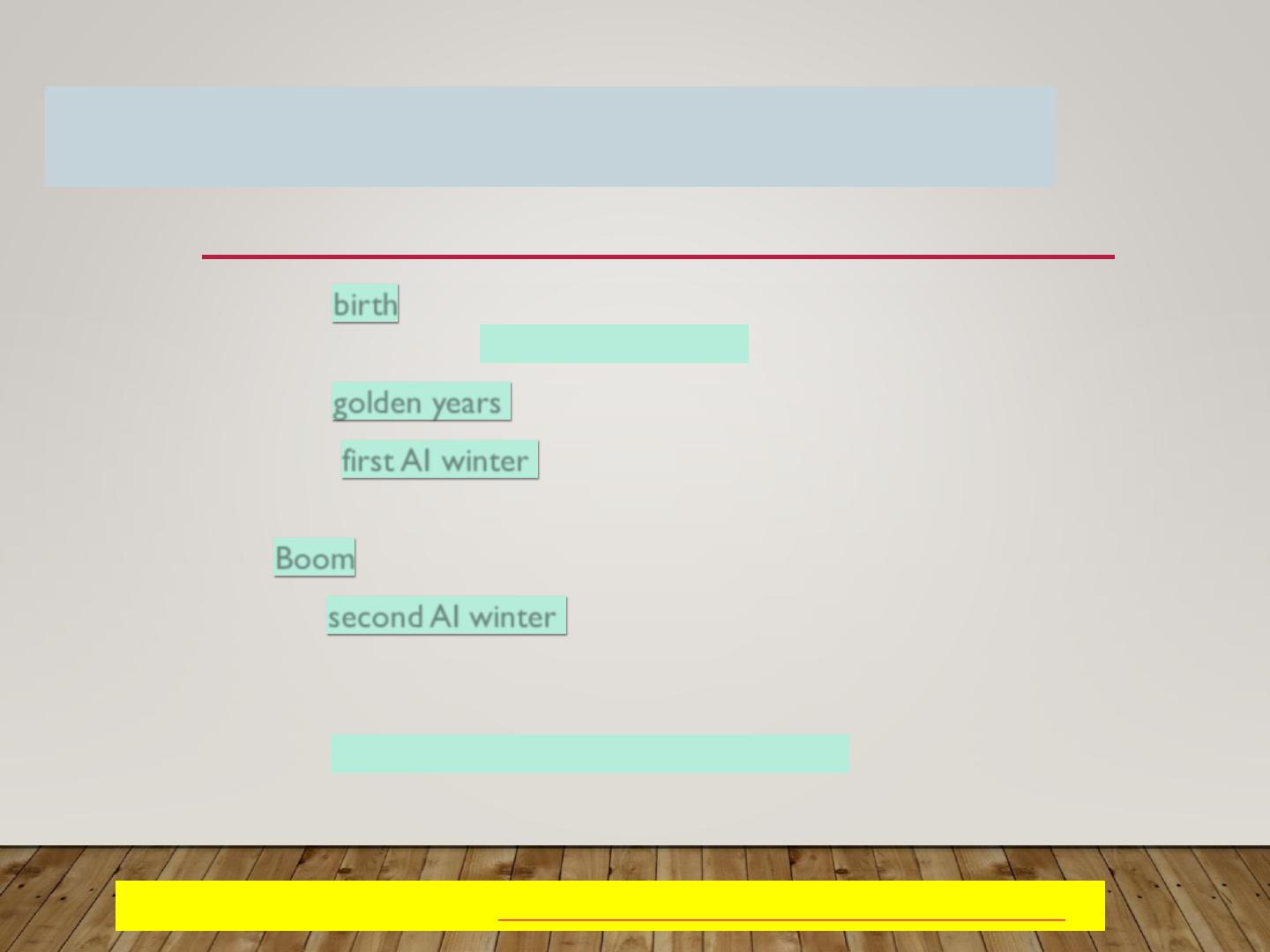
•1952–1956: The birth of artificial intelligence (symbolics
reasoning –based on rules similar to IF-THEN statements)
•1956–1974: The golden years (natural language, robotics)
•1974–1980: The first AI winter (end of funding, limit in
computer speed, exp computer memory )
•1980–1987: Boom (expert system)
•1987–1993: the second AI winter (financial setback ➔
expensive to maintain, difficult to update, they could not learn,
only for special context)
•1993–2011: AI (Moore’s Law, machine learning, BD, DL)
Source: 2021, Wikipedia, URL: https://learning.acm.org/techtalks/machinelearning
大約每兩年: 集成電路(IC)的晶體管的數量加倍
ARTIFICIAL INTELLIGENCE – BRANCHES
Source: https://www.javatpoint.com/subsets–of–ai
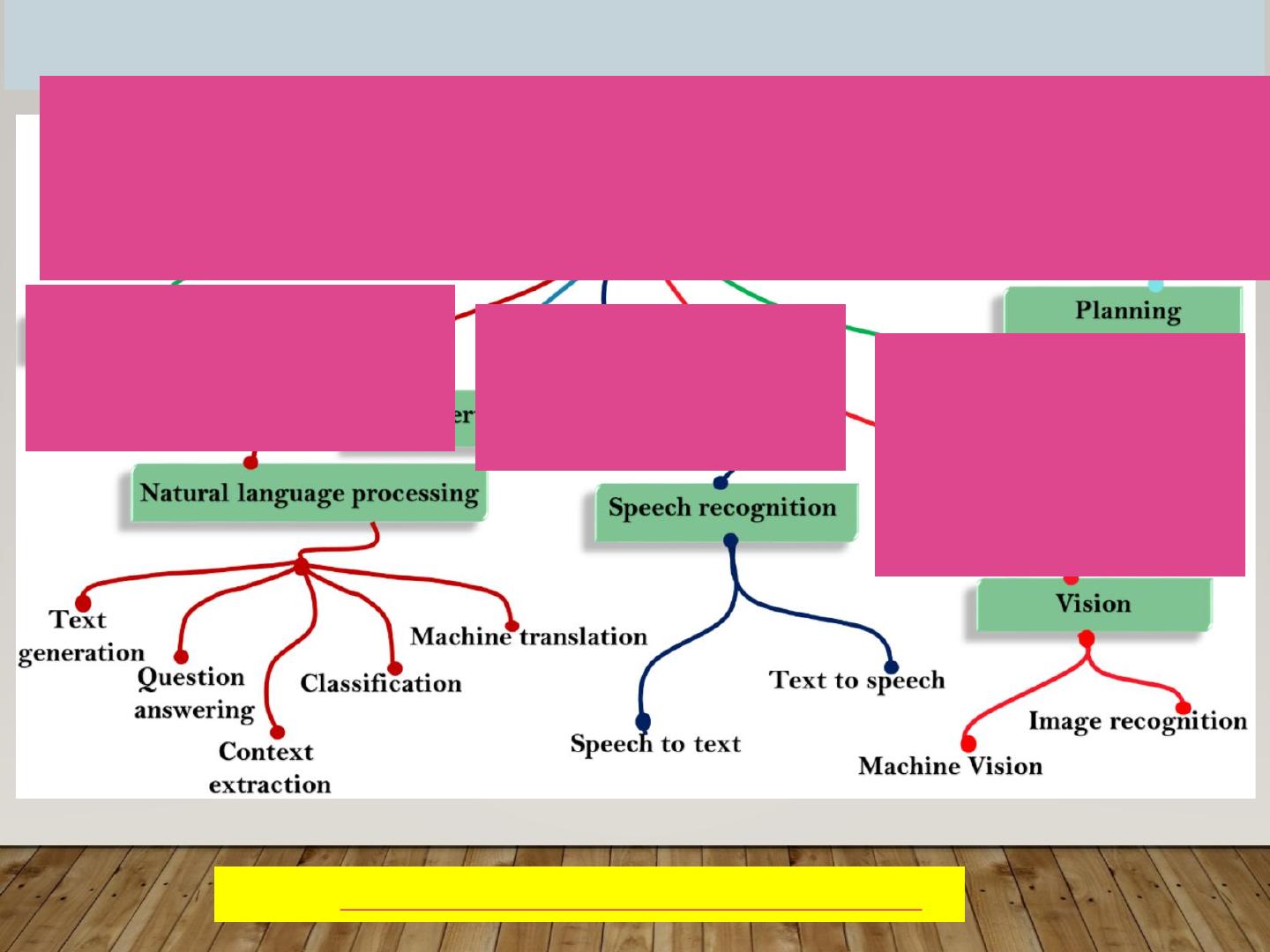
NLP
– Works along with ML and DL
– To form a complete human-
computer interactions
Complex problem
– Unmanned vehicle
– Automated planning
Speech recognition
– Works with NLP
– To resolve ambiguity in
language
Machine vision
– Is used in industrial
automation & robotics
– Rely on digital sensor
in camera to acquire
images
人工智能的分支
CELESTE NG:
ML –a branch of AI where its algorithm allows it to learn to perform a task better through
experience or data sets and to create a model for future prediction;
DL –is a subset of ML where its model mimics the structure of our neuron network of our
brain cells
HOW CAN MACHINES LEARN?
Source: https://medium.com/ai–in-plain–english/artificial–intelligence-vs-machine-learning-vs-deep–
learning-whats-the-difference-dccce18efe7f
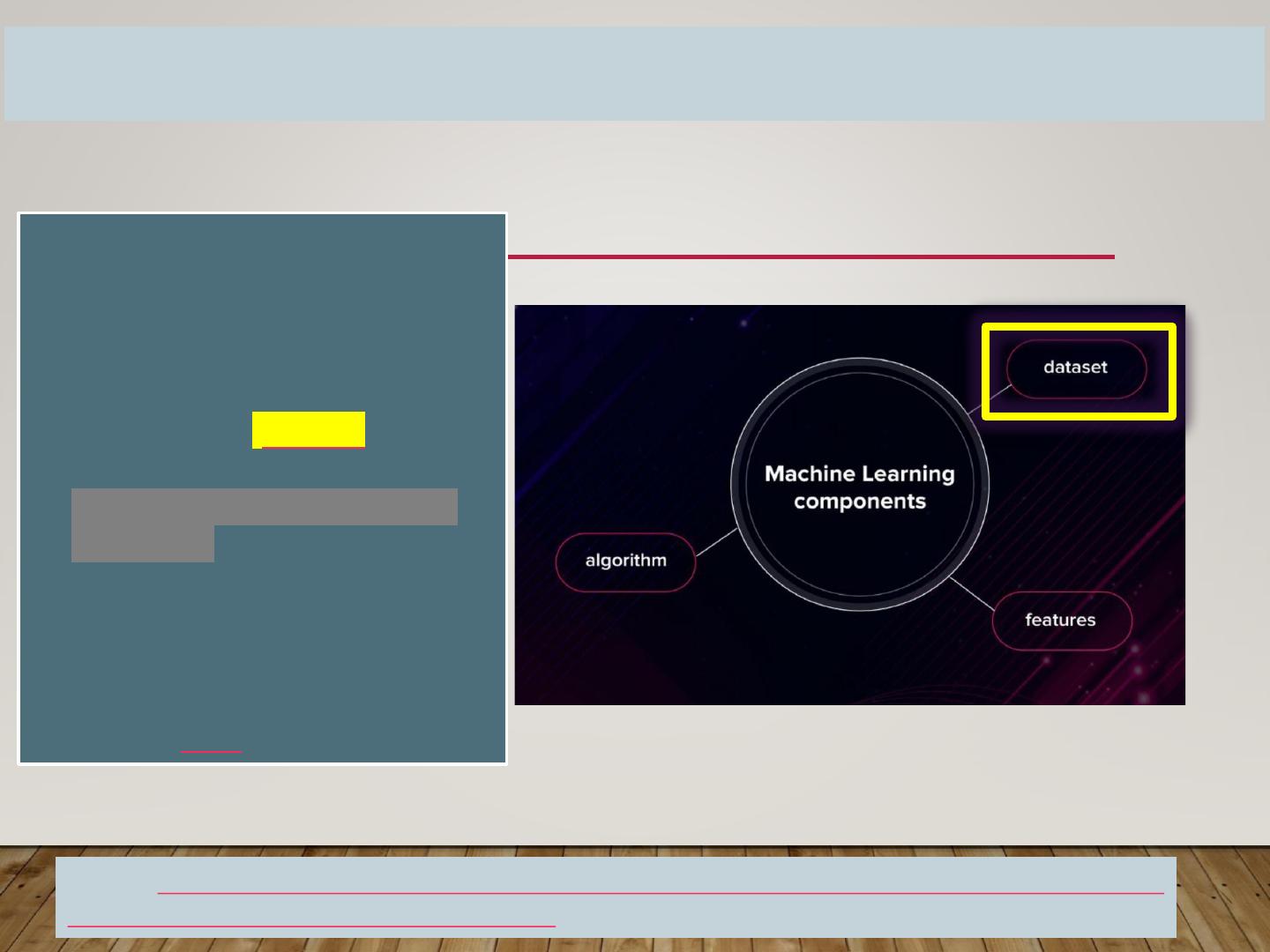
In order to “educate” the machine,
you need these 3 components:
•(1) Datasets.
•Machine learning systems are
trained on special collections of
samples called datasets.
•The samples can include
numbers, images, texts or any
other kind of data.
•It usually takes a lot of time and
effort to create a good dataset.
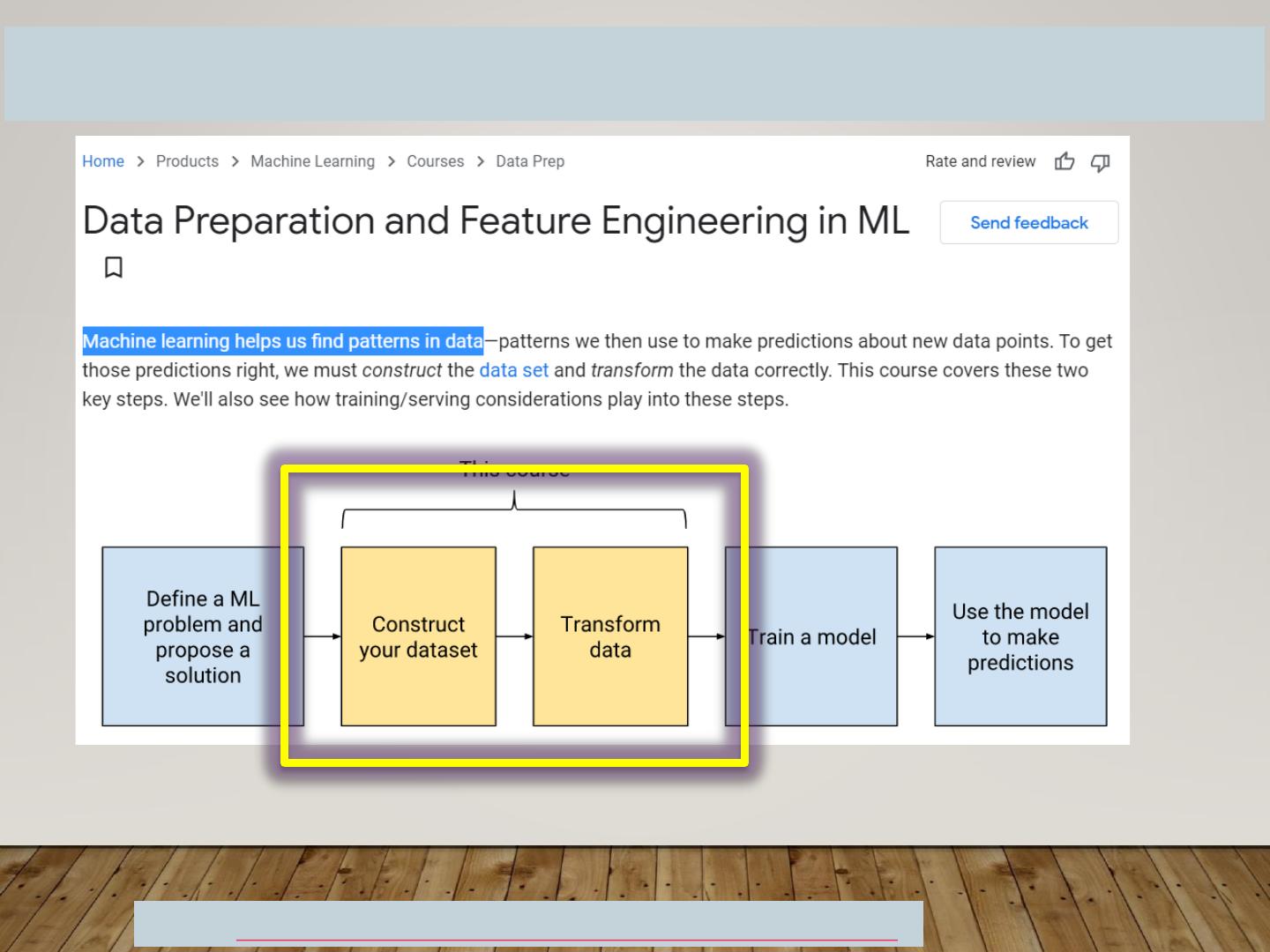
•Discover more about data
preparation for machine
learning here.

HOW CAN MACHINES LEARN? –DATASET
Source: https://pub.towardsai.net/best–datasets-for-machine-learning-data-science-computer–
vision–nlp–ai-c9541058cf4f
Computer Vision Datasets
xView:xView is one of the most
massive publicly available datasets of
overhead imagery. It contains images
from complex scenes around the
world, annotated using bounding
boxes.
ImageNet: The largest image
dataset for computer vision. It
provides an accessible image
database that is organized
hierarchically, according to WordNet.
Kinetics-700:A large-scale dataset
of video URLs from Youtube.
Including human-centered actions. It
contains over 700,000 videos.
Google’s Open Images:A vast
dataset from Google AI containing
over 10 million images.
Sentiment Analysis Datasets
Lexicoder Sentiment Dictionary:This dataset is
specific for sentiment analysis. The dataset
contains over 3000 negative words and over
2000 positive sentiment words.
IMDB reviews: An interesting dataset with
over 50,000 movie reviews from Kaggle.
Stanford Sentiment Treebank: Standard
sentiment dataset with sentiment annotations.
Twitter US Airline Sentiment:Twitter data on
US airlines from February 2015, classified as
positive, negative, and neutral tweets
Self-driving (Autonomous Driving) Datasets
Waymo Open Dataset:This is a fantastic
dataset resource from the folks at Waymo.
Includes a vast dataset of autonomous driving,
enough to train deep nets from zero.
Berkeley DeepDrive BDD100k:One of the
largest datasets for self-driving cars, containing
over 2000 hours of driving experiences across
New York and California.
Bosch Small Traffic Light Dataset: Dataset for
small traffic lights for deep learning.
Clinical Datasets
MaskedFace-Net:MaskedFace-Net is a real
dataset containing human faces with correct
and incorrectly worn masks. It contains over
137k images which are based on the Flick–
Faces–HQ dataset [21]. For more details about
the dataset and its uses, please visit
the documentation on Github.
COVID-19 Dataset: The Allen Institute of AI
research has released a vast research dataset
of over 45,000 scholarly articles about COVID–
19.
MIMIC-III: Openly available dataset developed
by the MIT Lab for Computational Physiology,
comprising de-identified health data
associated with ~40,000 critical care patients.
It includes demographics, vital signs,
laboratory tests, medications, and more.
HOW CAN MACHINES LEARN? –DATASET
Source: https://developers.google.com/machine-learning/data-prep
HOW CAN MACHINES LEARN?
Source: https://medium.com/ai–in-plain–english/artificial–intelligence-vs-machine-learning-vs-deep–
learning-whats-the-difference-dccce18efe7f
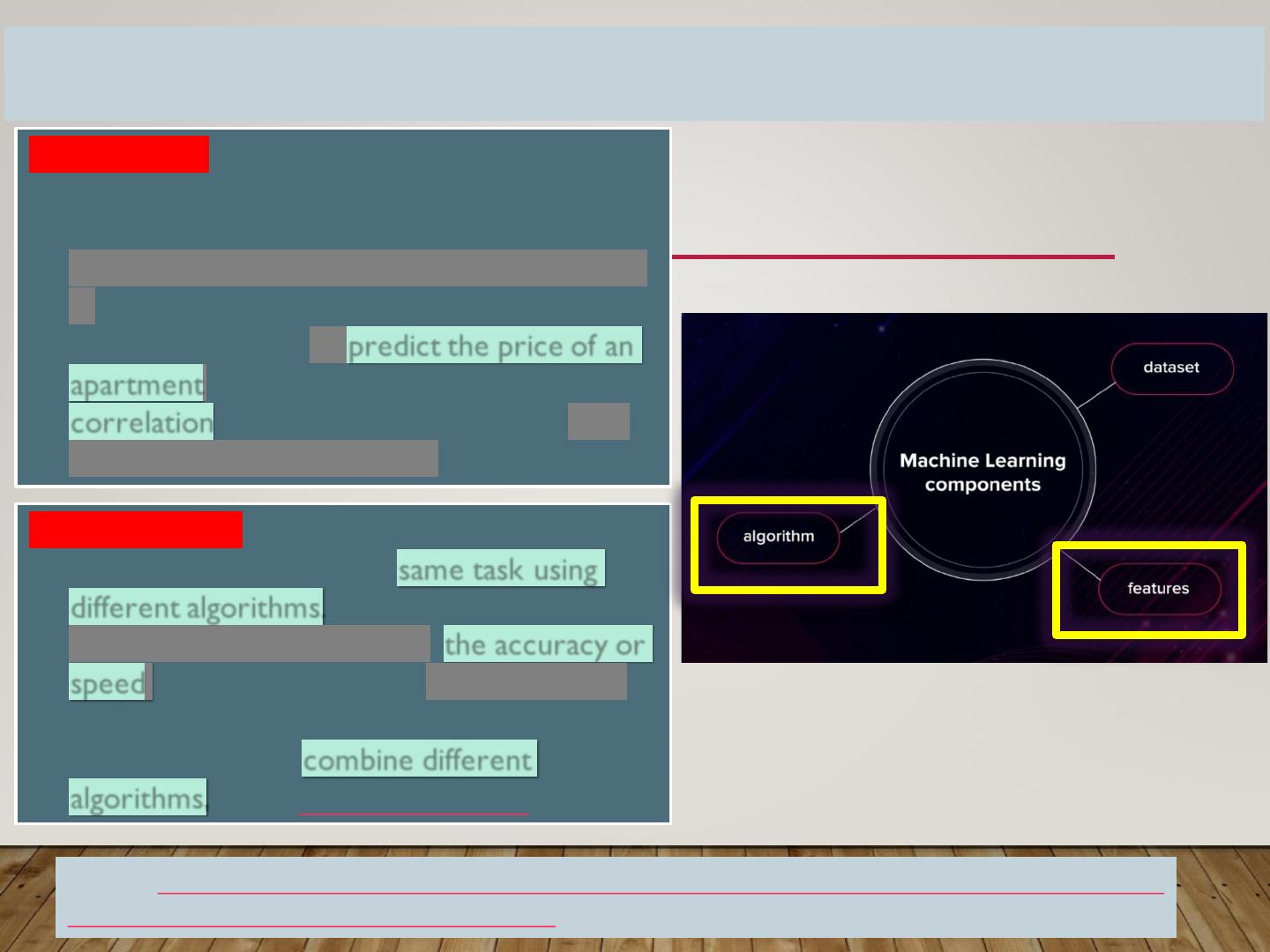
(2) Features.
•Are important –the key to the solution of
the task.
•Are what the machine what to pay attention
to.
•E.g.: say, you want to predict the price of an
apartment.…., it is much easier to find a
correlation between the price and the area
where the building is located.
(3) Algorithm.
•It is possible to solve the same task using
different algorithms.
•Depending on the algorithm, the accuracy or
speed of getting the results can be different.
•Sometimes in order to achieve better
performance, you combine different
algorithms, like in ensemble learning.
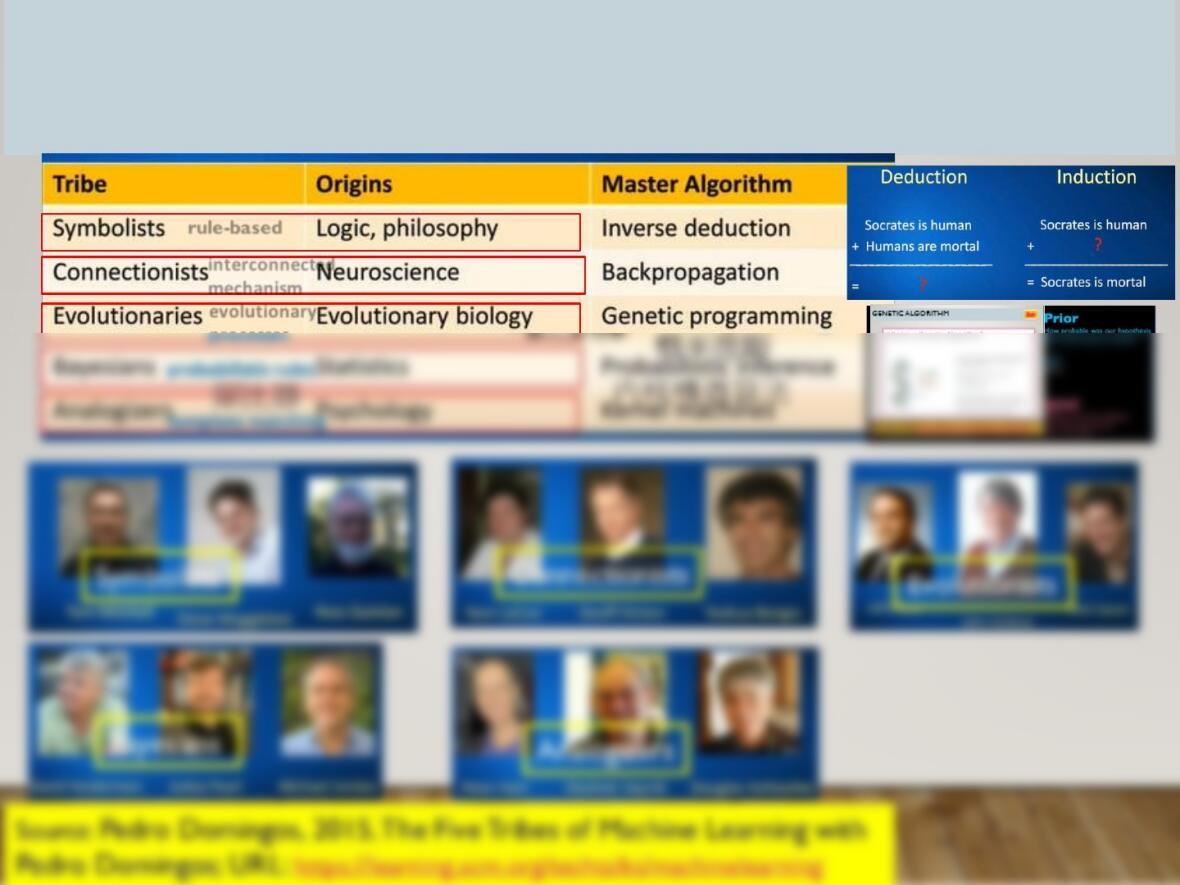
ARTIFICIAL INTELLIGENCE –FIVE MAIN TRIBES /
APPROACHES / CATEGORIES
神經科學 反向傳播算法
基因編程
家組 根源
哲學
rule-based
evolutionary
interconnected
mechanism
進化生物學